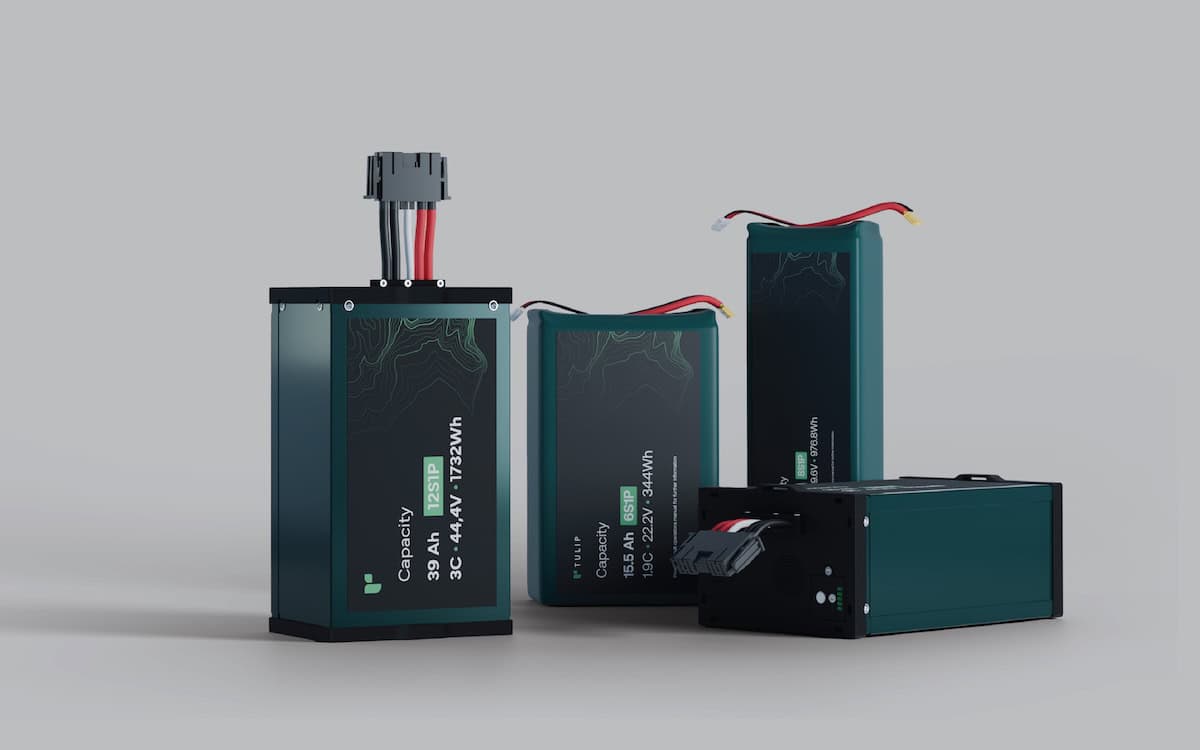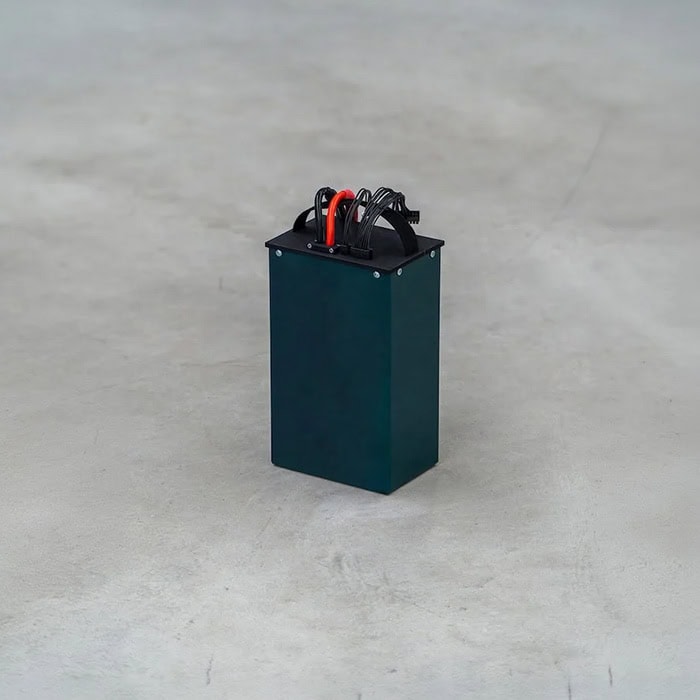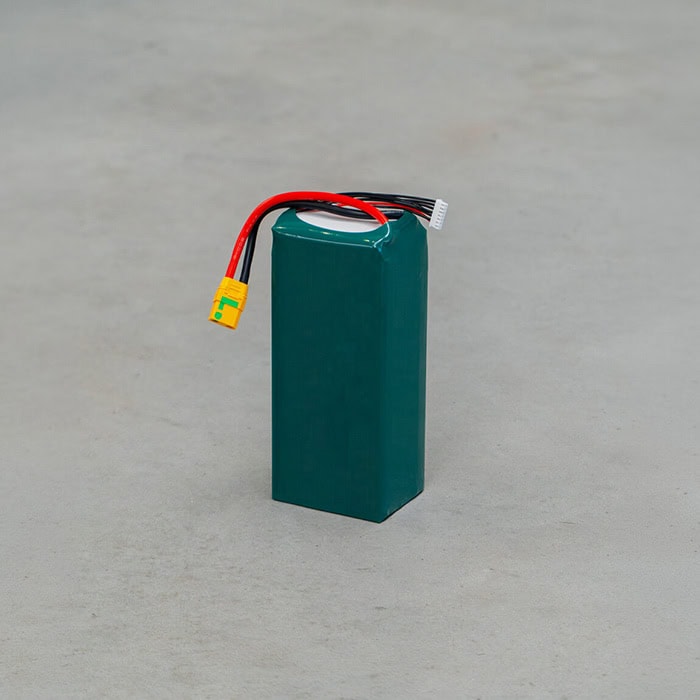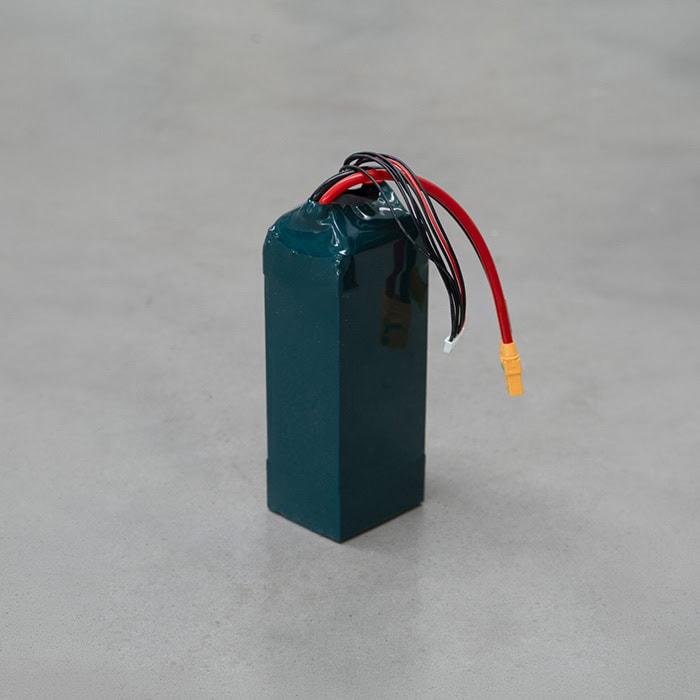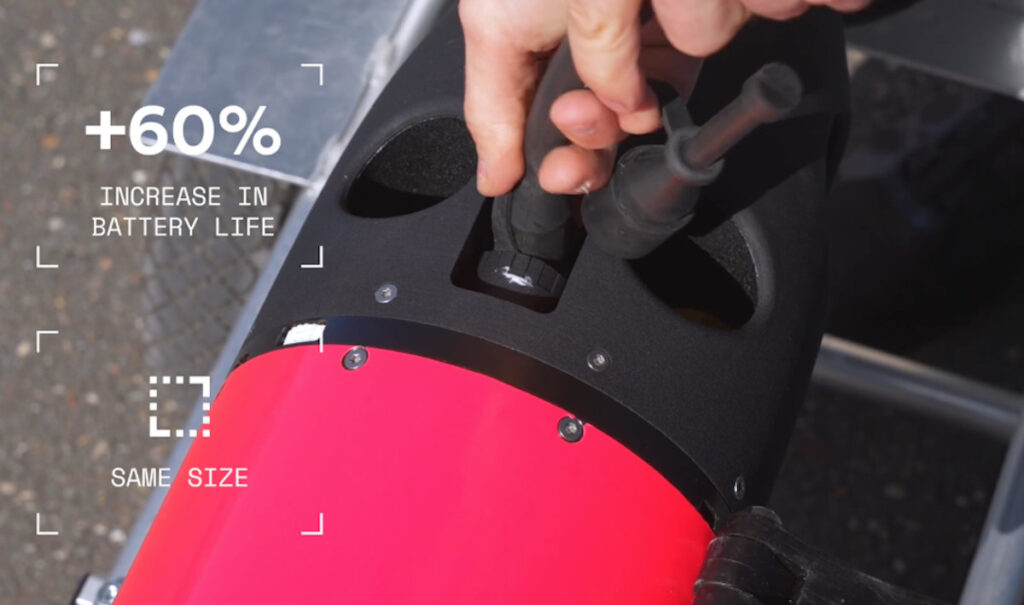
In this case study, Tulip Tech highlights how a compact, high-energy-density battery pack delivered approximately 60% more battery life for Lobster Robotics’ autonomous underwater drone without requiring a meaningful increase in vehicle size.
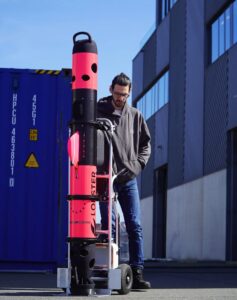 Lobster Robotics develops autonomous underwater drones that travel above the seabed and create detailed photographic maps. For these missions, available power directly affects how much seabed can be surveyed during each dive. At the same time, the power system must remain dry inside a sealed hull, and Lobster Robotics did not want to increase the size of the drone.
The company therefore required a battery solution that could provide longer operating time within the existing platform envelope. Offshore serviceability was another requirement, allowing the battery system to be maintained while supporting marine operations.
Tulip Tech worked with Lobster Robotics’ engineers from the beginning of the project. The development process included proposing cell options, discussing design details and providing engineering feedback until the battery pack was configured to fit the existing platform.
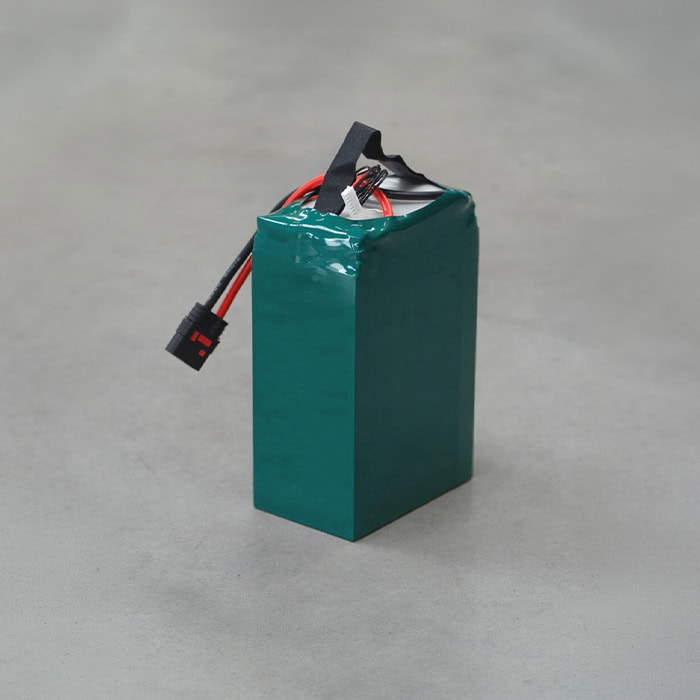
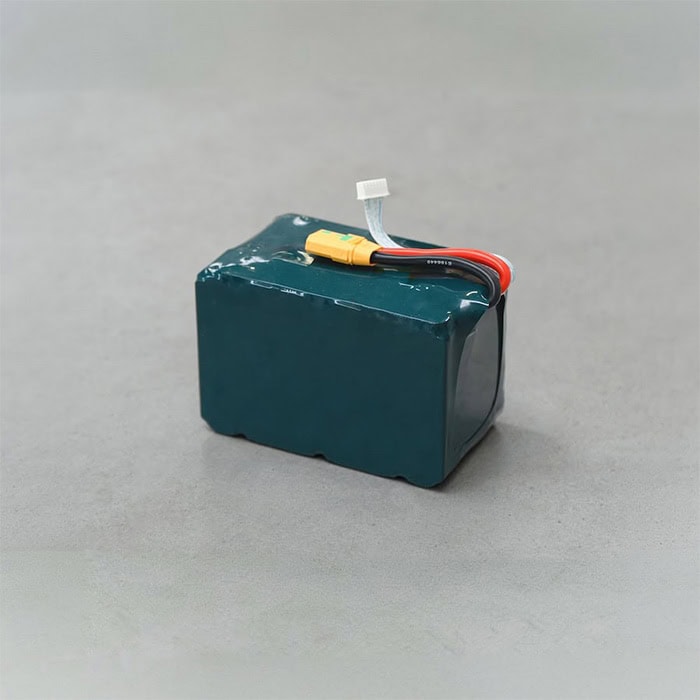
The resulting solution is a compact, energy-dense battery pack based on self-fused cells. It was designed to remain easy to maintain in the field while meeting the dimensional requirements of Lobster Robotics’ underwater drone.
Compared with the previous battery solution, the new pack provides approximately 60% more battery life with no meaningful increase in drone size. The additional runtime supports longer missions and enables more seabed to be surveyed during each launch.
The project also gives Lobster Robotics a Dutch battery supplier operating within the same time zone and familiar with the requirements associated with high-energy-density marine systems.
Arthur Admiraal, Lead Electrical Engineer & Co-Founder, Lobster Robotics, commented, “It’s always great to have a local supplier that understands the challenges of creating a high energy dense sea system.”