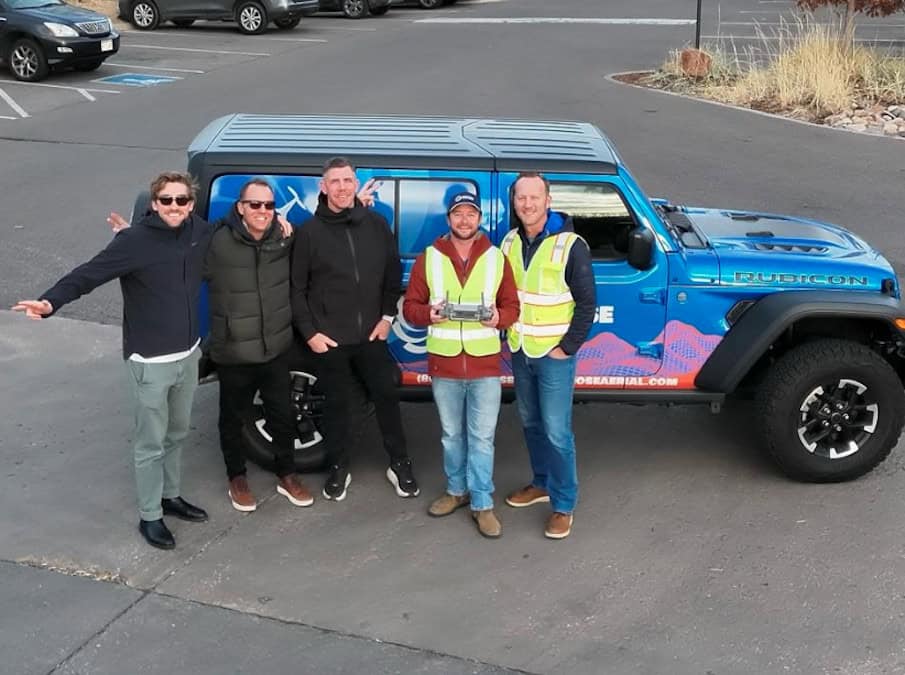



Blue Nose Aerial Imaging, a drone services network focused on aerial imaging, data collection, and analysis, discusses how drones equipped with thermal sensors are used to support rooftop inspections and assist in identifying potential leak locations.
By applying aerial thermal imaging methods, rooftop conditions can be assessed efficiently while maintaining accuracy and consistency across large surface areas.
Thermal Imaging Fundamentals
Thermal sensors detect infrared radiation emitted by surfaces and translate temperature variations into thermal images. These images represent relative heat differences, allowing inspectors to observe patterns that may not be visible through standard visual inspection methods.
Drone-Based Thermal Sensor Deployment
When integrated into drones, thermal sensors can capture rooftop data from an elevated viewpoint. The drones are equipped with stabilization features and controlled flight systems that support steady image collection and consistent coverage. This configuration enables accurate thermal data capture across complex or expansive roof structures.
Temperature Variations and Leak Indicators
Roof leaks can produce detectable temperature differences on the roof surface. Moisture infiltration often cools affected areas, creating localized temperature contrasts compared to surrounding dry sections. These contrasts may indicate areas where water intrusion has occurred.
Aerial Inspection Methodology
During an inspection, the drone flies over the roof while collecting thermal imagery of the entire surface. Cooler areas appear as distinct zones within the thermal image, allowing potential problem locations to be visually identified for further evaluation.
Data Review and Interpretation
Thermal images collected during the flight are reviewed either on site or after the inspection. Temperature differentials are examined to isolate areas that may require closer inspection. In some cases, analytical processes are used to assist in identifying consistent thermal patterns associated with moisture presence.
Efficiency and Practical Advantages
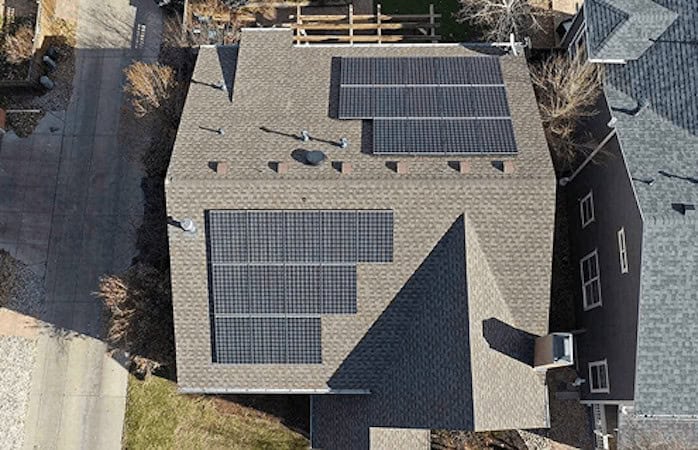
Using drones for thermal roof inspections allows large areas to be evaluated in a relatively short period of time. Difficult-to-access sections can be surveyed without ladders or scaffolding, reducing time requirements and limiting exposure to on-roof safety risks. This approach also helps streamline inspection workflows compared to manual methods.
Application in Roof Assessment Projects
Drone-based thermal inspections offer a structured and efficient method for identifying potential rooftop leaks. By highlighting temperature anomalies linked to moisture intrusion, this approach supports early detection and informed decision-making for follow-on inspection or repair activities, helping maintain overall roof integrity.