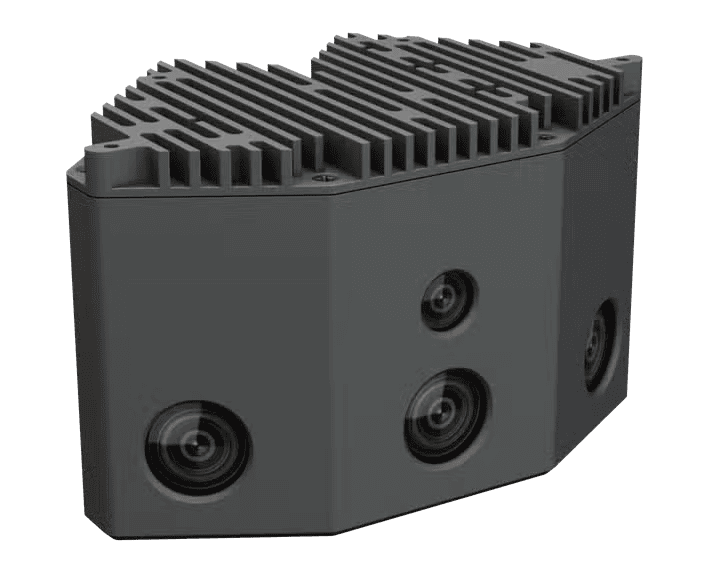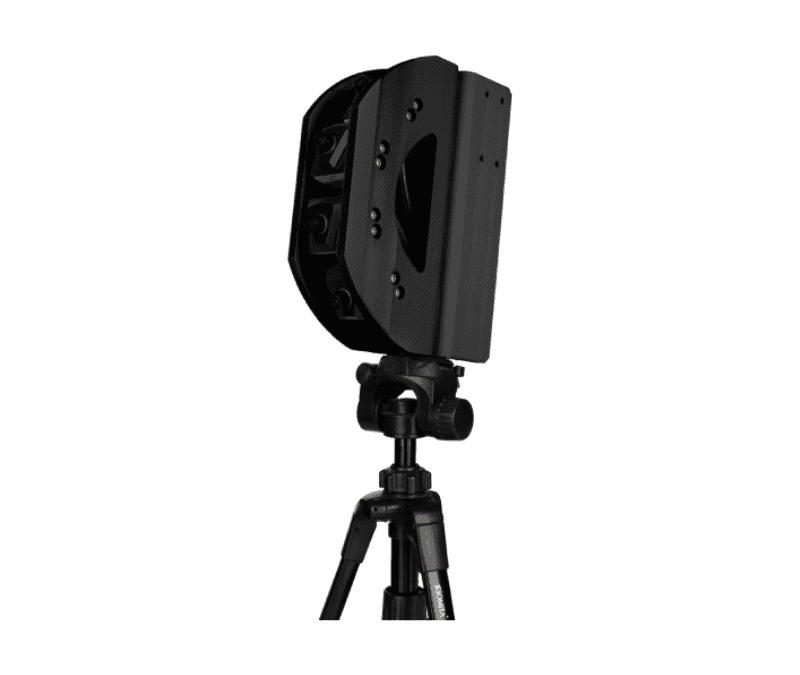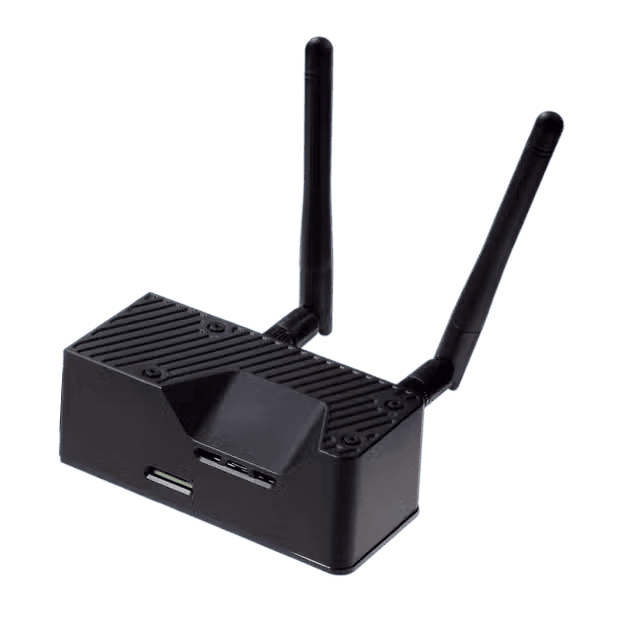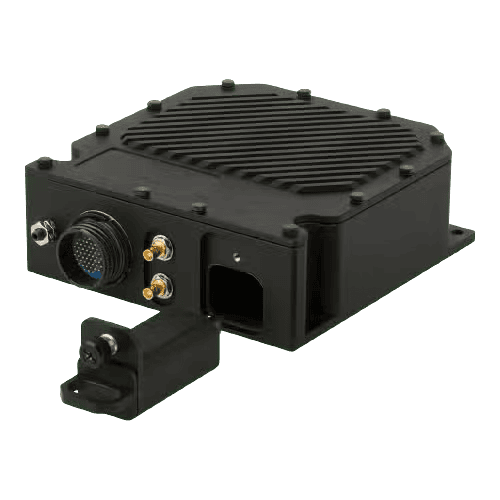
Maris-Tech outlines its approach to multi-sensor integration in the article, Sensor Fusion for Situational Awareness with EO, IR & Radar AI, focusing on how combining electro-optical, infrared, and radar data enhances situational awareness in ISR operations.
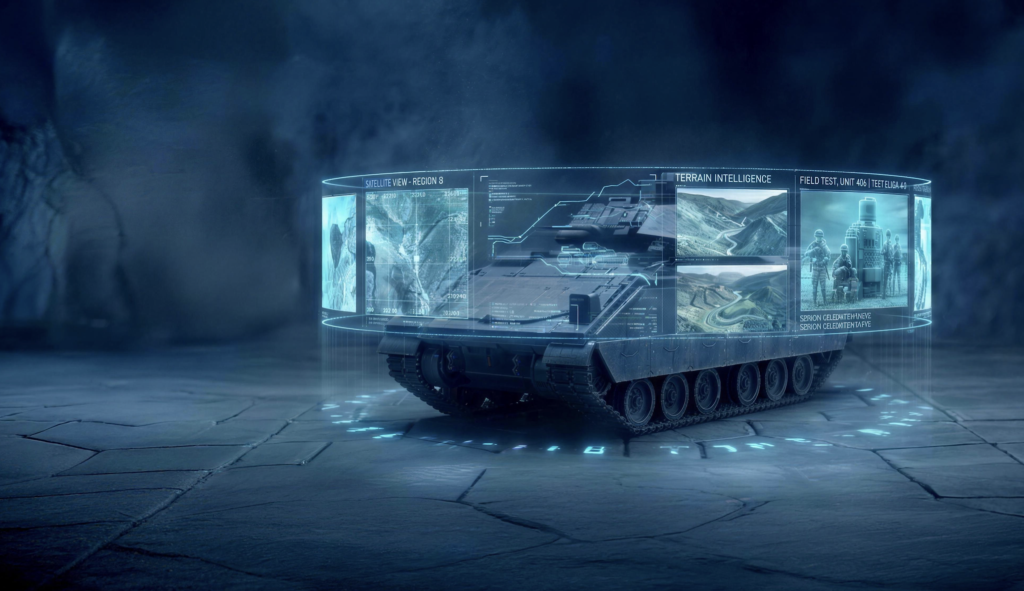
The piece examines how processing these inputs together at the edge enables a unified and actionable operational view, particularly in environments where real-time insight is critical.
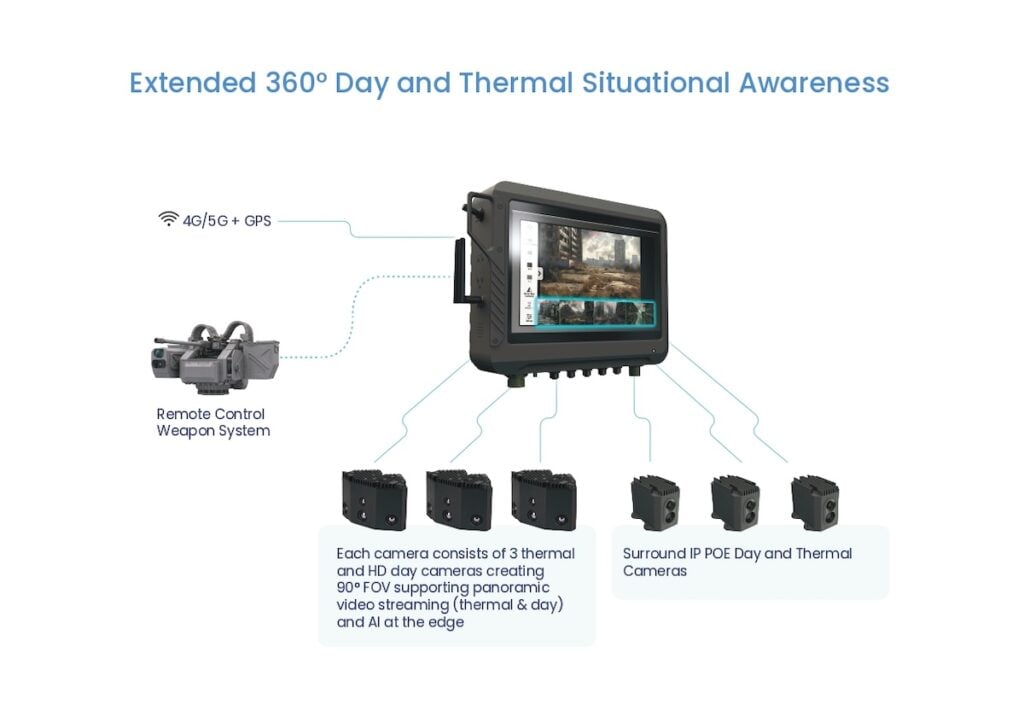
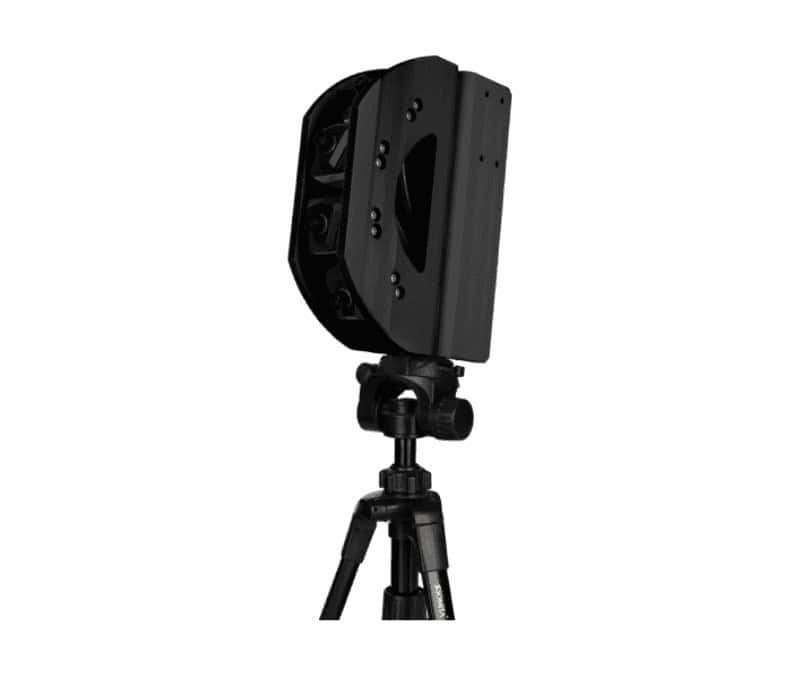
The article explains the distinct roles of EO, IR, and radar sensors, noting that each provides valuable but limited information when used independently. Electro-optical systems deliver detailed visual imagery but rely on lighting conditions, infrared sensors detect thermal signatures in low-visibility scenarios, and radar supports detection and tracking in obscured environments. By fusing these data sources, ISR systems can reduce uncertainty and improve confidence in target identification. For example, radar may detect motion, infrared can confirm a heat signature, and EO imagery can support visual classification.
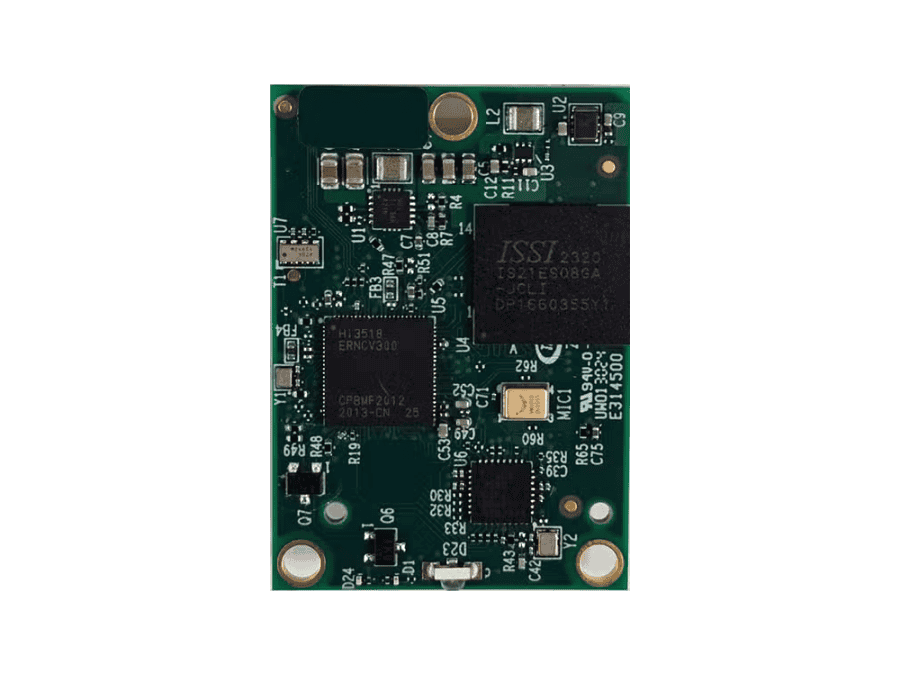
AI-enabled processing is presented as a key enabler of this capability. Maris-Tech describes how machine learning models correlate and classify data from multiple sensor inputs based on combined signatures, allowing for real-time prioritization of potential threats. When deployed at the edge, this approach supports real-time data fusion, reduces bandwidth requirements, and enables responsive decision support across platforms such as UAVs, ground vehicles, and fixed installations.
The article also addresses the technical challenges associated with multi-sensor integration, including synchronization, calibration, processing demands, and environmental variability. It highlights Maris-Tech’s approach to addressing these factors through optimized hardware and AI processing pipelines, and explores how ongoing developments in AI and edge computing are shaping the future of sensor fusion in defense systems.