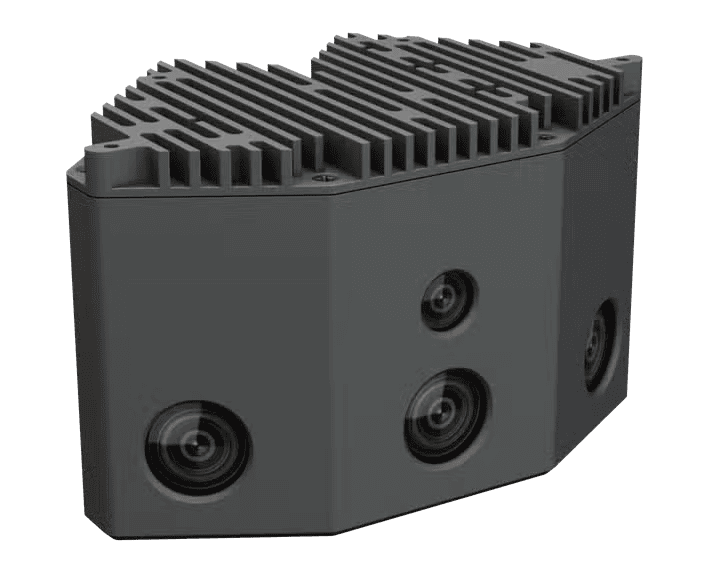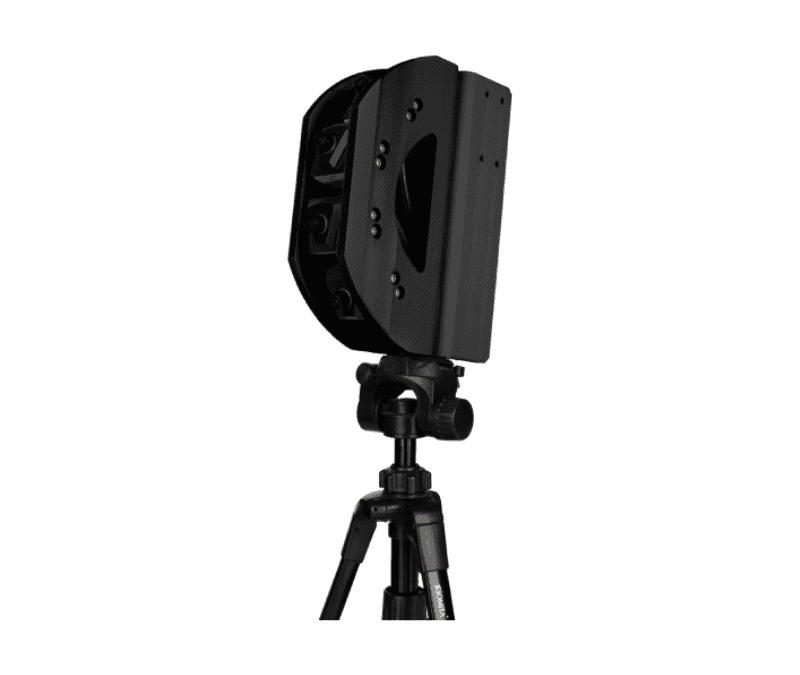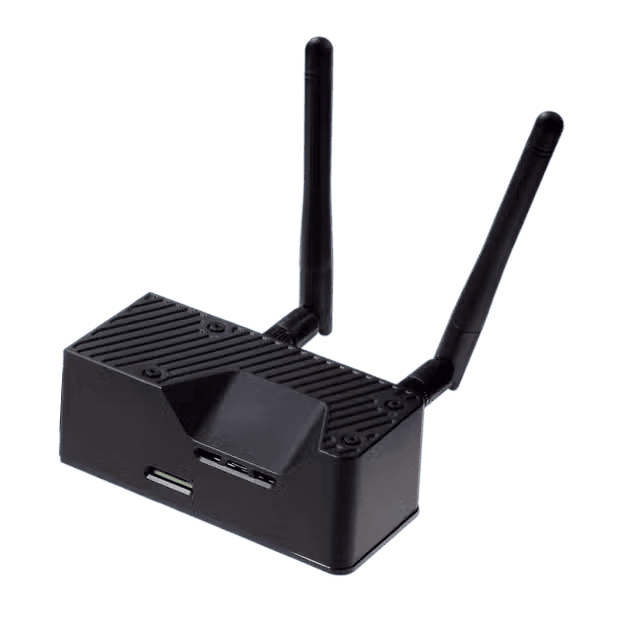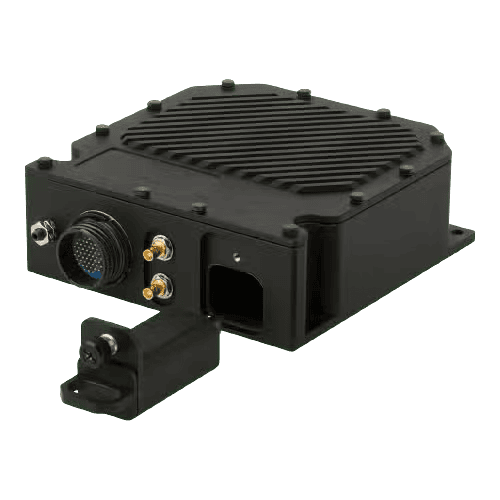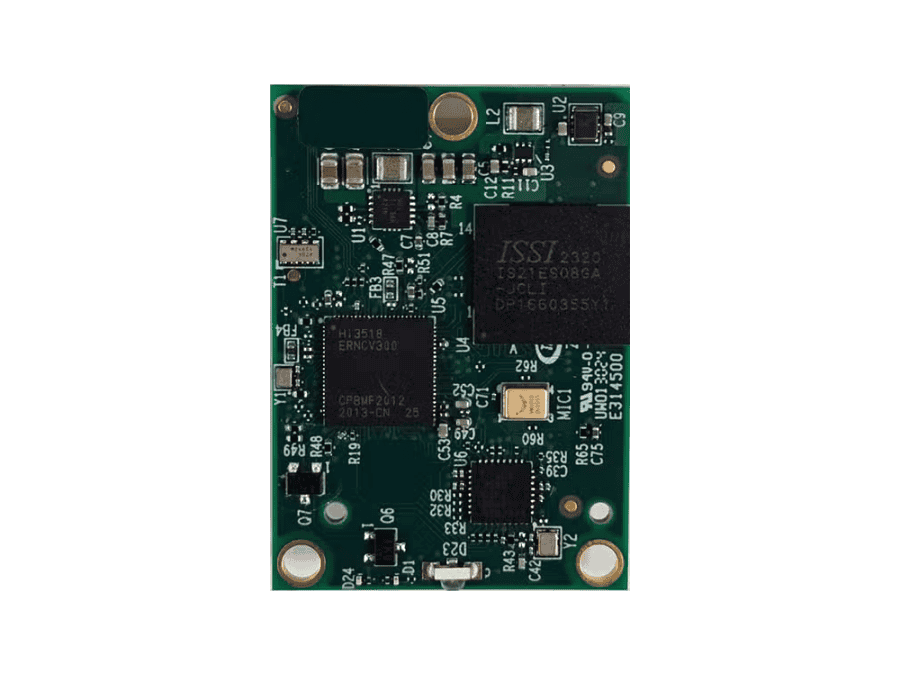
Maris-Tech Ltd. recently launched Mars-RF-HD, a new ultra-low size, weight, and power drone video payload designed to enable video transmission over radio frequency datalink and long-range wireless communication networks.
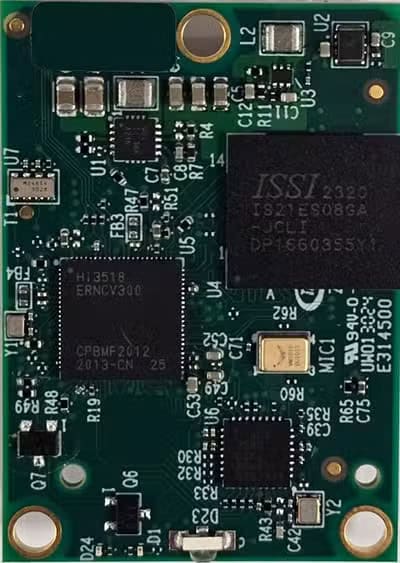
The launch represents an important engineering milestone for the company. While long-range wireless technology is widely recognized for its exceptionally long communication range and low power consumption, its extremely limited bandwidth has traditionally made it impractical for transmitting operational video. Mars-RF-HD is designed to overcome this challenge by using highly optimized image compression techniques to transmit optimized time-lapse image sequences, providing operators with visual intelligence over communication channels previously considered unsuitable for video applications.
Designed for a broad range of unmanned aerial vehicle missions, Mars-RF-HD supports long-range visual situational awareness while maintaining an ultra-low size, weight, and power profile. The payload interfaces directly with the aircraft’s autopilot and supports operation over both radio frequency datalink and long-range wireless channels, making it suitable for applications such as surveillance and loitering munitions platforms.
Israel Bar, Chief Executive Officer of Maris-Tech, said, “We believe that introducing Mars-RF-HD marks another important milestone in expanding Maris-Tech’s journey in the drones market. We are grateful for the opportunity to continue working with leading defense organizations that challenge us to solve complex engineering problems. Enabling visual information over communication channels with such limited bandwidth demonstrates our continued commitment to advancing edge video processing and AI technologies for next-generation unmanned systems.”
Maris-Tech, a leader in edge computing, artificial intelligence, and video intelligence solutions for defense applications, has already delivered samples of Mars-RF-HD to a leading defense industry customer, where the system is currently undergoing evaluation for potential operational deployment.