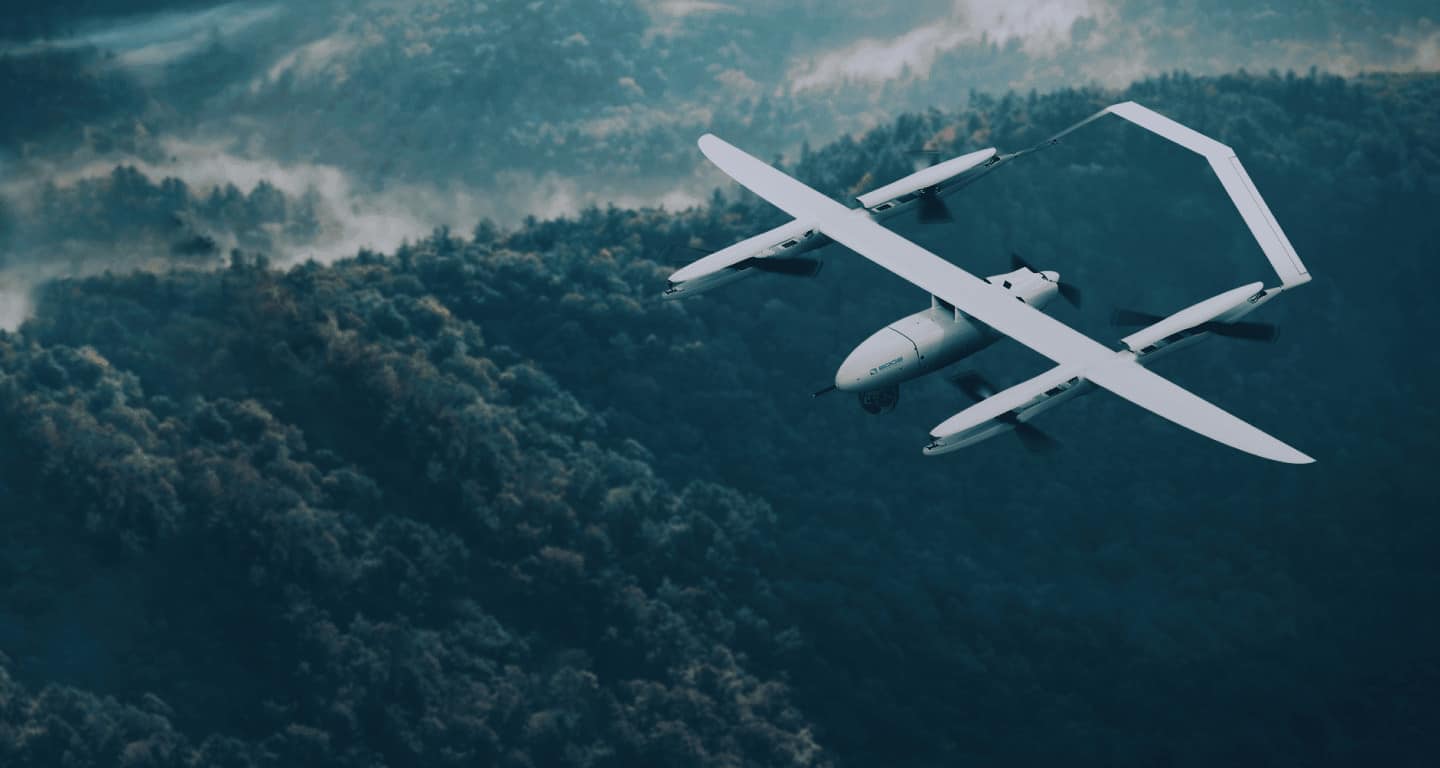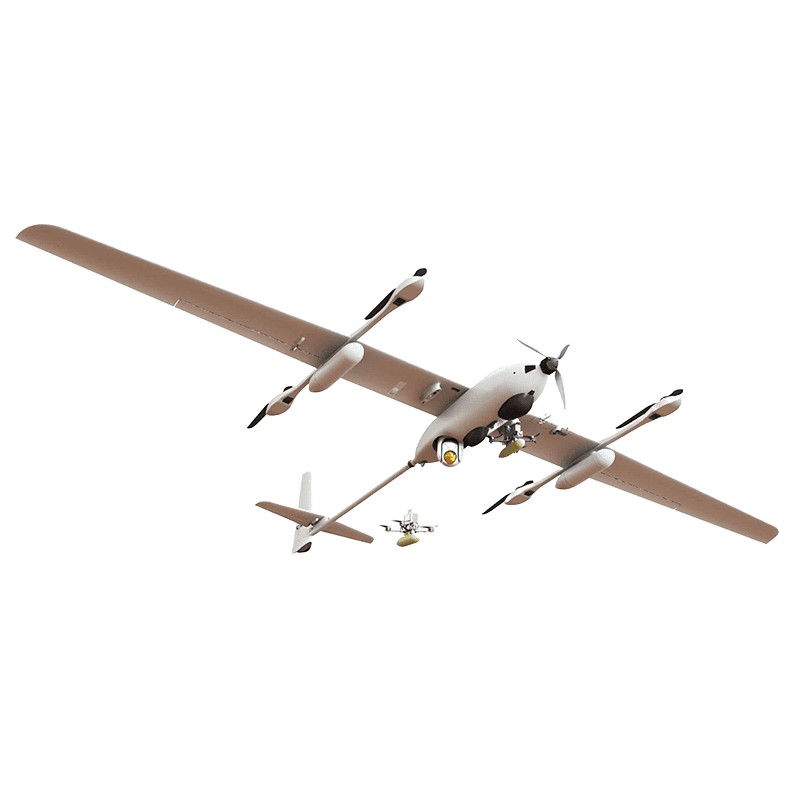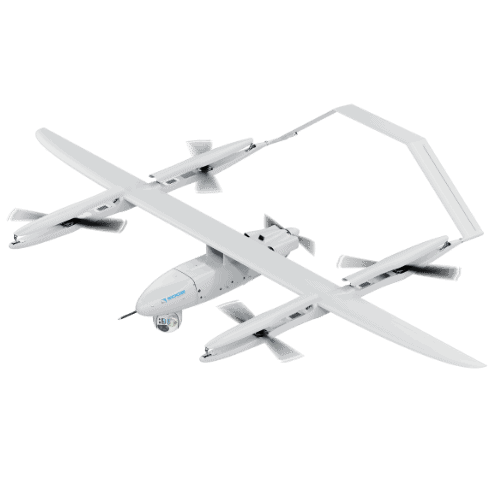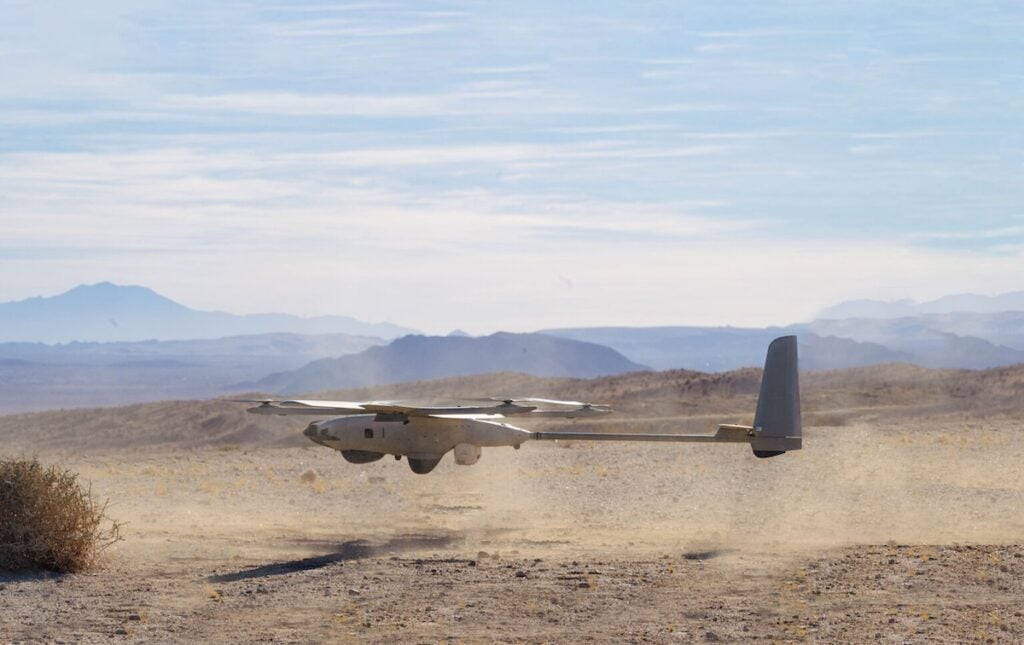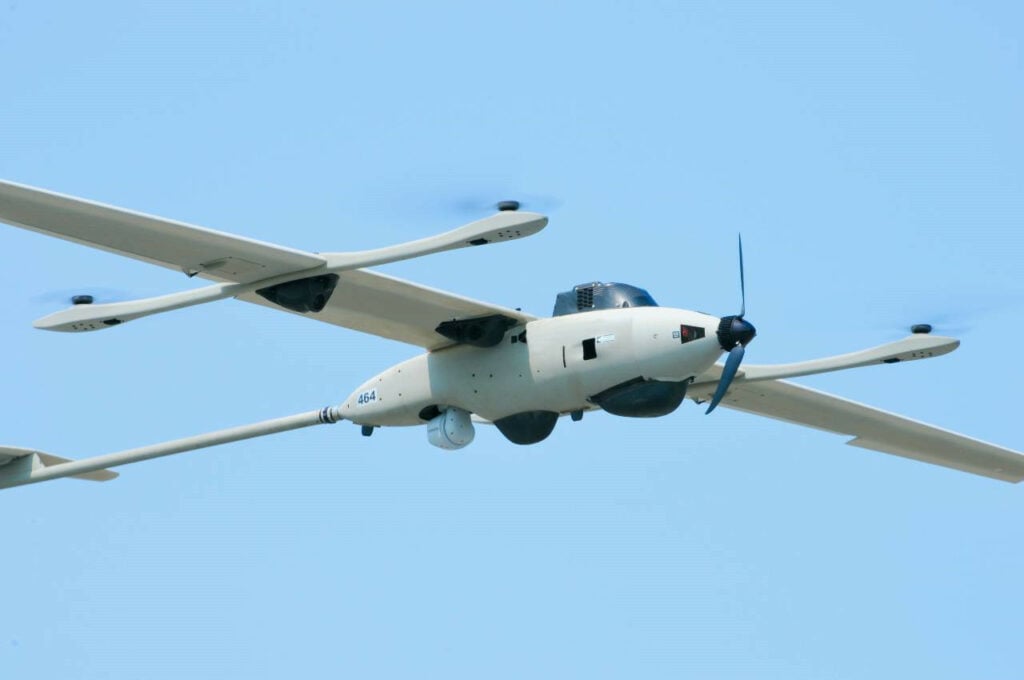
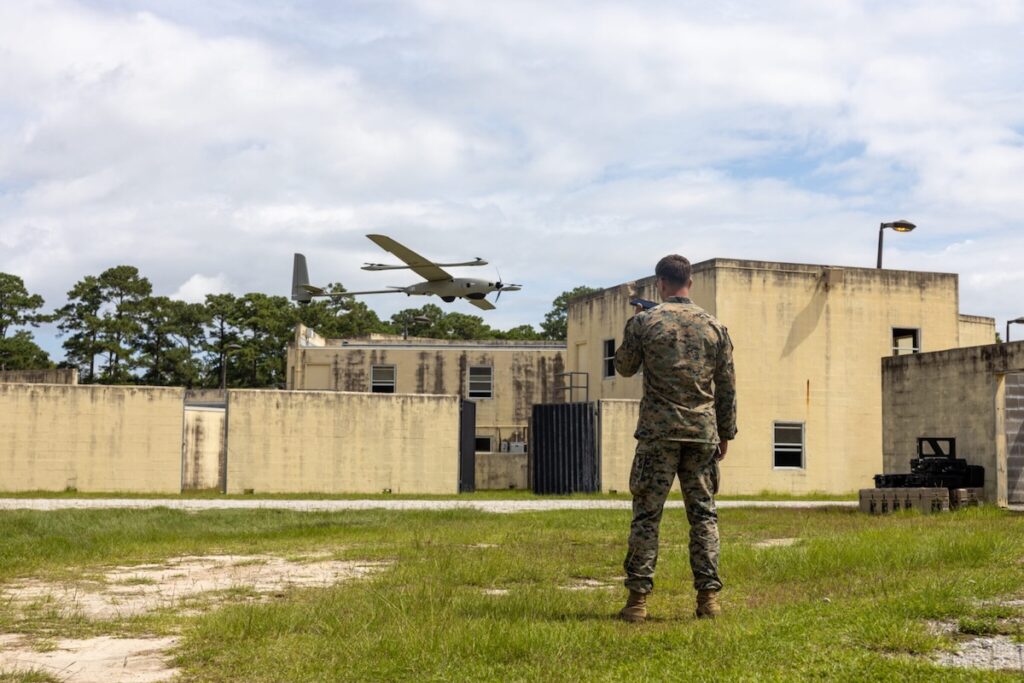
The Stalker UAS from Redwire has undergone continuous development across two decades, evolving as a Group 2 uncrewed aircraft intended to address capability requirements between larger UAS platforms and much smaller drones. Its design combines a compact logistical footprint with adaptable payload, communications, navigation, and endurance capabilities for military operations.
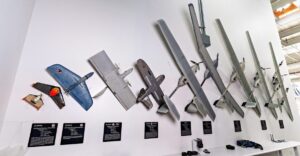
The aircraft originated with the Stalker Block 0, developed at Jennings Aeronautics in 2006. Subsequent versions introduced successive improvements, leading to the Block 40 system fielded by Redwire today. Development has been informed by feedback from military customers, including the U.S. Marine Corps, U.S. Army, and UK Ministry of Defence.
Redwire is contracted on several Programs of Record supporting these customers. This work provides continuing operational feedback alongside experience gained from Stalker deployments in demanding and contested environments, including Afghanistan and Ukraine.
An estimated 1,000 Stalker UAS have been produced between 2006 and 2026. Lessons accumulated during this 20-year development period continue to inform changes to the aircraft as operational requirements and battlespace conditions evolve.
Military Requirements Drive Stalker Development
Successive Stalker iterations have addressed specific requirements identified by military users. This process resulted in technological developments including the Vertical Takeoff and Landing (VTOL) capability available on the aircraft today.
The response to these developments included Marine Corps leaders describing Stalker as “the unicorn aircraft we’ve always wanted.”
Alongside these changes, several characteristics established during the platform’s early development have been retained. Stalker was created for rapid, tool-less deployment by a small team within minutes. The electric, multi-INT aircraft was also designed for quiet, covert operations at low altitude.
Later development increased long range and long endurance performance while improving payload capacity, portability, and integration for end users. These attributes enable the small UAS to support mission sets that would otherwise require larger aircraft with greater logistical requirements and substantially higher costs.
MOSA Supports Payload and Systems Integration
Modularity has become an increasingly significant element of Stalker during its development. One contributing technology is a solid oxide fuel cell integrated at the request of the Defense Advanced Research Projects Agency (DARPA) and the Army Research Laboratory.
Redwire offers the solid oxide fuel cell as an option for Stalker, substantially extending aircraft endurance. Using this technology, Stalker established a world record for non-stop Group 2 UAS flight, remaining airborne for 39 hours and 17 minutes while carrying a payload.
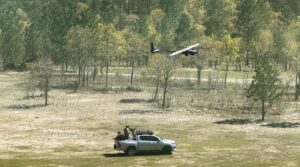
Payload capacity is central to the platform’s operational utility. Long range and endurance must be paired with the ability to transport the technologies required to collect information and provide situational awareness. Stalker combines a small logistical footprint with long range, long endurance, and the capacity to carry multiple diverse and exquisite payloads, providing multi-mission flexibility without requiring a larger UAS.
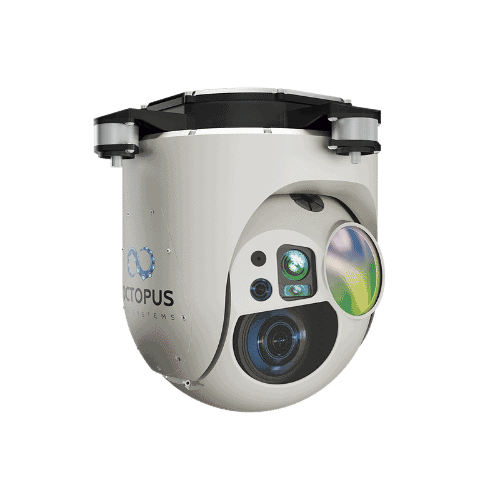
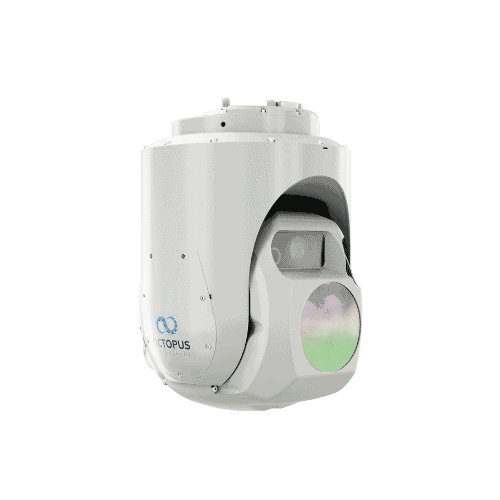
The platform has used a modular open systems approach (MOSA) since its initial design. Its payload-agnostic architecture has enabled Stalker to fly with more than 40 different sensors. These include Signals Intelligence (SIGINT), Electronic Warfare (EW), Electro-Optical Infrared (EOIR), and synthetic aperture radar (SAR) payloads.
Many payload integrations have also been completed without Original Equipment Manufacturer (OEM) support, enabling users to adapt the aircraft without requiring direct OEM involvement for every integration.
Stalker’s open architecture extends beyond its payload interfaces. Modularity also encompasses software integrations and communication networks. The aircraft can carry several meaningful payloads while transmitting across multiple networks, helping consolidate capabilities that could otherwise require separate systems and their associated logistical support.
This approach can reduce operator cognitive load and support faster decision-making during operations.
Navigation and Communications for Contested Environments
Stalker’s modular architecture is complemented by emerging capabilities including onboard navigation, advanced GPS/GNSS, anti-jam capability, visual-based navigation, and AI technology. Together, these technologies are intended to support operations in austere and contested environments.
The platform is designed to allow customers to adapt its configuration according to changing mission requirements, including integration work undertaken without continuous OEM oversight.
Operational support remains available where required. Redwire’s Flight Operations team provides worldwide operator training programs alongside a 24-hour hotline. Feedback gathered through this engagement also contributes to continuing platform development and helps identify changing operational requirements.
Recent conflicts, including the war against Ukraine, have highlighted the importance of UAS survivability within contested environments and the implications of Electronic Warfare (EW) for mission continuity.
To address navigation requirements under these conditions, Stalker incorporates a Positioning, Navigation, and Timing (PNT) fusion engine. This provides a flexible advanced navigation platform into which new technologies can be integrated as emerging EW threats require further adaptation.
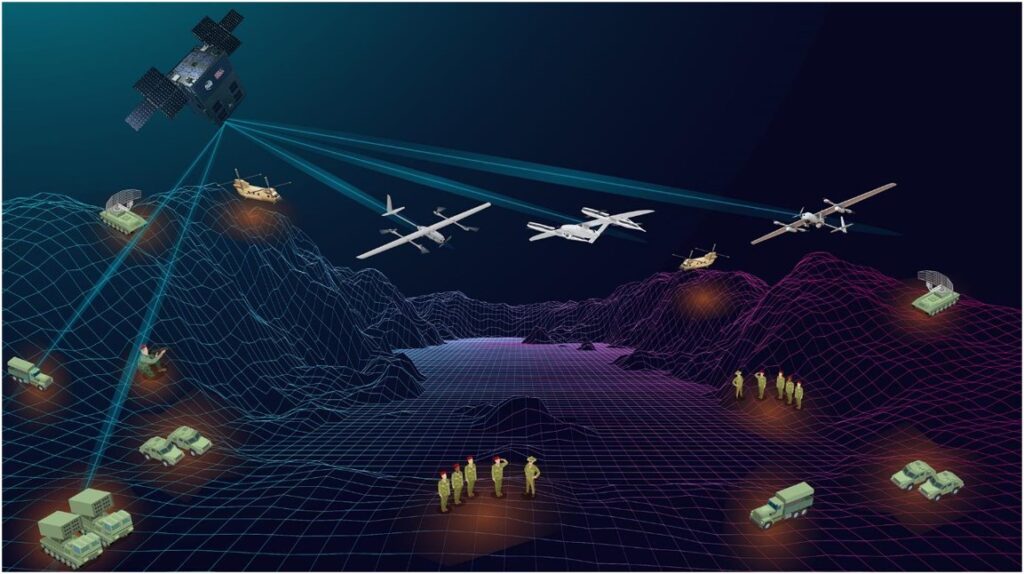
Satellite Communications (SATCOM) provide another element of the aircraft’s operational flexibility. These capabilities extend Stalker operations Beyond Line of Sight (BLOS), maintaining connectivity where terrain, operating distance, or other obstacles disrupt local communications.
Extended-range connectivity, combined with the aircraft’s payload and endurance characteristics, enables Stalker to undertake roles traditionally associated with larger UAS while maintaining a smaller logistical footprint and reducing exposure of high-cost assets.
Continuing the Stalker UAS Evolution
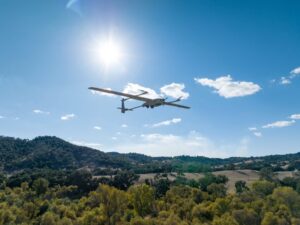
The Stalker designation has remained unchanged from Block 0 through the current Block 40 system, while the aircraft itself has undergone repeated development.
Across 20 years, Stalker has accumulated thousands of deployments on six continents. Changes to propulsion and endurance, payload integration, communications, navigation, and modular architecture have allowed the system to respond to evolving military requirements without abandoning its original emphasis on portability and rapid deployment.
Continued iteration is intended to maintain that adaptability as operating environments, EW threats, payload requirements, and military UAS mission sets continue to change.