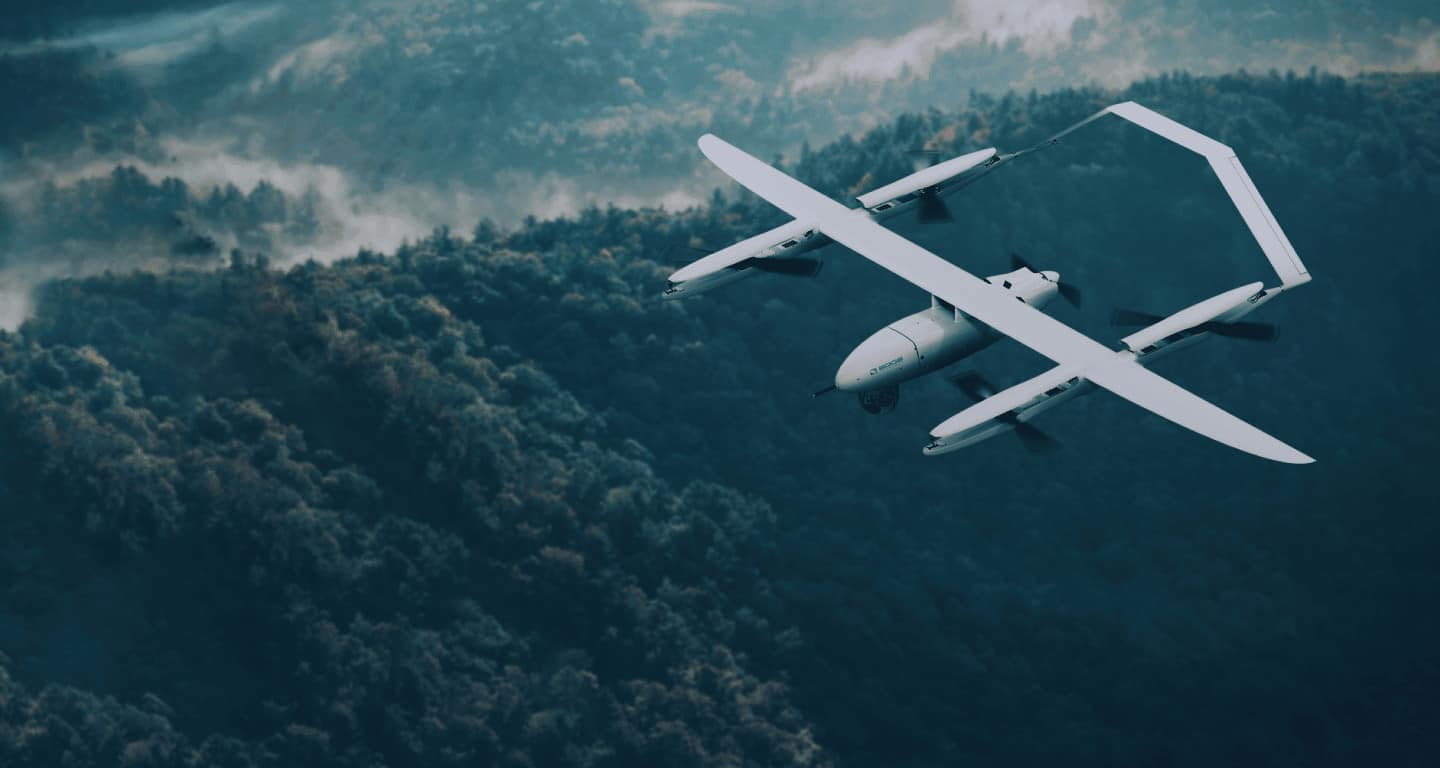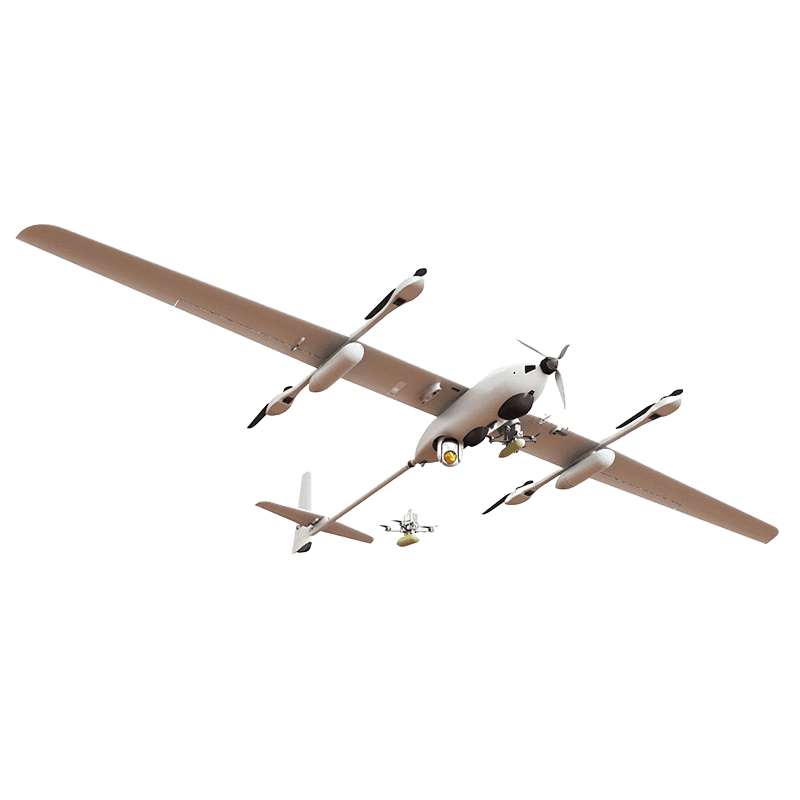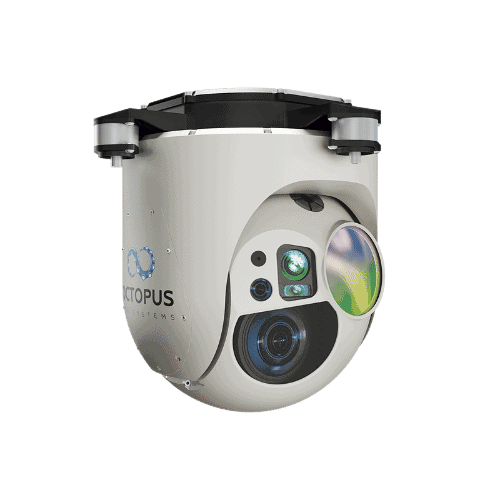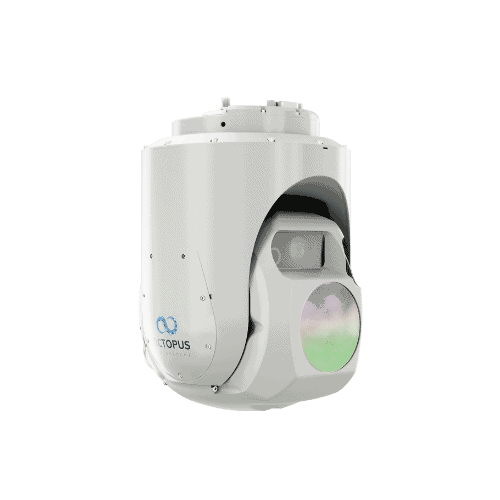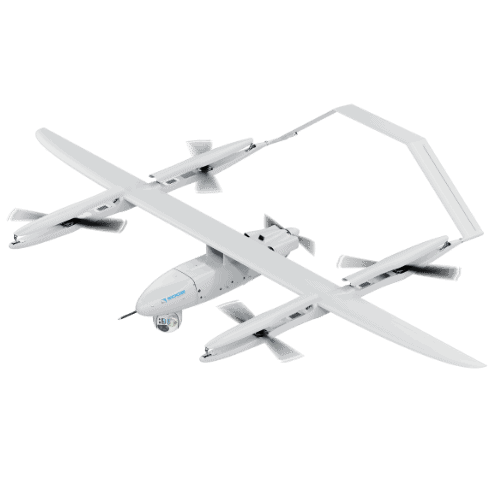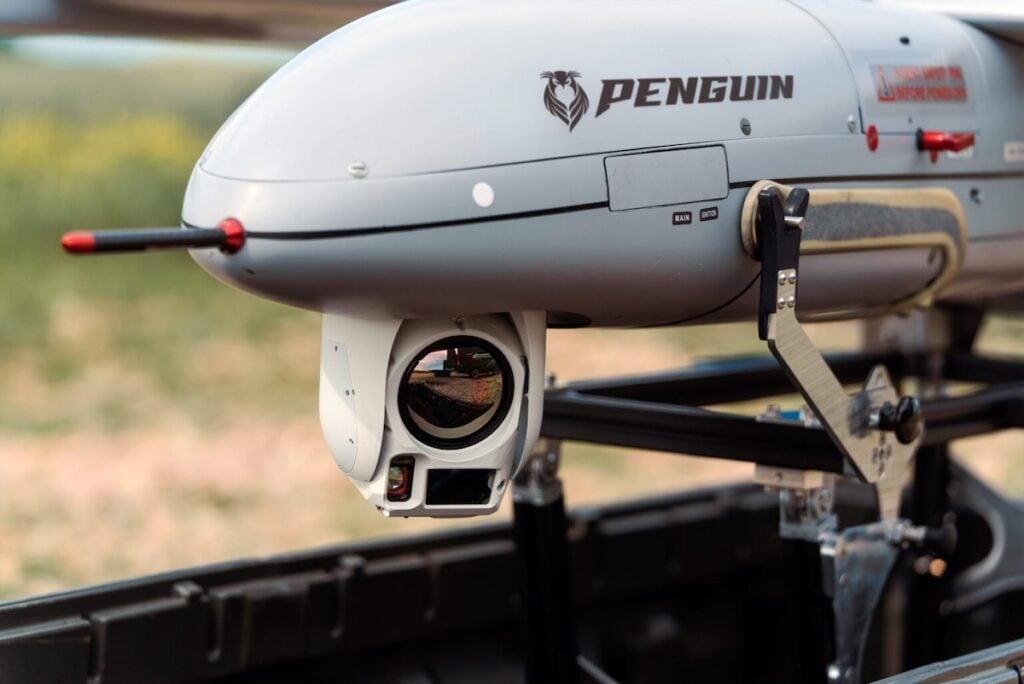


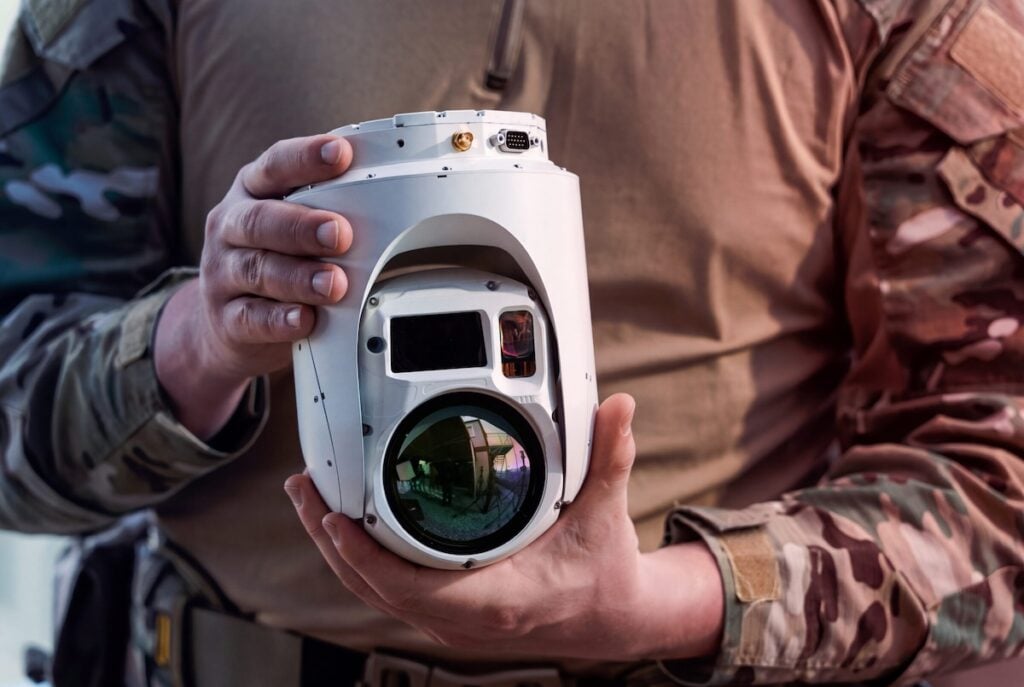
Redwire has introduced ShadowVision, a next-generation software platform designed to upgrade operator capabilities across its Octopus payload portfolio by unifying sensor data and mission controls into a single workspace.
Modern operational environments require generating increasing volumes of actionable data, where high-performance optical sensors alone cannot fulfill complex mission demands. In addition to monitoring camera imagery, operators must track live telemetry, mapping layers, target coordinates, geospatial data, and mission records while maintaining focus on core objectives. Managing these disparate data streams under high-pressure conditions creates significant cognitive load, making the payload software interface as critical to operational success as the physical sensor hardware.
ShadowVision addresses these challenges by consolidating key operational functions into a single interface to accelerate decision-making. The software delivers immediate access to live video feeds, telemetry, and direct sensor controls from one workspace. To help prevent screen clutter and reduce cognitive fatigue, operators can customize on-screen information overlays to display only the parameters needed for a given scenario.
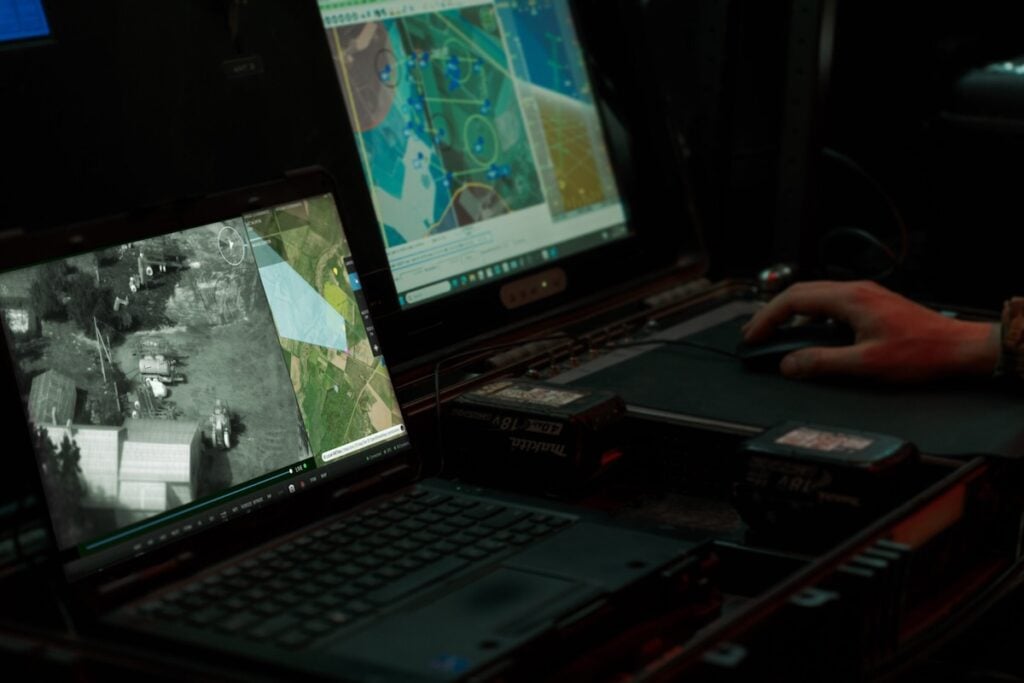
To assist with dynamic tracking, the platform features automatic tracking tools alongside a Quick Control/Virtual Pan-Tilt-Zoom joystick that allows operators to follow targets smoothly through rapid camera movements. Navigation capabilities include offline map support, payload and target coordinates, sensor field-of-view visualization, custom points of interest, grid overlays, cursor coordinates, and satellite and topographic layers to ensure continuous awareness of aircraft positioning. Operators can also switch between EO and IR sensors to maintain visual clarity through shifting lighting and weather conditions, backed by real-time warning and error notifications to resolve issues quickly.
Beyond real-time mission execution, the platform provides local onboard file management and recording replay directly on the payload, preserving mission data for incident reviews, debriefings, intelligence analysis, and operator training. The release also lays the architectural groundwork for a new generation of AI-enabled advanced tracking and automation capabilities, designed to streamline workflows, improve coordination, and reduce operator workload during increasingly demanding missions.