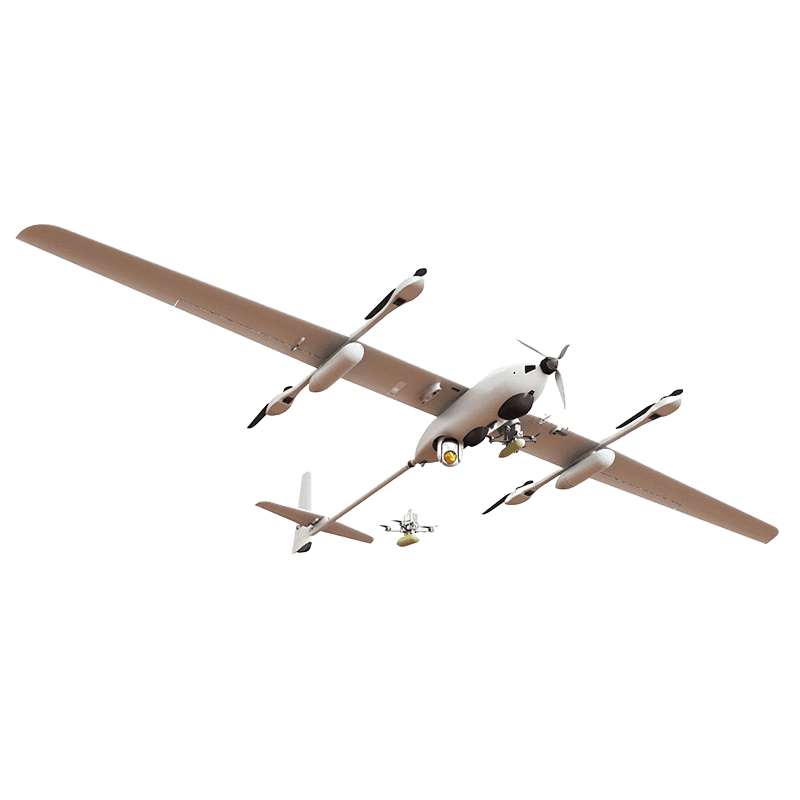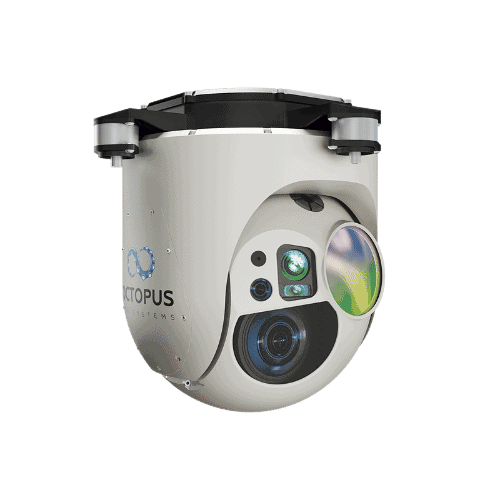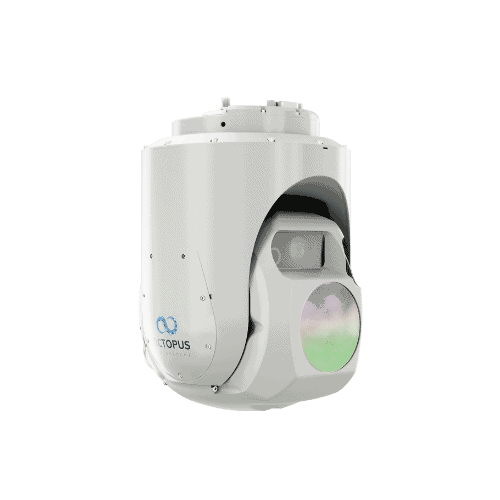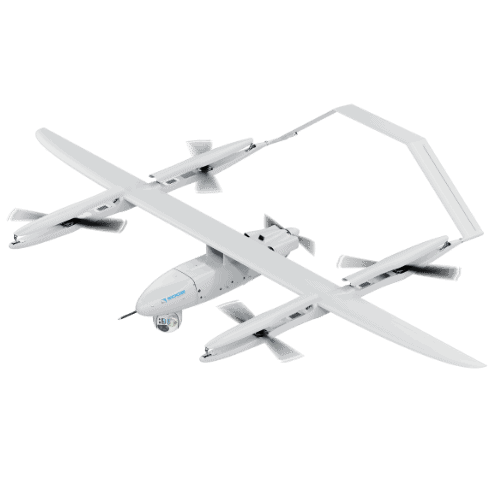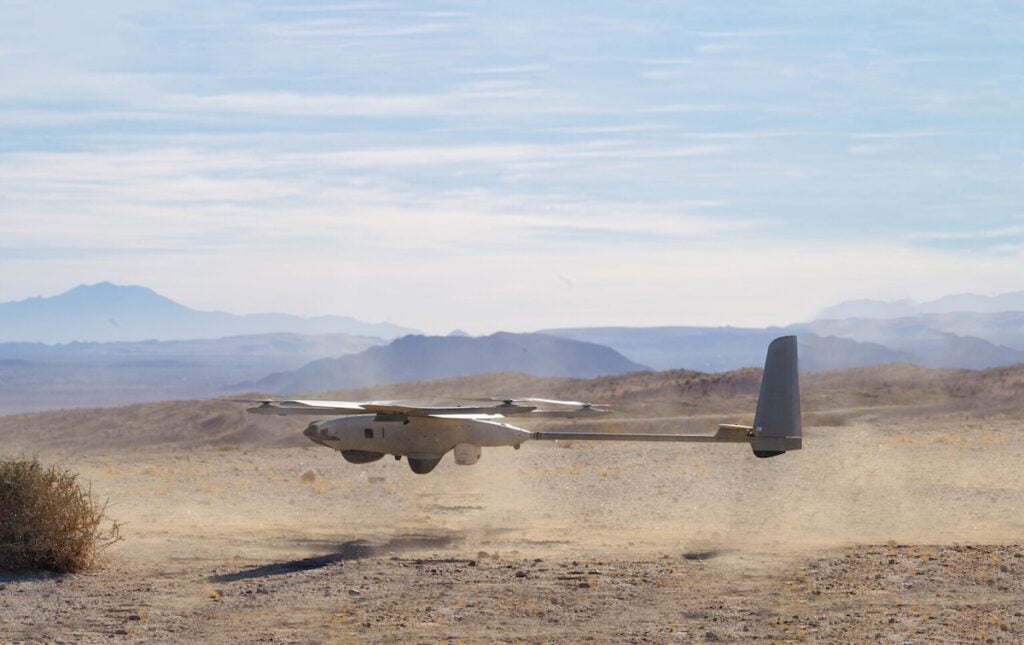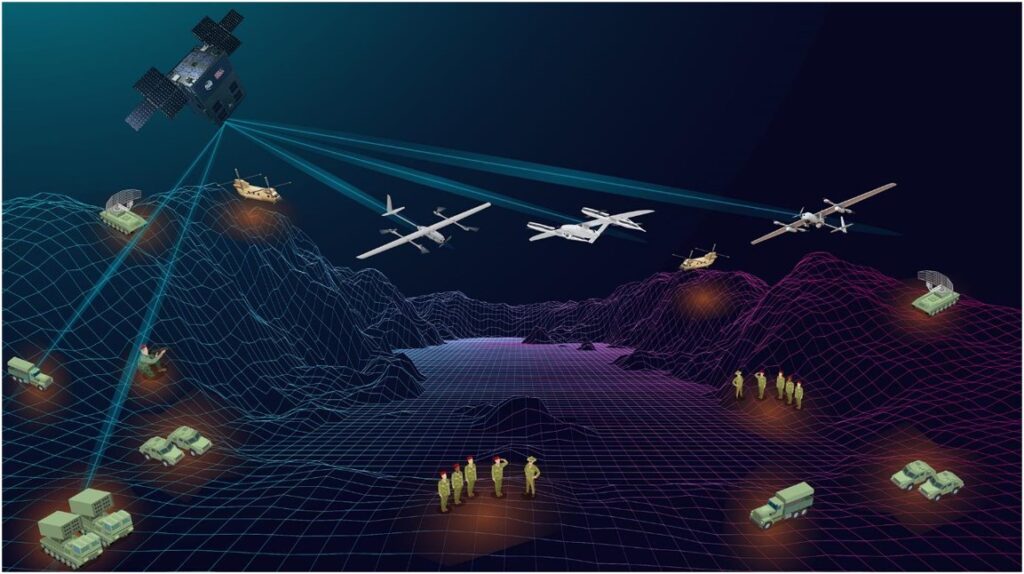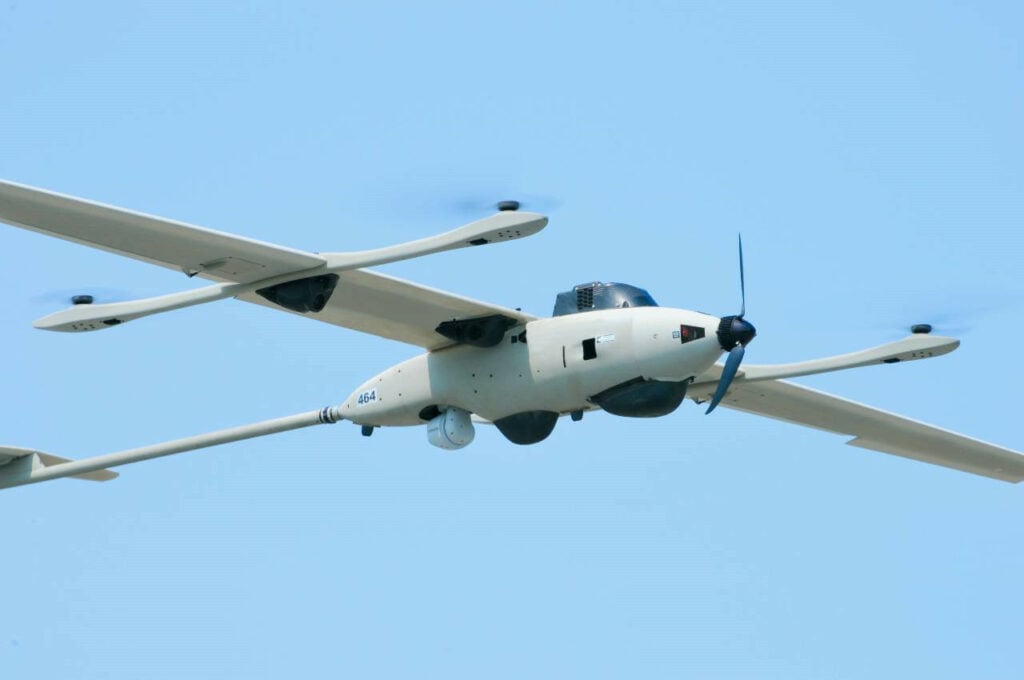



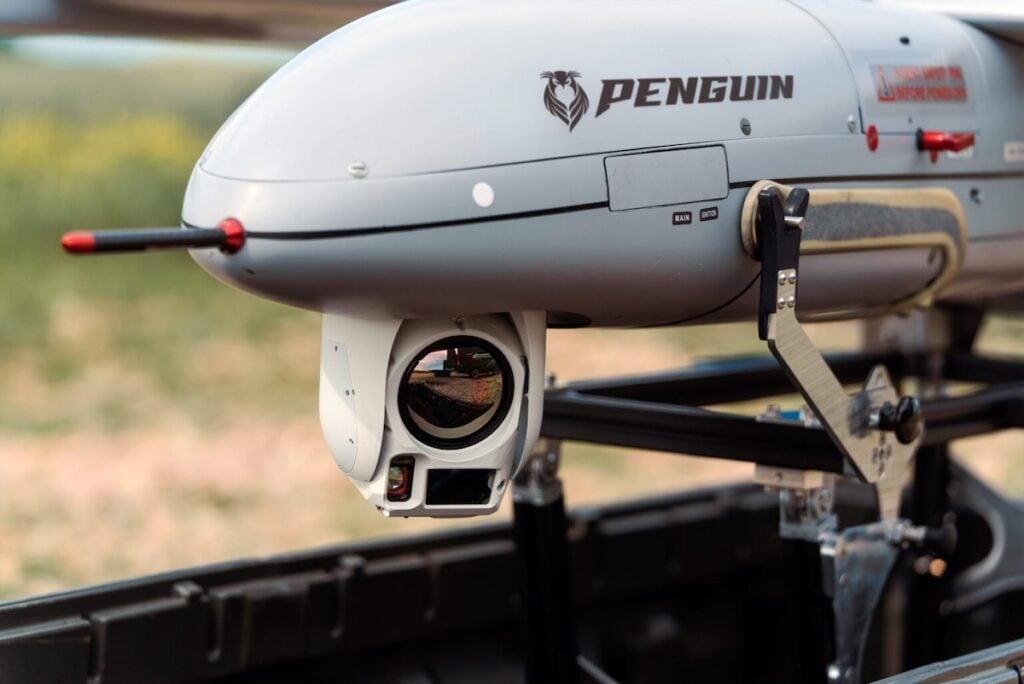
Redwire has introduced the Octopus 140 LWIR, a gyro-stabilized imaging payload engineered to provide uncrewed aircraft systems with continuous long-range intelligence, surveillance, and reconnaissance capabilities.
In tactical reconnaissance, border security, and force-protection operations, aerial sensor operators frequently encounter trade-offs between stabilization performance, thermal resolution, and payload mass. Conventional long-wave infrared sensors often introduce significant platform burden, which directly curtails aircraft flight endurance. Concurrently, insufficient stabilization during dynamic flight maneuvers or atmospheric turbulence can compromise video feeds and blur critical details, while imprecise ranging complicates geolocation and hinders rapid classification in degraded visibility.
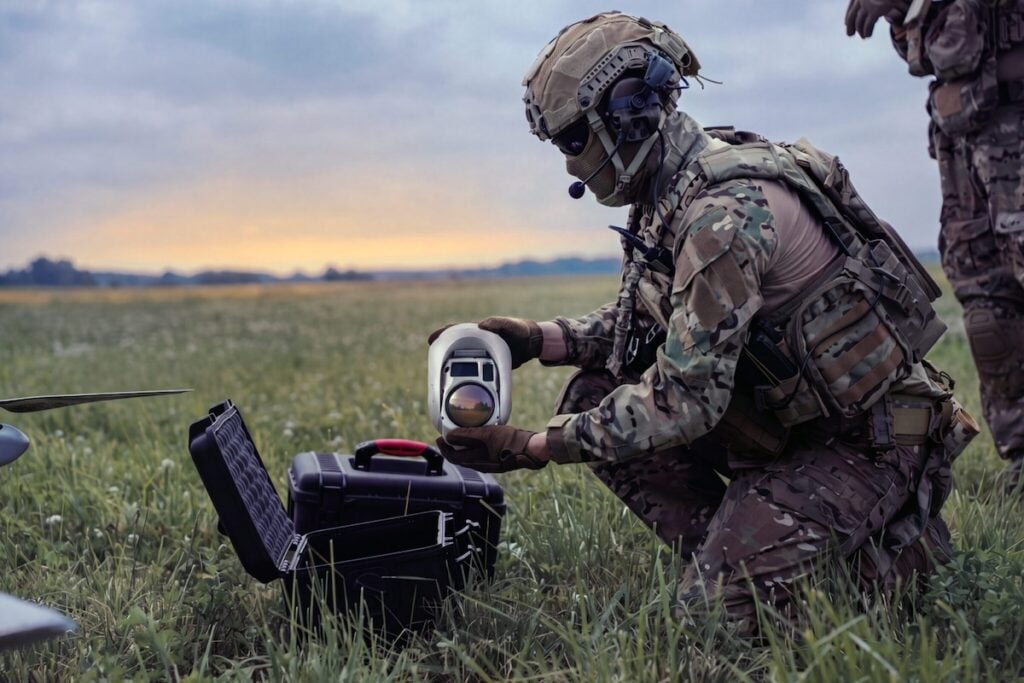
To address these operational hurdles, the Octopus 140 LWIR combines Full High Definition electro-optical and long-wave infrared sensors into a compact, size, weight, and power-efficient architecture. The gyro-stabilized gimbal delivers consistent target tracking and steady imagery throughout demanding flight profiles. An integrated laser rangefinder accurately measures distances to NATO-standard targets at ranges up to four kilometers, enabling operators to maintain standoff distance while establishing precise geographic coordinates.
The system also incorporates onboard processing to manage automated object tracking and moving-target indication, designed to alleviate operator workload and accelerate decision-making cycles during time-sensitive missions. Configured for uncrewed aviation units, border enforcement teams, perimeter defense, and search and rescue personnel, the payload architecture relies on critical components that are compliant with the National Defense Authorization Act and free from International Traffic in Arms Regulations restrictions.