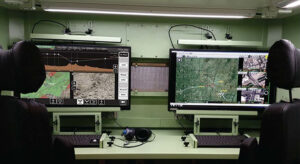
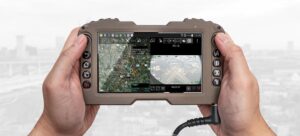
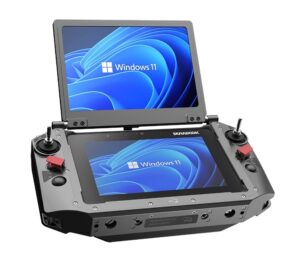
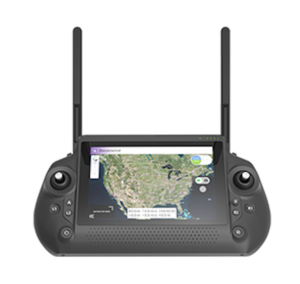
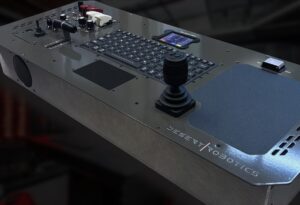
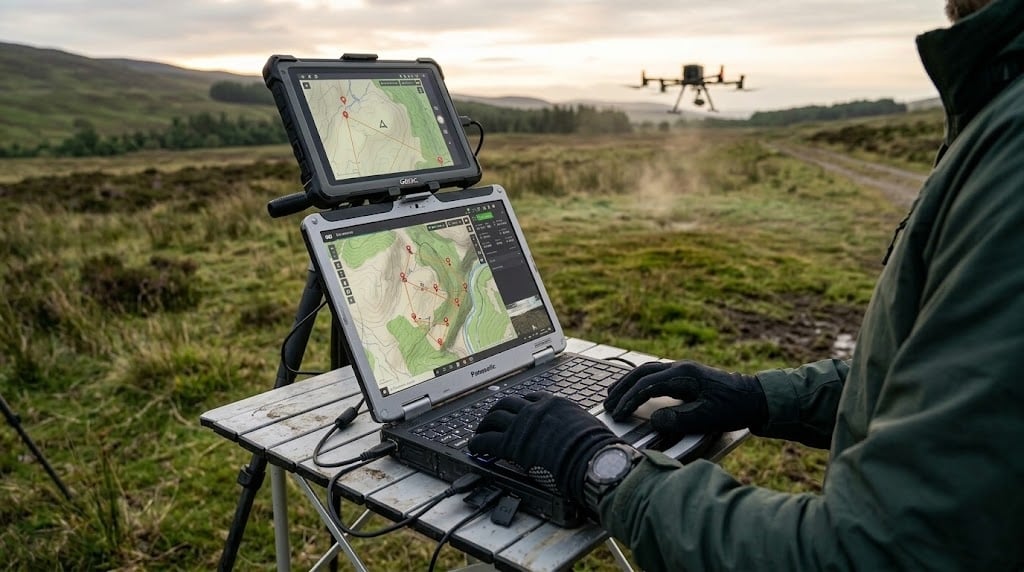
Ground control stations (GCS) enable seamless command and control for UAVs in diverse applications. From beyond visual line of sight (BVLOS) missions to precise navigation in line-of-sight scenarios, these systems offer operators the tools to manage UAV flight, payload, and data in real time. Featuring integrated software, telemetry systems, and advanced communication links, GCS solutions are essential for ensuring situational awareness and mission success in both commercial and military domains.
If you design, build or supply Ground Control Stations (GCS), create a profile to showcase your capabilities and connect with visitors who have an active requirement for your solutions.
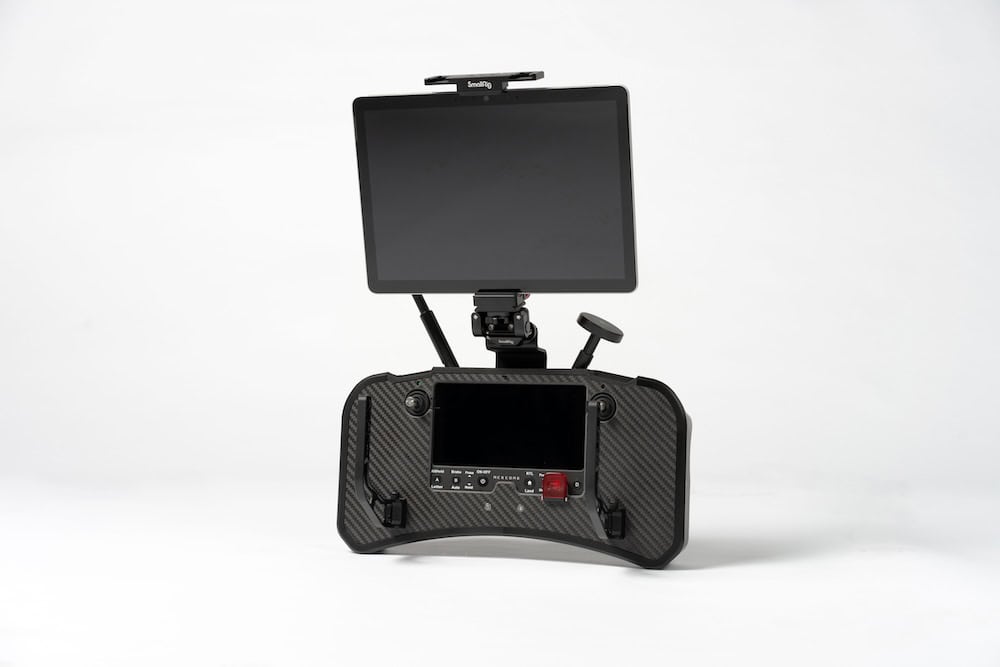
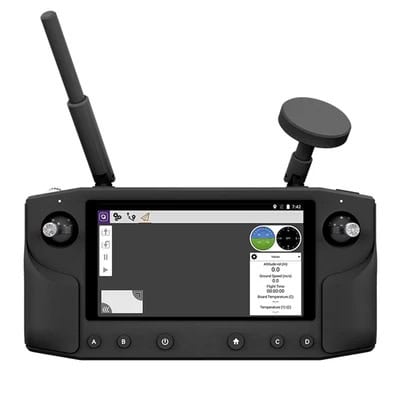
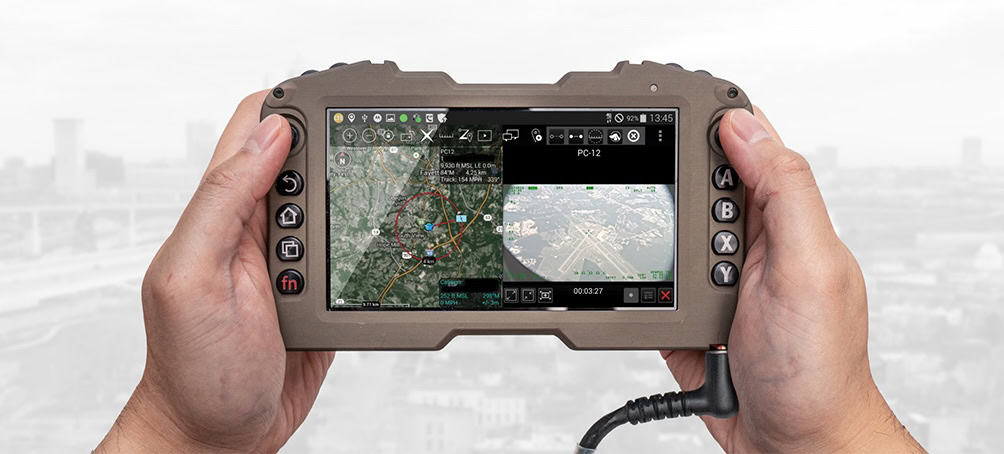
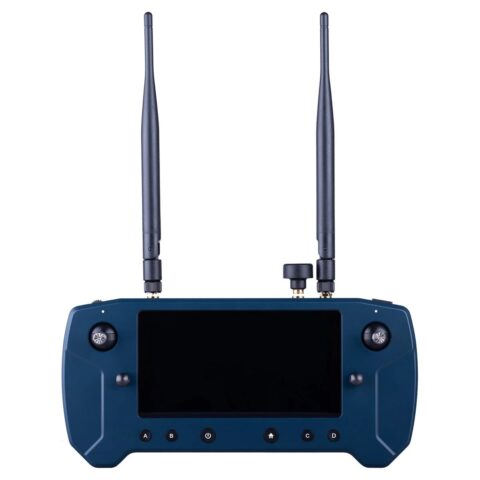
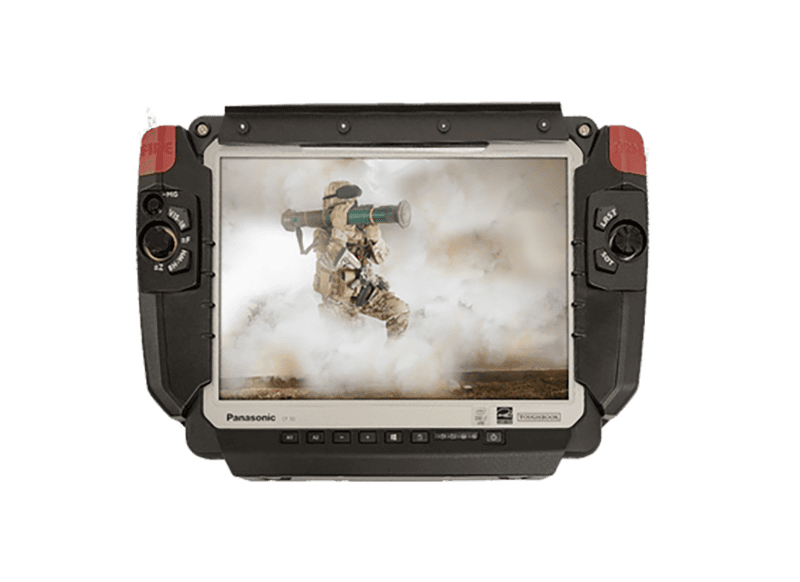
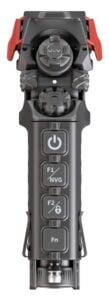
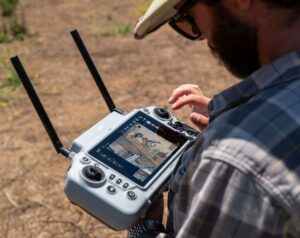
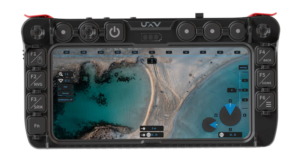
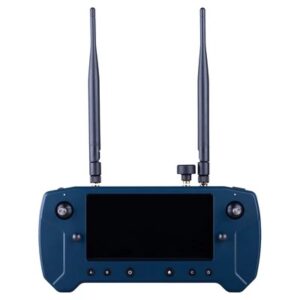
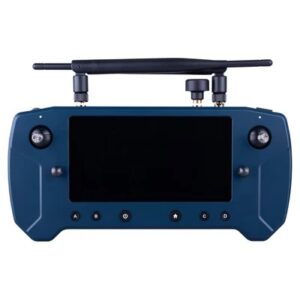
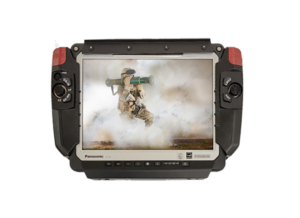
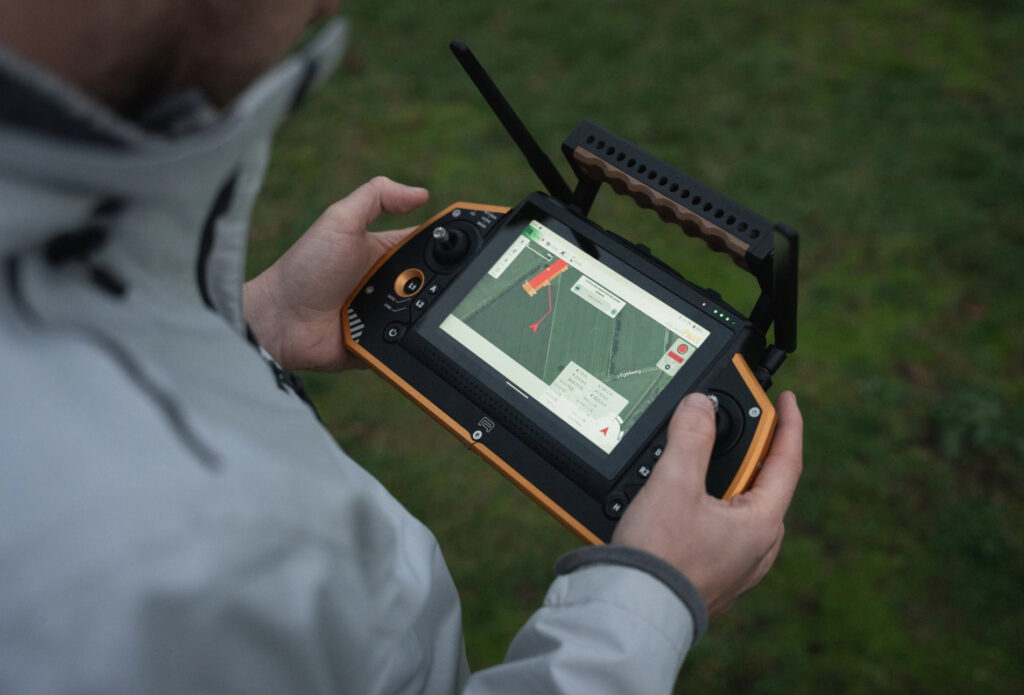
Tactical handheld GCS for unmanned systems & defense robotics
Tactical handheld GCS for unmanned systems & defense robotics
...ip is a rugged groundcontrolstation(GCS) designed for defense robotics and unmanned systems... ...radio-agnostic GCS ensures seamless connectivity across multiple communication platforms, providing...
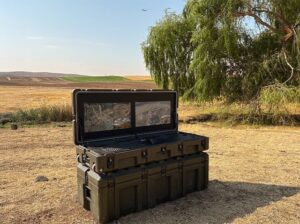
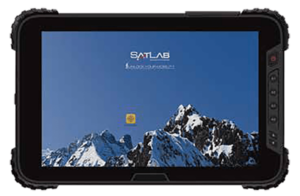
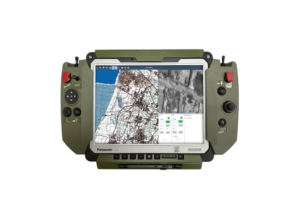
Portable two-person UAV command-and-control system
Portable two-person UAV command-and-control system
The DELİCAN GroundControlStation is a portable and intuitive command-and-control system developed... ...portation, the GCS can operate from internal or external power and provides up to three hours of...
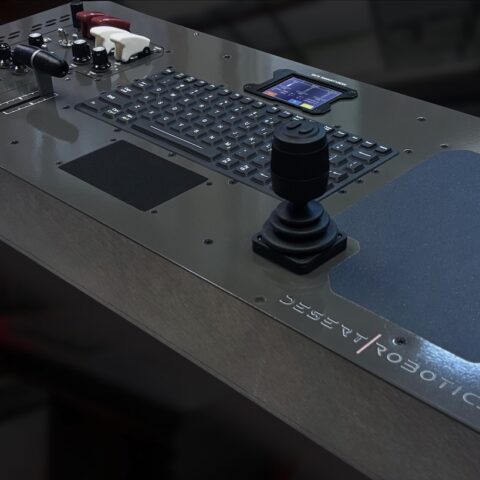
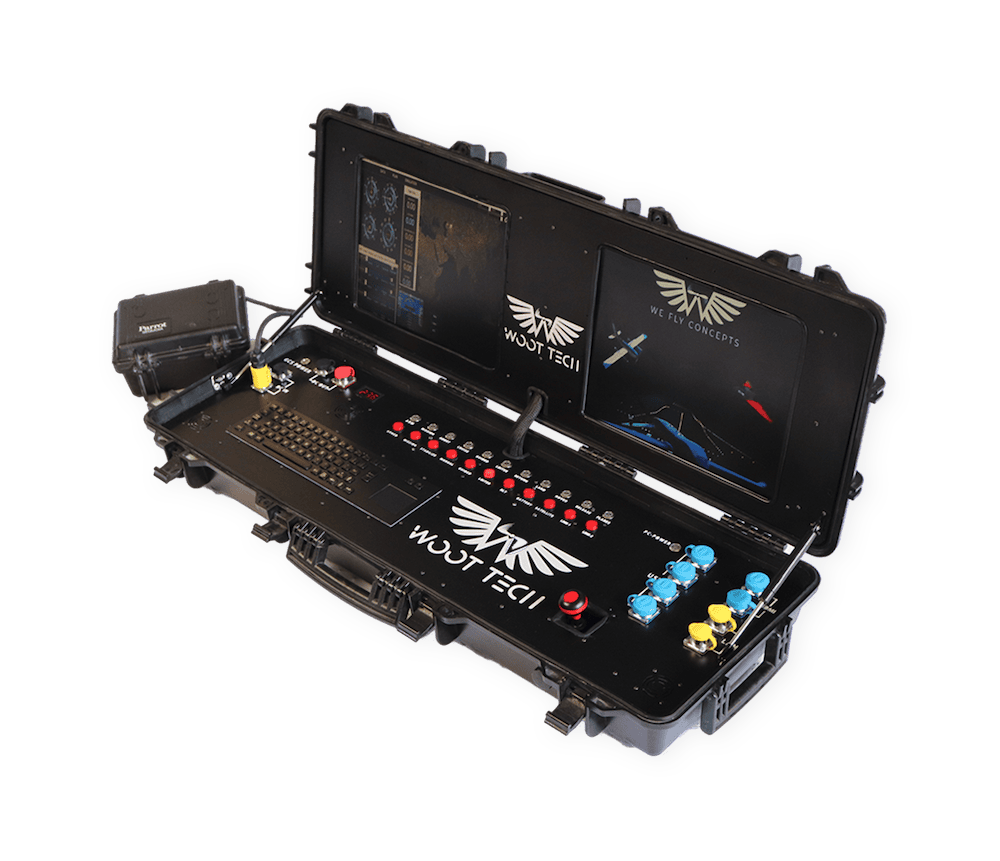
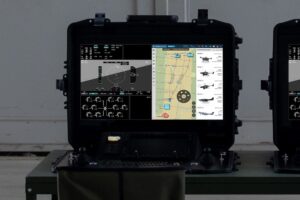
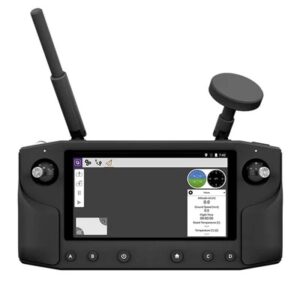
Dual-screen ground control station for mission-critical UAS operations
Dual-screen ground control station for mission-critical UAS operations
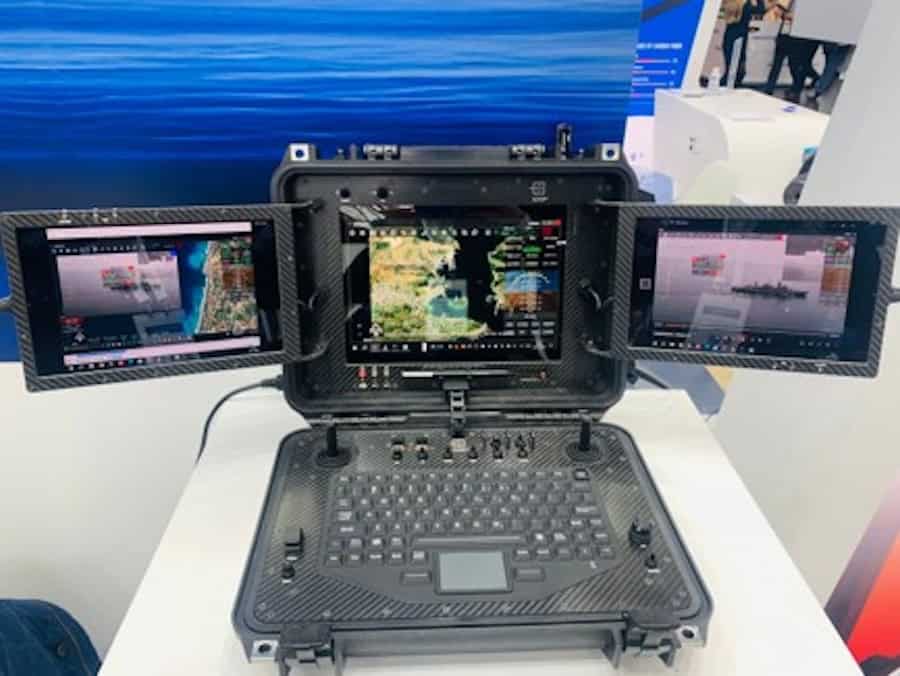
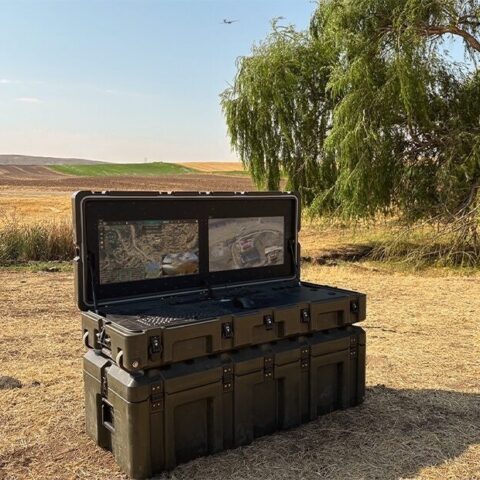
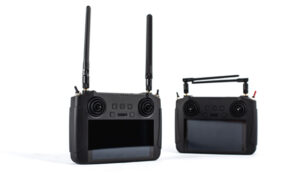
...on dual-screen GroundControlStation(GCS) designed for operators who require dependable control,... ... switches, and control layouts to meet specific workflow preferences. The dual-screen configuration...
Scalable unified command and control software for UAS
Scalable unified command and control software for UAS
...#8217; Unified GroundControlStation(UGCS) software provides a versatile and consistent UAS... ...ce between the groundstation and the UAV, and is available in two variants – UGCS-C for...
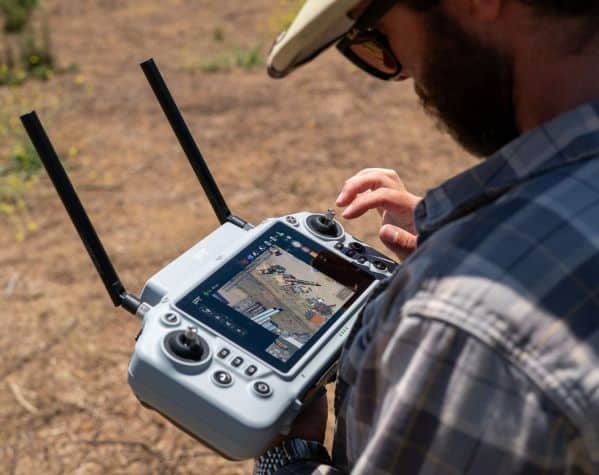
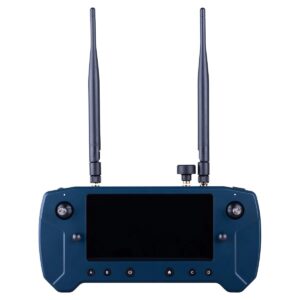
Rugged handheld ground control station for secure, long-range UAS operations
Rugged handheld ground control station for secure, long-range UAS operations
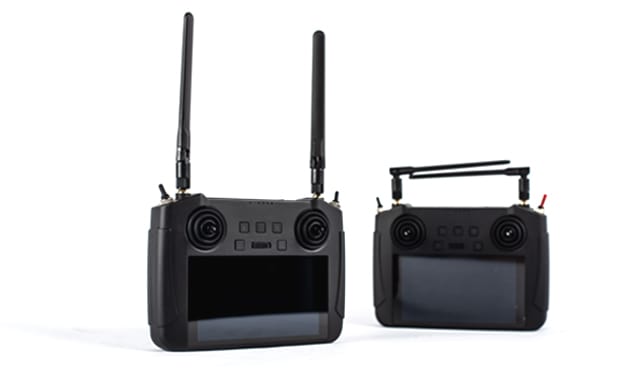
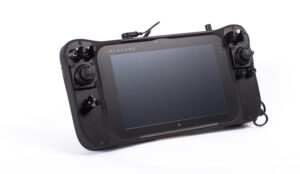
...liant handheld groundcontrolstation built for seamless deployment with the IF800 Tomcat and IF1200... ... both Inspired GroundControl and third-party applications. Hot-swappable, tool-less battery packs...
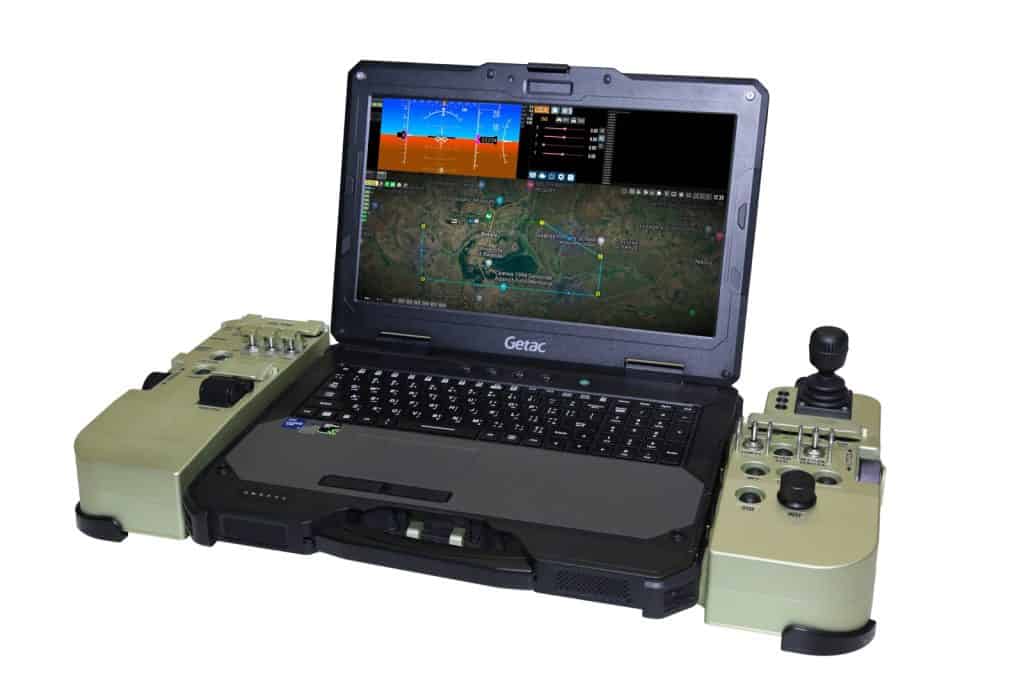
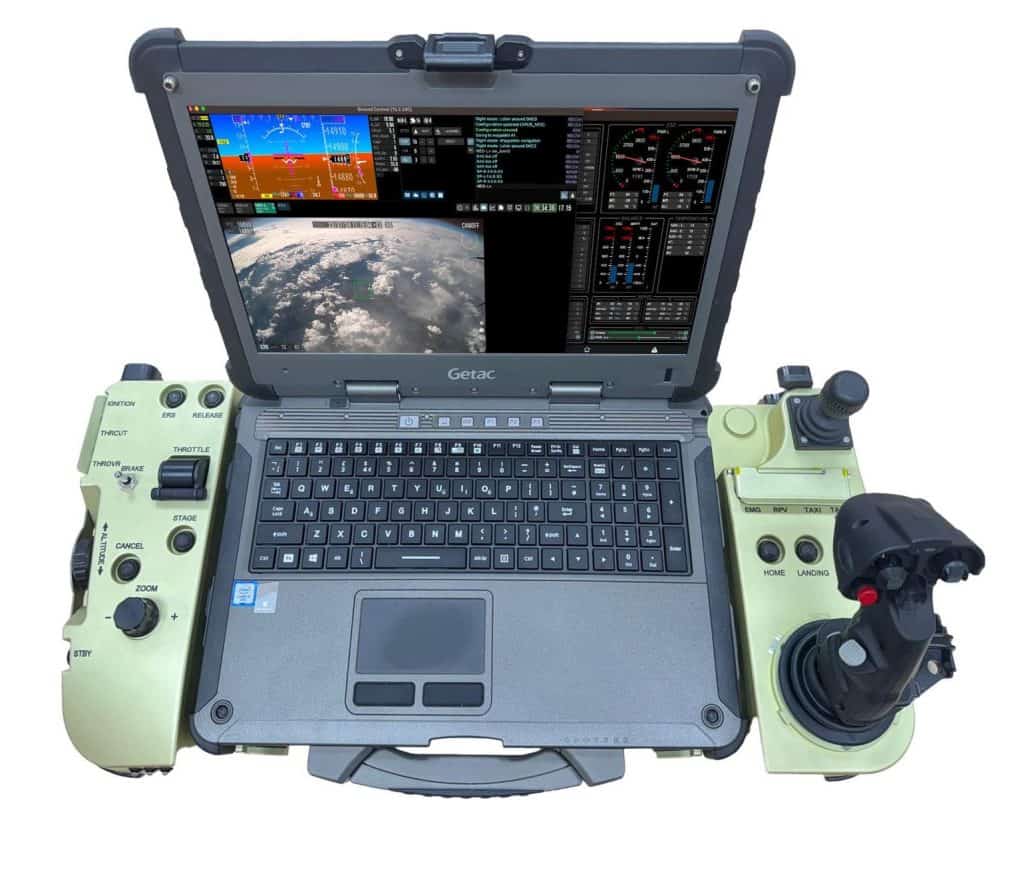
This groundcontrolstation supports all UAVOS platforms and groundcontrol software and is... The PGCS.4groundcontrolstation has a new generation powerful Getac X600 PC, an external redundant...
Rugged, compact GCS solution designed to support UAS operations in the most demanding environments
Rugged, compact GCS solution designed to support UAS operations in the most demanding environments
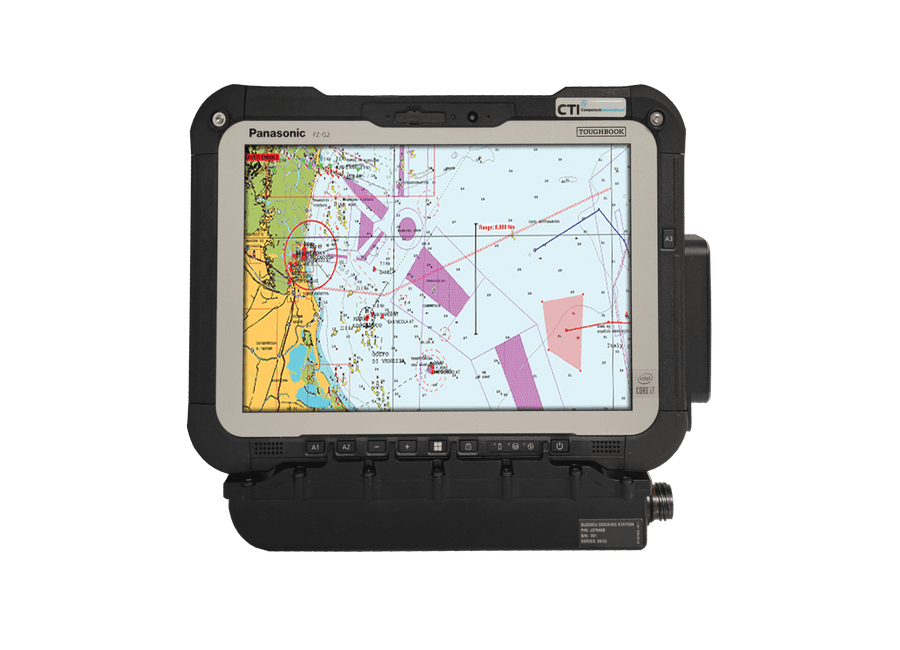
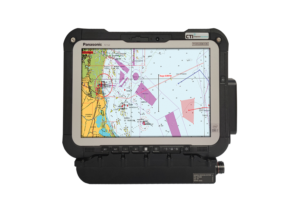
...GCS.7 Portable GroundControlStation delivers unmatched reliability, adaptability, and control,... The PGCU.3 groundcontrol unit is based around a rugged docking station for a military-grade Getac...
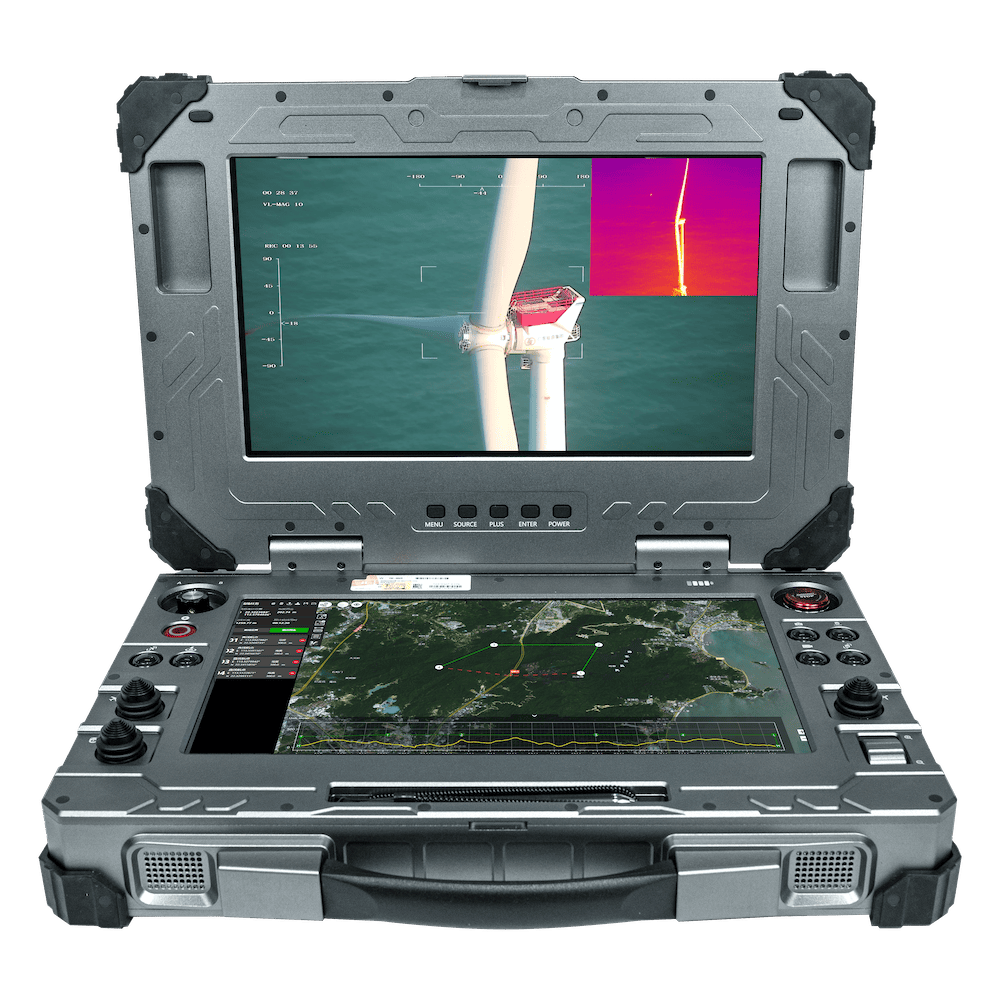
The PGCS is a fully customizable groundcontrolstation(GCS) designed to meet the unique demands of... ...S is ideal for UAV operators, military and defense missions, and unmanned vehicle deployments...
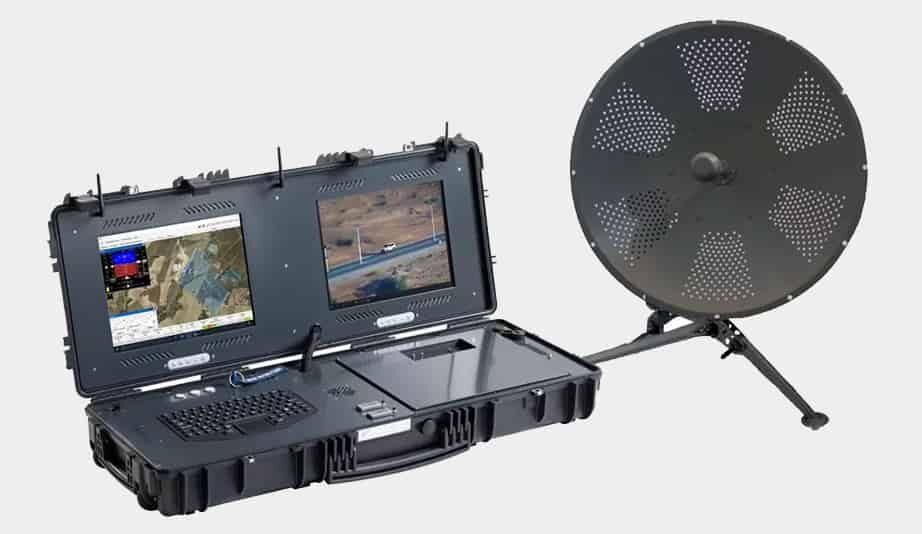
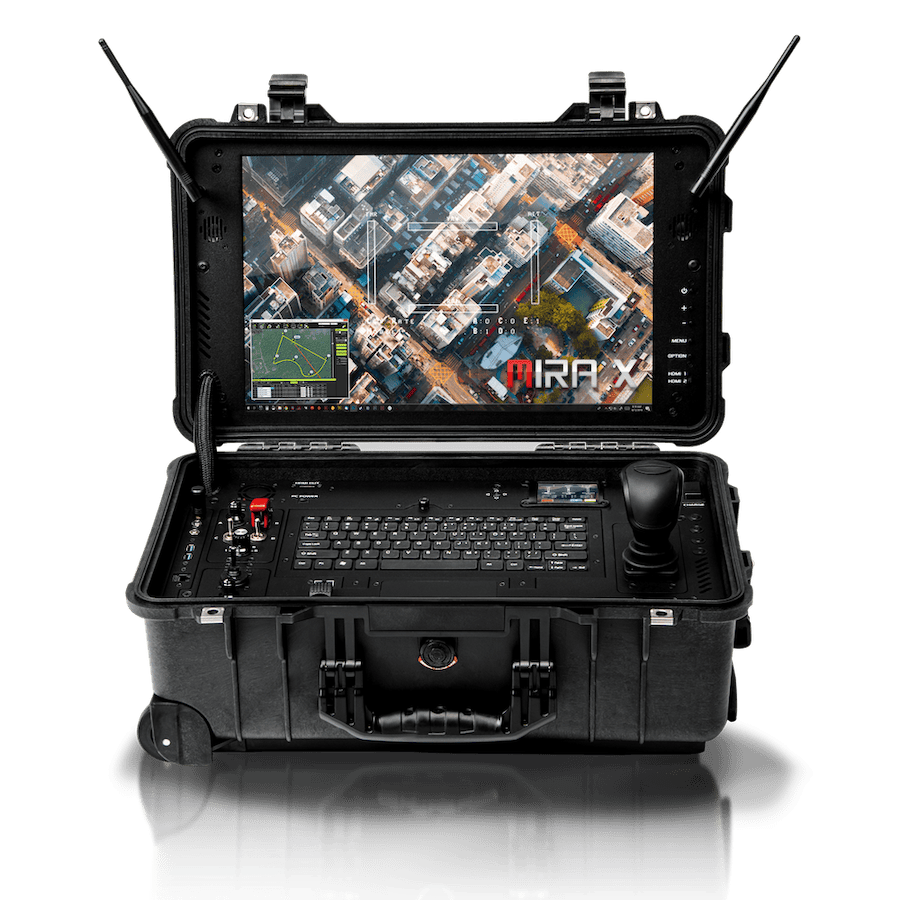
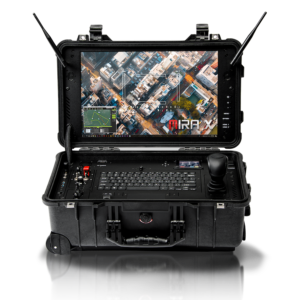
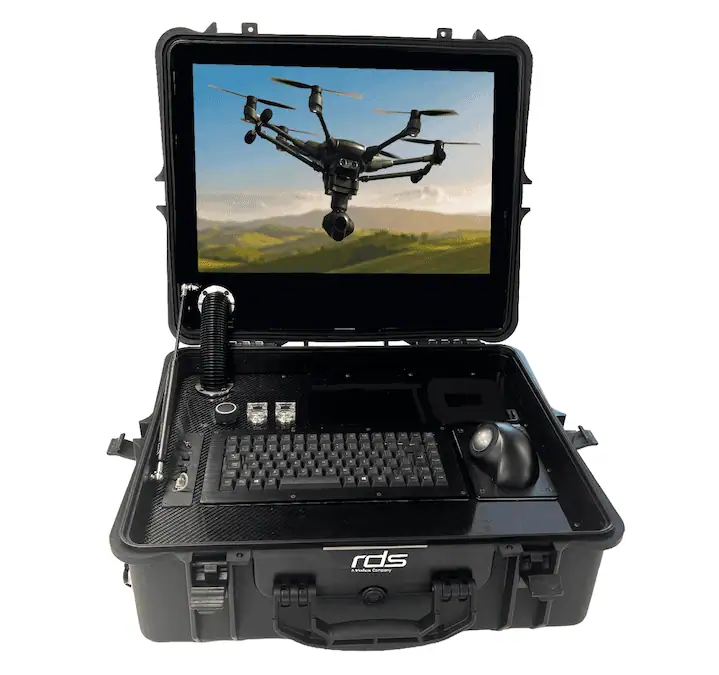
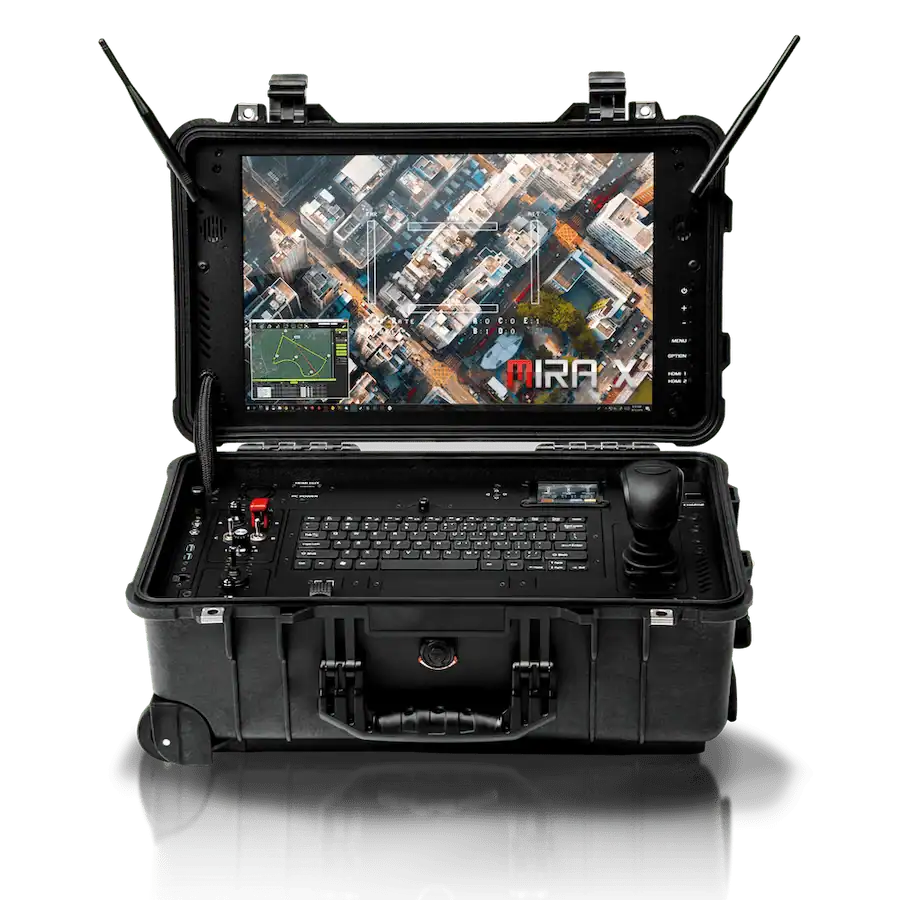
...table unmanned GCS in a rugged Pelican case, featuring a full-color, sunlight viewable 19″ HD... ...form for rapid GCS deployment in remote and demanding environments, with heavy-duty legs and a...
Specification Comparison: Ground Control Stations (GCS)
Compare selected ground control stations for UAVs and drones. This table brings together manufacturer-published specifications for handheld controllers and portable stations, highlighting differences in displays, computing, controls, connectivity, and ruggedization.
Specifications are manufacturer-reported and may vary by model or configuration.
2 sticks; scroll wheel; 6 bottom buttons; 1 top button
Micro-USB; microSD; Wi-Fi; Bluetooth
2.4 GHz
4,950 mAh; 5 V / 2 A charging
Notes: “Unknown” = not confirmed by the manufacturer information used. “Option” = optional configuration; features and figures may depend on configuration.
Ground Control Stations (GCS) for Drones and UAVs
Overview by
Caroline Rees
Updated:
What is a Ground Control Station?
A ground control station (GCS) is a centralized hub used to control and monitor unmanned aerial vehicles (UAVs) and drones. These systems are equipped with user interfaces, command and control (C2) modules, and telemetry data displays, enabling operators to guide aerial vehicles remotely. Whether used for commercial drone operations or defense applications, GCSs play a critical role in facilitating safe and efficient UAV flights. Modern GCS solutions incorporate real-time video feed monitoring, GPS integration, mission planning software, and rugged embedded computers to ensure precise navigation, data processing, and payload control. They are designed to handle both line-of-sight (LOS) and BVLOS operations, offering operators robust situational awareness in dynamic environments.
Key Features of Ground Control Stations
Ground control stations come equipped with advanced technologies to support UAV flight operations, including:
Command and Control (C2): Enables seamless communication between the UAV and the GCS, ensuring reliable flight operations and payload management.
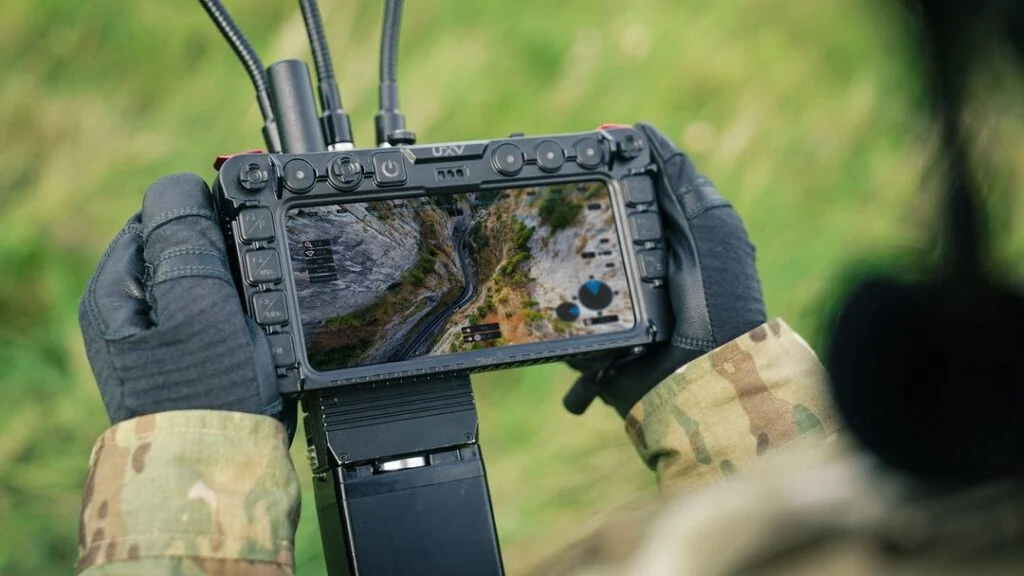
Micronav Ground Control Station by UXV Technologies
Telemetry data integration: Displays real-time data such as altitude, speed, and positional information for situational awareness.
Navigation systems: Provides operators with precise guidance tools for both manual and autonomous flight control.
Payload control: Allows manipulation of onboard equipment, such as cameras, sensors, or other mission-specific tools.
Redundancy systems: Ensures operational reliability by incorporating backup communication links and systems.
Types of Ground Control Stations
GCSs vary widely in design and functionality to meet the demands of specific UAV operations:
Portable Ground Control Stations
Portable Ground Control Stations are compact, lightweight systems ideal for field operations requiring mobility. They are commonly used in applications such as surveying, mapping, and emergency response.
Ground Control Stations
Ground Control Stations are permanent installations equipped with advanced C2 systems and robust infrastructure for large-scale operations. They are often used in military and industrial contexts.
Mobile Ground Control Stations
Mobile Ground Control Stations are vehicle-mounted solutions designed for operations that require on-the-move UAV control.
Applications of Ground Control Stations
Ground control stations are essential across a wide range of industries and missions:
Defense and security: Used for surveillance, reconnaissance, and combat missions in military operations.
Agriculture: Assists in monitoring crops and managing large agricultural areas with precision.
Infrastructure inspection: Enables UAVs to inspect bridges, power lines, and pipelines in remote locations.
Search and rescue: Supports UAVs in locating and assisting individuals during emergencies.
GCS Software and Integration
Modern GCS software maximizes operational efficiency and data processing. Features like mission planning software, real-time control, and autonomous flight capabilities enhance the overall effectiveness of UAV operations. Ground control stations often integrate with GPS systems, data link technologies, and video feed monitoring platforms to deliver comprehensive situational awareness.
For BVLOS operations, advanced communication systems and data encryption ensure secure and uninterrupted command and control. Additionally, user-friendly control interfaces allow operators to easily manage UAV functions, even in complex scenarios.
Vision2 GCS by Vantage Robotics
Advantages of Ground Control Systems
Ground control stations offer several benefits that make them indispensable for UAV operations:
Enhanced situational awareness: Real-time telemetry and video feeds provide critical insights during flight.
Flexibility: Compatibility with various UAV models and payloads ensures adaptability across industries.
Safety and reliability: Redundancy systems and advanced navigation tools reduce operational risks.
Ground control stations are integral to the effective operation of UAVs and drones, serving as the command center for navigation, data processing, and payload management. With advancements in GCS software, telemetry systems, and C2 technologies, these systems continue to revolutionize how unmanned aerial vehicles are deployed across industries. Whether for commercial, industrial, or defense purposes, GCS solutions provide the tools necessary to achieve mission success with precision and reliability.
“Ground Control Stations (GCS) are critical components of any Unmanned System.” – UXV Technologies
Frequently Asked Questions
Can one ground control station work with drones from different manufacturers?
One ground control station can support multiple drone manufacturers, but compatibility depends on the flight software, communication protocols, and aircraft-specific integration. A shared protocol does not guarantee access to every flight mode, payload function, or safety setting. Check support for the exact autopilot and firmware version, including how physical controls map to aircraft commands.
Can existing ground control software run on a new GCS?
Existing ground control software can run on a new GCS if the hardware, operating system, drivers, and licensing requirements are compatible. The assessment should include touchscreen behavior, joystick support, video decoding, and connections to external radios. Software that runs on the computer may still need configuration or development work to use its physical controls correctly.
When are separate pilot and payload operator controls useful?
Separate controls are useful when flying the UAV and operating its payload create competing demands on one operator. Inspection and surveillance missions may benefit from a dedicated camera operator while the pilot manages the aircraft. The system needs clearly assigned permissions so payload commands, camera pointing, and flight controls do not conflict, especially where a payload can influence aircraft movement.
What should a GCS supplier provide to support integration with an existing UAV?
A GCS supplier should provide interface documentation covering electrical connections, communication protocols, software integration, and control inputs. Engineers also need to understand which aircraft functions are already supported and which require development. Example configurations, integration tools, and access to technical support help establish the work needed to connect the station to the intended UAV.
UXV Technologies' new tactical controller combines a Samsung S26 smartphone, swappable radio modules, Nett Warrior compatibility, and flexible power options for unmanned systems and defense robotics
Tilak.io develops mission-specific ground control software that adapts established UAS platforms, operator interfaces, workflows, and hardware for practical field operations
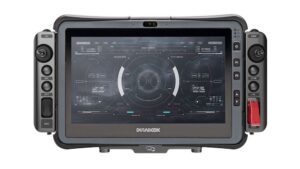
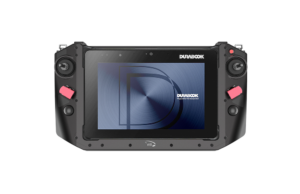
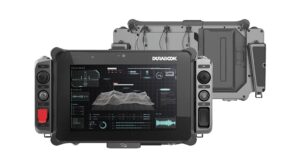
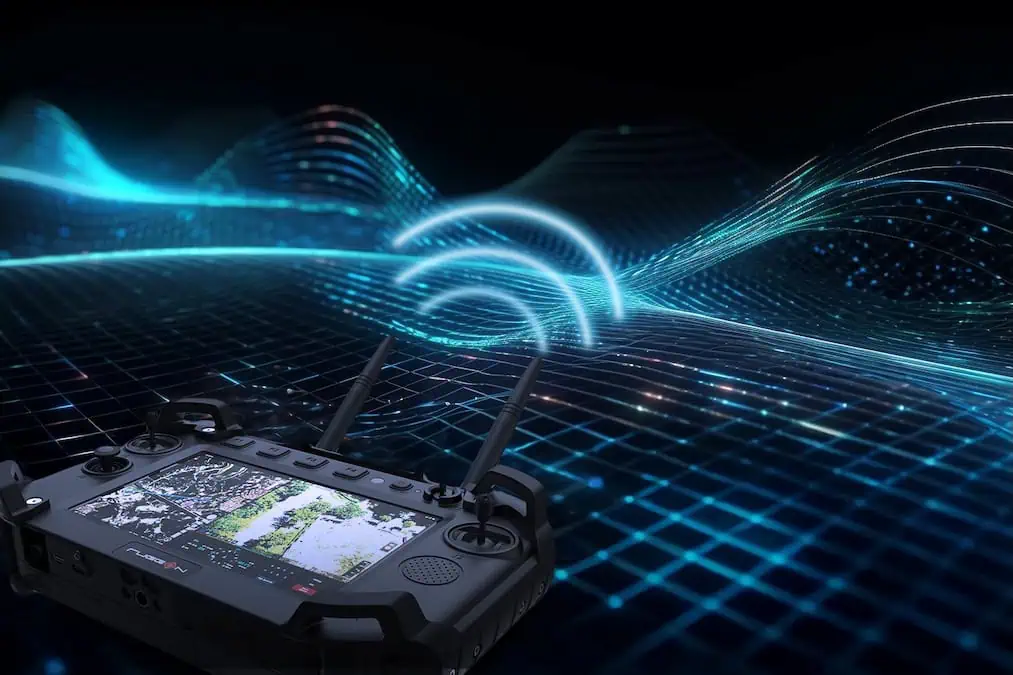
RuggON's Ground Control System Series combines rugged controllers and flight control technology to support professional unmanned systems across aerial, ground, and surface applications
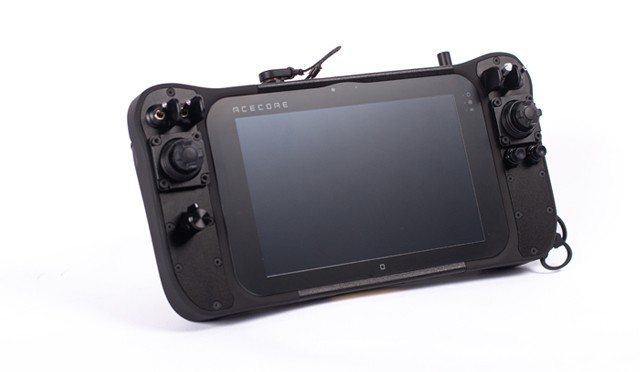
Acecore Technologies has expanded its UAV control solutions with the Signav Pro, offering improved usability, customizable workflows, and variants for commercial, government, and defense users
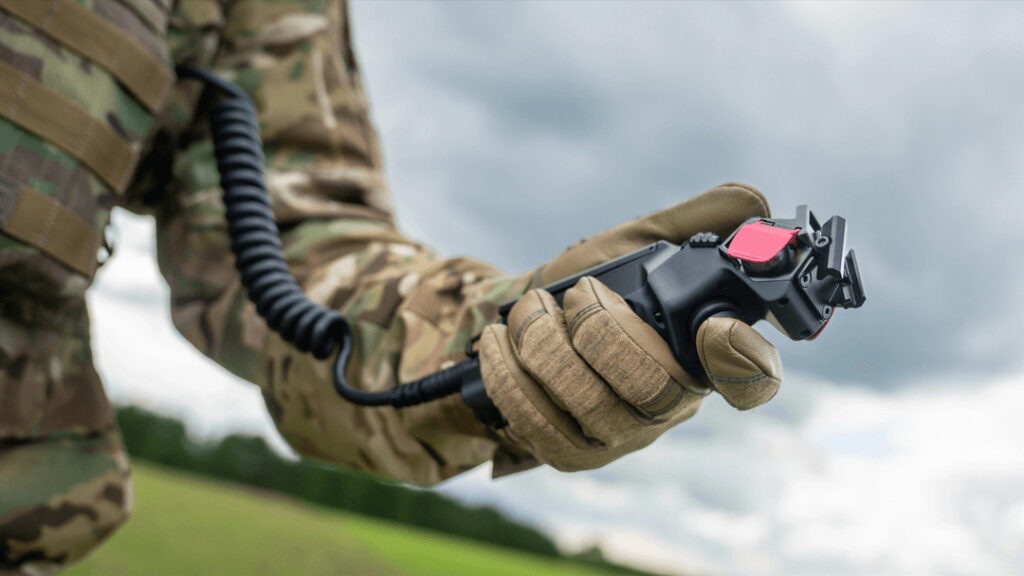
UXV Technologies’ new SRoC SingleGrip provides compact, one-handed control for unmanned and robotic systems, with modular integration, radio ecosystem support, and Picatinny rail mounting
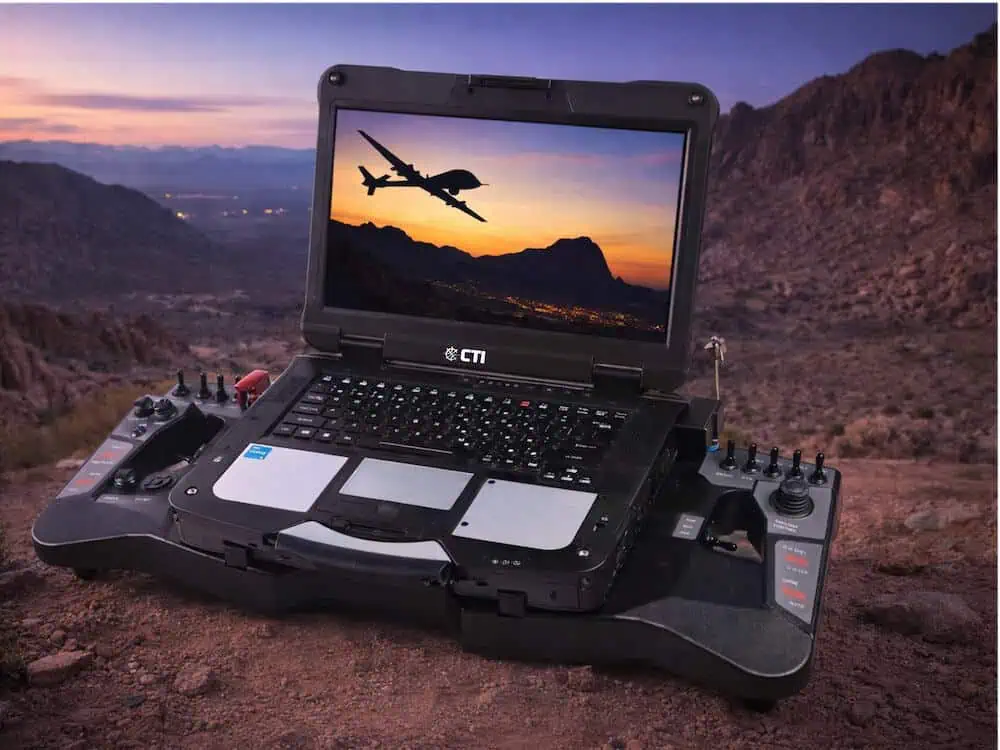
CTI-INTL Solutions will present its advanced Ground Control Systems (GCS) and mission computing technologies at the 2026 Loitering Munitions conference
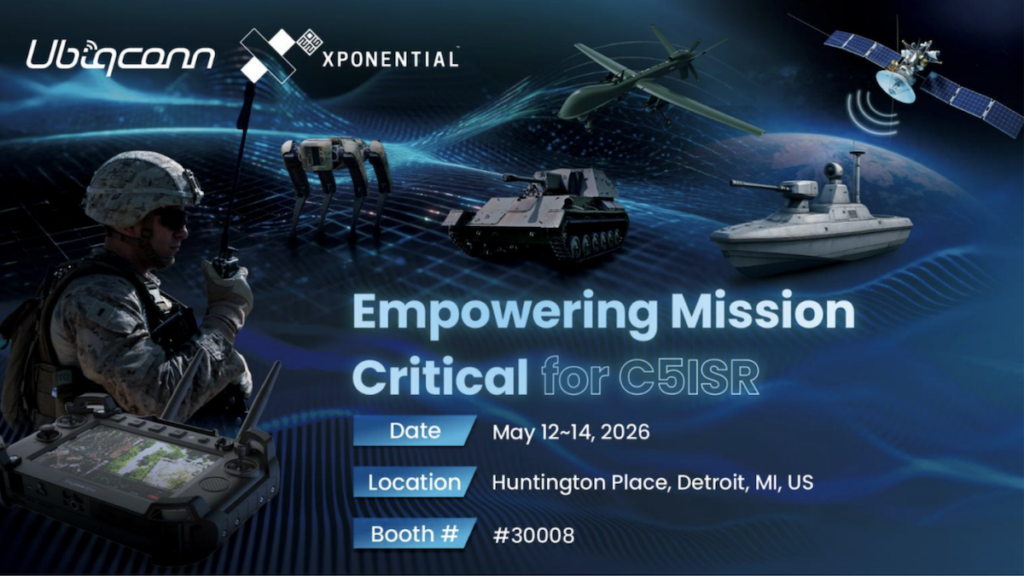
Ubiqconn and RuggON will showcase integrated ground control systems and edge AI capabilities designed to enhance mission-critical C5ISR operations across multi-domain unmanned platforms during XPONENTIAL 2026
Review Display Systems (RDS) details the development of a portable Ground Control Station for Uncrewed Surface Vehicles, integrating proprietary safety systems within a rugged all-in-one platform for reliable operation in marine and defense environments
Desert Rotor outlines 2026 plans to expand Ground Control capabilities and connectivity, including 5G-enabled handheld systems and interoperable platforms for unmanned systems operations as adoption accelerates
The latest unmanned systems news, straight to your inbox.
Get our weekly roundup of technology developments, new products and industry news.
THANK YOU FOR SIGNING UP
Thanks for joining us. Check your inbox.
We've sent you an email. Click the confirmation link to complete your subscription to the weekly eBrief. In the meantime, explore the latest news, suppliers and technologies on UST.
Advancing Unmanned Systems Through Strategic Collaboration
UST works with major OEMs to foster collaboration and increase engagement with SMEs, to accelerate innovation and drive unmanned systems capabilities forward.