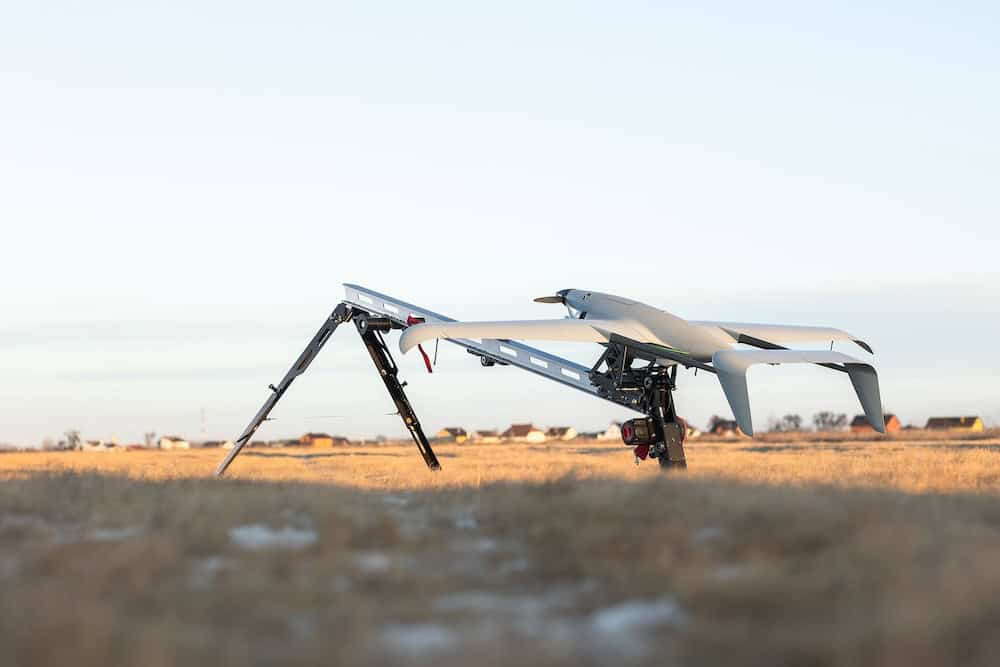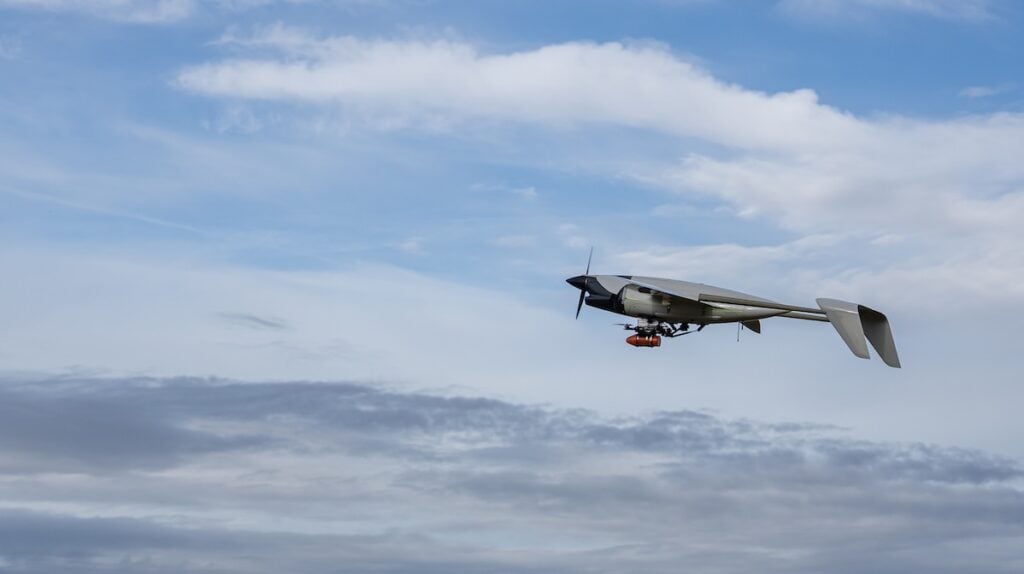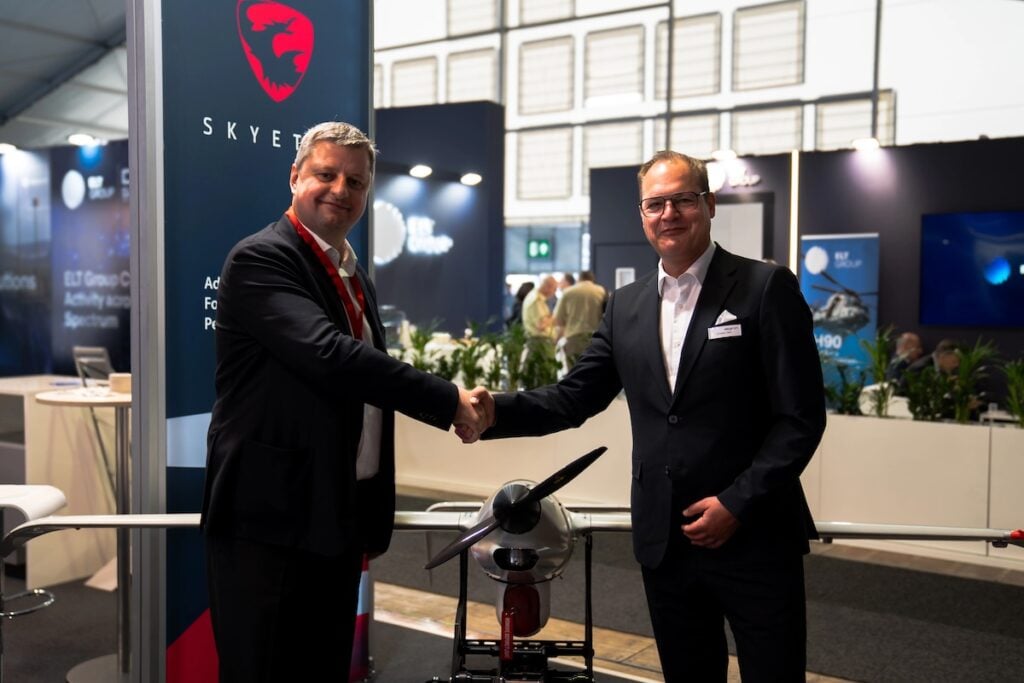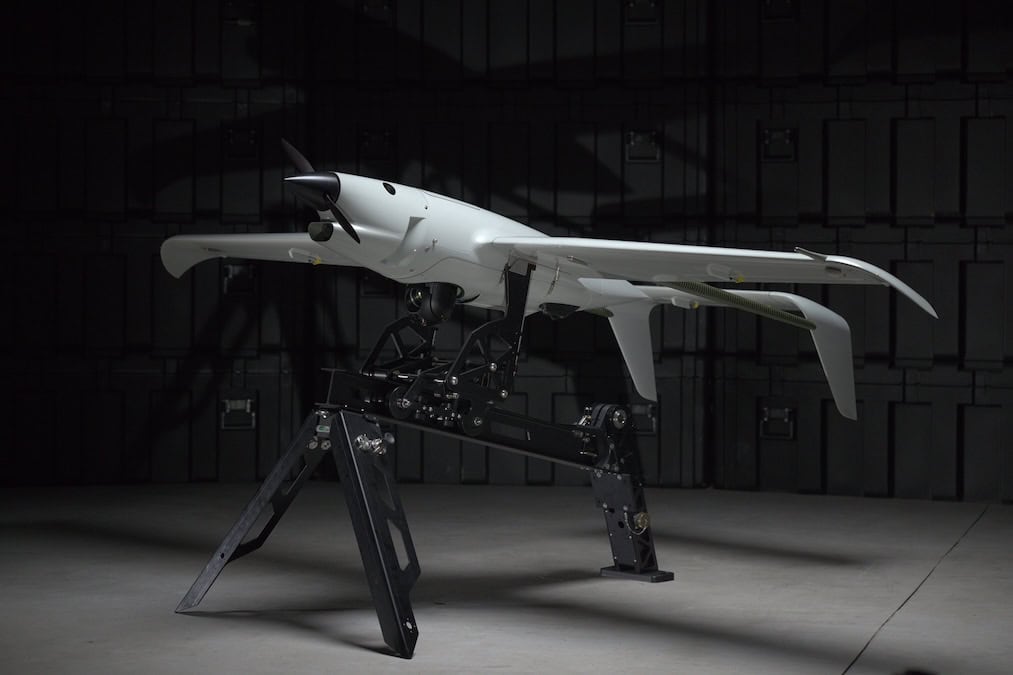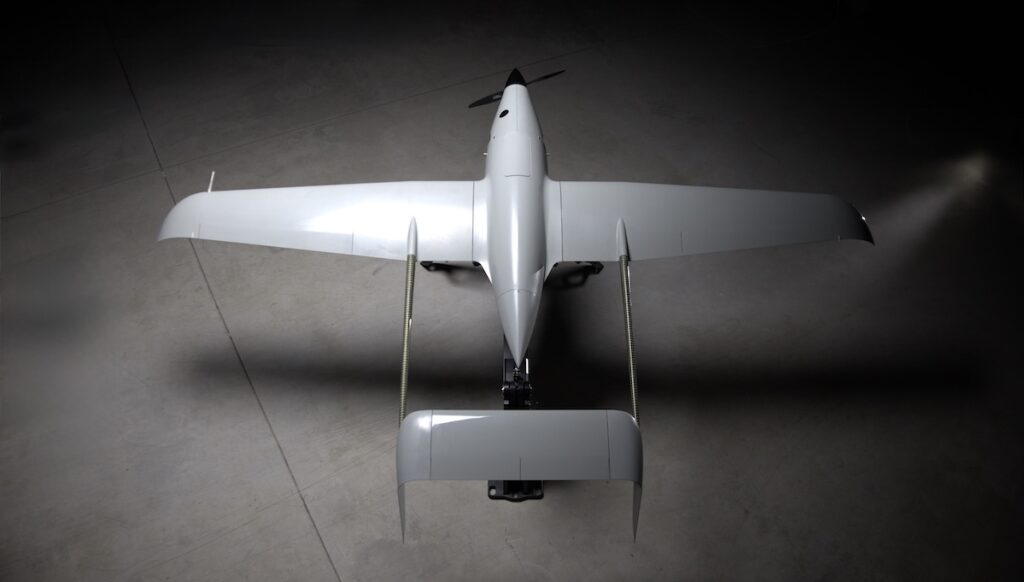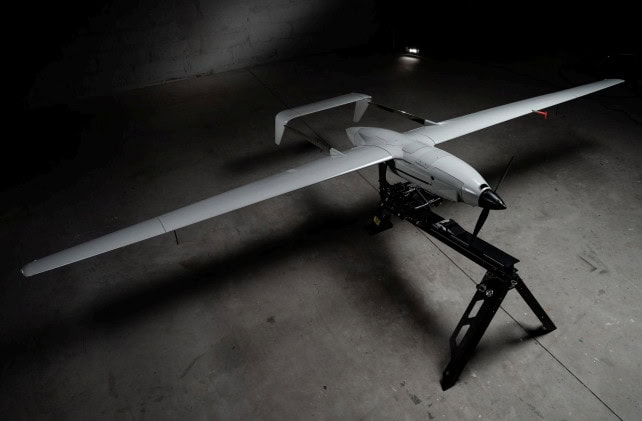





Ukrainian aviation production holding Skyeton and Norwegian defense technology company Teleplan Globe are integrating the Raybird unmanned aerial system into the FACNAV C4ISR software suite to link persistent airborne sensing with battlefield information management.
The initial phase of the integration connects Raybird’s real-time intelligence, surveillance, and reconnaissance (ISR) data directly to the FACNAV sensor-to-shooter workflow. Rather than remaining isolated on a single screen, live video streams and imagery captured by the unmanned aerial vehicle flow into the FACNAV environment, where defense forces transform sensor inputs into shared operational information for battlefield management, fire support, and intelligence operations.
Within the FACNAV ISR module, operators can manage multiple sensors simultaneously from a single workstation, combining Raybird’s feeds with imagery from cameras, other drones, satellites, and reconnaissance assets. By analyzing these combined streams, operators can detect threats, pinpoint their locations on a map, and generate target coordinates up to TLE CAT 1. Those coordinates can then be shared immediately across the network and passed directly to connected effectors, including indirect fires, aircraft, combat vehicles, and unmanned systems operating on land, in the air, or at sea.
Pavlo Shevchuk, International CEO of Skyeton, said, “Finding a target is only half of the task. Today, every confirmed target results from intense analysis, and the time between detection and response decides whether it still matters. Raybird can stay over the area of interest for many hours and deliver high-quality data from deep behind the front line. Integration with FACNAV means this data does not stay on one operator’s screen. It becomes part of a shared operational picture and reaches the effectors that need it, fast. This is exactly the direction we believe in: not isolated platforms, but an ecosystem where data moves from sensor to decision without delay.”
From a systems perspective, the collaboration pairs long-range endurance with streamlined command workflows. Raybird offers around-the-clock continuous flight and maintains a real-time data link of more than 220 km, which can be extended without range limits through SATCOM integration. Combined with the aircraft’s high autonomy, the unified FACNAV workflow allows a small crew to maintain persistent surveillance over deep, wide operational areas.
Stein Gundersrud, CEO of Teleplan Globe, commented, “The value of any sensor lies in how effectively its information can be used. At Teleplan Globe, we focus on connecting platforms, people and information so operators can work from a shared operational picture. Integrating Raybird into FACNAV puts that approach into practice, bringing persistent airborne sensing into the workflows operators rely on. Our collaboration with Skyeton is about making complementary technologies work together to meet operational needs.”
While the current deployment centers on ISR data exchange, the two companies plan to expand the integration into the FACNAV UxS workflow starting in early 2027. Once implemented, this next phase is planned to enable operators to plan missions, control the Raybird aircraft, and operate its payloads directly from FACNAV, creating a unified workflow from aircraft control and sensor operation to intelligence exploitation, target generation, and sharing with connected effectors.