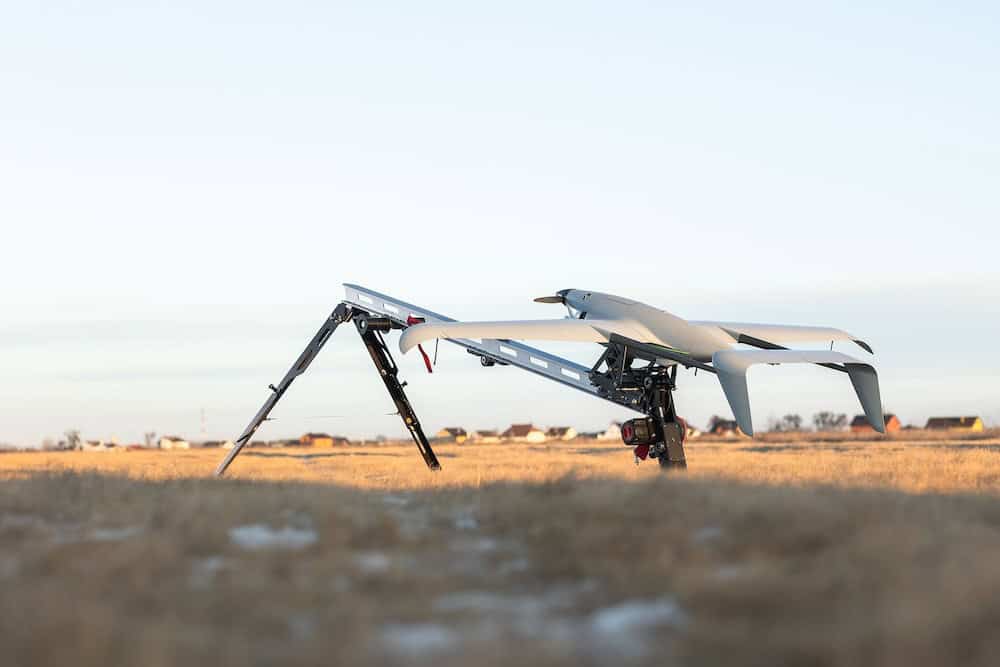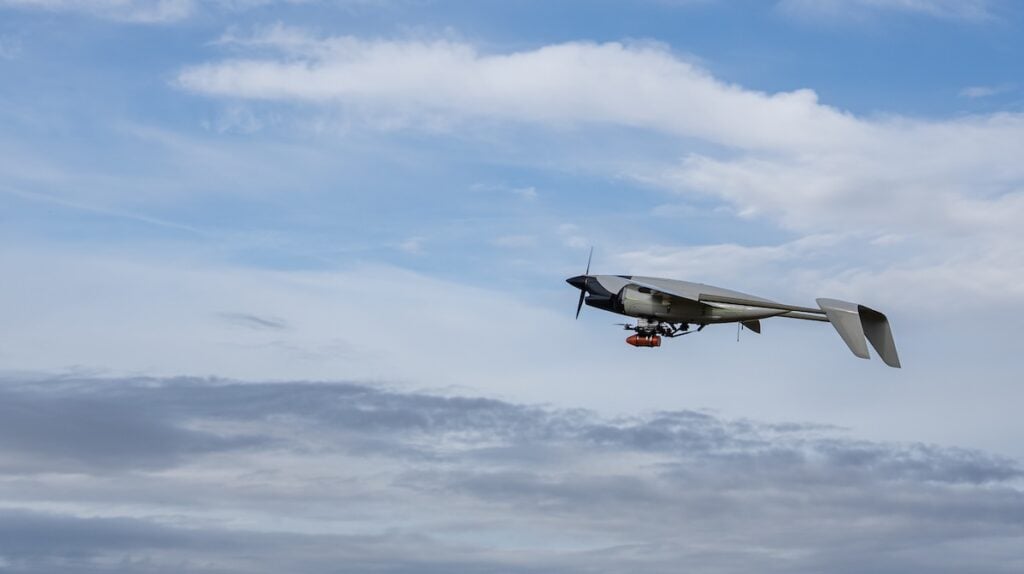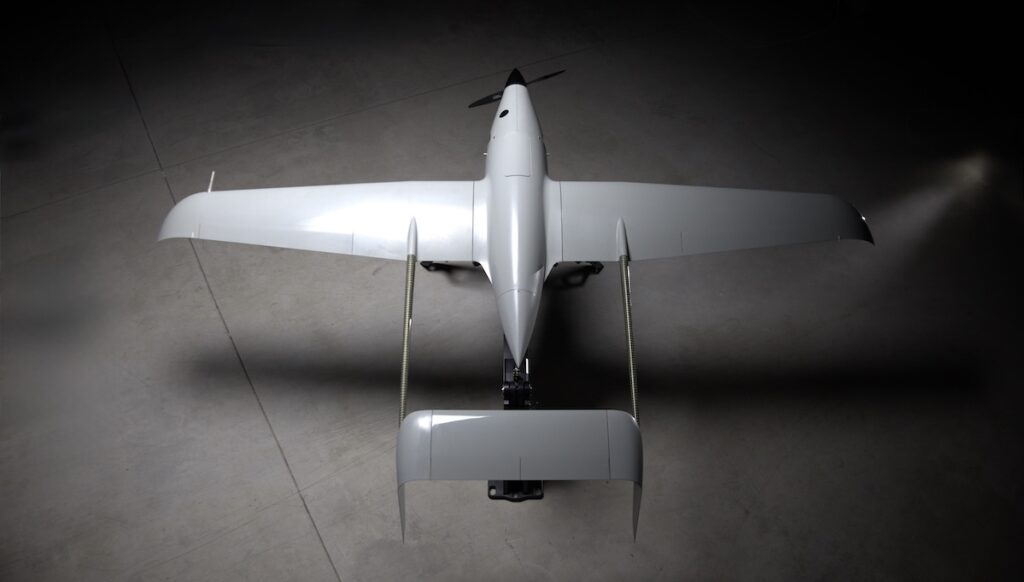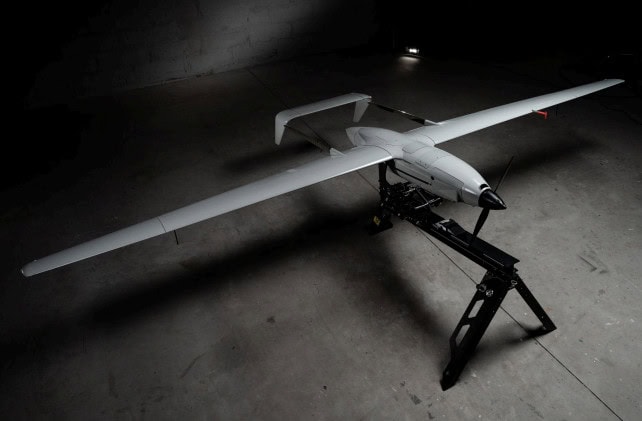
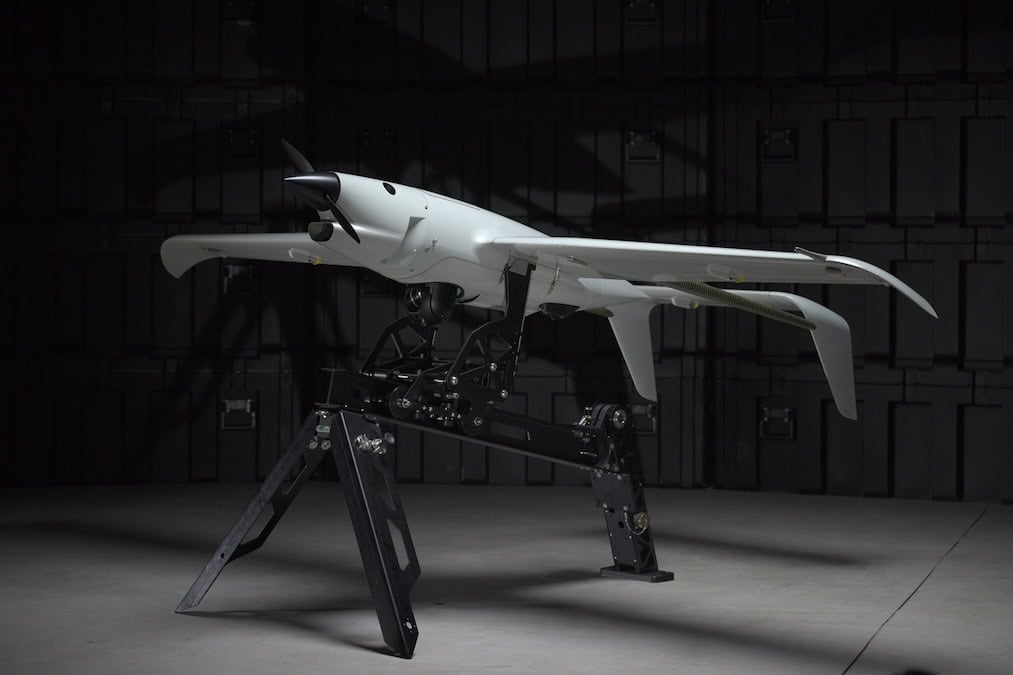
Skyeton has integrated a new anti-interceptor capability into its flagship Unmanned Aerial System (UAS), the Raybird, to enhance platform survivability during critical missions in contested airspace.
The upgrade functions as a multi-layered solution that combines advanced detection systems with adaptive flight behavior. By detecting hostile interceptor drones in real-time, the aircraft can alert the operator when evasive action is required to avoid an engagement. This transition from passive survivability to active threat response addresses one of the most critical threats to aerial reconnaissance today.
Designed to increase mission completion probability, the technology preserves the aircraft during deep reconnaissance operations where endurance and persistence are essential. The engineering team focuses on systemic improvements that address operational challenges like combat experience, which has demonstrated that survivability depends on a combination of altitude, endurance, detection capability, and adaptive response.
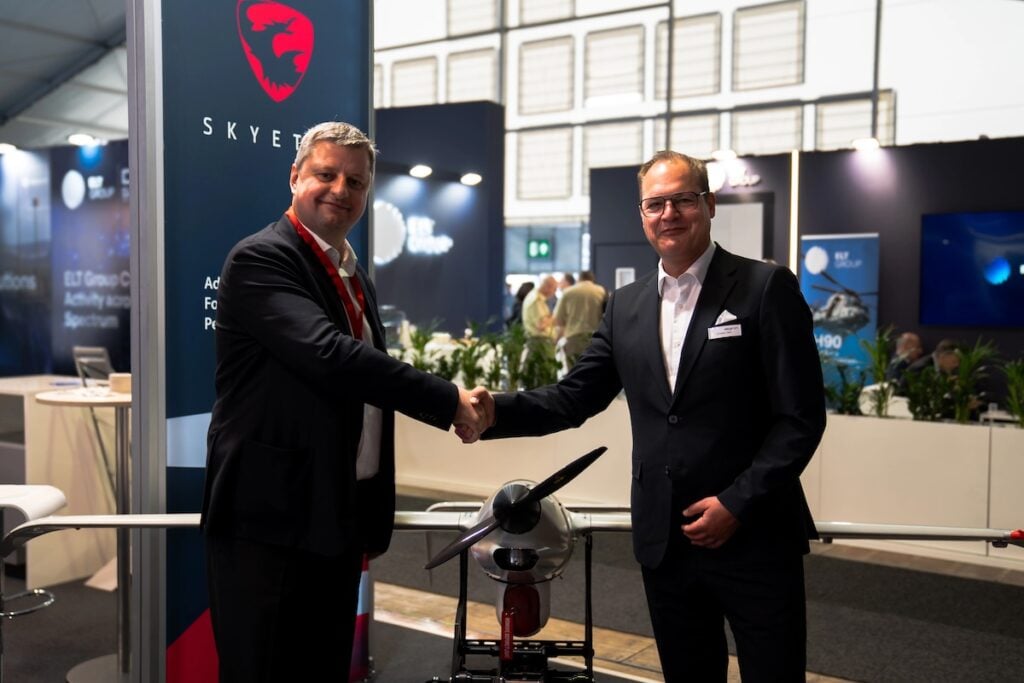
Roman Knyazhenko, CEO of Skyeton, commented, “We take a very rigorous approach to every upgrade. Our primary goal is to make the Raybird more survivable in the most extreme conditions. We carefully studied comparable solutions and technologies available across the industry and tested them extensively. Based on these results, we selected the most effective approach – one that significantly improves the aircraft’s ability to withstand threats from interceptor drones.”
As a Ukrainian-born aviation production holding, Skyeton is currently putting the new capability into serial production and integrating it into operational systems. Furthermore, Raybird’s modular architecture allows this upgrade to be applied not only to newly manufactured units but also to previously delivered aircraft, extending their operational relevance in a rapidly changing environment.