Robinson Unmanned has announced that Ascent AeroSystems, its contracting entity for US defense programs, has received a firm-fixed-price Foreign Military Sales (FMS) contract to provide the Nepali Army with the NDAA-compliant, Blue UAS Cleared SPIRIT small Unmanned Aircraft System (sUAS), payloads, training, and support.
Issued through Naval Air Systems Command at Naval Air Station Patuxent River, the award includes SPIRIT base kits, payload kits, additional aircraft hardware, spares, extended warranty coverage, and operator training.
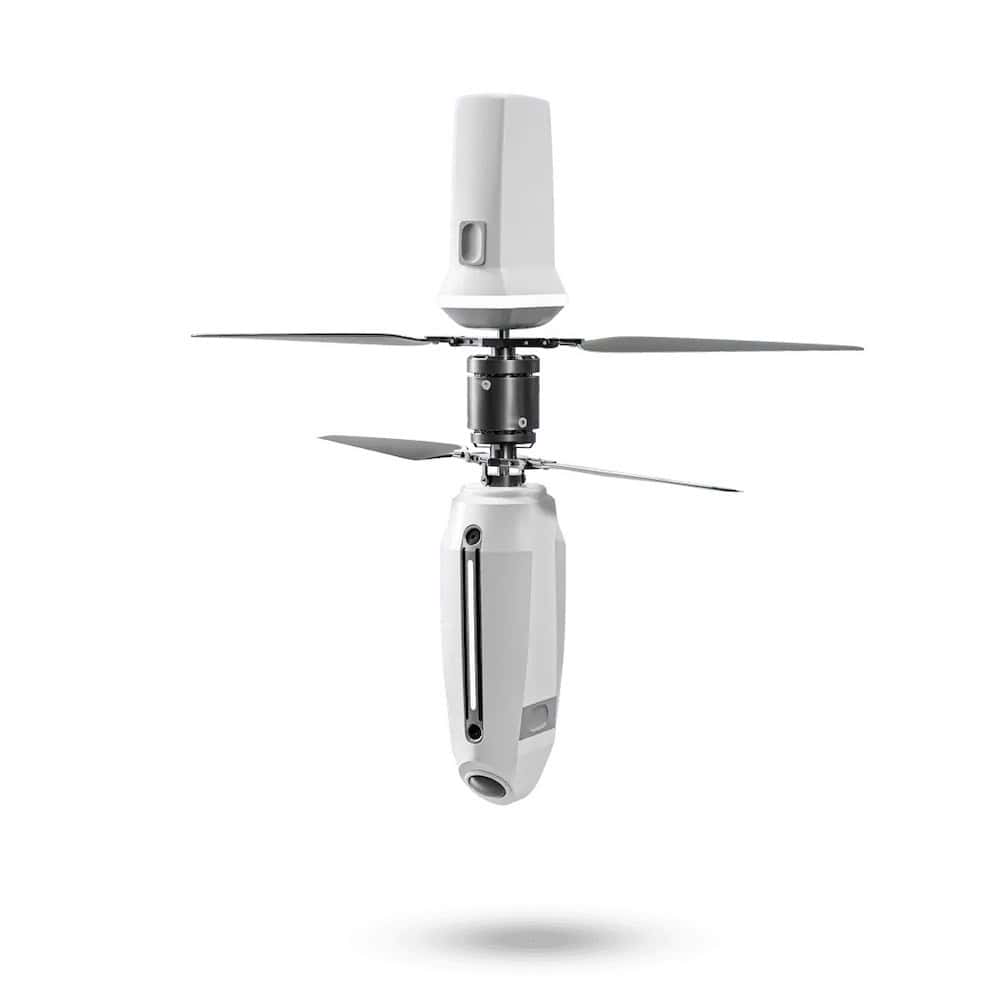
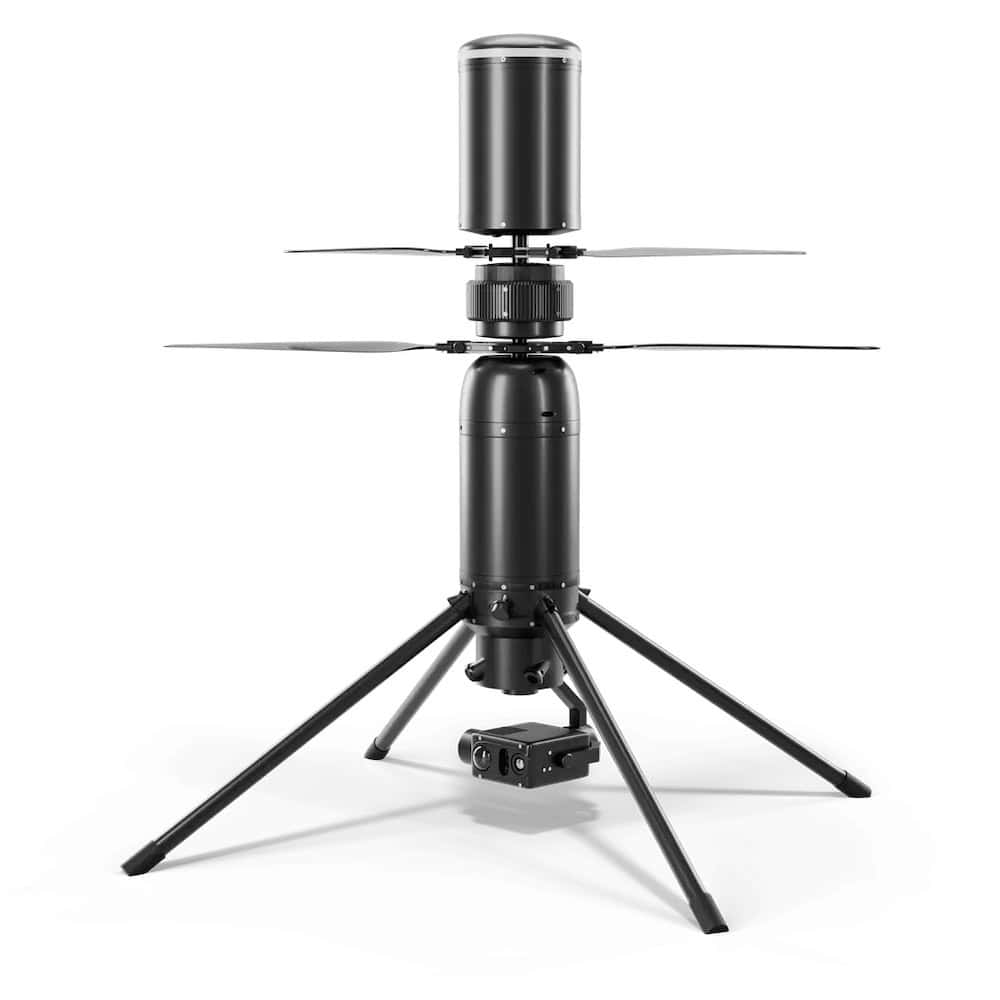
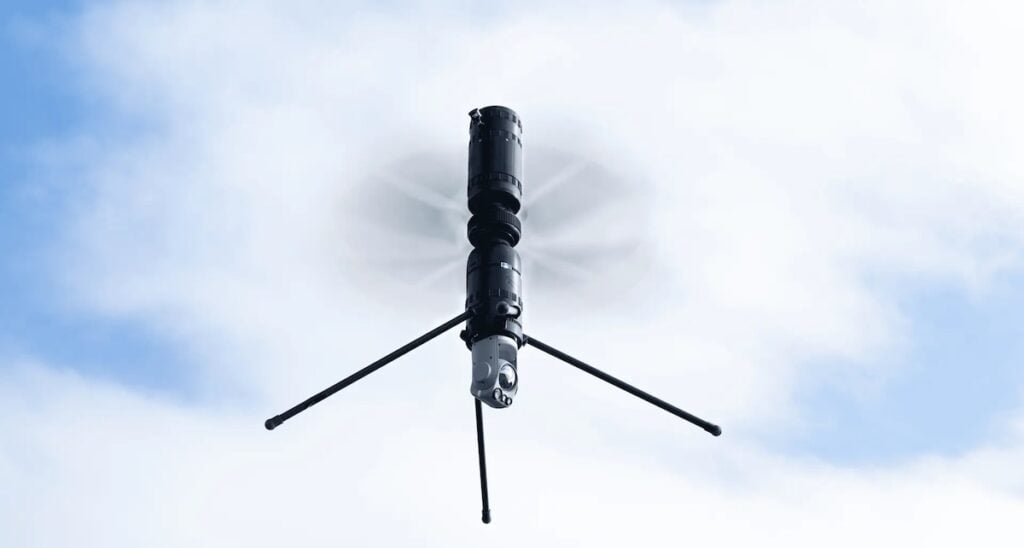
The contract extends Robinson Unmanned’s international reach, bringing SPIRIT’s all-weather capabilities to the Nepali Army. Built for military operations in challenging environments, the UAS features a rugged cylindrical design and compact coaxial configuration. Its Modular Open System Architecture (MOSA) supports the rapid integration of hardware, software, and mission-specific capabilities, enabling operators to adapt a common aircraft to different sensing, communications, and operational requirements.
The aircraft is designed to IP56, operates in temperatures from -40°F to 130°F, withstands winds above 40 mph, and can operate at altitudes up to 14,600 feet above mean sea level.
Paul Fermo, President of Robinson Unmanned, commented, “For operators working in mountainous, remote and unpredictable environments, reliability isn’t optional. SPIRIT was designed to give operators a rugged aircraft they can depend on while retaining the flexibility to adapt payloads and capabilities as the mission changes. This award extends that capability to another international partner and reflects the growing role SPIRIT can play in supporting U.S. and partner-nation security objectives around the world.”
SPIRIT is backed by Robinson Helicopter Company’s vertically integrated US manufacturing infrastructure and more than five decades of aviation production experience, providing Robinson Unmanned with the production discipline and capacity to support expanding domestic and international demand.
Fermo added, “International operators are asking for many of the same things we hear from U.S. forces: systems that are reliable, adaptable, supportable and available when the mission demands them. Our goal is to make proven U.S.-built capability accessible not only to American operators, but to partner nations that need reliable, mission-ready unmanned systems for real-world operations.”