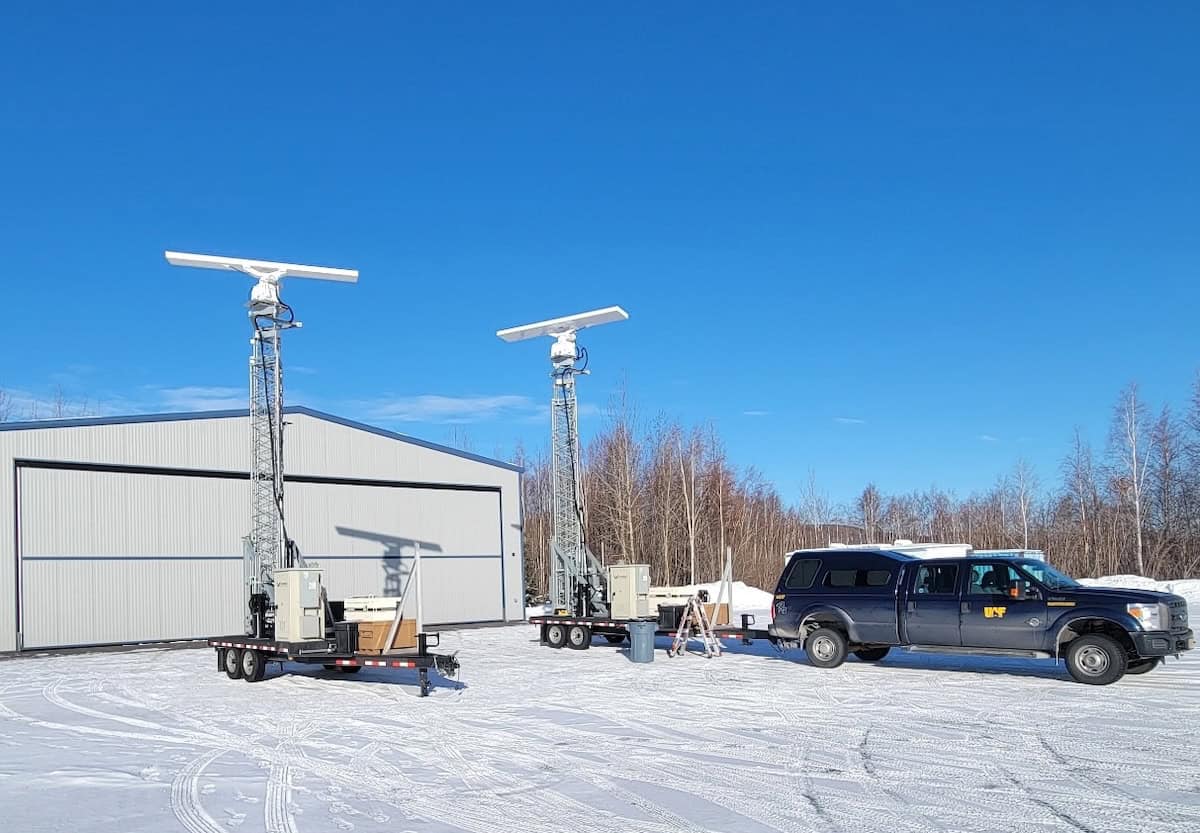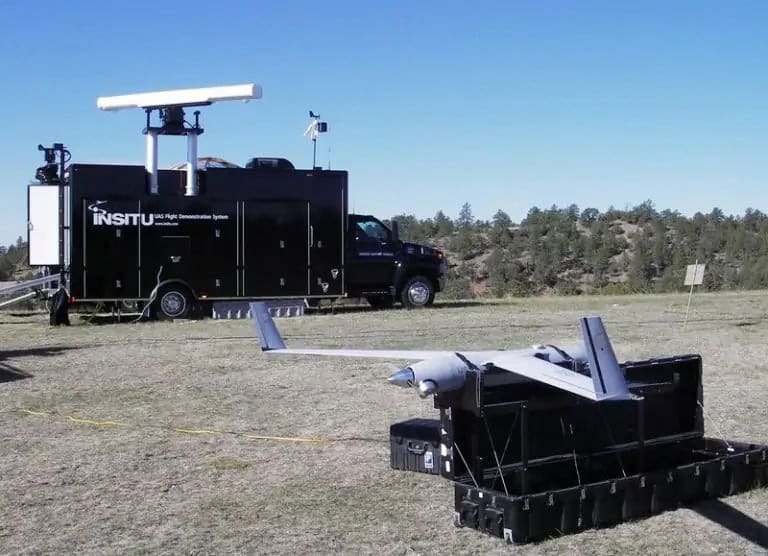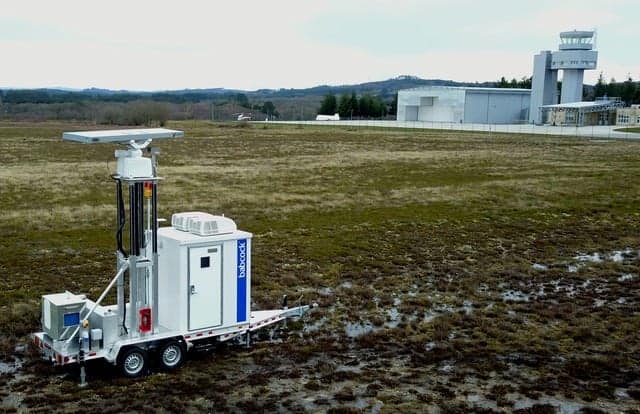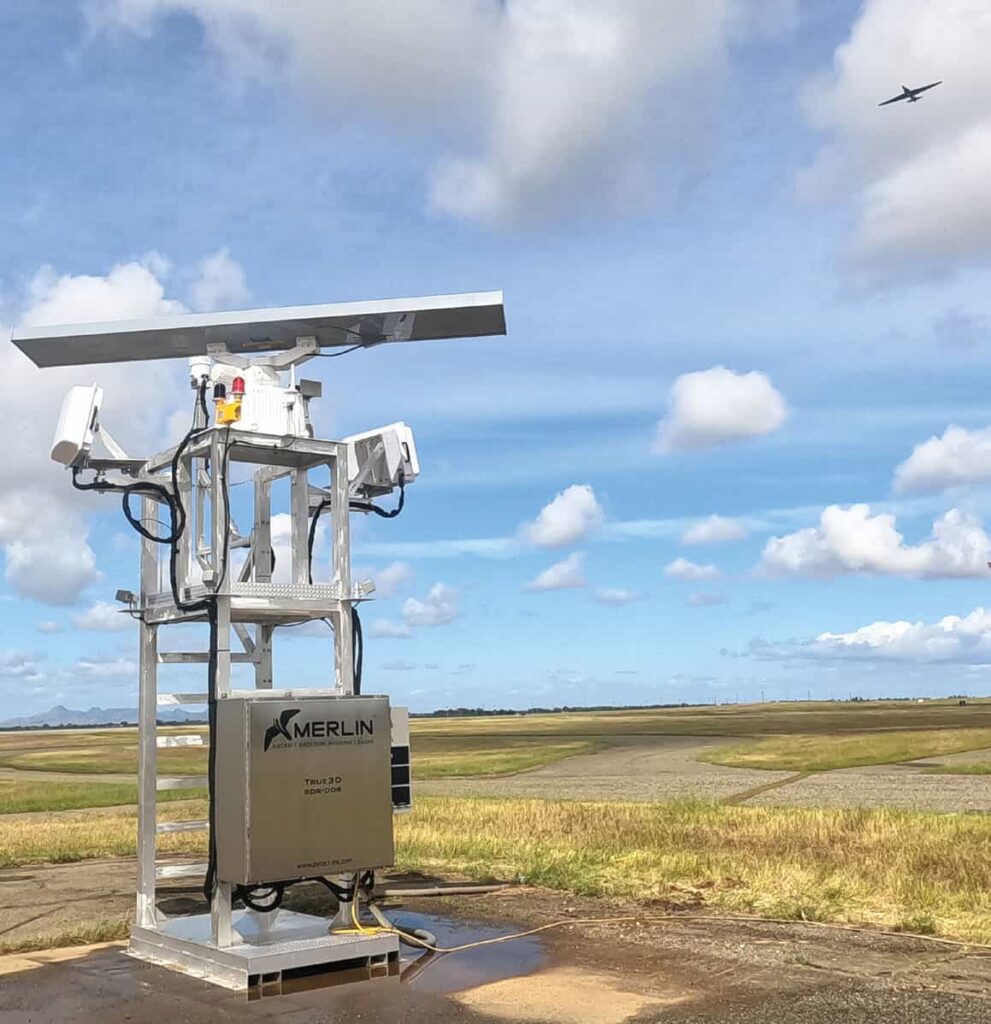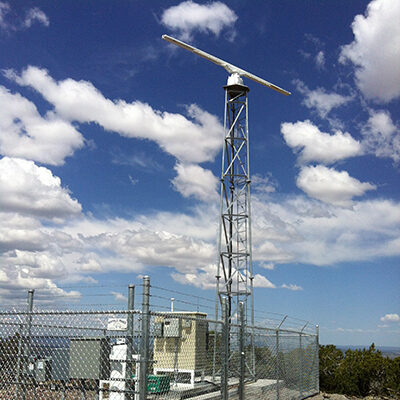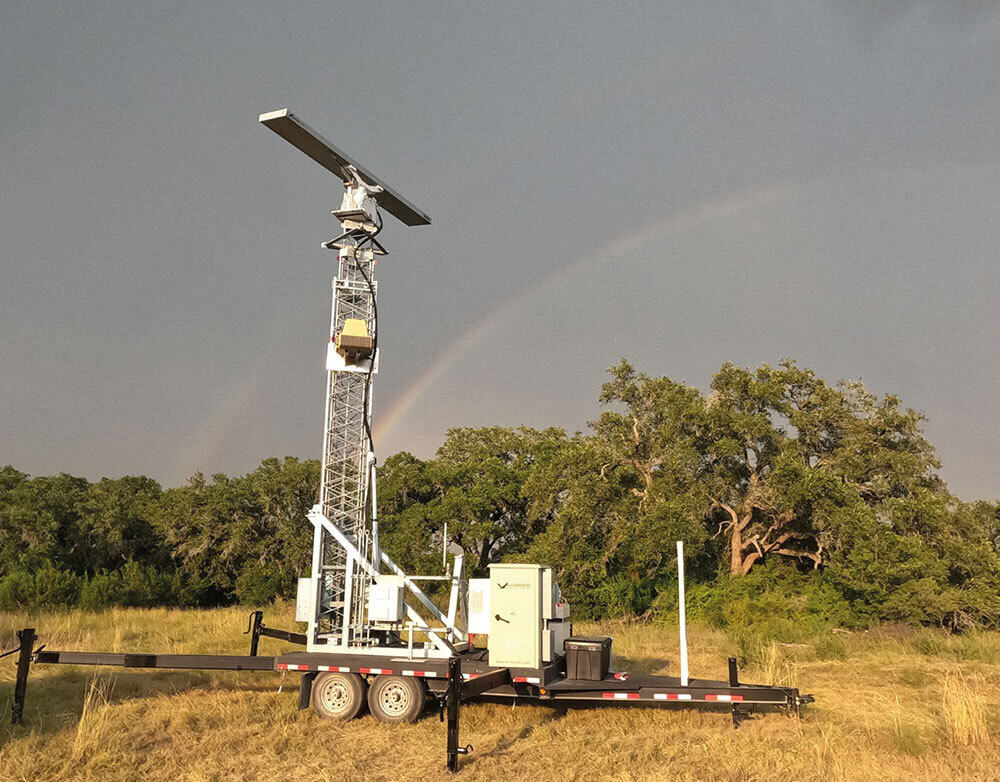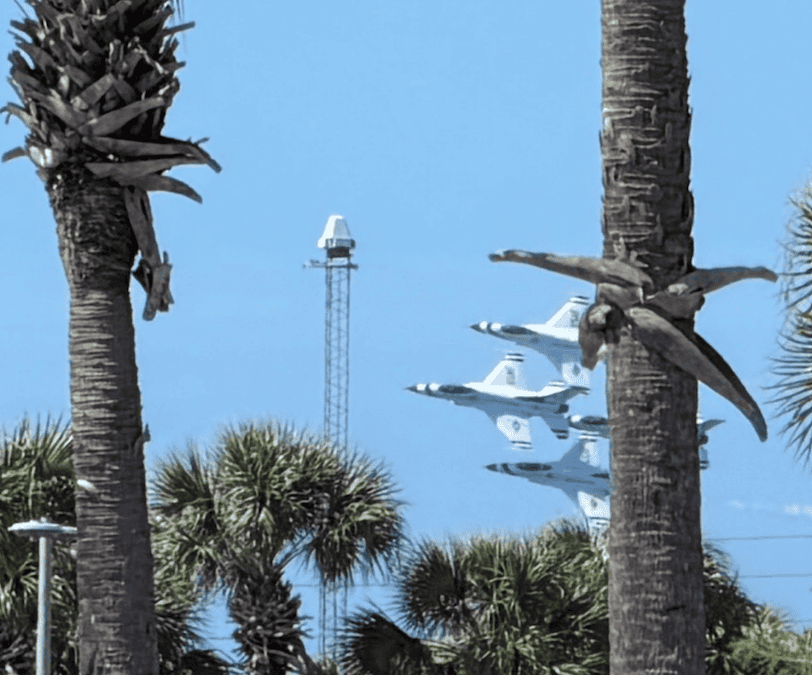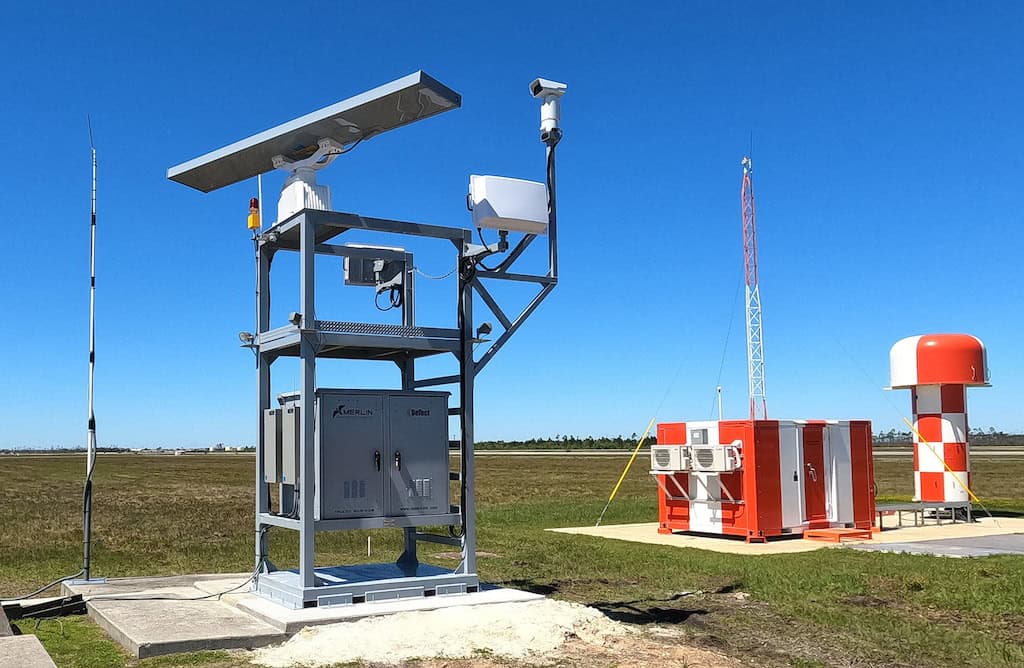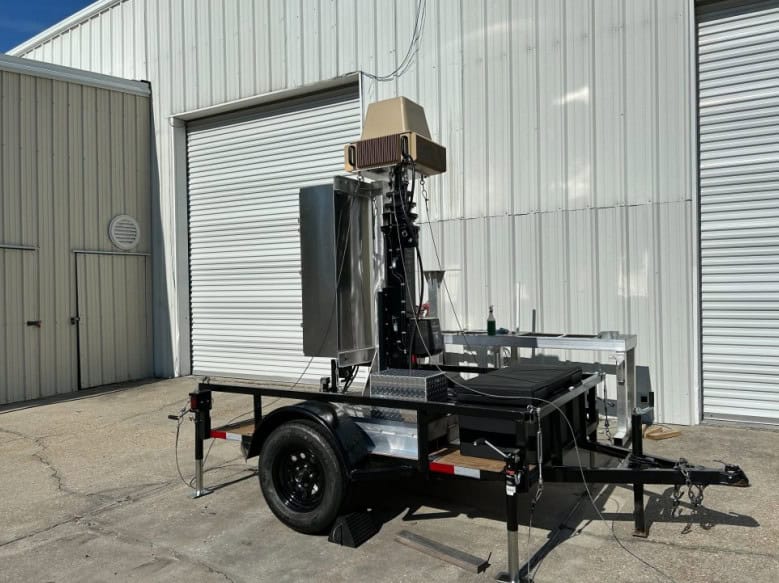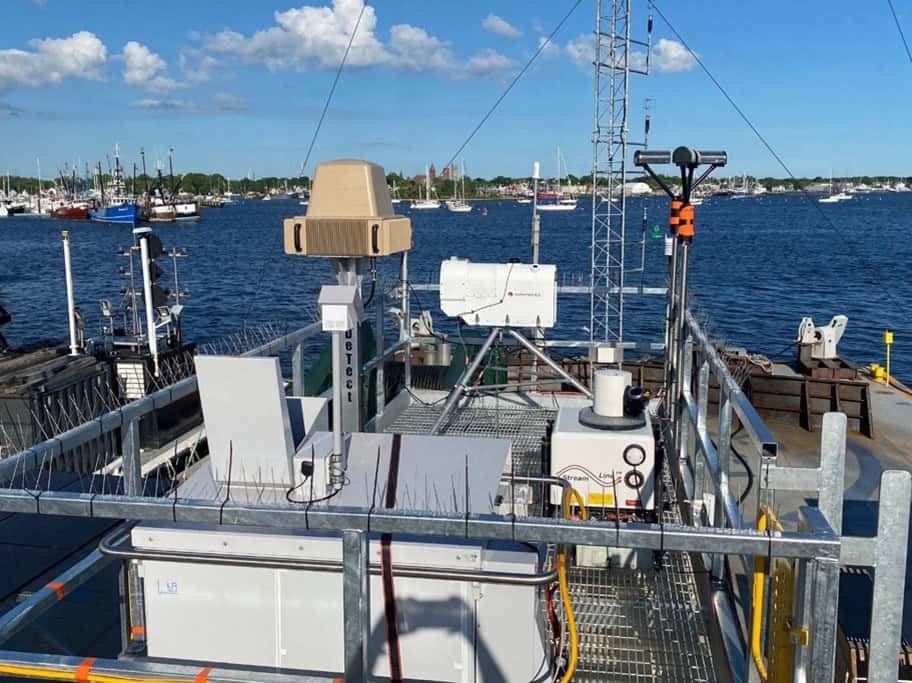



Vigilant Aerospace Systems, Inc. has configured new radar infrastructure, powered by DeTect technology, at the Infinity One Oklahoma Spaceport in western Oklahoma to support the FlightHorizon TEMPO airspace management system.

The newly deployed network incorporates DeTect’s HARRIER surveillance radar to support safety-critical infrastructure across the facility. FlightHorizon TEMPO is a fully integrated, cloud-hosted airspace management system designed to provide beyond visual line of sight (BVLOS) drone and advanced air mobility (AAM) operators with compliant, real-time detect and avoid coverage across thousands of square kilometers of airspace. The platform actively tracks both cooperative and non-cooperative aircraft to ensure flight safety.
Commenting on the live rollout from the site, Vigilant Aerospace CEO Kraettli Lawrence Epperson stated, “That image is real. No AI. That is the sun rising this morning over the infrastructure supporting thousands of square kilometres of the FlightHorizon TEMPO airspace management system radiating out from the Infinity One Oklahoma Spaceport in western Oklahoma.
“Do you want to see a real, fully integrated, networked, cloud hosted, highly automated, resilient, self monitoring airspace management system with compliant detect and avoid as a baseline function? I’m watching the air traffic over western Oklahoma from my browser right now. I could track my own UAS in the system and get instant trajectory predictions and alerts. This is safety for large UAS and AAM development, autonomous space launch (coming in 2027 with Dawn Aerospace) and long range autonomous flight operations. Call for a demonstration and come take a look.”
The project initiative is supported by sponsors including the Oklahoma Department of Aerospace and Aeronautics, Infinity One Oklahoma Spaceport, Grayson Ardies, Douglas Wood, Chris Wadsworth, and the Oklahoma Progressing Rural Economic Prosperity (PREP) Fund. Additional tech and industry partners contributing to the deployment include Vigilant Aerospace Systems, NASA’s Armstrong Flight Research Center, Ricardo Arteaga, Kendyn Webster, Zach Peterson, Robert Alden, Kathryn Hund, River Cordova, Craig J. Smith, Leshia Pearson, and Laura Rudicel.