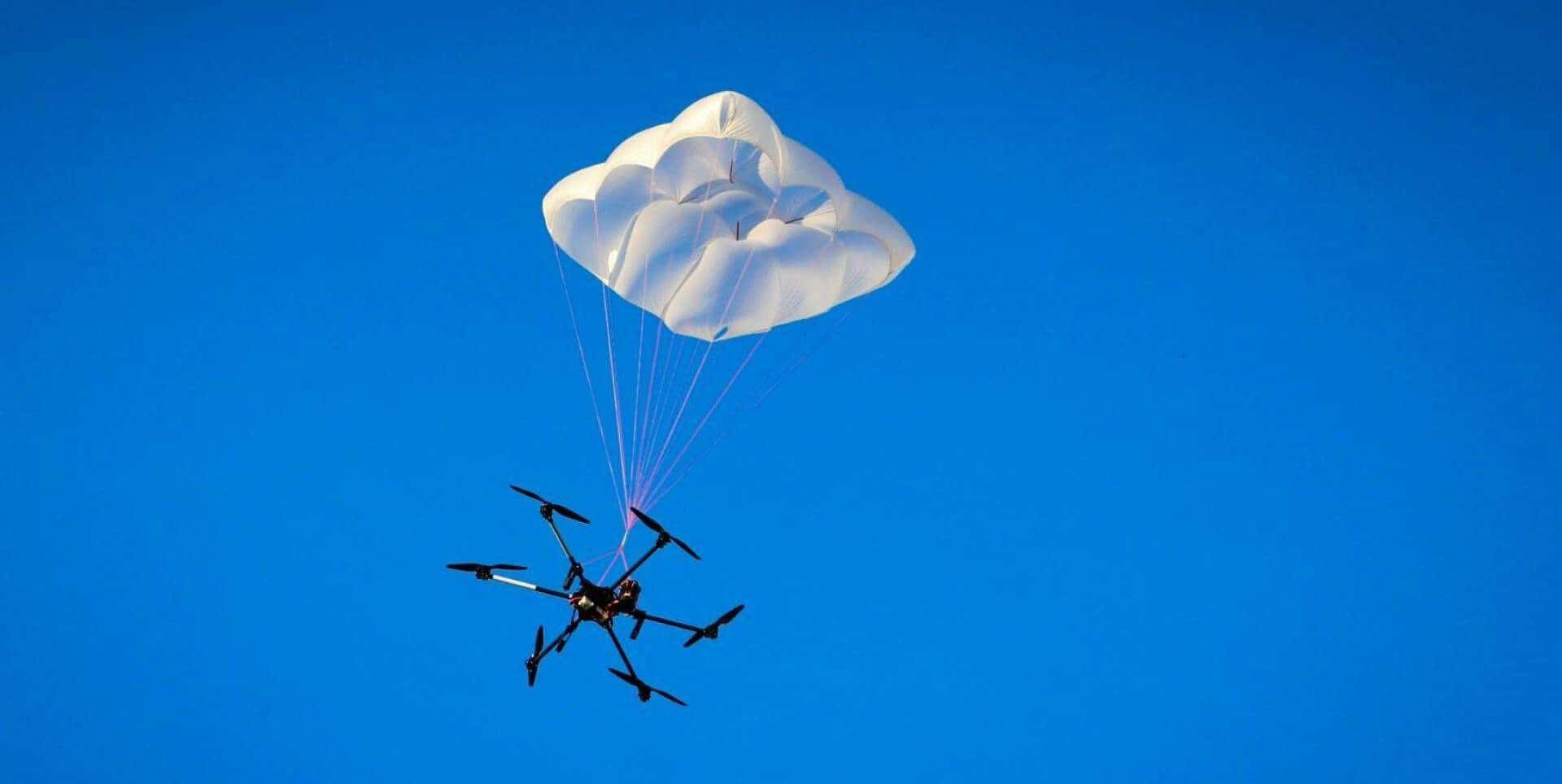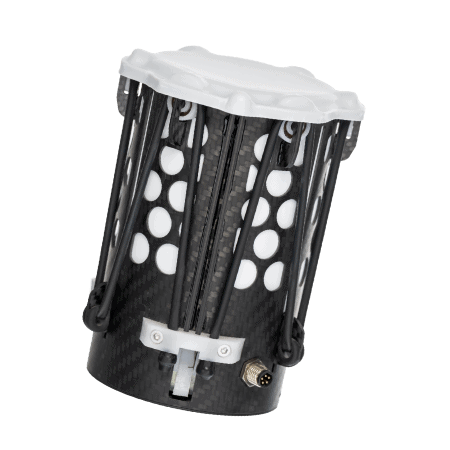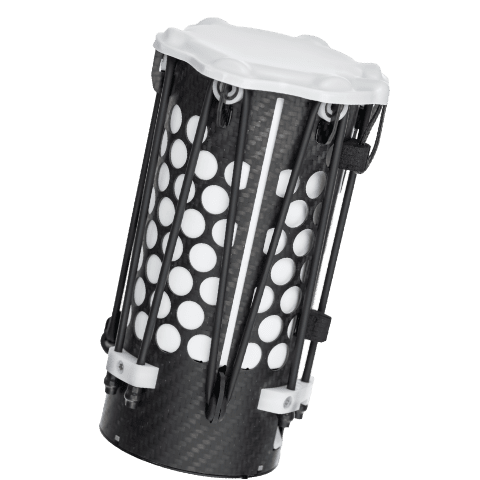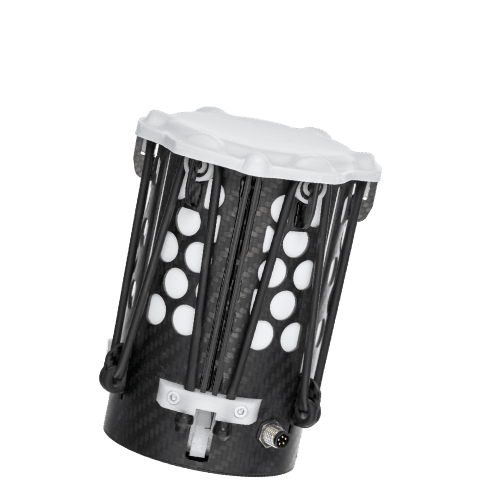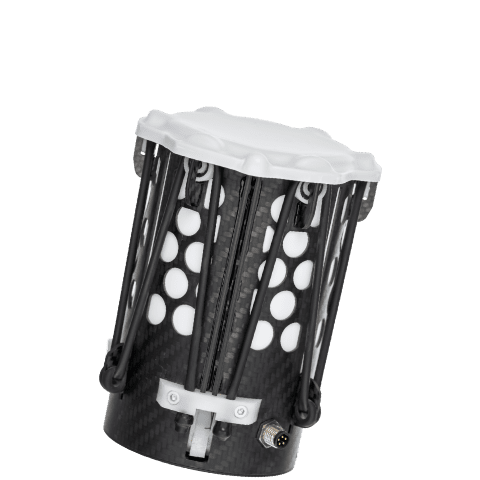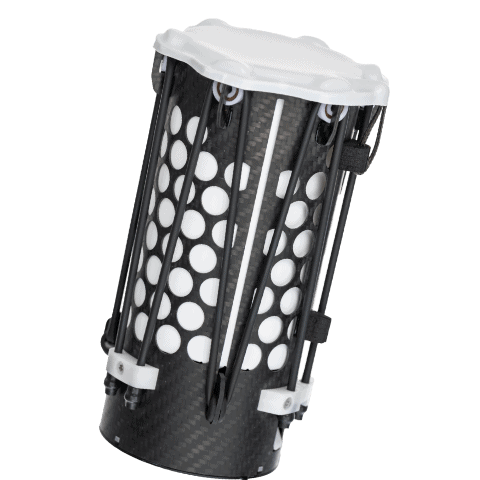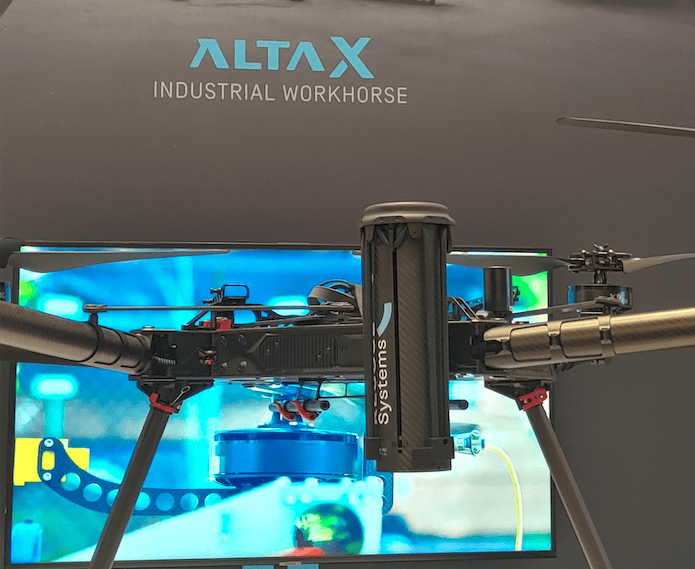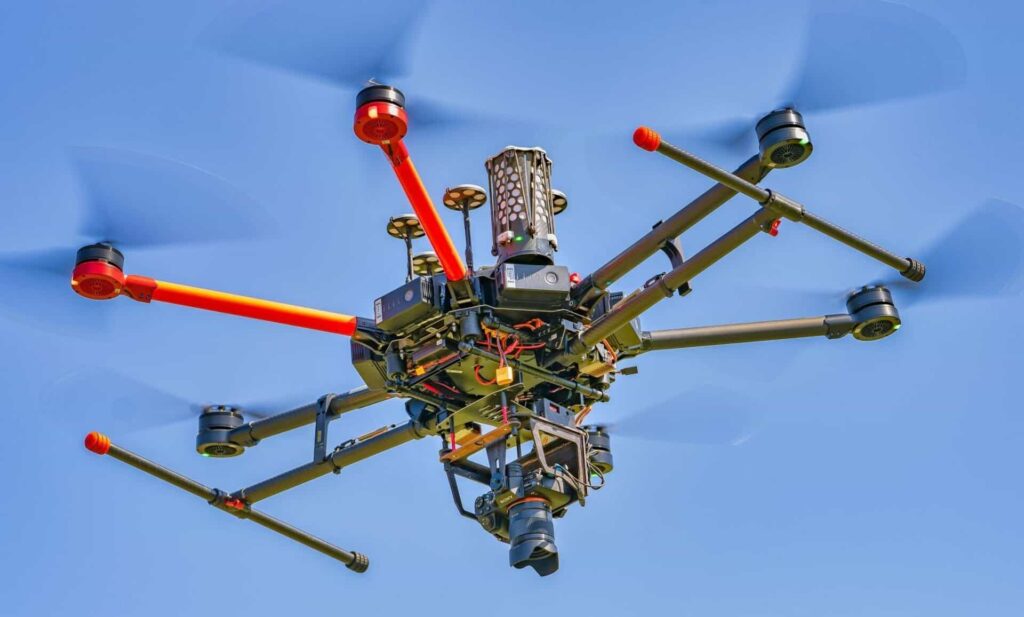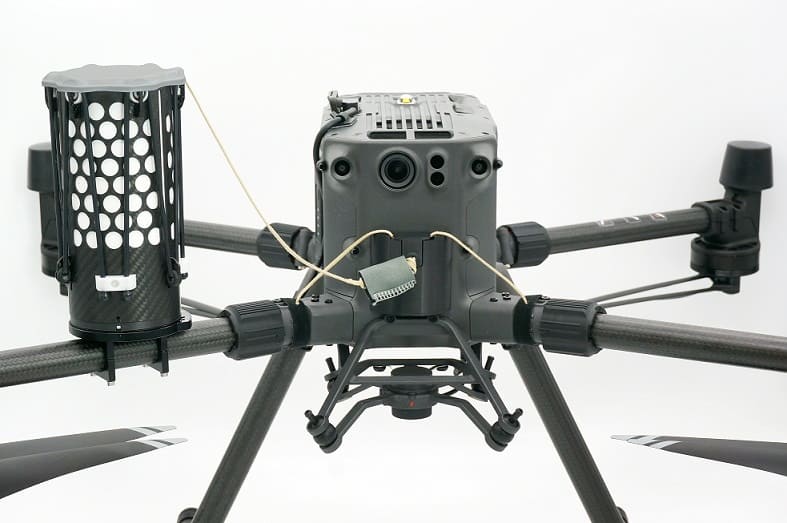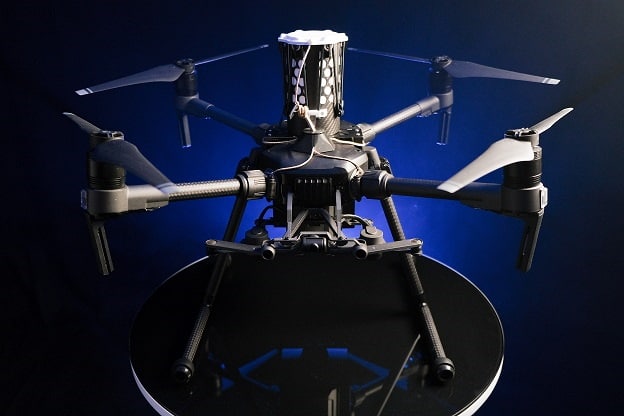
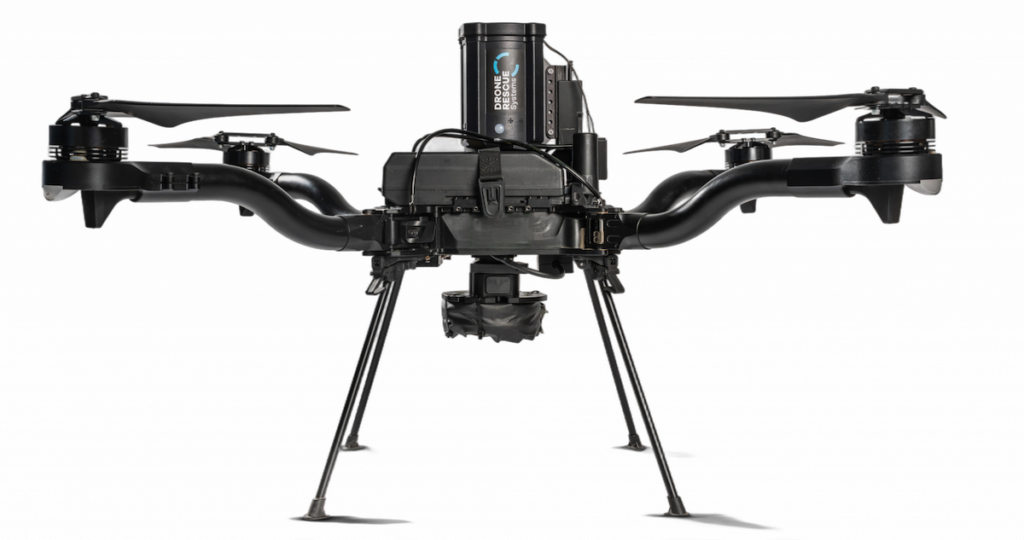
Drone Rescue Systems (DRS), in partnership with Freefly Systems, has introduced the DRS-Astro, a plug-and-play intelligent parachute system engineered specifically for the Astro UAV platform.
Designed to provide an additional layer of safety without significantly affecting aircraft performance or payload capacity, the system combines autonomous failure detection, rapid parachute deployment and an integrated Flight Termination System (FTS).
The DRS-Astro mounts directly to the side of the Astro airframe and integrates via MAVLink, enabling seamless communication with the aircraft. Its detection algorithms have been optimized using extensive real-world flight data, allowing the system to monitor multiple flight parameters and independently identify conditions that could require parachute deployment.
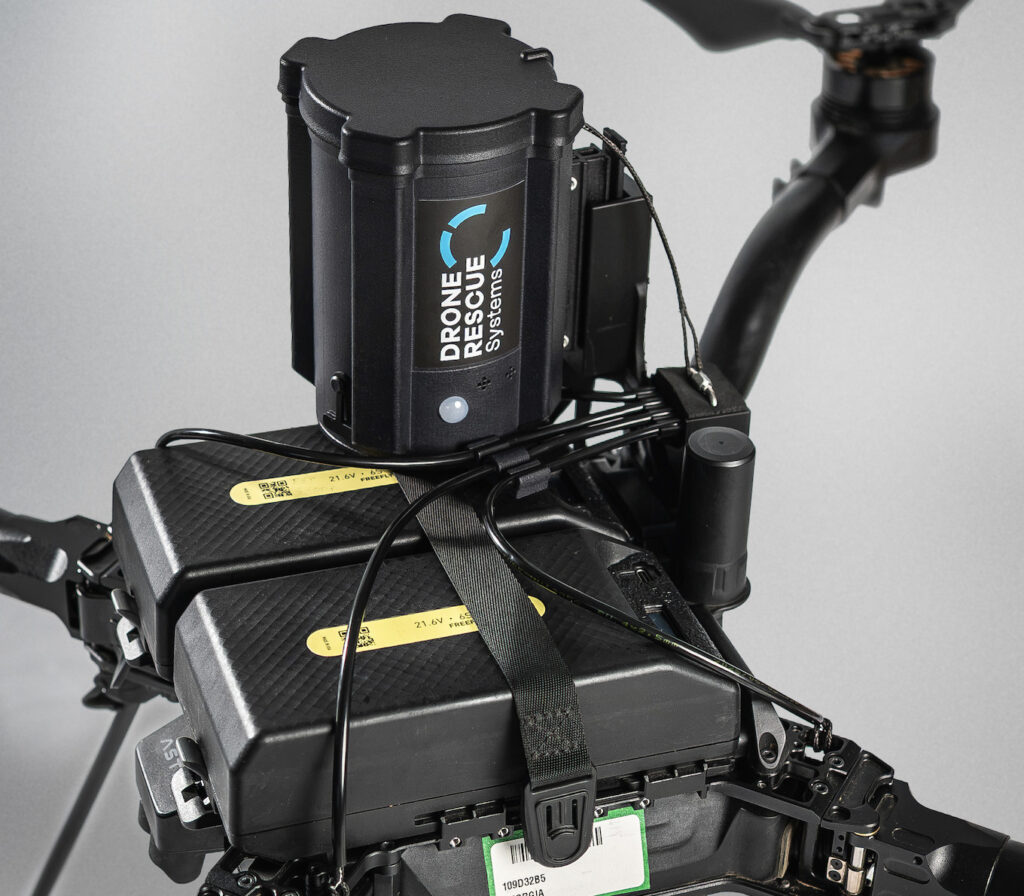
The system monitors parameters including altitude, acceleration, descent, attitude, positioning, temperature and power supply. Optional geofencing and remote control triggered activation provide additional deployment methods, giving operators greater flexibility in different operational scenarios.
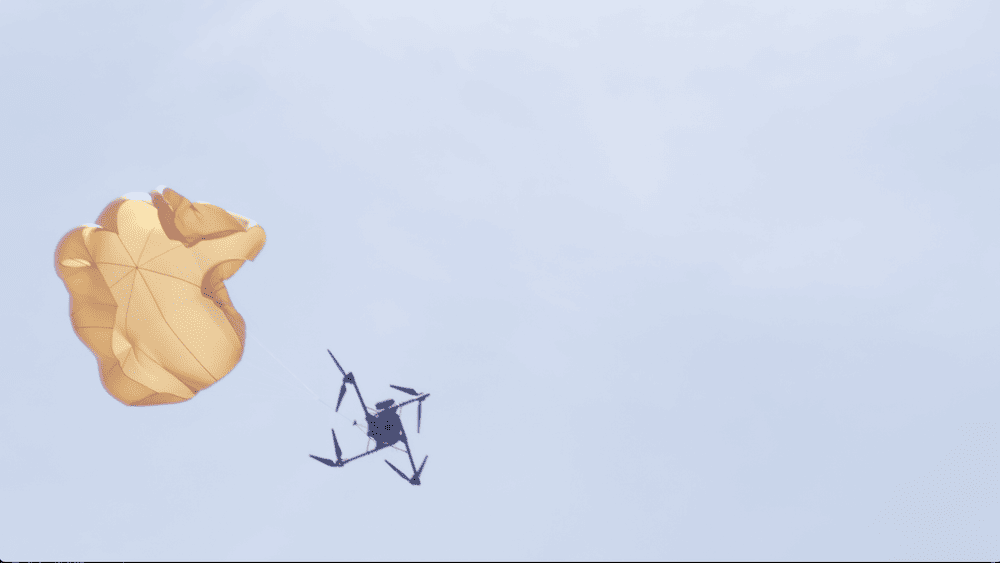
When the parachute is deployed, the integrated FTS immediately stops the aircraft’s motors to help prevent interference with the parachute and reduce descent energy. The system uses a patented sling-chute mechanism powered by elastic bands rather than conventional metal springs, reducing weight while enabling rapid parachute ejection.
With a total system weight of approximately 490g in total including all parts for the launcher, parachute, cords and carabiner, plus approximately 20 to 50g for the DRS-Connector depending on configuration, the DRS-Astro is designed to minimize its impact on the Astro’s payload capacity and flight performance. It supports UAVs in the 5 to 10kg MTOW class, with descent velocities ranging from approximately 2.2 m/s at 5kg to 3.8 m/s at 10kg.
The DRS-Astro operates directly from the UAV’s existing power supply and consumes a maximum of 0.7 W continuously during flight. The system can also activate in the event of a complete power loss, providing an additional layer of redundancy without requiring a separate battery that would need charging or replacement.
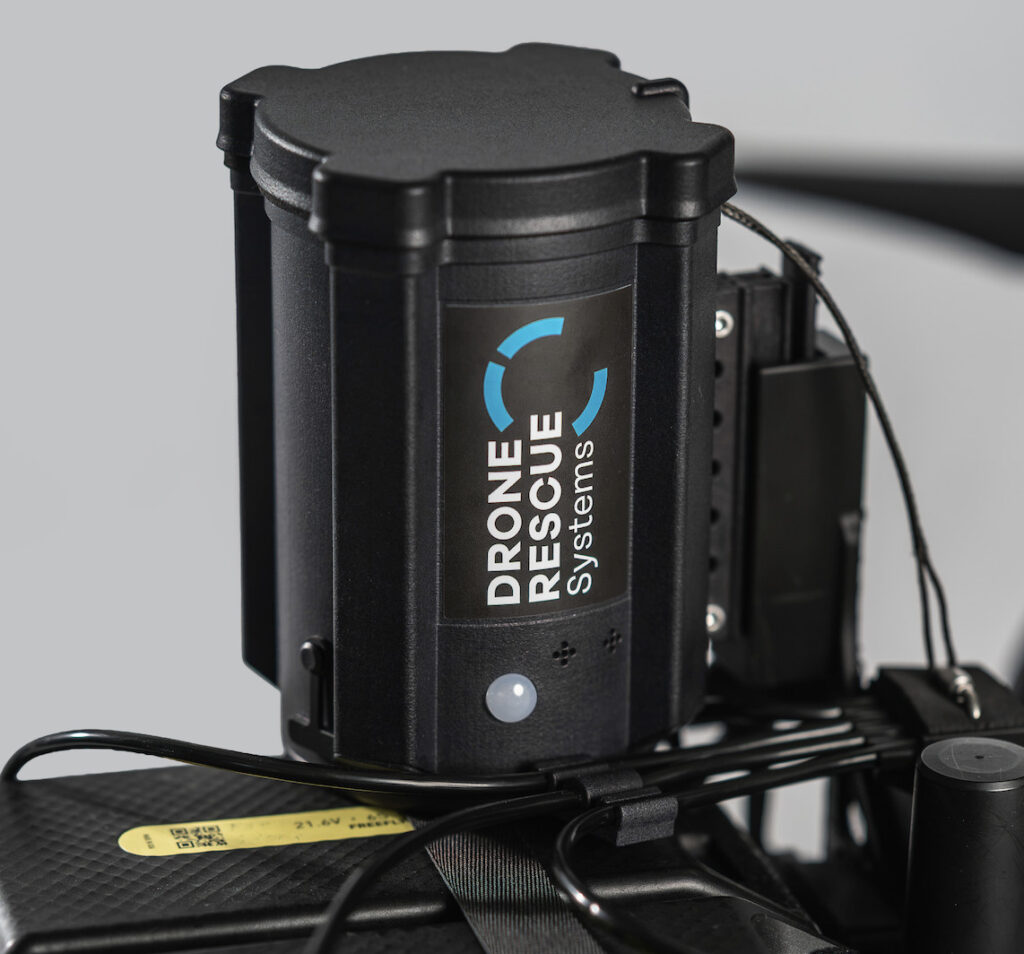
Safety and operational flexibility are further supported by the system’s independent IMU and electronics, IP-rated all-weather protection, audible status and warning signals, LED status indication and a quick-release mounting mechanism. No pyrotechnic components, gas cartridges or pressurized parachute storage are used, helping simplify transport, deployment and operational logistics.
The parachute system features a 165 x 165 cm canopy with a surface area of 2.7 m² and is designed to minimize impact energy during an emergency landing. Following deployment, the system can be returned to service within minutes through repacking or by installing a spare parachute.
The DRS-Astro has received EASA MOC-2511 and MOC-2512 certification and ASTM F3322 testing is planned for Q4 2026. Its combination of lightweight construction, autonomous monitoring and flexible deployment options provides Astro operators with an integrated safety solution designed for demanding professional and government applications.
By combining intelligent failure detection, autonomous deployment and flight termination in a lightweight package, the DRS-Astro is designed to deliver enhanced aircraft safety while preserving the performance and operational flexibility of the Astro platform.
See the DRS-Astro in person at the Commercial UAV Expo by visiting Drone Rescue Systems at Booth 908.