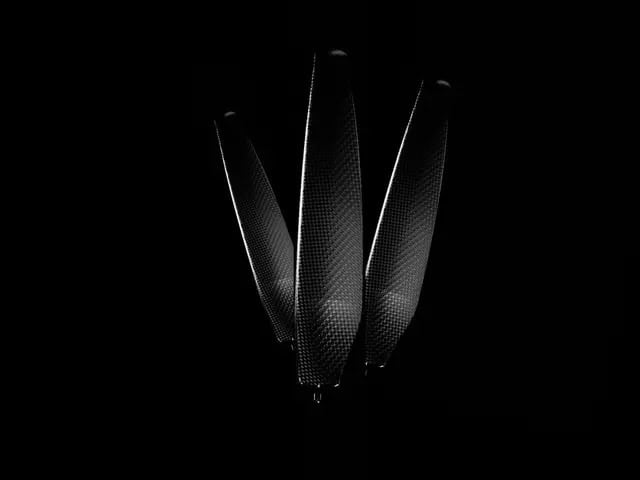


As unmanned aerial vehicles (UAVs) take on increasingly complex missions, higher payload demands and longer endurance requirements are influencing propeller design. Flyber is addressing these changing requirements.
Through configurable blade geometries, parametric design systems and UK-based manufacturing capabilities, the company is supporting both application-specific performance and production at scale.
Adapting Propeller Geometry to UAV Mission Requirements
Propeller performance depends on the operating characteristics of the aircraft, making design flexibility an important consideration for UAV manufacturers. Differences in airframe geometry, payload and mission profile can require different approaches to blade configuration and aerodynamic performance.
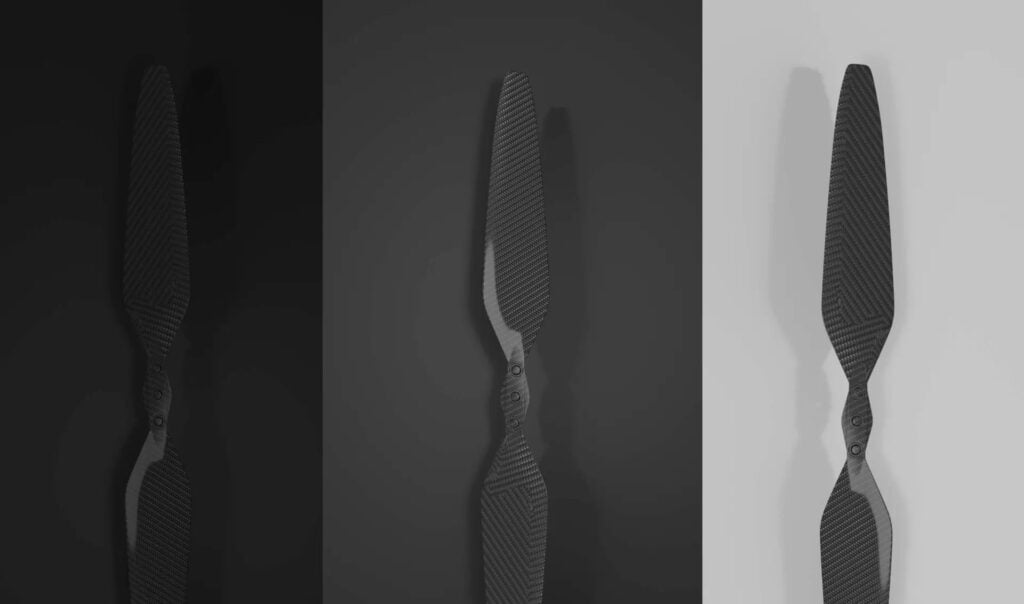
Flyber uses parametric design systems to tailor propeller pitch, chord and blade count to individual customer requirements. This allows blade configurations to be adapted for applications ranging from vertical take-off and landing (VTOL) delivery drones to surveillance-class UAVs.
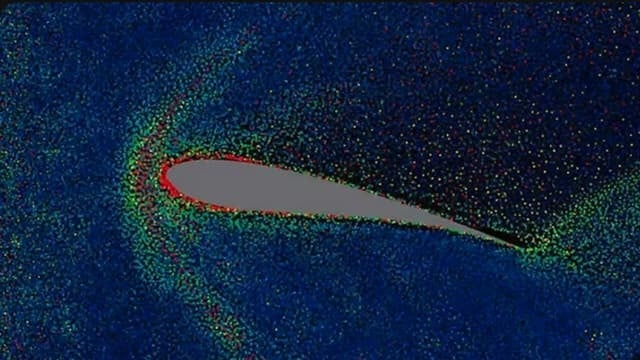
Design optimization focuses on several interconnected performance factors, including lift, acoustic output, power consumption and operational longevity. By adjusting blade geometry around specific operating requirements, Flyber can address different performance priorities without relying on a single standardized configuration.
Using Blade Geometry to Manage Thrust and Noise
Different UAV applications place varying demands on propeller performance. In some cases, achieving higher static thrust is a primary consideration, while other applications place greater emphasis on reducing acoustic signatures.
Flyber’s parametric design approach allows specific areas of the blade to be modified in response to these requirements. Root geometry can be adjusted to target higher static thrust, while blade tip geometries can be developed to manage vortex shedding as part of acoustic reduction efforts.
The same design flexibility allows propeller configurations to evolve alongside changes in airframe geometries and mission specifications. This provides UAV developers with options for refining aerodynamic characteristics as aircraft designs and operational requirements develop.
UK Manufacturing and High-Volume Production
Alongside aerodynamic design, manufacturing capacity and production consistency are important considerations for UAV developers moving toward larger production volumes.
Flyber operates a UK-based manufacturing facility with production capabilities measured in thousands of blades per month. Its manufacturing processes are structured to accommodate high-volume output while maintaining low production tolerances.
Domestic manufacturing also reduces dependence on overseas production schedules and international customs procedures. For customers working through development and production programs, this provides greater visibility into manufacturing activities and reduces exposure to delays associated with international supply chains.
The combination of configurable blade designs and established manufacturing capacity allows Flyber to address both individual propeller requirements and larger-scale production needs.
Structural Validation and Composite Quality
Propeller development also requires assessment of structural integrity, dimensional consistency and durability under operating conditions.
Flyber applies a testing and validation process that extends from digital simulation to destructive laboratory testing. Structural performance, dimensional accuracy and fatigue tolerance are among the characteristics evaluated during validation.
The company states that its composite materials meet or exceed aerospace-grade specifications, supporting its approach to structural performance and manufacturing quality.
Vertical integration is another component of Flyber’s development and production process. By maintaining control over design and manufacturing activities, the company can respond to customer requests for design adjustments without requiring a complete restart of the development process.
This approach supports continued refinement of propeller configurations as customer specifications change, while retaining a connection between aerodynamic design, structural validation and manufacturing requirements.
Andrea Savi, Co-founder & COO at Flyber, “We’re not just selling propellers—we’re helping UAV developers push the boundaries of what’s possible. Every innovation we make is about giving our partners an edge.”
As UAV operating requirements continue to evolve, the ability to adapt propeller geometry while maintaining manufacturing consistency remains central to Flyber’s approach. Its combination of parametric design, composite validation and UK-based production provides a framework for addressing varying UAV performance requirements and production volumes.
Read The future of UAV propellers: What sets Flyber apart on the Flyer website.