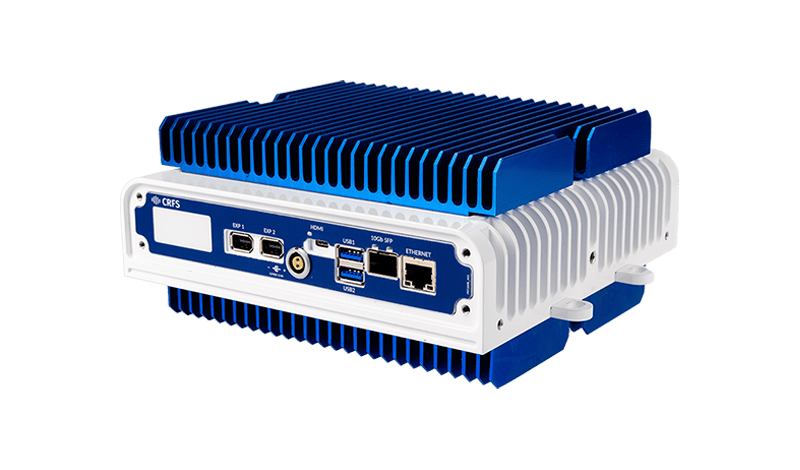

CRFS explores how integrating lightweight RF sensors into ISR drones and aerostats can extend detection ranges, improve situational awareness and support real-time intelligence gathering across land and maritime environments.
While surface-based radar systems are constrained by the Earth’s curvature and radar horizon, airborne platforms can provide an elevated vantage point for detecting and geolocating signals that would otherwise remain beyond line of sight. This can be particularly valuable for maritime domain awareness, border security and tactical battlefield intelligence.
The article examines several unmanned platforms and their practical applications. Tethered drones can provide persistent, 50+ hour surveillance while supplying RF sensors with continuous power and secure wired data transfer. Rotary drones offer greater manoeuvrability and rapid deployment, supporting tactical intelligence gathering, electronic warfare monitoring and the detection of illegal border activity.
Fixed-wing ISR drones can provide longer-range spectrum monitoring and geolocation, making them suited to maritime domain awareness and ISTAR operations in remote areas. Aerostats, meanwhile, can remain over a defined area for extended periods, creating a persistent airborne RF sensing capability for border security.
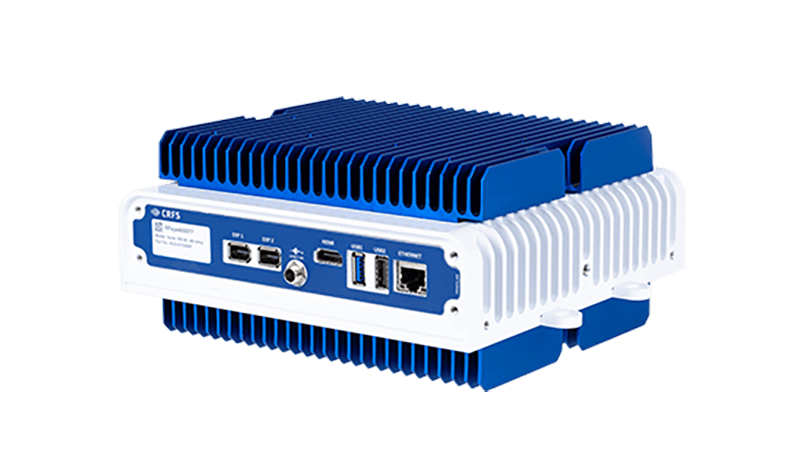
CRFS also highlights its lightweight Node 100-18-LW RF sensor, weighing under 2kg and designed for UAV integration. When combined with ground-based sensors and a Command and Control system, the airborne node can extend detection and Time Difference of Arrival (TDoA) geolocation coverage, providing a wider operational picture.
Read the practical applications of integrating RF sensors into ISR drones and aerostats.