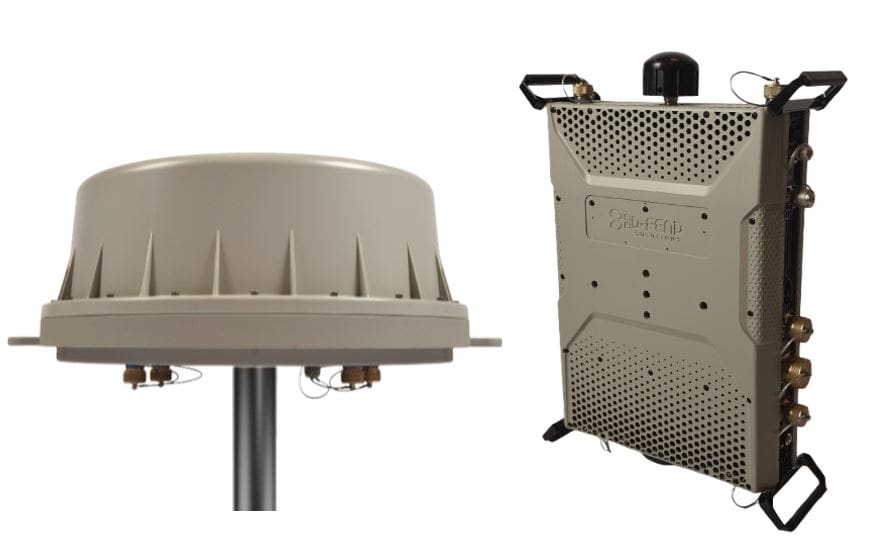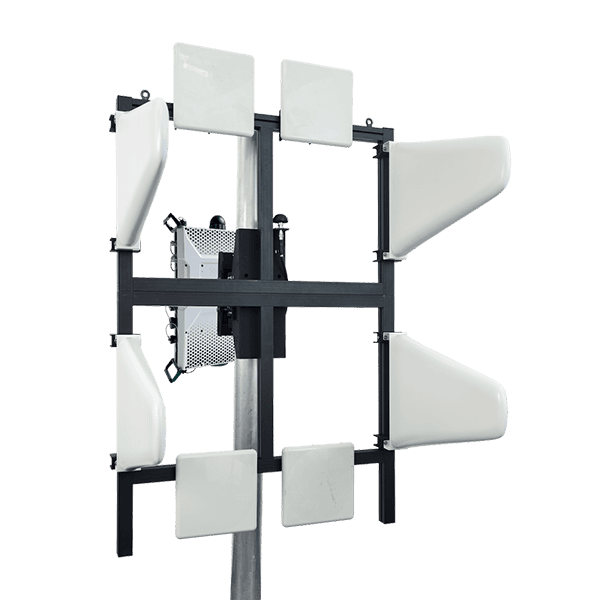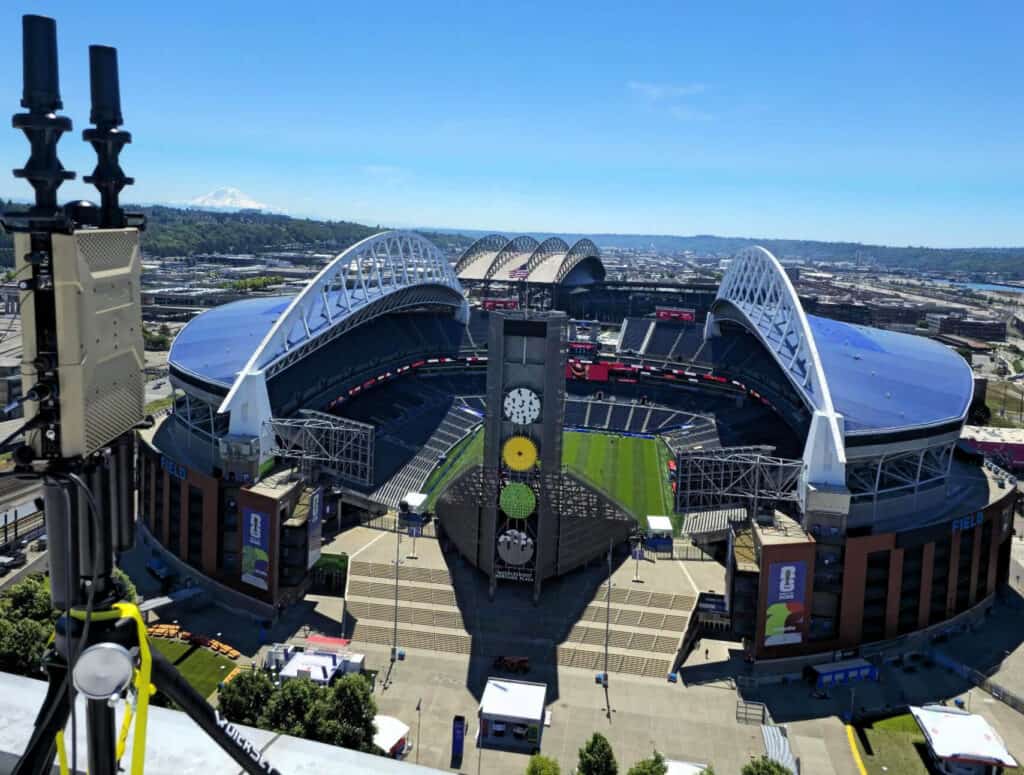



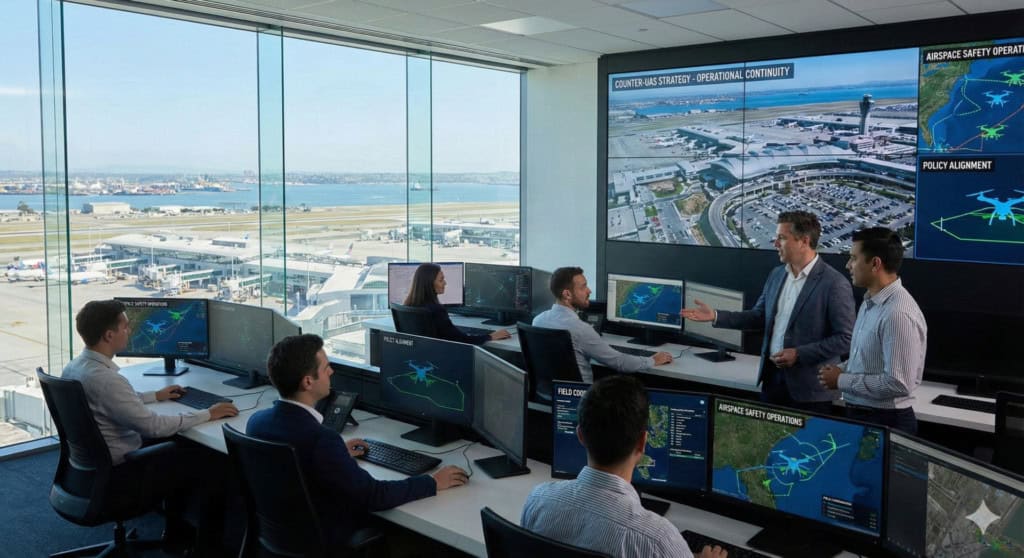
Counter-UAS strategies must account for technology, operational procedures, training, and sector-specific constraints. D-Fend Solutions’ EnforceAir provides RF Cyber-Takeover capability as part of an approach focused on controlled responses to unauthorized drone activity. Read more >>
As unauthorized drone activity expands across airports, prisons, critical infrastructure, public venues, borders, and maritime environments, D-Fend Solutions is addressing the need for counter-UAS capabilities to be aligned with operating procedures, site requirements, and established response policies.
The company’s EnforceAir system uses RF Cyber-Takeover to support the controlled management of unauthorized drones, forming one element of a broader counter-UAS strategy that also depends on training, operational workflows, and integration with existing security processes.
The distinction between owning a counter-UAS system and having a coordinated counter-UAS strategy can become particularly clear during an active incident. When a drone enters restricted or sensitive airspace, security personnel may have limited time to assess the situation while balancing safety, operational continuity, and the information available at the time.
In these circumstances, an individual counter-UAS capability forms only one part of the wider response.
Countering a Changing Drone Threat
Unauthorized drones are now encountered across prisons, airports, borders, critical infrastructure sites, public venues, and maritime environments.
The D-Fend Solutions Drone Incident Tracker records activity across multiple sectors and illustrates the recurring operational challenges associated with unauthorized drone use.
Correctional facilities may face repeated attempts to deliver contraband by drone, while airports can experience incursions that disrupt airspace operations and affect public confidence. Energy facilities, government sites, and industrial campuses may also encounter unauthorized drones operating close to sensitive assets.
Recent incidents demonstrate how widely the circumstances can vary.
On November 9, 2025, five unauthorized drones were detected over the Doel nuclear power plant in Beveren, Belgium, in violation of a strict no-fly zone.
A separate incident took place in Stockholm, Sweden, on November 8, 2025, when a drone flew over the Russian trade delegation’s villa and dropped paint and an unidentified sticky substance onto the building.
These events underline the importance of context when developing a counter-UAS strategy.
Each sector has its own risk profile, operating constraints, and tolerance for disruption. A response that is suitable in one environment may not be appropriate in another.
Moving Beyond Standalone Counter-UAS Tools
Early counter-UAS deployments often centered on individual capabilities such as drone detection or radio-frequency jamming.
Although these technologies can provide specific functions, treating them as complete solutions can create a gap between identifying an unauthorized aircraft and determining how personnel should respond.
Alerts may lack sufficient clarity, while response procedures may vary between teams if escalation and mitigation workflows have not been defined in advance.
A broader counter-UAS strategy therefore needs to consider how technology fits within existing security operations.
This can include coordination with command centers, alignment with established response procedures, and integration with wider site security measures.
By incorporating counter-UAS functions into existing operational frameworks, organizations can create a more coordinated response than approaches based on isolated capabilities.
Controlled Counter-UAS Mitigation
Technology selection remains a central part of counter-UAS planning, particularly in operating environments where disruption to surrounding systems or activities must be minimized.
Airports, correctional facilities, urban infrastructure, and public venues can present complex conditions in which an indiscriminate response may introduce additional risk.
Collateral disruption, operational downtime, or other unintended consequences can outweigh the threat presented by the drone itself.
This has contributed to growing interest in cyber-driven counter-UAS approaches that emphasize controlled outcomes.
D-Fend Solutions’ EnforceAir system provides RF Cyber-Takeover capability, allowing security teams to manage unauthorized drones and bring incidents toward a controlled resolution.
This approach aligns with environments where maintaining operational continuity is an important consideration alongside addressing the unauthorized aircraft.
Integrating Technology with Field Operations
Technology alone does not determine the effectiveness of a counter-UAS response.
Operators, security personnel, supervisors, and command staff require a shared understanding of how drone incidents are assessed and managed.
Defined workflows can cover escalation thresholds, information sharing, command responsibilities, and the relationship between an airspace event and wider security priorities.
Training is therefore a critical part of implementation.
Personnel need to understand system outputs, operational thresholds, and available response options within their specific environment.
Without this preparation, advanced counter-UAS systems may not be used consistently or effectively during live incidents.
Counter-UAS capabilities can also be incorporated alongside existing access control, perimeter protection, and incident-management processes.
Embedding drone response within established workflows helps make counter-UAS operations part of everyday security activity rather than a separate function used only during exceptional events.
Adapting Counter-UAS Systems to Different Sectors
Counter-UAS priorities differ substantially between operating environments.
Correctional facilities may focus on preventing contraband delivery while maintaining safety inside the institution.
Airports must consider airspace continuity and public safety.
Critical infrastructure operators may need to protect sensitive assets without disrupting essential services.
These differences make it important to define operational objectives before selecting technologies or response methods. Deployment flexibility can also shape strategic decisions.
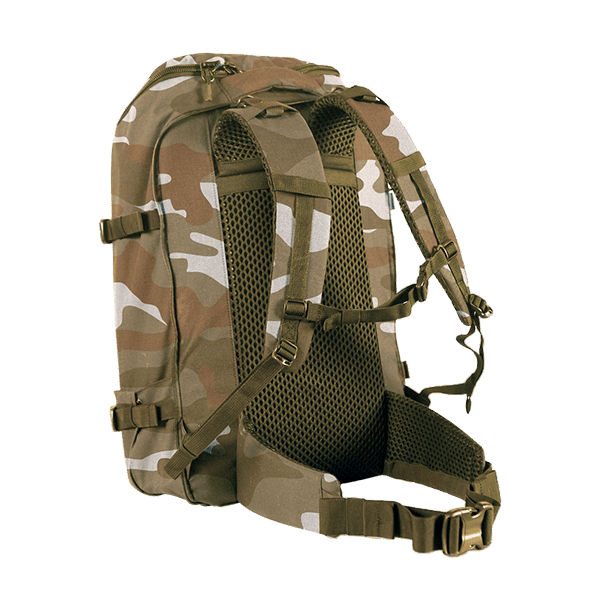
Organizations responsible for multiple locations or changing mission areas may require a combination of fixed and mobile deployments. An adaptable approach can support different sites and operating requirements as organizational needs evolve.
Scaling Counter-UAS Capability
The drone threat environment continues to change as new use cases, operating patterns, and deployment scenarios emerge.
A counter-UAS strategy designed only around current conditions may become less effective as those requirements develop. Scalability therefore remains an important consideration.
Organizations may need to extend counter-UAS coverage across additional locations, respond to changing risk profiles, or integrate further capabilities as operational needs change.
D-Fend Solutions’ broader portfolio includes modular, multilayer counter-UAS capabilities designed to support diverse missions and operating environments.
This allows organizations to develop counter-UAS strategies that can be adapted as operational requirements and threat conditions evolve.
Establishing a Coordinated Counter-UAS Strategy
An effective counter-UAS strategy depends on alignment between technology, policy, and field operations.
Incident information can help organizations understand relevant patterns of drone activity, while technology selection determines how unauthorized aircraft can be addressed within the constraints of a particular operating environment.
Training, procedures, and integration then determine how those capabilities are applied during an incident.
By bringing these elements together, organizations can move beyond isolated counter-UAS tools and develop a more coordinated approach to managing unauthorized drone activity across complex operating environments.