Review Display Systems (RDS) provides rugged technology solutions for military and defence Unmanned Aerial Vehicles (UAVs), drone platforms and other unmanned systems, with a customisable portfolio designed for demanding operating environments.
In this exclusive Q&A, UST spoke with Daniel Burke, Marketing Manager at RDS, to discuss rugged displays and HMIs, embedded computing, custom electronics, interconnects, power solutions, and lifecycle support for unmanned systems and ground control applications.
RDS supplies a wide range of rugged hardware, from displays and embedded systems to tablets, input devices, cable assemblies, and battery management solutions. How can these technologies support developers building complete unmanned systems and ground control solutions?
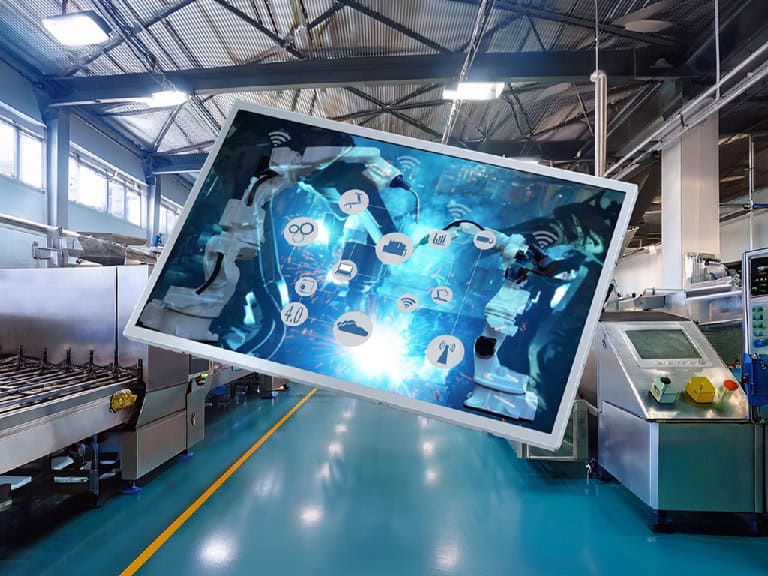
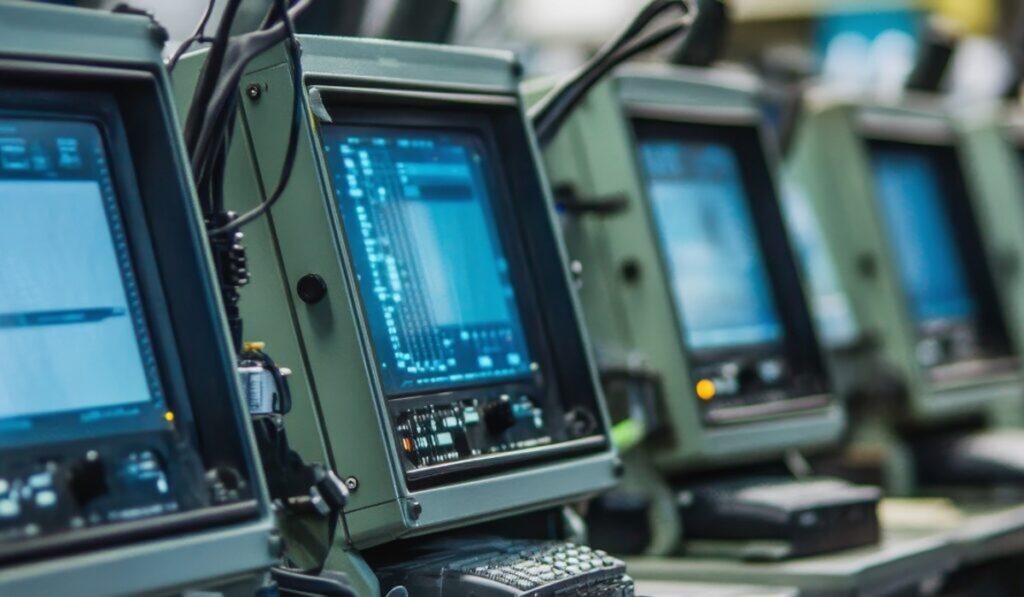
RDS supplies a comprehensive range of rugged, highly customisable hardware, including high-brightness sunlight-readable displays and HMIs, secure embedded computing platforms, rugged tablets, specialised input devices such as keyboards and joysticks, custom cable assemblies, and Battery Management Systems (BMS). Together, these technologies can support developers building complete and reliable unmanned systems, including UAVs, Unmanned Ground Vehicles (UGVs), Unmanned Surface Vehicles (USVs) and other unmanned platforms, as well as Ground Control Stations (GCSs).

These components meet stringent standards such as MIL-STD-810, MIL-STD-461 and IP65/IP68, supporting situational awareness, real-time processing for autonomy and sensor fusion, durable operator interfaces, robust interconnectivity and dependable power in extreme environments.
By offering end-to-end design, prototyping, testing and manufacturing support with long-term availability, RDS allows developers to integrate these technologies into cohesive platforms while focusing on software and mission-specific logic. One example is the rapid delivery of a portable, all-in-one GCS for uncrewed surface vehicles, combining a large PCAP touchscreen, high-performance SBC, IP-rated controls and lightweight construction.
What display and HMI challenges does RDS typically help customers solve when developing GCSs, handheld controllers, or vehicle-mounted status screens?
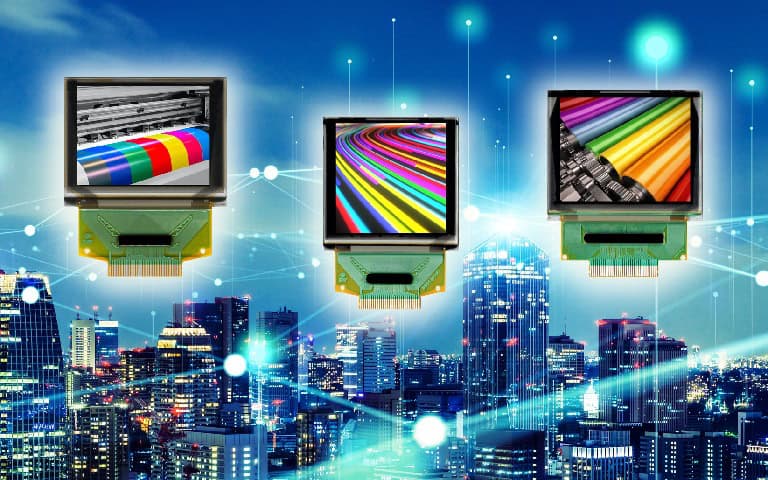
RDS helps customers address a range of display and HMI requirements, including screen size, vibration resistance, operating temperature, brightness, robustness and impact resistance. The company can also support requirements relating to interfaces, UV coatings and the prevention of false touch inputs.
How can RDS’ embedded boards and custom electronics support onboard processing tasks such as camera feeds, sensor integration, AI, autonomy, and power management?
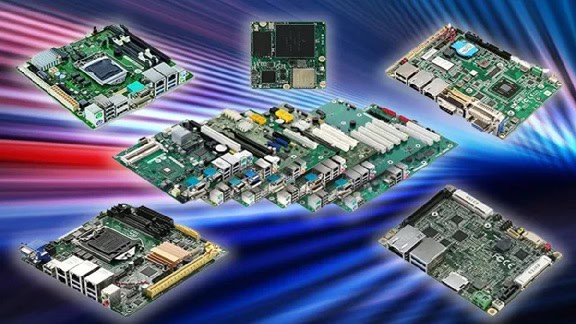
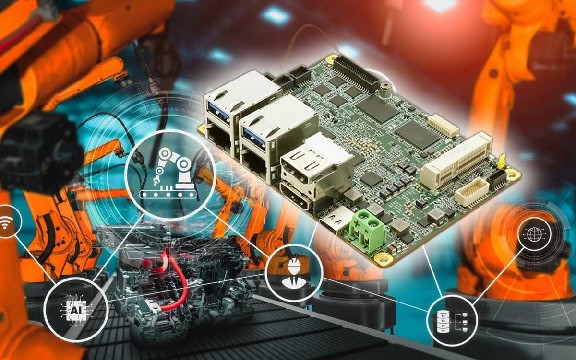
RDS has a wide selection of suppliers and technologies. The company has systems designed to process live video feeds and incorporate neural AI processing, while custom boards can also be designed and built to customer specifications.
Customisation appears to be a key part of RDS’ offering. Can you share examples of how tailored displays, enclosures, input devices, embedded boards, or battery systems help customers meet specific platform requirements?
Engineering to suit customer requirements is a key part of what RDS does, having built systems incorporating custom keyboards and touchpads, custom keycaps, backlights, interfaces, and driver boards. Displays can be produced in custom shapes and sizes subject to minimum order quantities, with options including custom cover glass, touch interfaces and backlights.
RDS has also designed systems to fit within transportation cases for the remote control of large surface and marine systems, with customised keyboards, trackpads, switching, communications and power systems.
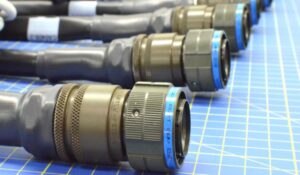
Reliable connectivity is critical across vehicle and ground system integration. How can RDS’ custom cable looms, wiring harnesses, and EMI-shielded interconnects help reduce risk and improve reliability?
A cable may appear to be a relatively simple component, but consumer cables and connectors are not designed to withstand the levels of abuse, heat, cold, vibration and water ingress that can be encountered in harsh operating environments.
RDS can design and build custom cable solutions for the military and marine markets with these conditions in mind. Military-grade connectors and communications standards are used to support reliability in the field, along with shielding and protection against mechanical damage.
Long-term supply, certification, cybersecurity, and obsolescence planning are major considerations for advanced technology programmes. How does RDS support customers from early design through to production and lifecycle support?
RDS uses supply chains with long-term support, ensuring components have lifespans of more than 10 years, alongside structured phase-out notices to enable customers to plan for security of supply. The company’s supply chain is global and backed by Volex, giving RDS access to established sourcing and supply-chain capabilities to support long-term worldwide availability and obsolescence management.
RDS holds ISO 9001 and ISO 13485 certifications, while additional military-related certifications are available through its sister company GTK and parent company Volex. This supports consistent quality and long-term support throughout the product lifecycle.
Thank you for your time. We look forward to following RDS’ continued work across rugged displays, embedded computing, connectivity and control solutions for unmanned systems.