

Review Display Systems (RDS) has expanded its range of rugged display technologies engineered to support demanding industrial applications.
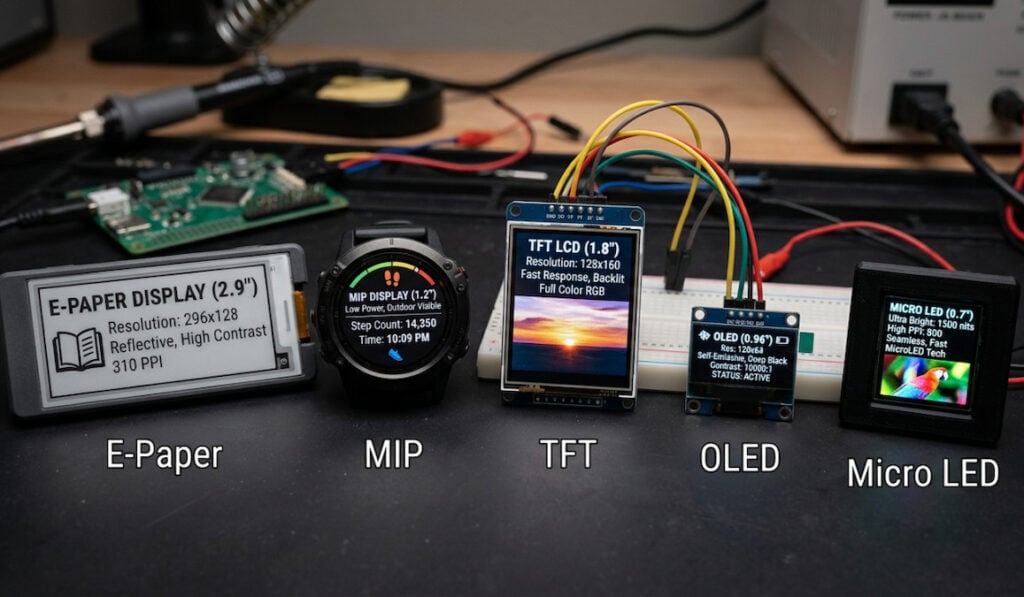
The expanded lineup encompasses Memory-in-Pixel (MIP), e-Paper, TFT LCD, OLED, Micro LED, and micro-OLED solutions, each selected to match specific power, readability, and durability requirements across industrial environments. Drawing on over 40 years of experience in system design and manufacturing, RDS integrates these display technologies with optical bonding, custom enclosures, projected capacitive touch interfaces, and comprehensive engineering support, including lifecycle management.
Designed for ultra-low power consumption and strong sunlight readability, MIP displays store image data within individual pixels to maintain static content with near-zero power draw, making them suited for battery-powered sensors, handheld meters, smart thermostats, and portable industrial instruments. For larger-format requirements, e-Paper displays consume energy only during image updates, delivering paper-like clarity in bright conditions and wide viewing angles for electronic shelf labels, warehouse signage, logistics tracking tags, remote monitoring stations, and outdoor information displays.
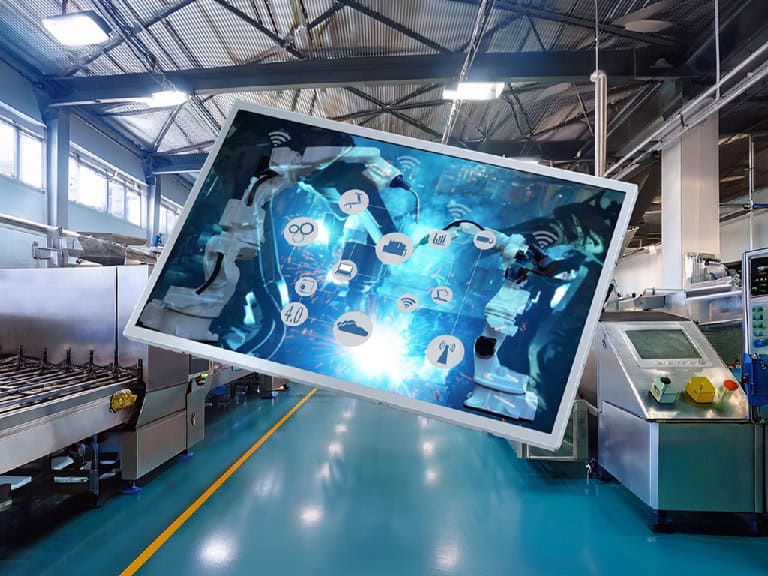
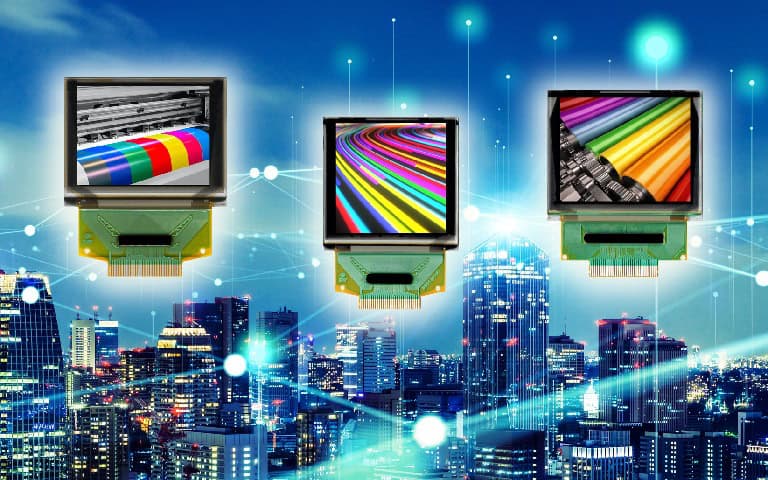
High-brightness, optically bonded TFT LCDs support factory automation Human-Machine Interfaces (HMIs), process control panels, machinery interfaces, and outdoor kiosks, with wide operating temperature ranges typically spanning –40°C to +85°C and robust environmental sealing. For applications requiring high contrast and fast response in compact form factors, OLED technology provides clear visualization in variable lighting, while self-emissive Micro LED and micro-OLED options offer high brightness, excellent contrast, and strong resistance to burn-in for demanding visualization tasks.
Daniel Burke, Marketing Manager at RDS, commented, “This combination of supply and services enables industrial users to select the most appropriate solution for them, helping to speed products to market, improve reliability, enhance operator interfaces and reduce total cost of ownership.”
The display technologies support applications across industrial and defense environments, including smart manufacturing, predictive maintenance, military vehicles, avionics, Unmanned Aerial Vehicles (UAVs), Ground Control Stations (GCSs), Command-and-Control (C2) systems, and night-vision compatible displays.