


In this Q&A guide, Alex Joyce, Head of Public Safety Technology at LiveU, discusses how resilient video transmission and connectivity technologies can support unmanned operations, emergency responders, and public safety teams in challenging environments.
Who is LiveU, and why does broadcast-grade video technology matter to public safety?
For two decades, LiveU has supported live news broadcasting in challenging and unpredictable network conditions. Public safety agencies face many of the same connectivity challenges when operating in disaster zones, at congested events, or in remote locations.
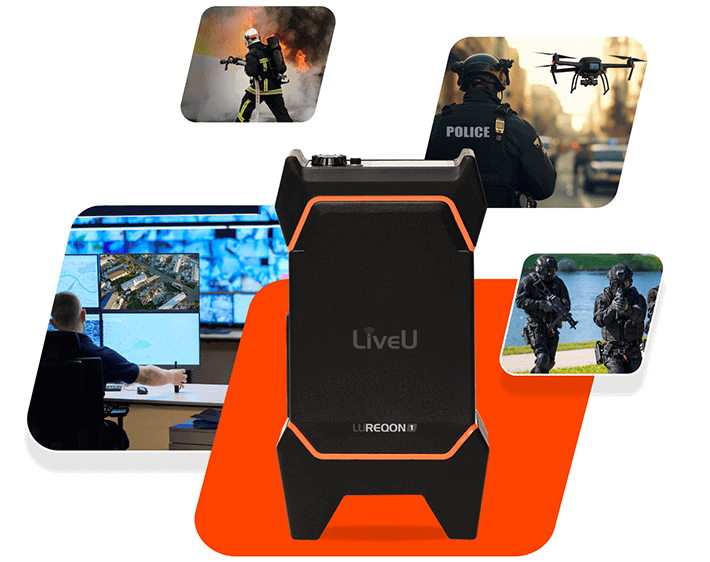
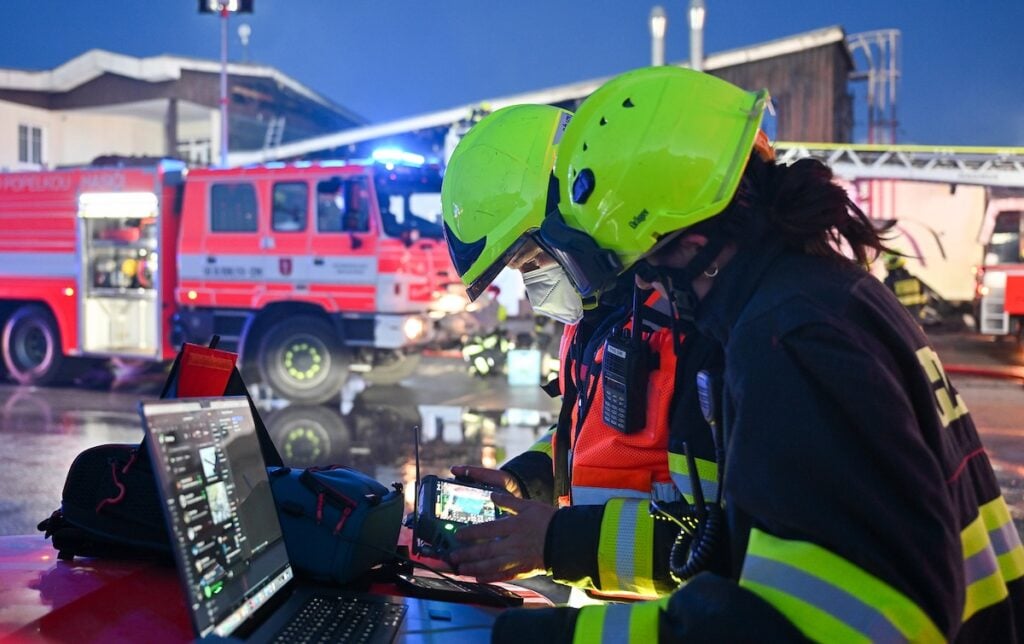
LiveU brings this experience to emergency management, law enforcement, departments of transportation, and first response teams. The company’s goal is to connect field teams, drones, vehicles, and command centers in real time with sub-second latency.
What is the LiveU EcoSystem, and how does it address the challenges of fragmented tools?
Many agencies currently rely on disconnected tools and separate applications for drones, manned and unmanned vehicles, fixed and temporary surveillance sensors, vehicle cameras, and Special Response Teams (SRT).
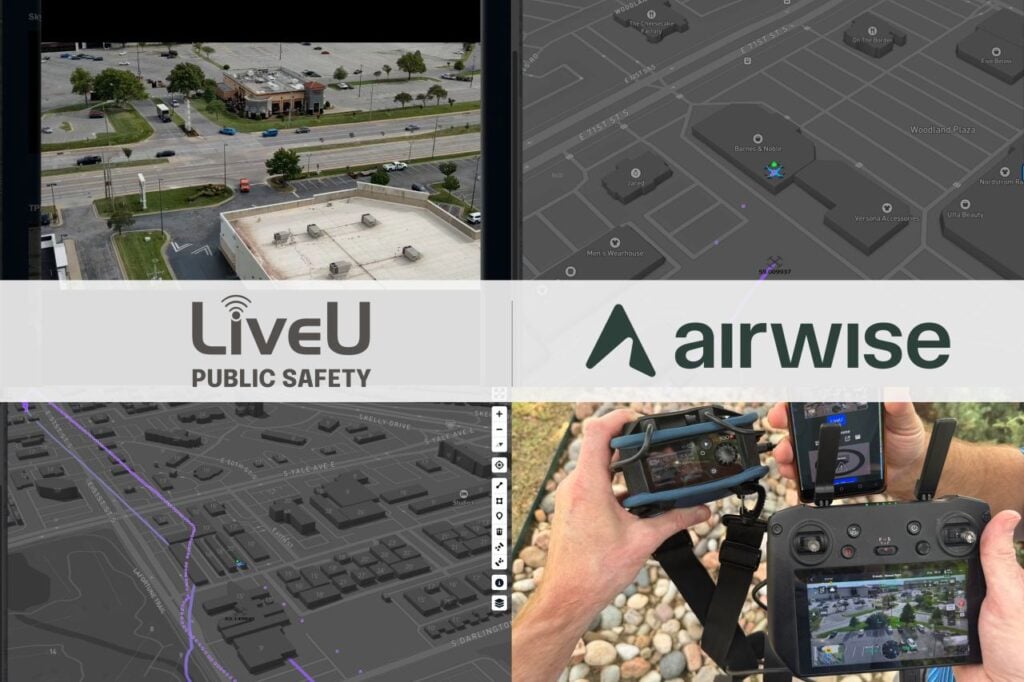
Built on an open architecture, the LiveU EcoSystem serves as a unified transport and management layer. It gathers visual intelligence (VISINT) from air, land, and sea, bringing it together into a single Common Operating Picture (COP). The system integrates with existing software and video management platforms, including VMS, GIS, SCADA, and Real-Time Crime Center (RTCC) software, allowing agencies to use their existing technology infrastructure without requiring a complete overhaul.
Which LiveU EcoSystem products are relevant to public safety operations?
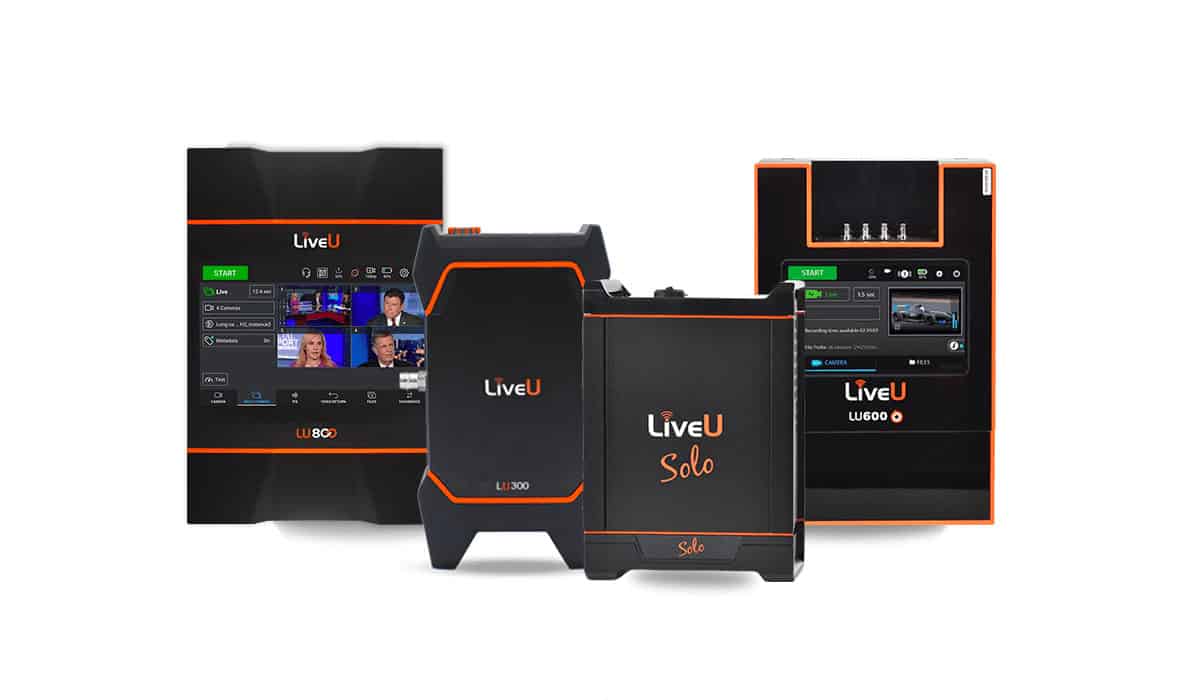
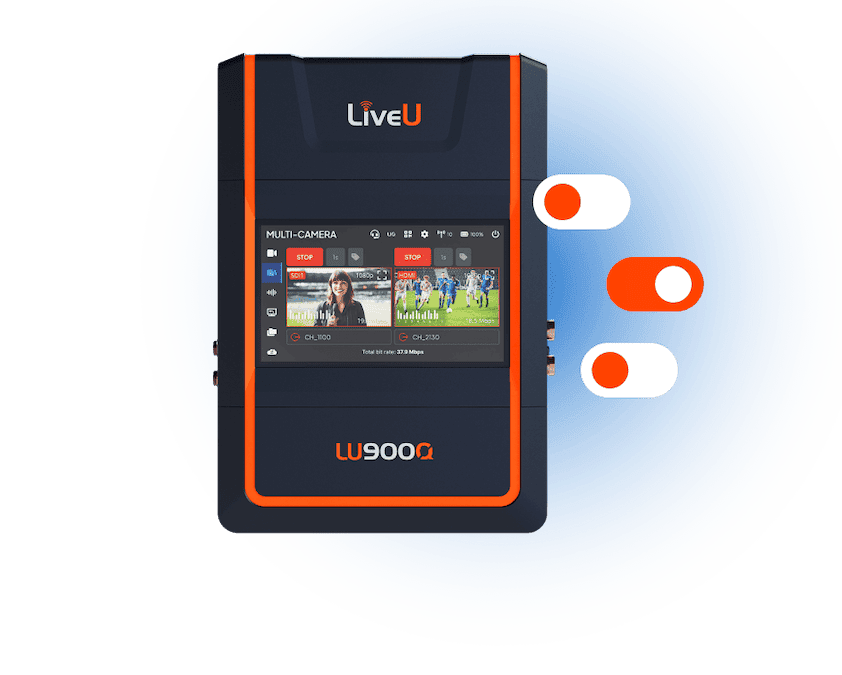
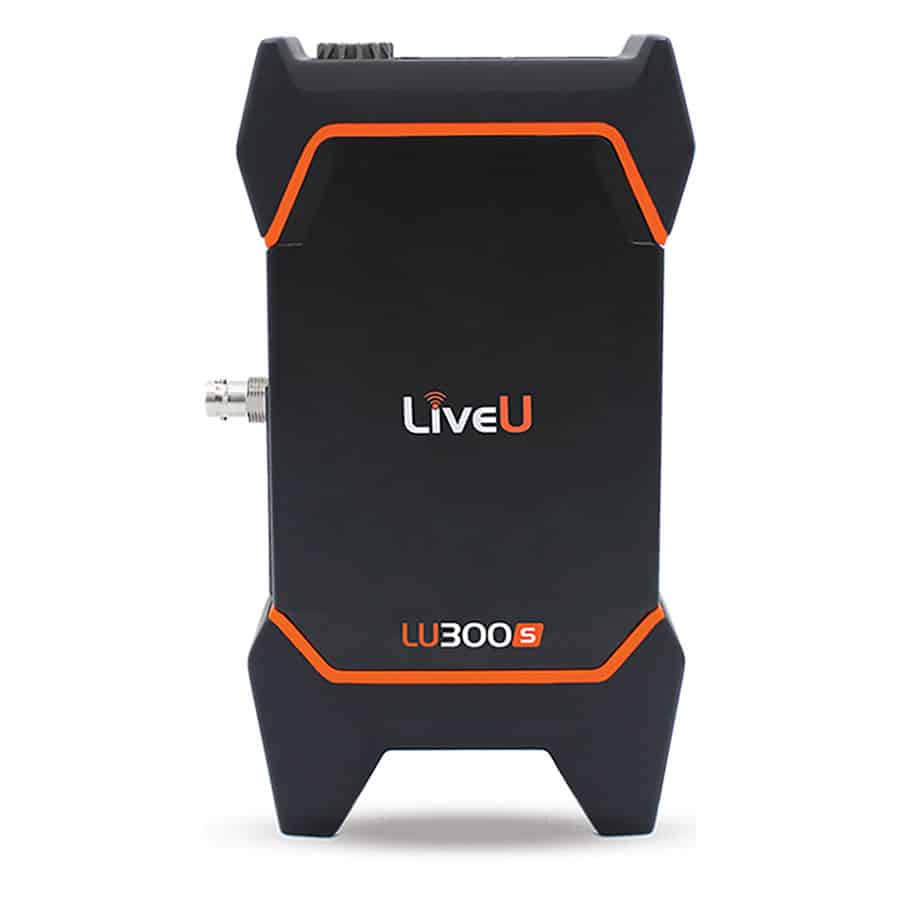
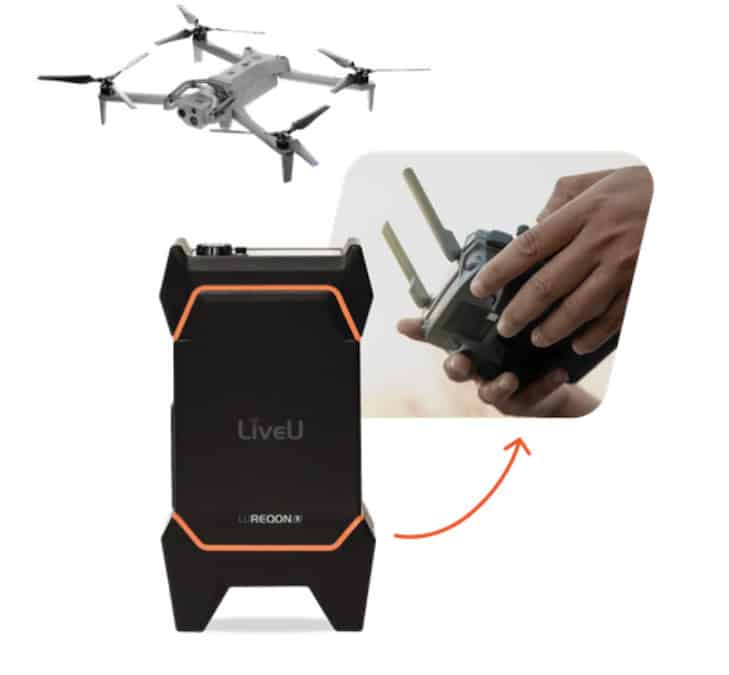
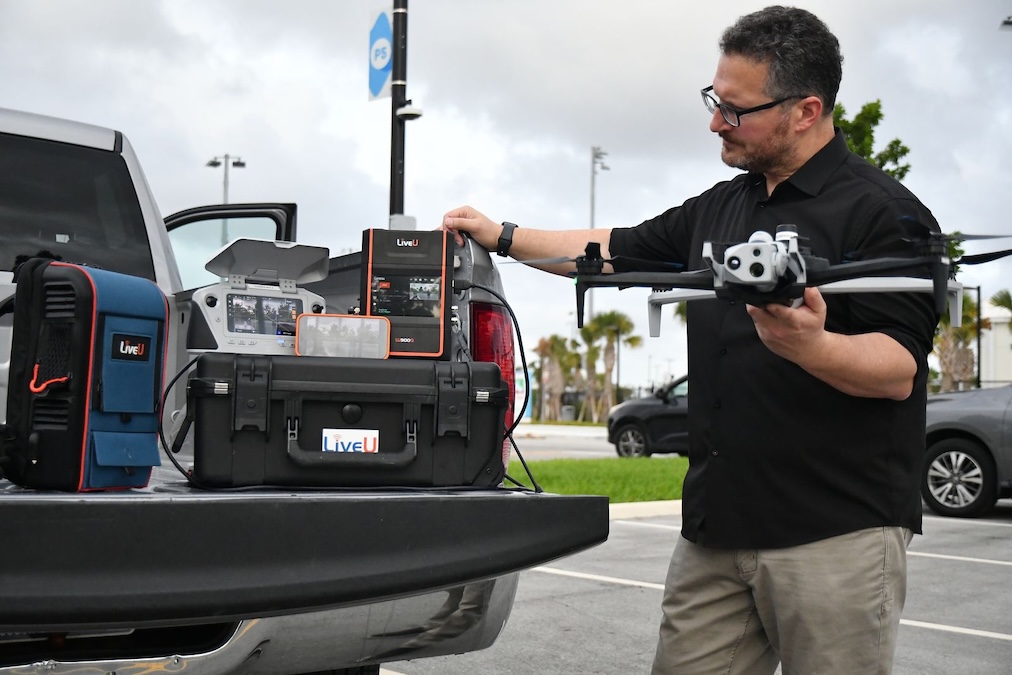
LiveU’s portable, rugged field units, including the LU-REQON1, multi-channel LU900Q, and LU800, are designed to transmit real-time video from a range of sources to different destinations. They are compatible with leading drones and uncrewed systems, supporting critical mission visibility.
LiveU field units use the company’s patented LiveU Reliable Transport (LRT™) protocol and LiveU Intelligent Quality (LiQ™) technology, combining 4G/5G, Wi-Fi, Ethernet, and satellite connectivity to provide a robust transmission connection where conventional single-SIM solutions may struggle.
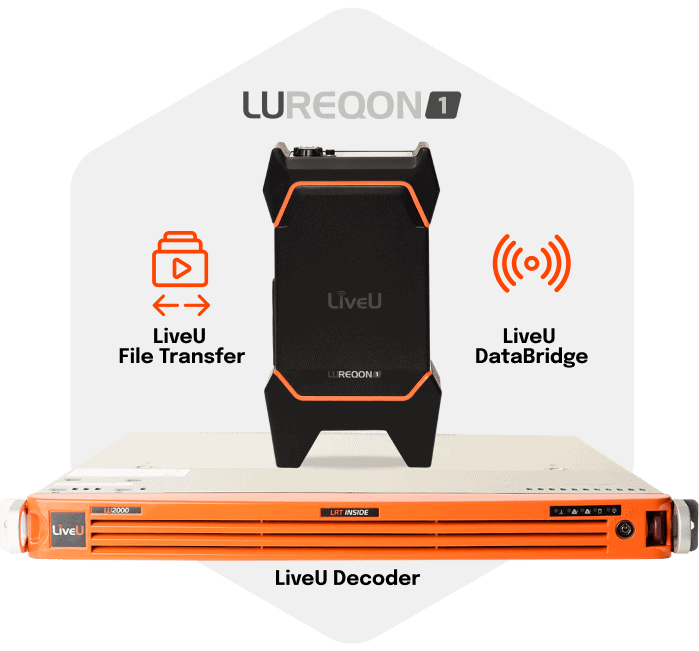
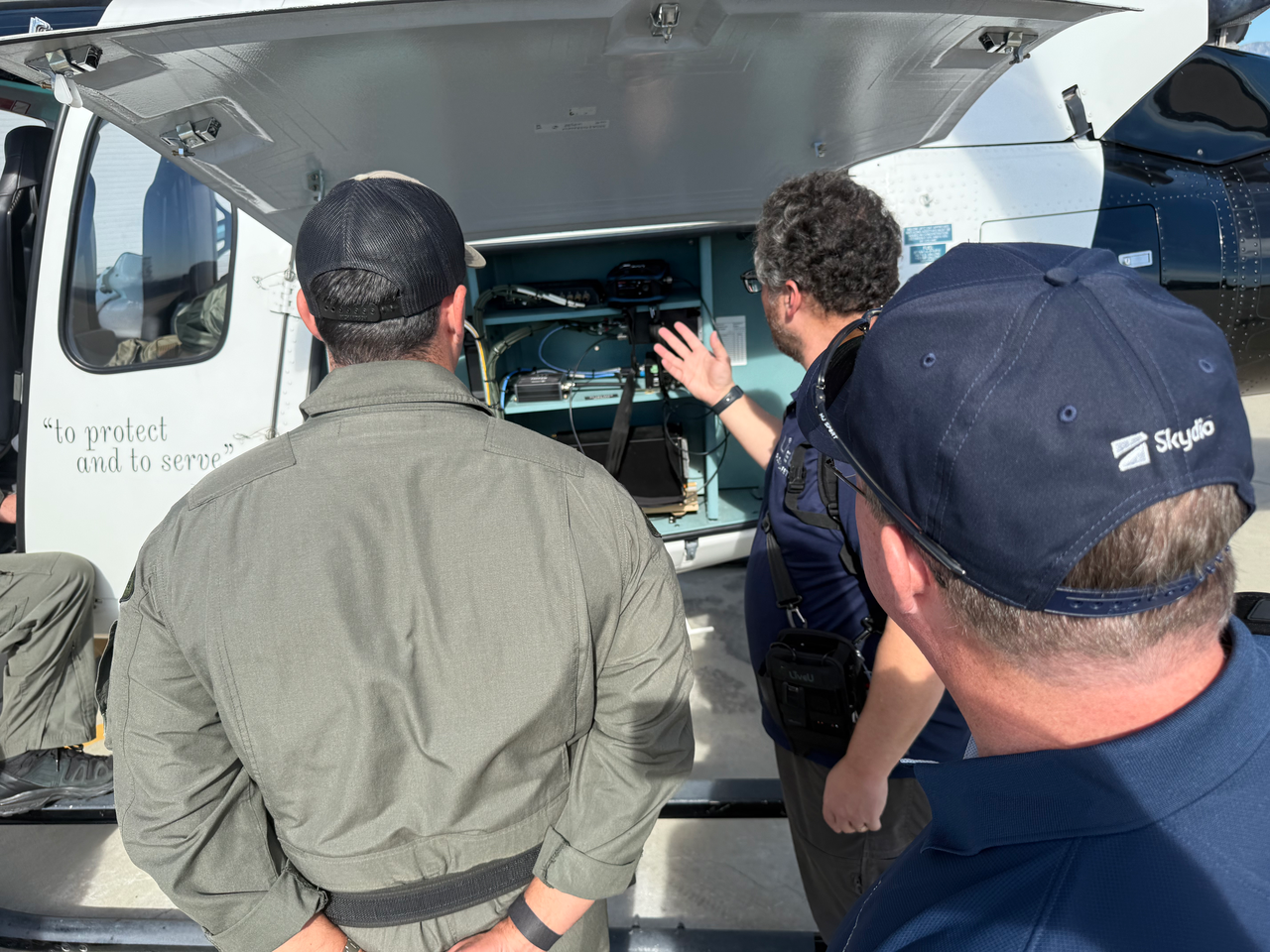
Additional capabilities include VideoBridge for live and store-and-forward video, DataBridge for resilient field Wi-Fi and Ethernet connectivity, FileBridge for rapid file and folder transfers, and RadioBridge for Land Mobile Radio (LMR) audio integration.
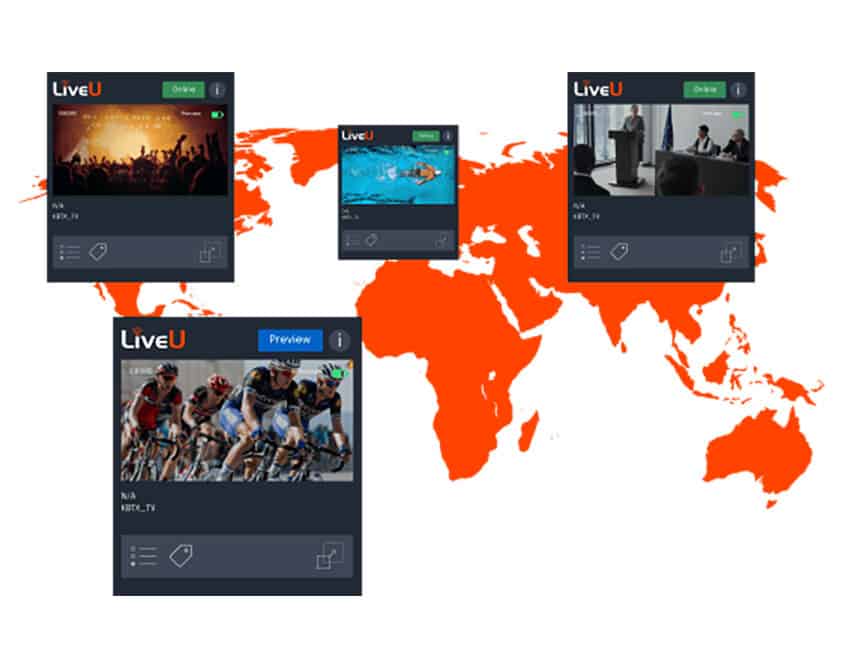
The wider ecosystem also includes LiveU Central for C2 unified cloud-based device and feed management, LiveU Ingest for optional automatic recording and metadata transfer, LiveU Matrix for cross-agency feed sharing, and LiveU Studio for cloud production and Public Information Officer (PIO) briefings.
What are the main differences between the LU-REQON1™ and LU900Q field encoders?
The LU-REQON1 encoder is designed for rapid deployment and supports a single video input. It is suited to drones, mobile teams, vehicles, and temporary operational hot zones. The LU900Q field encoder supports a broader range of mission requirements, with dual video inputs. It combines real-time video transmission, secure file transfers, data workflows, and precise GPS location tracking within a single unit.
How do LRT, LiQ, and Automated PACE help maintain video feeds in congested or remote areas?
LRT™ uses IP bonding to combine multiple networks simultaneously, including 4G/5G cellular, Wi-Fi, satellite connections such as Starlink, mesh networks, and FirstNet. The technology divides video data and routes it across available networks before reassembling it seamlessly at command.
LiQ™ automatically monitors network fluctuations in real time and dynamically adjusts bitrates to help maintain continuous video transmission during active missions. LiveU’s Automated PACE approach supports Primary, Alternate, Contingency, and Emergency connectivity layers to help eliminate single points of failure.
What is VideoBridge, and how does it support mission flexibility?
VideoBridge allows agencies to adapt video transmission according to real-time mission requirements and network conditions. It supports live streaming for immediate situational awareness, alongside store-and-forward workflows that capture high-resolution footage when network coverage is unavailable and automatically transmit it once connectivity is restored.
How does DataBridge turn field units into mobile connectivity hubs?
DataBridge transforms a LiveU field unit into a bonded, high-speed Wi-Fi hotspot or Ethernet router. Rather than relying on a single cellular modem, it bonds available cellular and satellite connections to provide connectivity for field laptops, tablets, drone docks, controllers, and tactical applications in remote or disaster-affected environments.
How does FileBridge support file transfers and post-event analysis?
FileBridge transfers large video files, drone mapping folders, and high-resolution imagery directly from the field to HQ systems at speeds of up to 2 GB per minute. Files can be routed directly into LiveU Ingest or connected Video Management System (VMS) platforms, making them accessible remotely. This removes the need for manual SD card or USB transfers and helps accelerate incident reviews, damage assessments, and investigations.
How does RadioBridge integrate with traditional radio systems?
RadioBridge extends LMR systems into the wider LiveU EcoSystem. Audio can be connected through approved headset interfaces on field units or via the LiveU Control+ app, allowing traditional radio users, drone operators, and central command teams to communicate within the same voice environment across long distances.