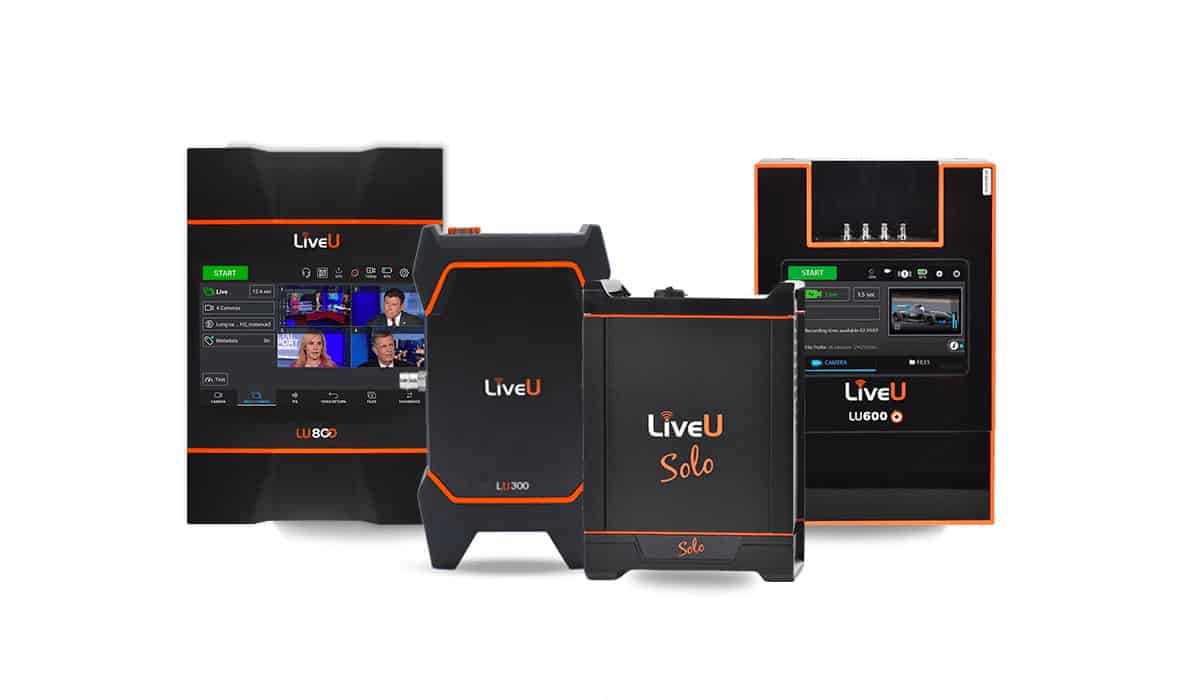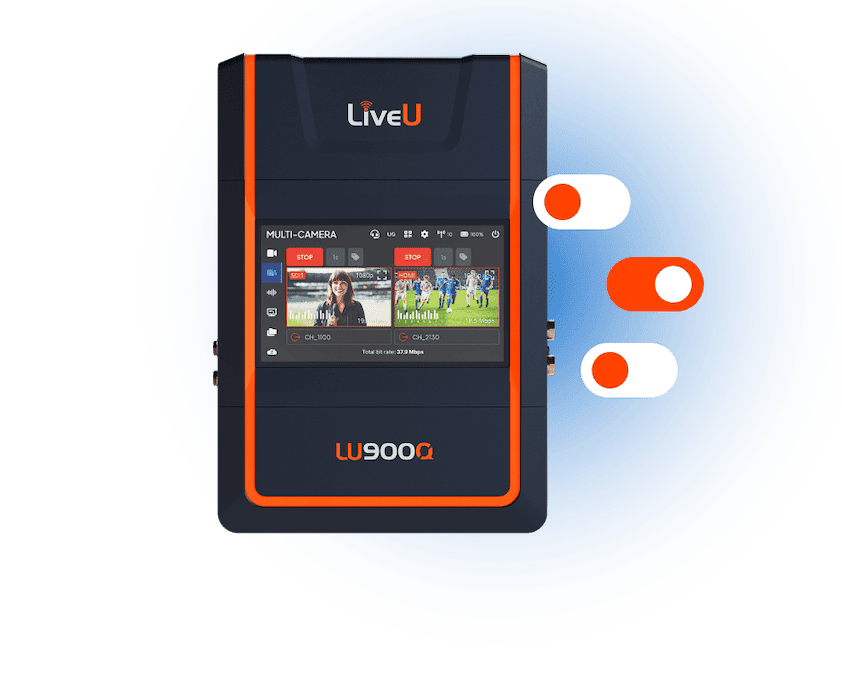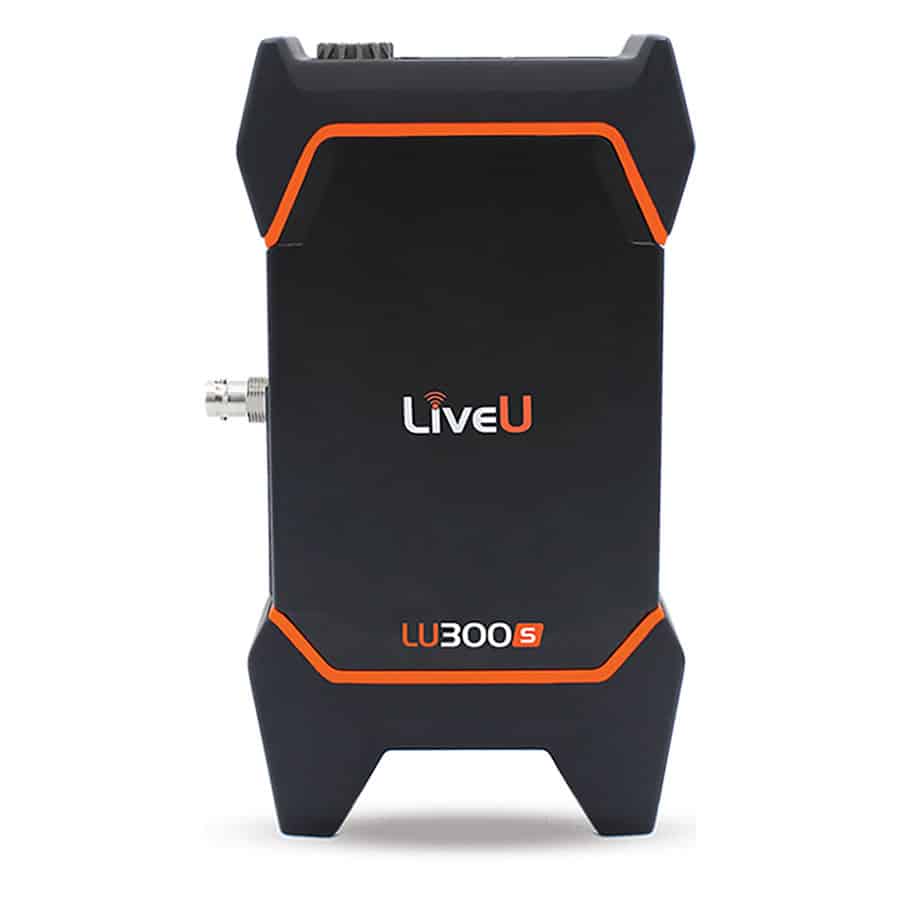
LiveU bonded IP video technology is supporting broadcast coverage and public safety communications during this summer’s global championship soccer tournament across North America.
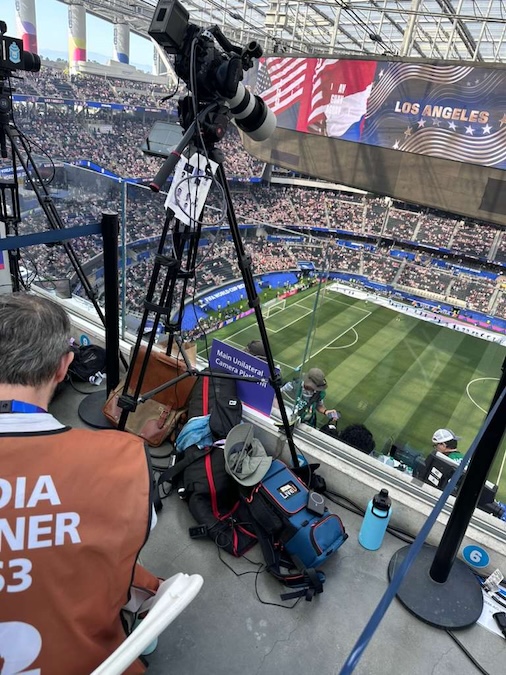
The event features 48 national teams competing in 104 matches across 16 host cities in the U.S., Canada, and Mexico. Broadcasters, production companies, teams, and independent creators are leveraging LiveU’s low-latency technology for round-the-clock coverage of tournament venues and fan zones.
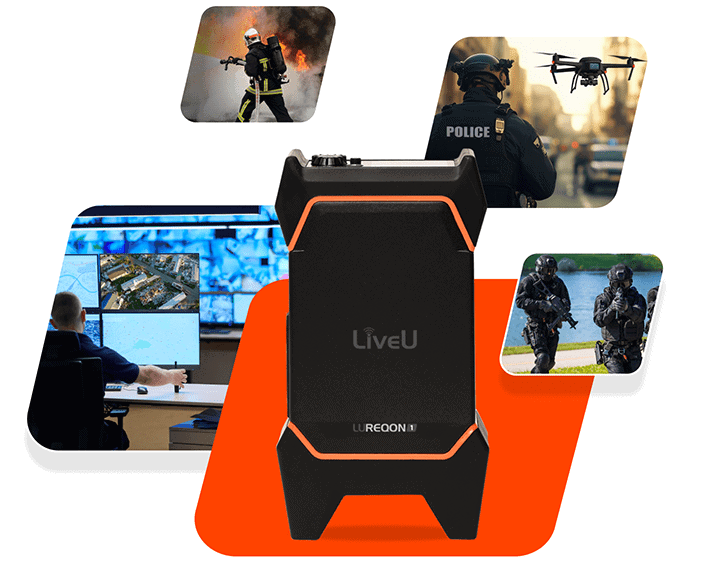
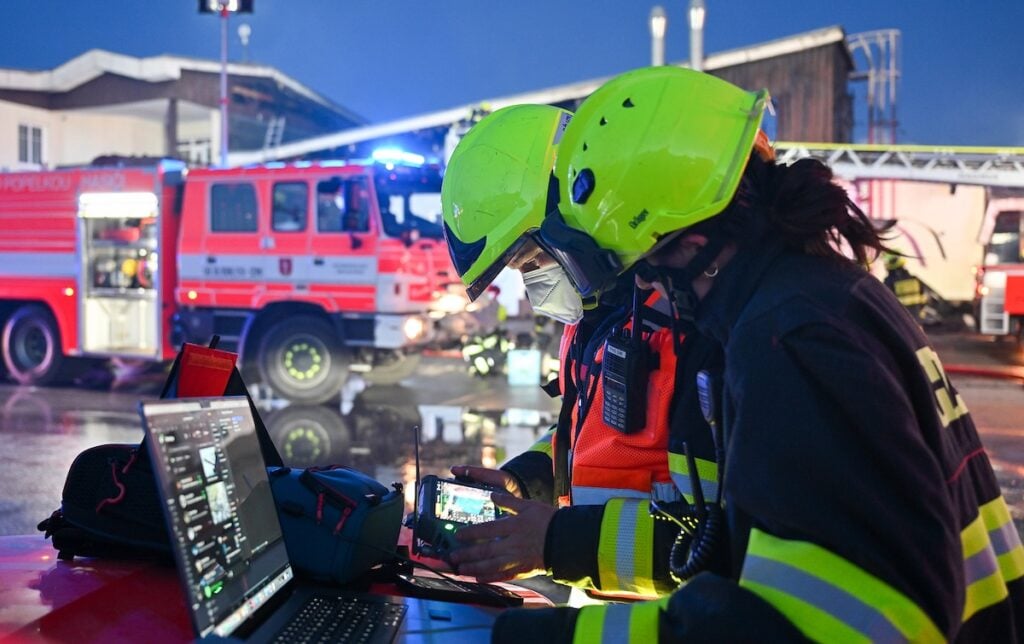
LiveU is also working with more than 100 local, state, and federal agencies to support public safety operations across a wide operational environment that includes stadiums, transportation hubs, airports, hotels, training sites, entertainment venues, and wider city infrastructure.
To help maintain connectivity when packed crowds overwhelm local cellular networks, LiveU technology combines multiple cellular carriers, Wi-Fi, wired, and satellite connections into a single resilient link. LiveU IQ (LIQ™) uses artificial intelligence to switch between carriers in real time, helping maintain the strongest available connection. LiveU Reliable Transport (LRT), the company’s video-over-bonded-IP protocol, maintains stable, low-latency feeds even when individual networks experience congestion.
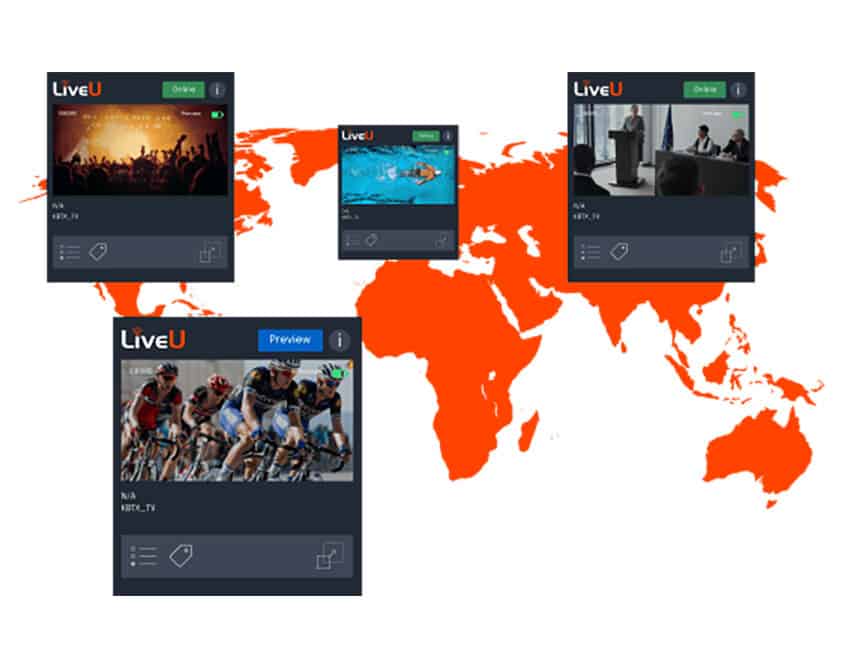
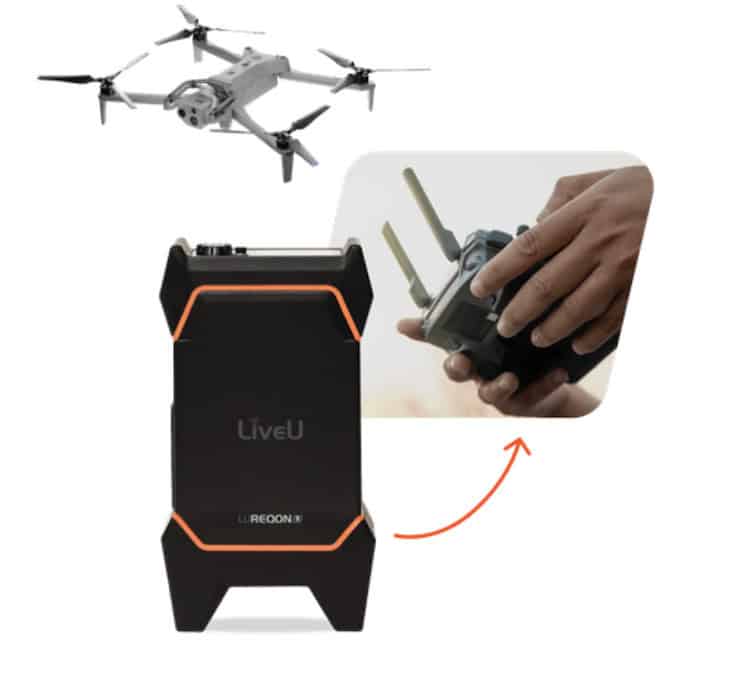
For multi-agency coordination, LiveU Central provides broadcasters, federal agencies, police, transit teams, and security operators with secure access to live video feeds without custom integration. The Command & Control platform enables agencies to stream video from unmanned vehicles, drones, helicopters, and fixed cameras into a single command-center Multiview, which can then be shared with field teams.
LiveU Central also allows agencies to remotely control, monitor, and configure video workflows, while integrating with video management systems (VMS) and real-time information centers (RTIC).
Gideon Gilboa, Chief Business Officer, at LiveU, commented, “LiveU has spent the past several years working alongside local, state and federal agencies, earning their trust in situations where lives are on the line. Now that work is playing out on the world’s largest stage.”
The company states that public safety applications introduce a different level of operational risk, as a dropped video feed can affect emergency response efforts rather than only impacting broadcast revenue.
Kevin Cresswell, a global defense and security specialist who serves on the International Association of Chiefs of Police project team for this summer’s tournament, stated, “You cannot manage what you cannot see, and at an event of this scale you cannot afford to wait for a report to reach you. The agencies that do well this summer will be the ones with the clearest, fastest and most widely shared view of what is actually happening on the ground.”
Alex Joyce, head of public safety technology at LiveU, added, “When every cellular carrier near a stadium is at capacity, that is exactly the moment first responders need real-time situational awareness. Our job is to ensure this information reaches every first responder in real time. LiveU technology creates an automated PACE (Primary, Alternate, Contingency, Emergency) plan and load-balances across carriers and networks to keep the video feed clear even when a venue’s cellular capacity is strained by thousands of users.”