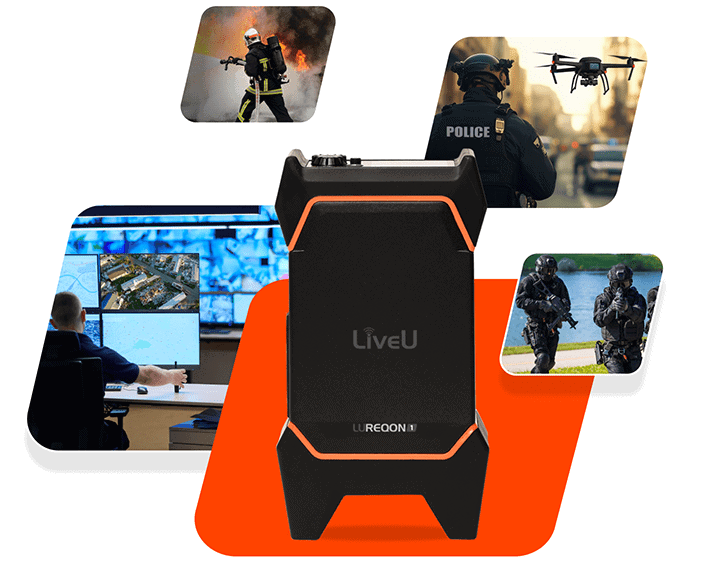
LiveU outlines how IP video is changing security operations at major events, drawing on lessons from FIFA World Cup security operations and considerations for future events such as LA28.
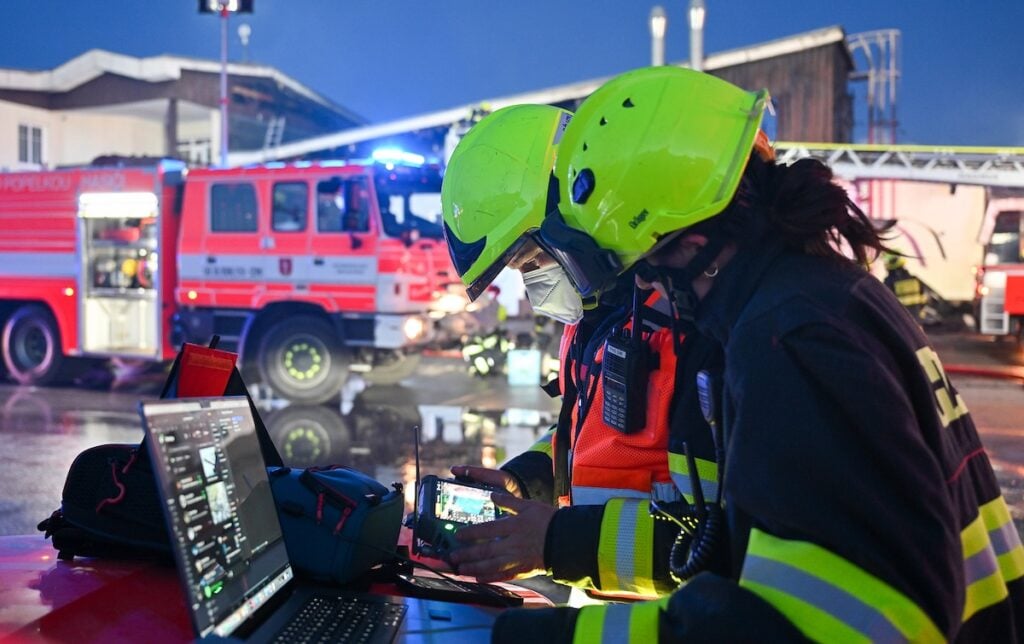
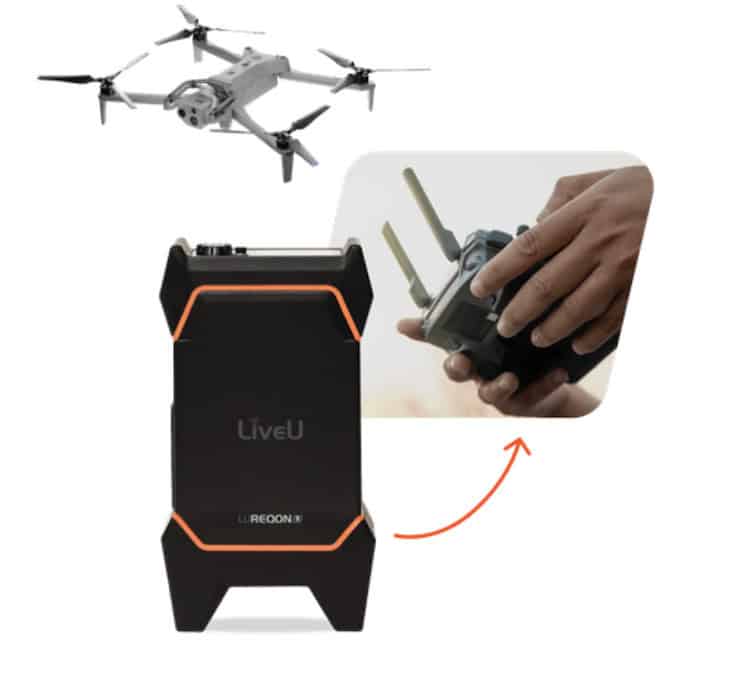
The company’s IP-bonded connectivity is designed to transport live video from field sources including drones, vehicles and fixed cameras to command centers, mobile command posts and authorized personnel. By aggregating available network paths, the approach supports continued video transport as connectivity conditions change.
This reflects a broader shift in the role of video, from documenting incidents toward providing visual information while situations are still developing. The challenge is therefore not simply deploying more cameras, but connecting video across locations and organizations, maintaining resilient communications and establishing appropriate access controls.
Moving Beyond the Control Room
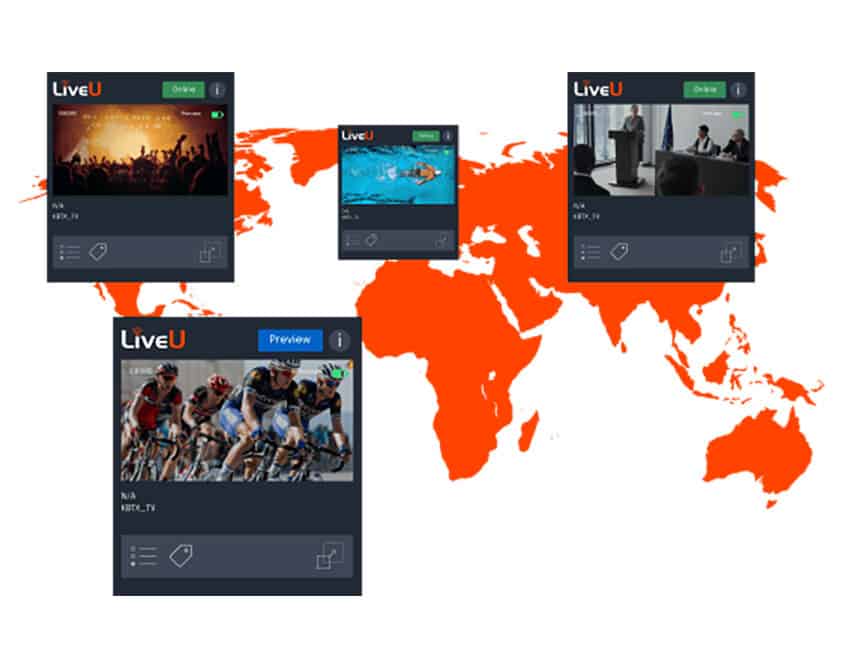
IP video allows feeds from fixed cameras, body-worn systems, drones, vehicles and temporary surveillance platforms to reach authorized personnel in different locations.
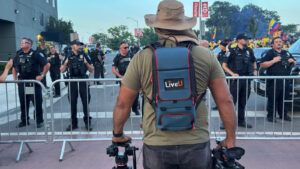
This distributed approach is particularly relevant to major events, where security operations can extend beyond stadium boundaries to transportation hubs, fan zones, hotels, training facilities, approach routes and surrounding public spaces.
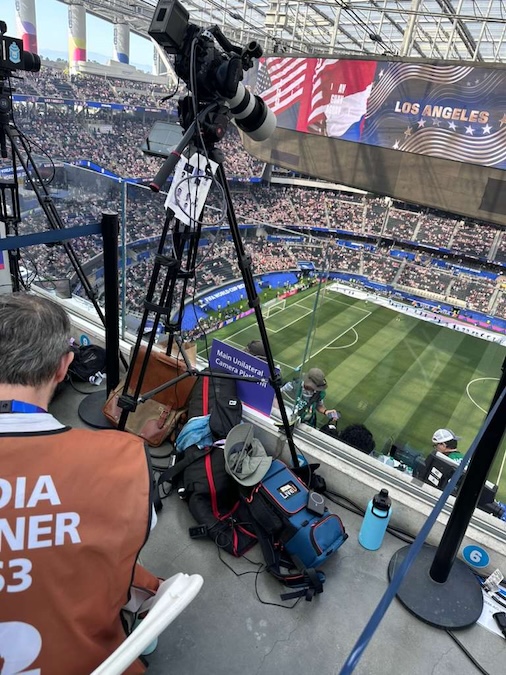
The 2026 FIFA World Cup highlighted the scale of this requirement, with security operations extending across multiple locations. Information therefore needed to move between sites and different levels of command rather than remaining within individual control rooms.
IP-bonded field-to-command connectivity provides one method of connecting distributed video sources with authorized destinations, allowing footage from drones, vehicles and cameras to contribute to a broader operational picture.
Lessons From Previous FIFA World Cups
Previous tournaments provide examples of how shared video can support decisions while situations are developing.
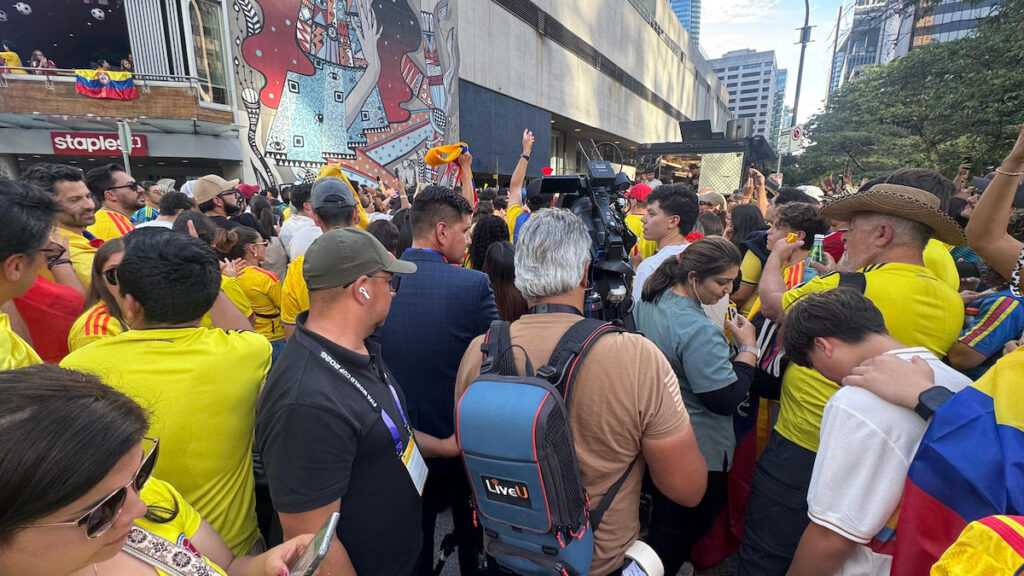
During the FIFA World Cup Qatar 2022, command teams monitoring FIFA Fan Zones identified a densely packed crowd developing outside an entrance. Live footage helped establish where crowd pressure was increasing and supported intervention before serious injuries occurred. Subsequent analysis identified a site-design issue, which was addressed through physical changes made overnight.
At the 2006 FIFA World Cup in Germany, Stuttgart used an IP video network spanning transportation infrastructure, the stadium environment and wider city systems. Individual agencies retained responsibility for their own areas while being able to view video from other operational zones when required.
These examples illustrate how the operational value of video can extend beyond capturing footage to securely making relevant visual information available across organizational and geographic boundaries.
Six considerations for major-event security
Distributed access: Video is no longer dependent on a permanent control room. Authorized commanders can receive relevant feeds while operating from different locations.
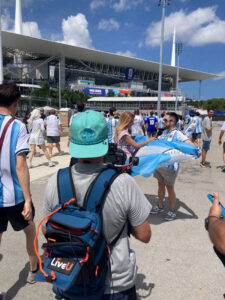 Information sharing: Additional cameras do not necessarily improve situational awareness when systems remain isolated. Governance, permissions and interoperability need to be established before an event.
Network resilience: Connectivity, redundancy, bandwidth and latency are operational security considerations. IP-bonded transport uses multiple available network paths rather than depending on a single connection that may be affected by congestion.
Low latency: Delayed footage can leave commanders responding to conditions that have already changed, particularly during rapidly developing crowd, security or emergency incidents.
Transportation integration: Airports, rail systems, roads and pedestrian routes can form part of the wider event-security environment and should be incorporated into command, communications and incident-response planning.
Information management: Increasing the volume of available video also increases the need for effective triage, escalation and dissemination procedures so relevant information reaches the appropriate decision-maker.
Building a Common Operating Picture
IP video can form part of a wider command-and-control architecture connecting police, fire, EMS, transportation agencies, private security and emergency management teams.
The effectiveness of this approach depends on reliable transport between field systems and command destinations, alongside appropriate governance, permissions and access controls.
Within this architecture, LiveU provides an IP-bonded connectivity layer for transporting live video from field sources to authorized destinations without requiring every agency to operate its own dedicated transmission infrastructure.