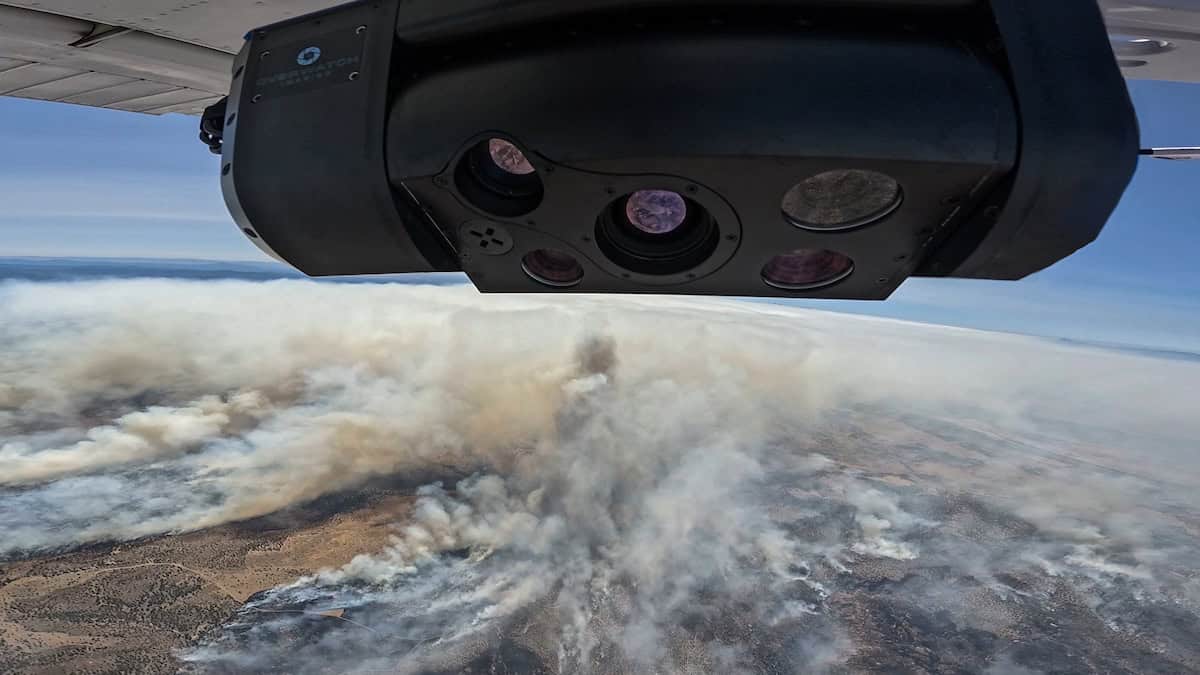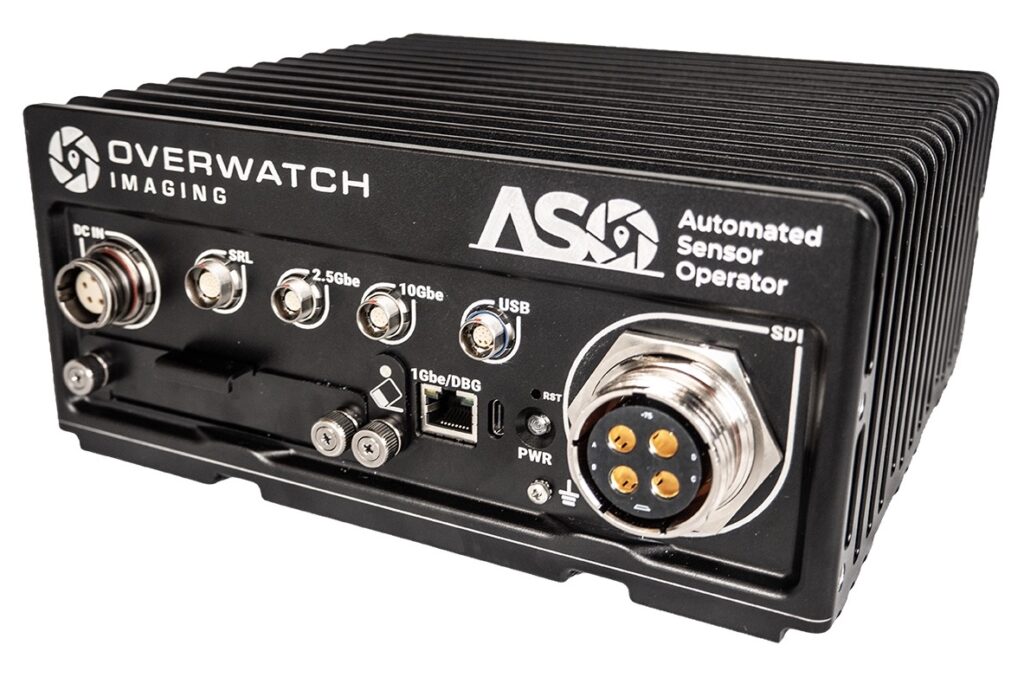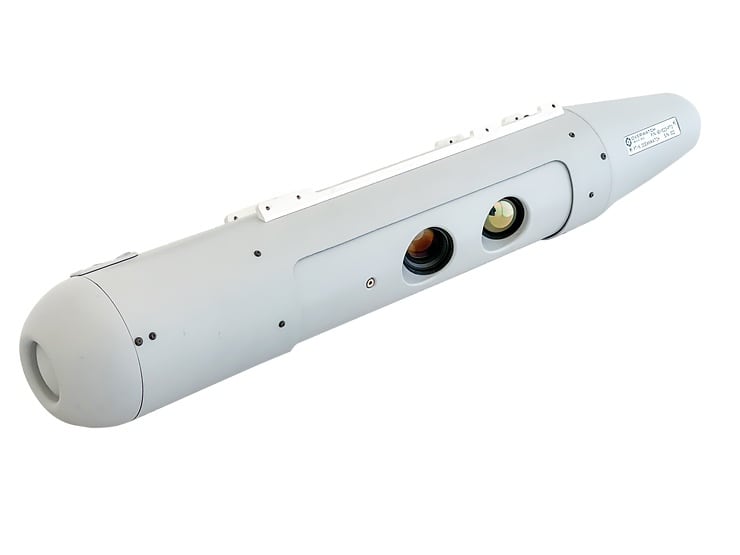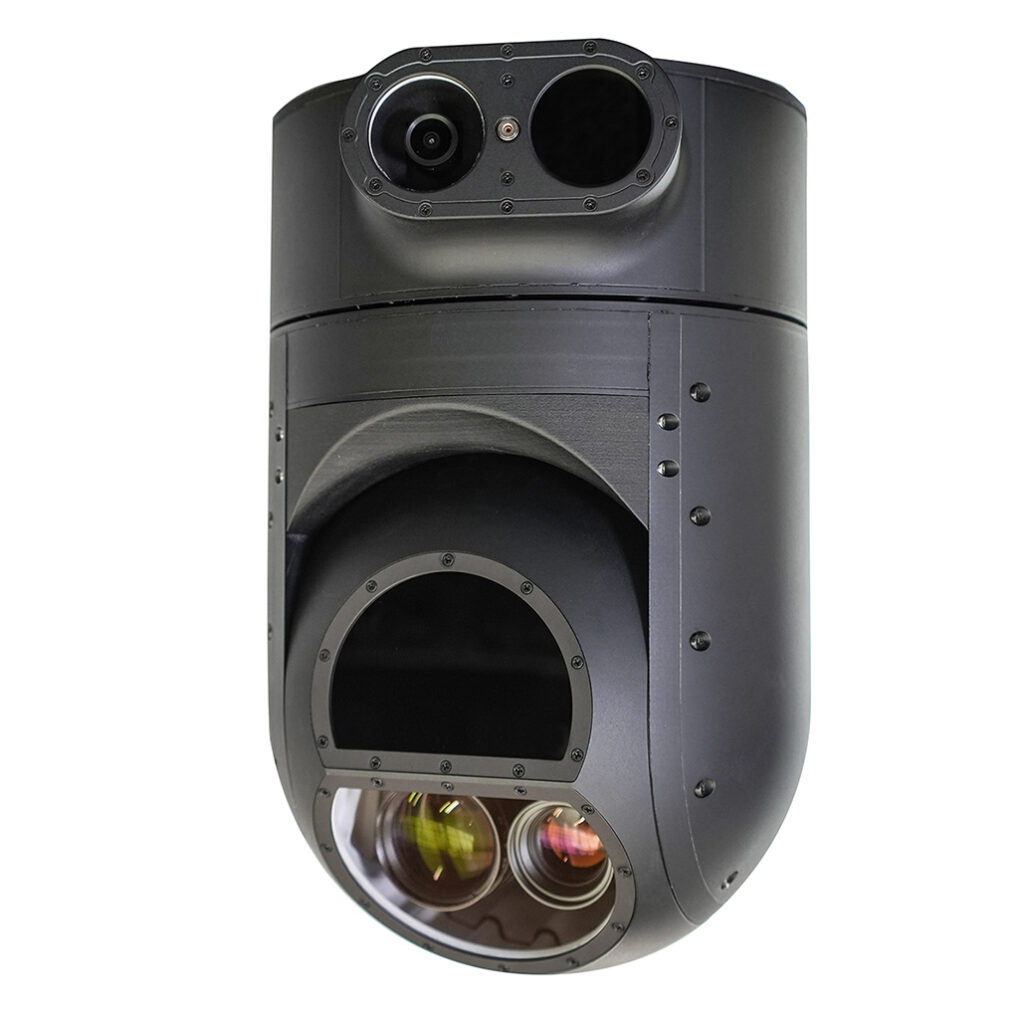
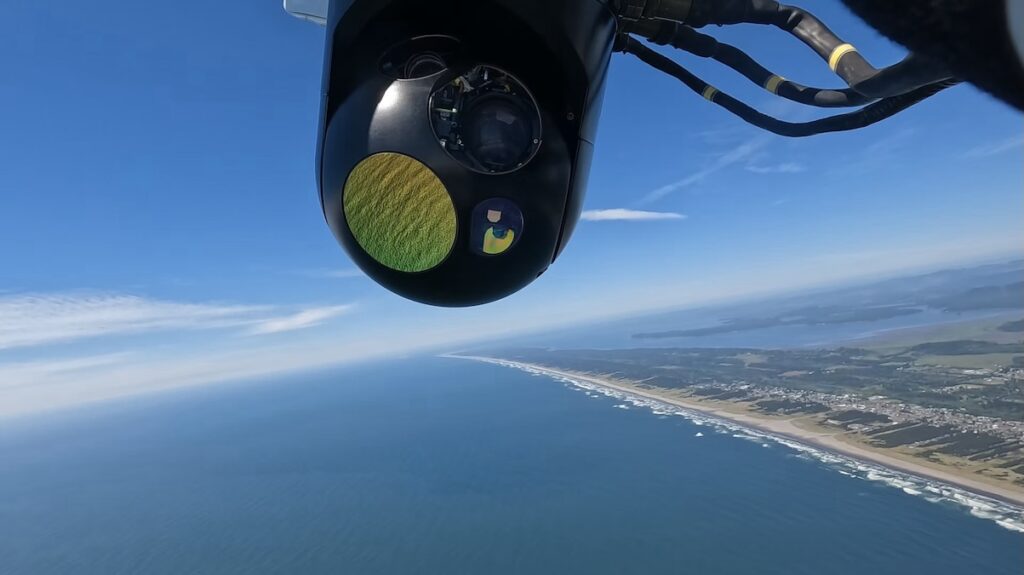
In AI-Enabled Sensor Autonomy for Modernizing Airborne ISR, Overwatch Imaging examines how its Automated Sensor Operator (ASO) uses AI-enabled, edge-based sensor autonomy to automate key sensor functions and produce structured, geolocated intelligence from collected sensor data.
Airborne ISR missions can generate more sensor data than crews can effectively search and interpret in real time, particularly when operators must continuously steer, zoom, frame, and monitor EO/IR imagery. This workload can compete with the attention required for other mission tasks, while manual search and interpretation can also affect coverage and the time between detection and reporting.
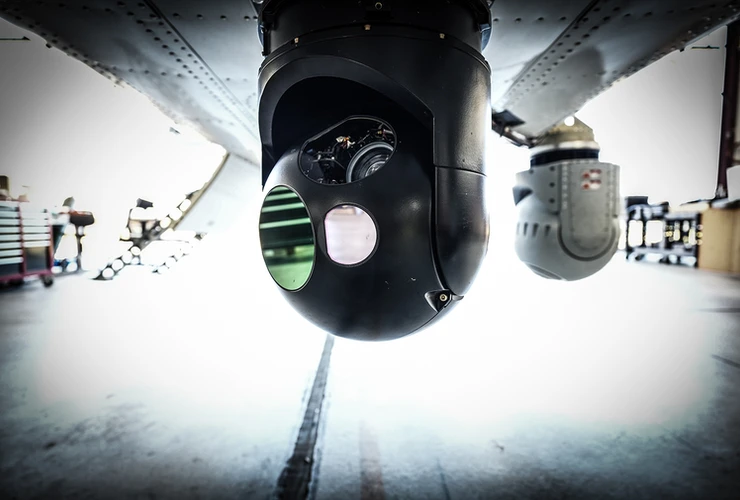
ASO addresses these constraints by combining real-time AI analytics with autonomous control of the EO/IR gimbal, rather than operating solely as a post-processing layer for full-motion video. The software can execute systematic search patterns, control sensor pointing and zoom, detect and classify objects, and compile results for the operator. Where available, it can also use cross-sensor cueing and data including AIS and GMTI tracks, creating a closed loop between sensor control and onboard analysis.
Following upstream Tasking, where mission parameters, search geometry, and target priorities are defined, ASO automates Collection, Processing and Exploitation, and Dissemination within the Tasking, Collection, Processing, Exploitation, and Dissemination (TCPED) cycle. Processing takes place at the edge, allowing detection, classification, mapping, and reporting to continue without reliance on a datalink or ground-based processing. Operators can interrupt autonomous operation and return to direct manual sensor control at any point.
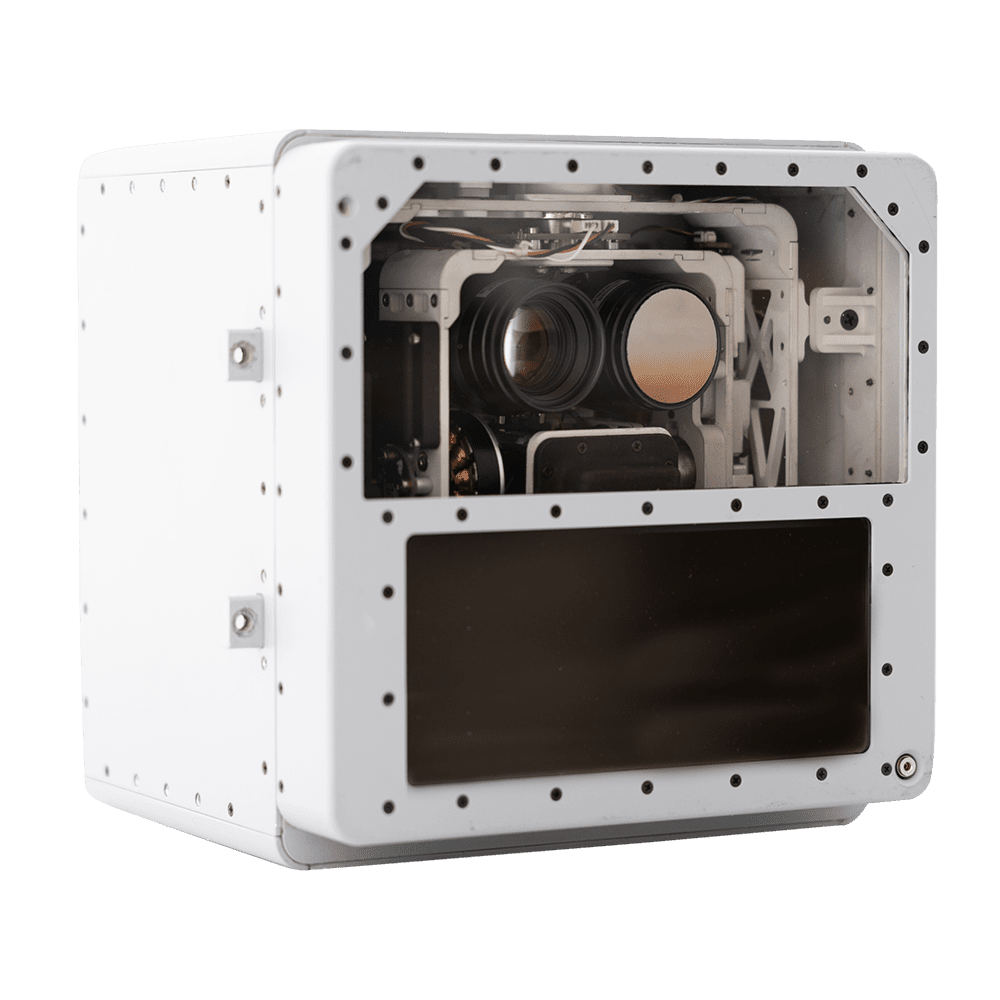
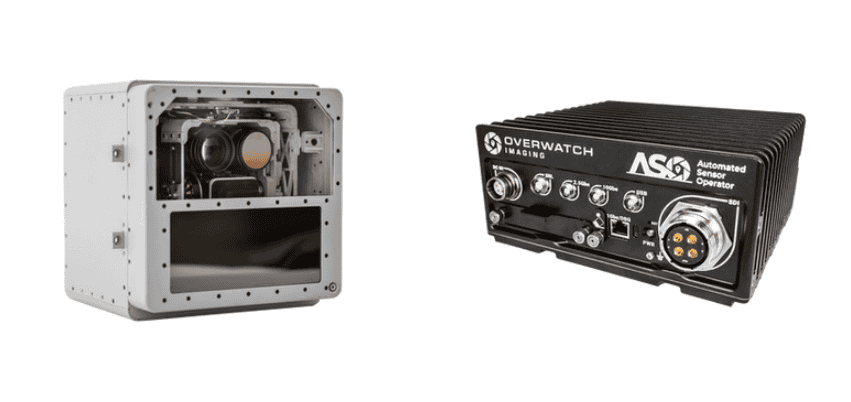
ASO is characterized by Overwatch Imaging as TRL 9 and has been integrated with EO/IR systems including the Teledyne FLIR 380, L3Harris WESCAM MX-10, MX-15, MX-20, and MX-25, Trakka TC-300 systems, and Trillium Engineering gimbals. Its open-interface architecture supports standards including NMEA 0183, STANAG 4609, and STANAG 4607, while a low-SWaP edge compute module based on the NVIDIA Orin AGX System on Module allows the autonomy software to be added externally to existing FMV systems.
Read, AI-Enabled Sensor Autonomy for Modernizing Airborne ISR, to explore ASO’s performance across fielded deployments compared with manually operated, non-ASO-equipped EO/IR gimbal systems on the same class of sensor, including reported detection speeds 4 to 10 times faster and effective area coverage 2 to 20 times greater. Overwatch Imaging also examines its integration approach and use across maritime ISR, tactical operations, border and coastal surveillance, distributed uncrewed ISR, rapid mapping, wildfire response, and infrastructure monitoring.