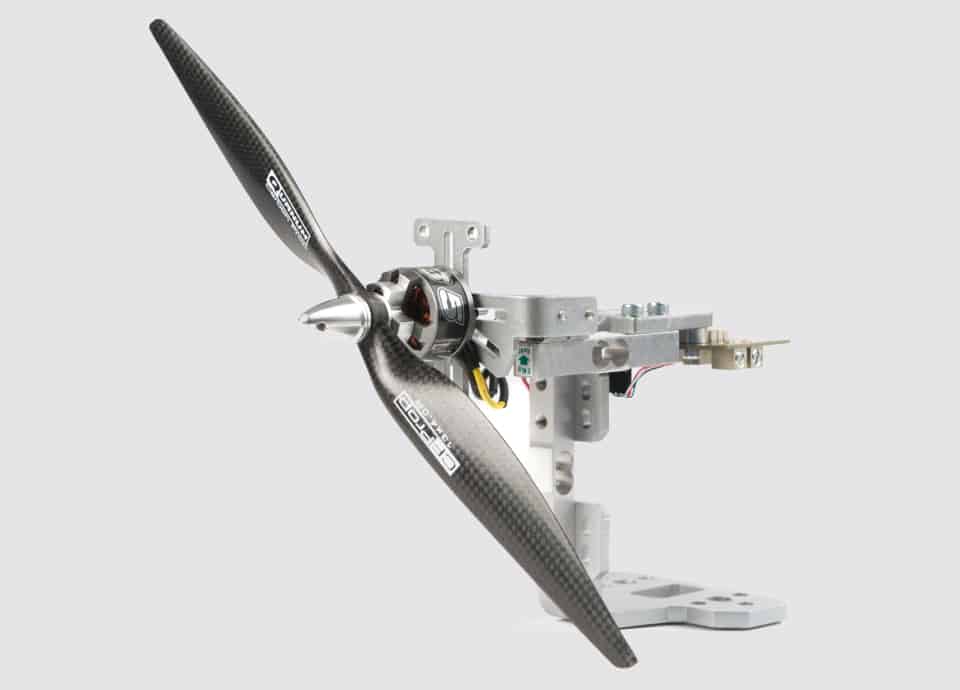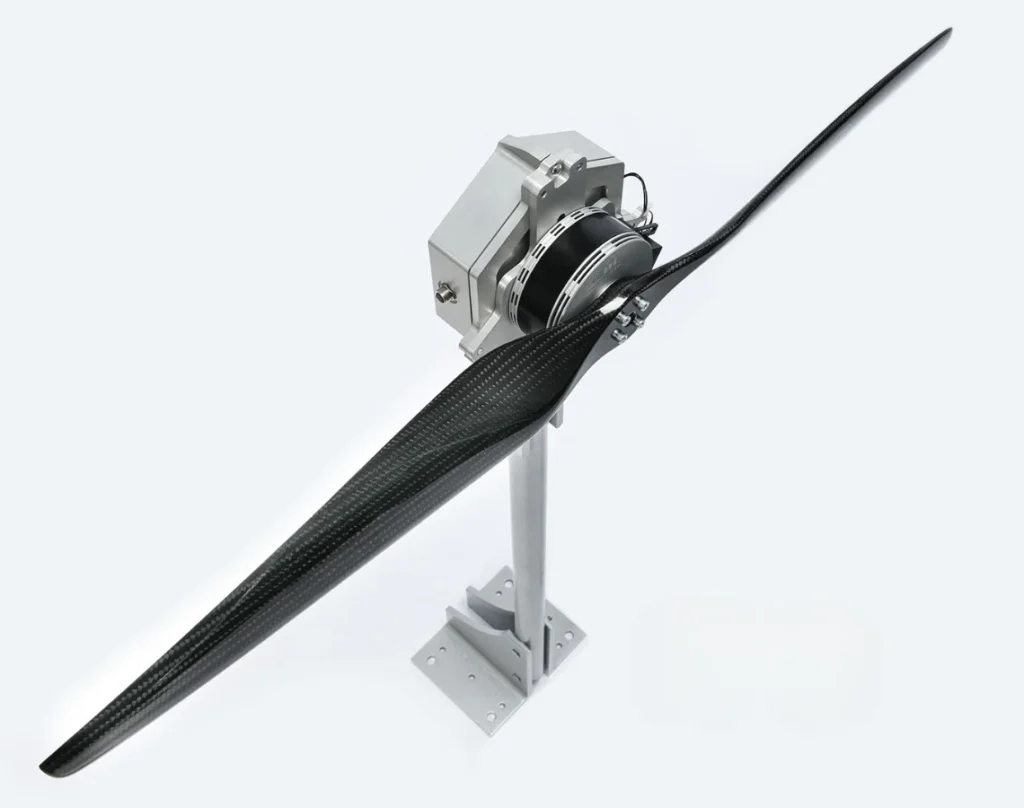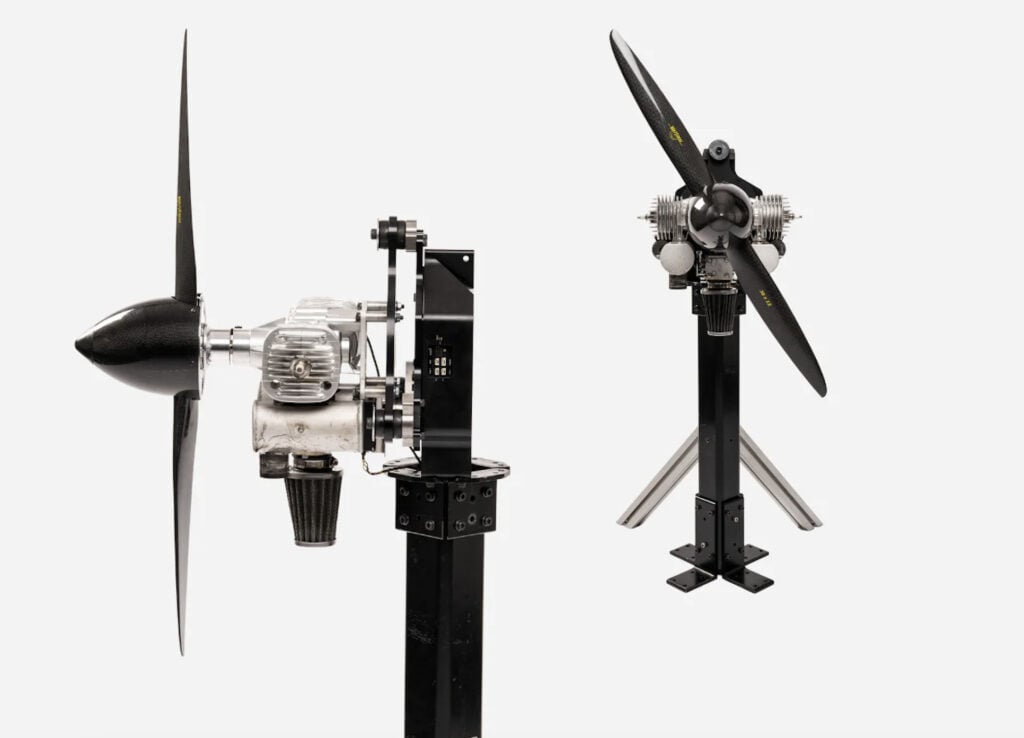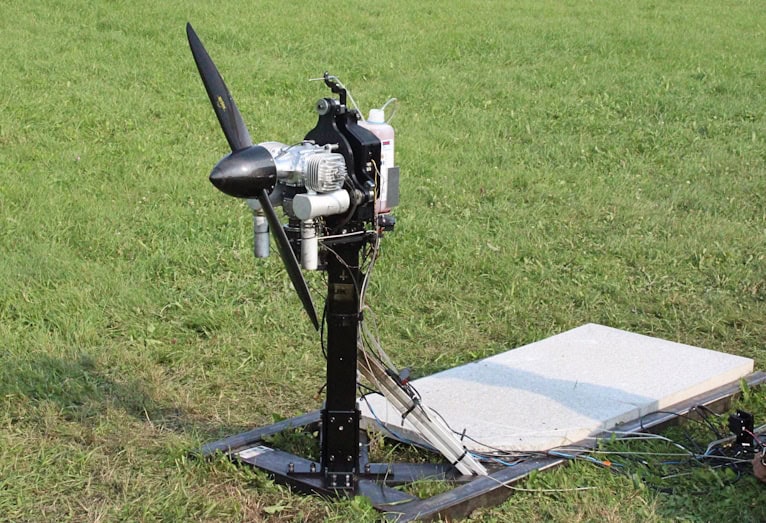




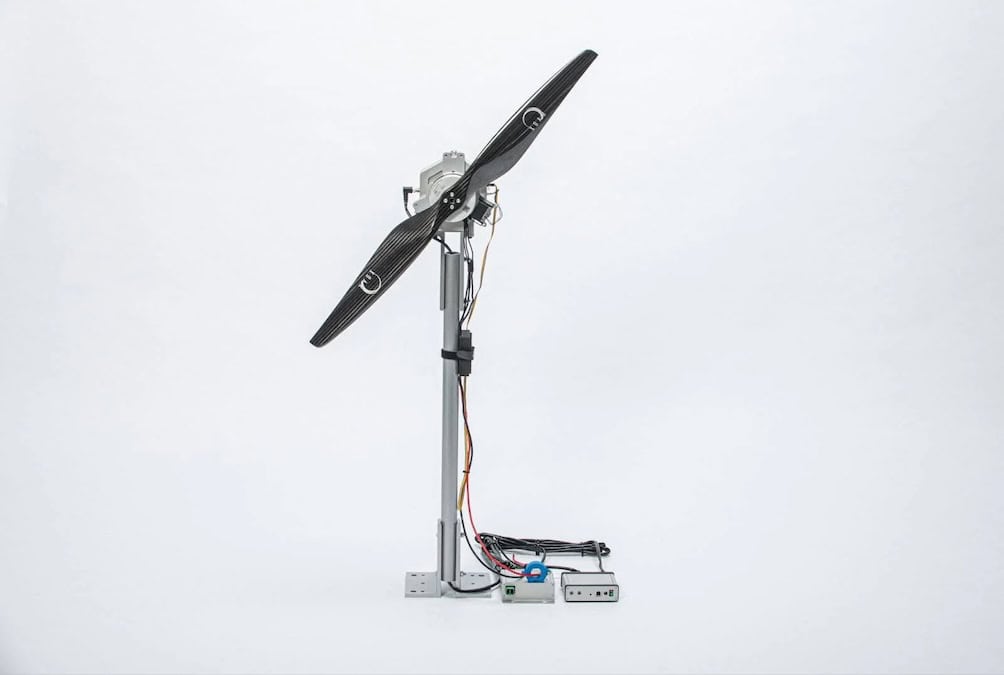
In the article How to Reduce EMI in Drone Testing: Mitigation Techniques, Tyto Robotics examines why electromagnetic interference occurs in high-power test environments and outlines practical methods for identifying and reducing its effects.
EMI is a frequent cause of intermittent disconnects and test interruptions during drone propulsion testing. Drawing on experience with customer propulsion testing systems, Tyto Robotics explains how wiring layout, grounding, filtering, and isolation can improve test reliability.
The feature examines common EMI sources, including motors, electronic speed controllers (ESCs), high-voltage battery lines, measurement equipment, external power supplies, and electromechanical devices such as ignition starters, relays, and cooling pumps. It also considers how temperature and humidity may influence EMI behavior and variability, and explains how oscilloscopes, spectrum analyzers, and near-field probes can help identify emission sources and coupling paths.
Mitigation methods covered include separating power and signal wiring, reducing cable length and loop area, eliminating ground loops, using star-pattern grounding, physically separating high-EMI devices, and applying ferrite beads or EMI filters at appropriate interfaces. Where passive measures are insufficient, the article also discusses active techniques such as ground isolation and the use of optocouplers to prevent noise from crossing between power and control systems.
Read the full article to learn how a structured approach to EMI measurement and mitigation can reduce interference and improve the consistency of drone propulsion testing.