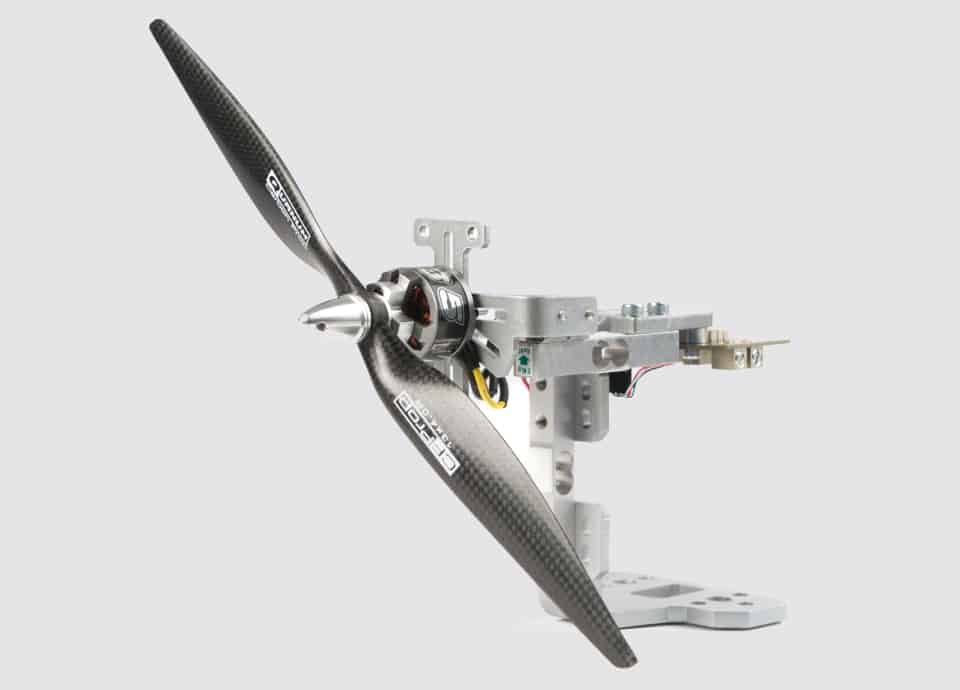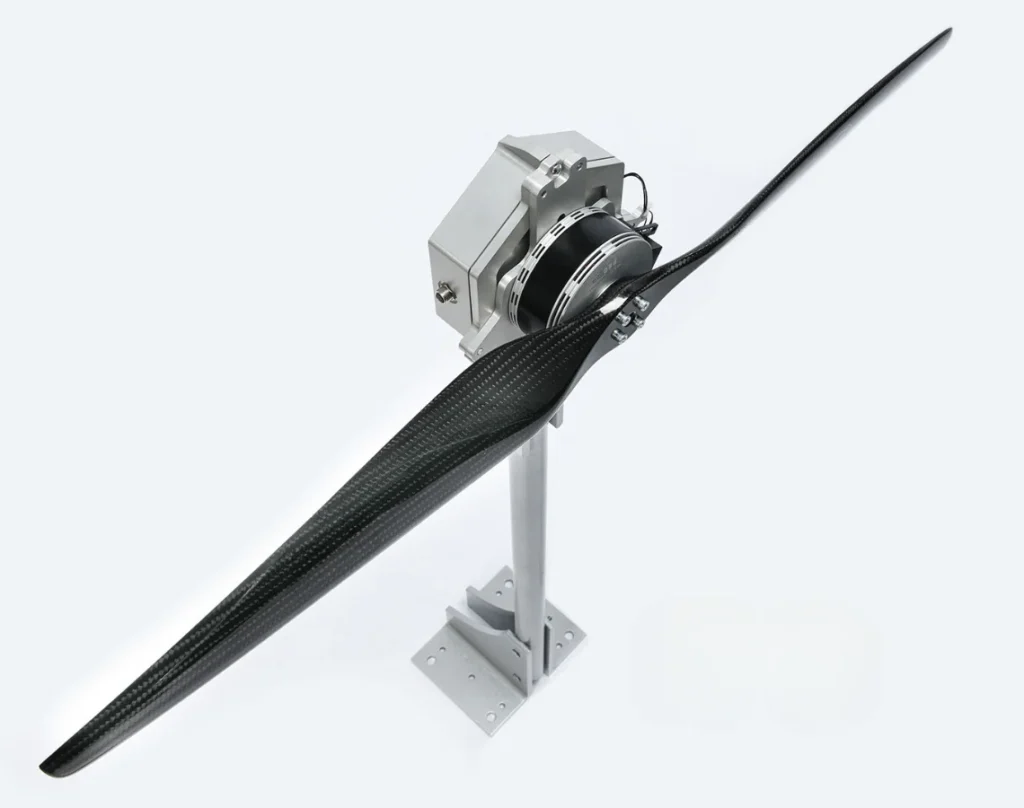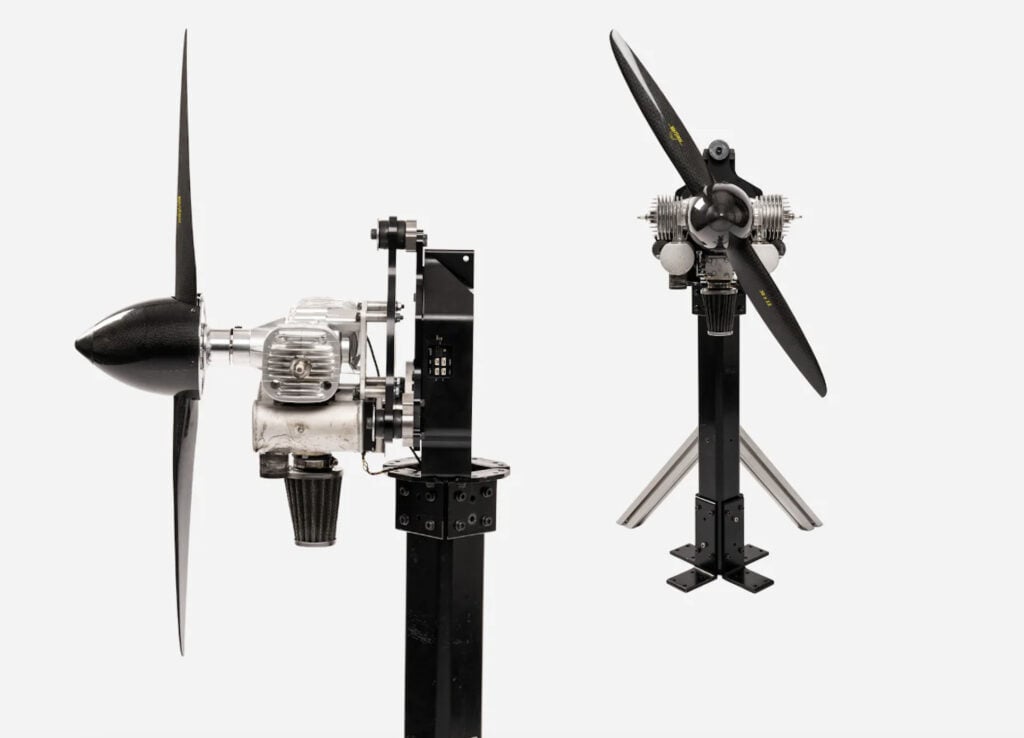


In this white paper, Tyto Robotics outlines the importance of propeller balancing in Unmanned Aerial Vehicles (UAVs), examining how imbalances can affect flight performance, propulsion efficiency, and component longevity. Read here >>
Causes include manufacturing imperfections, cumulative operational stress, physical damage, and temperature-related deformation, all of which can contribute to increased vibration and mechanical stress.
Propeller imbalance can result in reduced thrust, increased power consumption, degraded flight controller performance, and accelerated bearing wear. Excessive vibration can also affect onboard sensors and flight stability, while the relationship between imbalance and noise generation varies depending on propeller characteristics, rotational speed, and the severity of the imbalance.
The white paper compares static and dynamic propeller balancing techniques, examining their respective advantages and limitations for UAV manufacturers and operators. While static balancing provides a relatively simple, low-cost method, dynamic balancing enables more precise measurements while the propeller is rotating. ISO 21940-11:2016 specifies procedures and tolerances for rotor balancing, including the use of balance quality grades as one method for determining permissible residual imbalance.
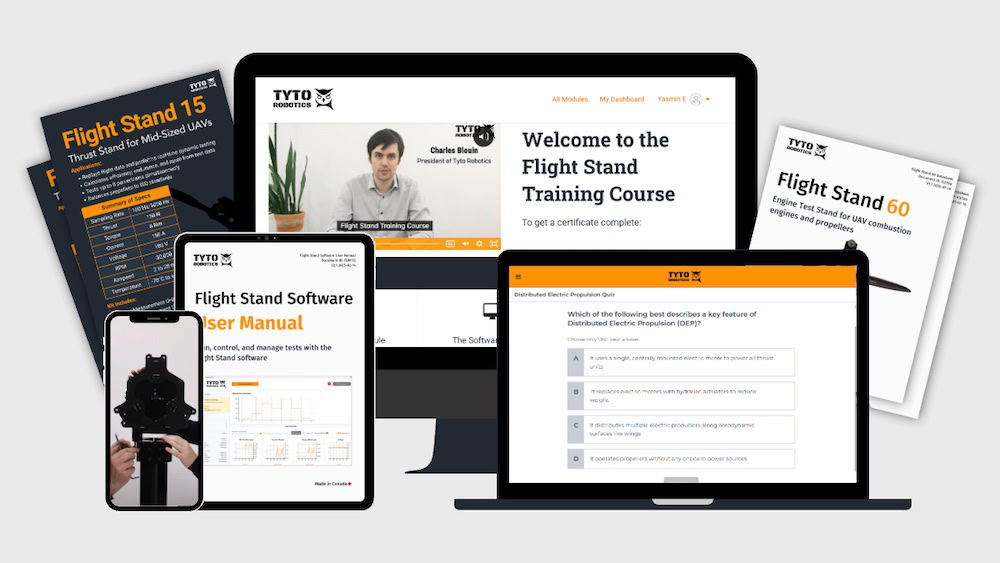
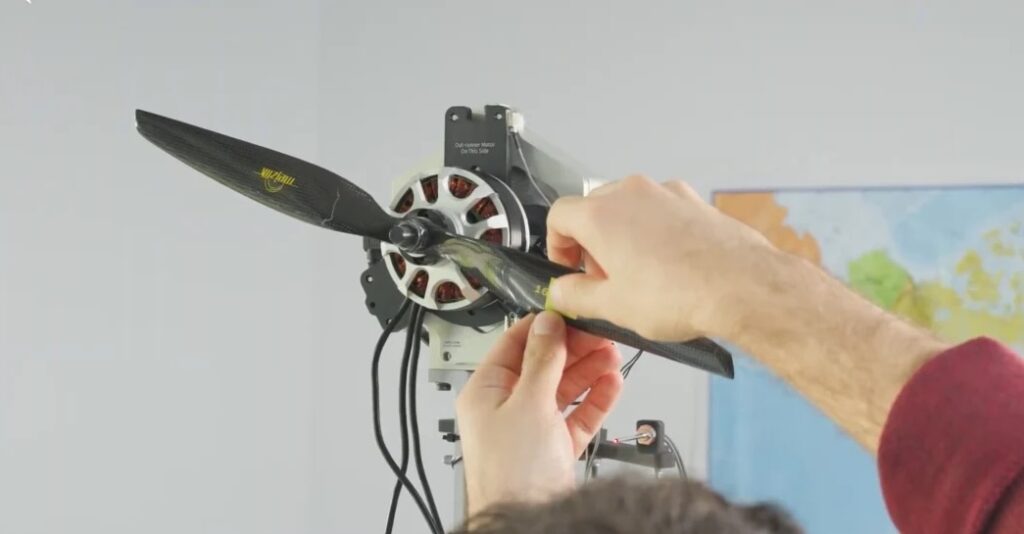
Tyto Robotics’ dynamic propeller balancing system combines Flight Stand hardware, measurement sensors, and software to measure propeller imbalance at operating RPM and determine the necessary weight corrections. Through measurement, calibration, weight correction, and verification where necessary, dynamic balancing can help reduce vibration, improve flight efficiency, and extend component service life.
Learn more about propeller balancing to enhance UAV performance on the Tyto Robotics’ website.