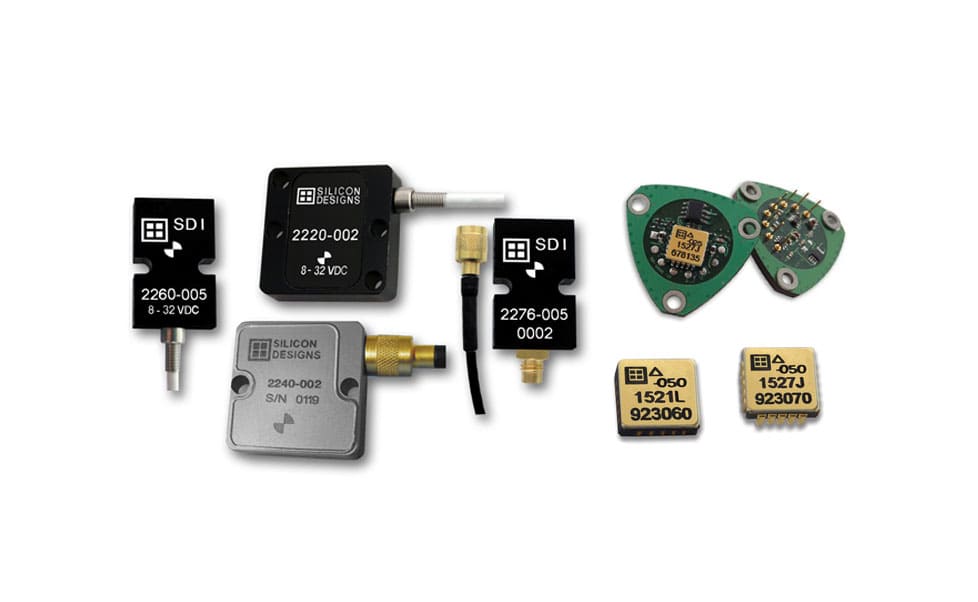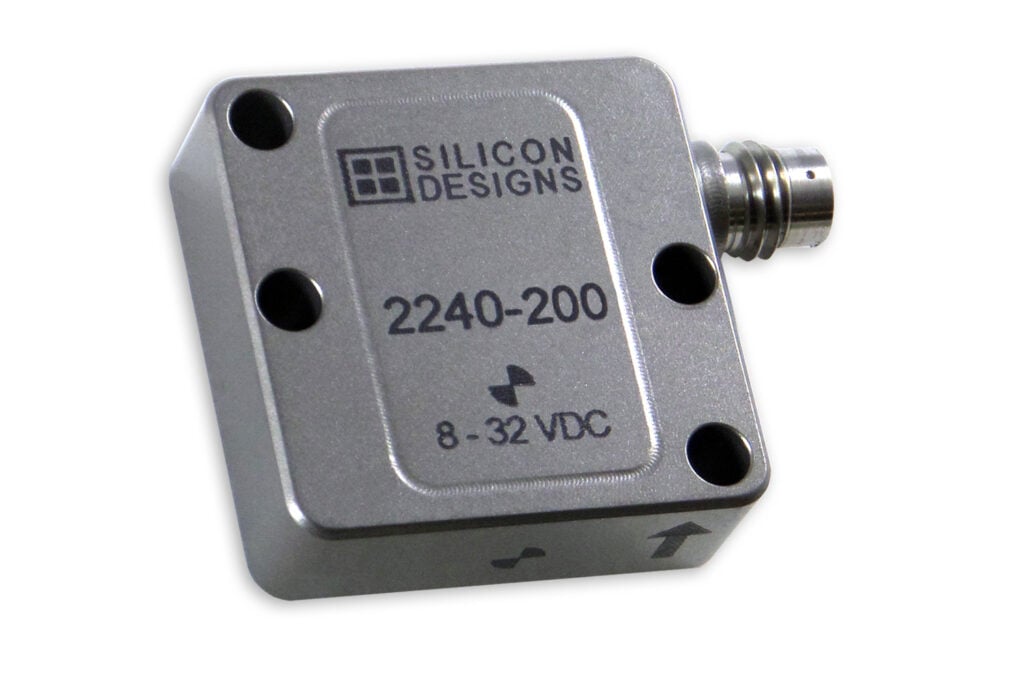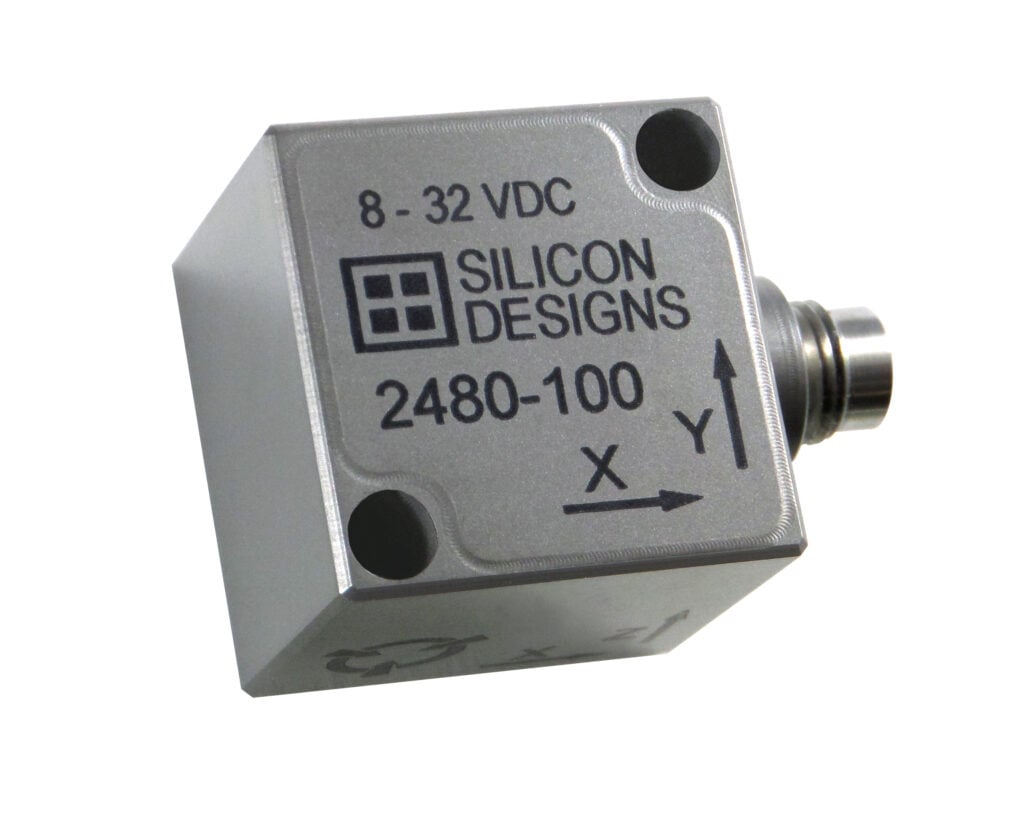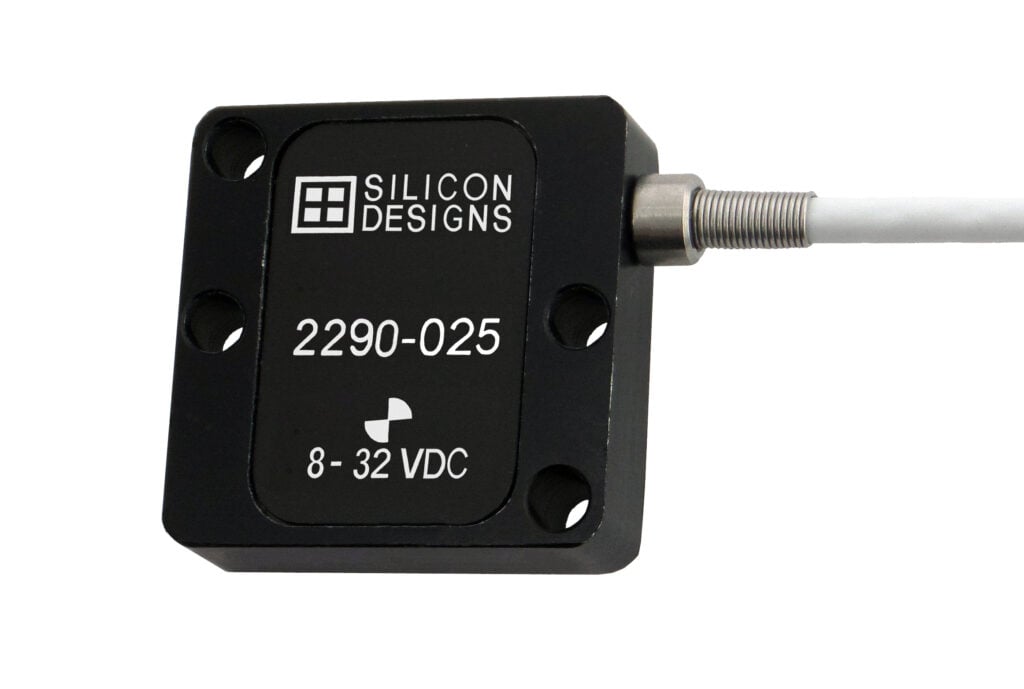
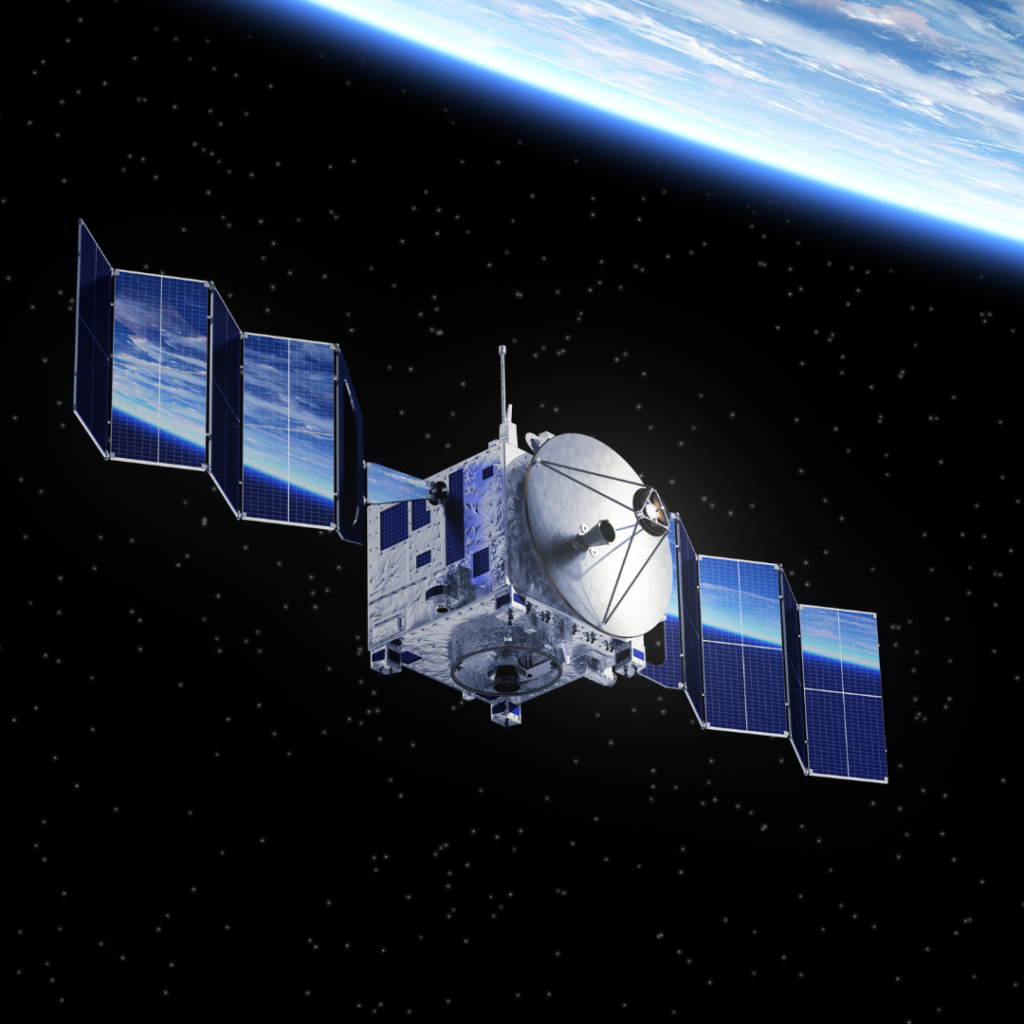
Silicon Designs has outlined key engineering considerations for selecting and evaluating MEMS accelerometers used in small satellite applications.
An accelerometer mounted on a small satellite faces vastly different operational environments during launch compared to its time on orbit. Rather than relying on generic designations like “space-capable,” system designers evaluate whether sensor specifications align with specific acceleration levels, frequency spectrums, thermal profiles, mechanical stresses, and signal-chain architectures.
Measurement Performance & Low-Frequency Response
Capacitive MEMS accelerometers deliver continuous DC response down to 0 Hz, which is critical for measuring low-frequency vehicle movements, propulsion acceleration, and structural disturbances that AC-coupled sensors miss.
Selecting the right device requires balancing dynamic range, noise density, bandwidth, full-scale acceleration range, sensitivity, and temperature-induced bias shifts. A sensor with excellent low-noise characteristics may fail if it lacks required bandwidth, while an oversized range limit can compromise resolution for subtle measurements.
Distinguishing Measurement Range from Shock Survivability
Launch environments subject onboard sensors to severe mechanical shock and vibration. Engineering teams keep measurement range distinct from survivability limits:
- Measurement Range: The dynamic acceleration level measurable within published output tolerances.
- Shock Survivability: The maximum mechanical shock structural limits a sensor can withstand without permanent damage.
Surviving a high-g shock event does not imply the sensor provides usable telemetry during the event itself. Likewise, a broad measurement range does not guarantee mechanical durability.
Thermal Behavior and Hermetic Packaging
Space operations involve steep temperature swings and vacuum exposures. Hermetic packaging guards the internal sensing element against environmental contamination, but temperature shifts still influence bias and sensitivity.
Engineers evaluate verified test parameters, including operating temperature range, bias temperature coefficient, sensitivity temperature coefficient, and calibration repeatability across environmental cycles.
Telemetry Signal Integrity & EMI/RFI Mitigation
Onboard systems such as transmitters, power conversion electronics, reaction wheels, and solar array drives generate electromagnetic interference. Incorporating differential analog outputs paired with differential receivers helps reject common-mode noise across low-level sensor channels.
Achieving high signal integrity requires evaluating the accelerometer and data acquisition electronics as a single, unified signal chain, including cabling, grounding, shielding, filtering, and receiver design.
Program Lifecycle and Component Continuity
Multi-year small satellite programs and multi-vehicle constellations require long-term product availability. Unexpected component obsolescence or unannounced revisions can force costly redesigns and requalifications. Engineering teams evaluate vendor manufacturing stability, revision controls, lot-to-lot consistency, lead times, and technical support access.
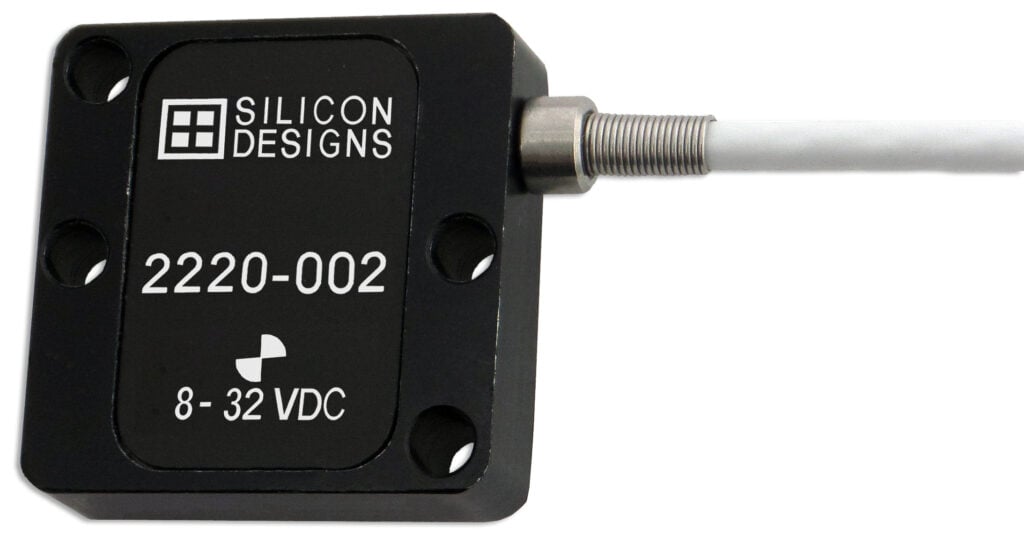
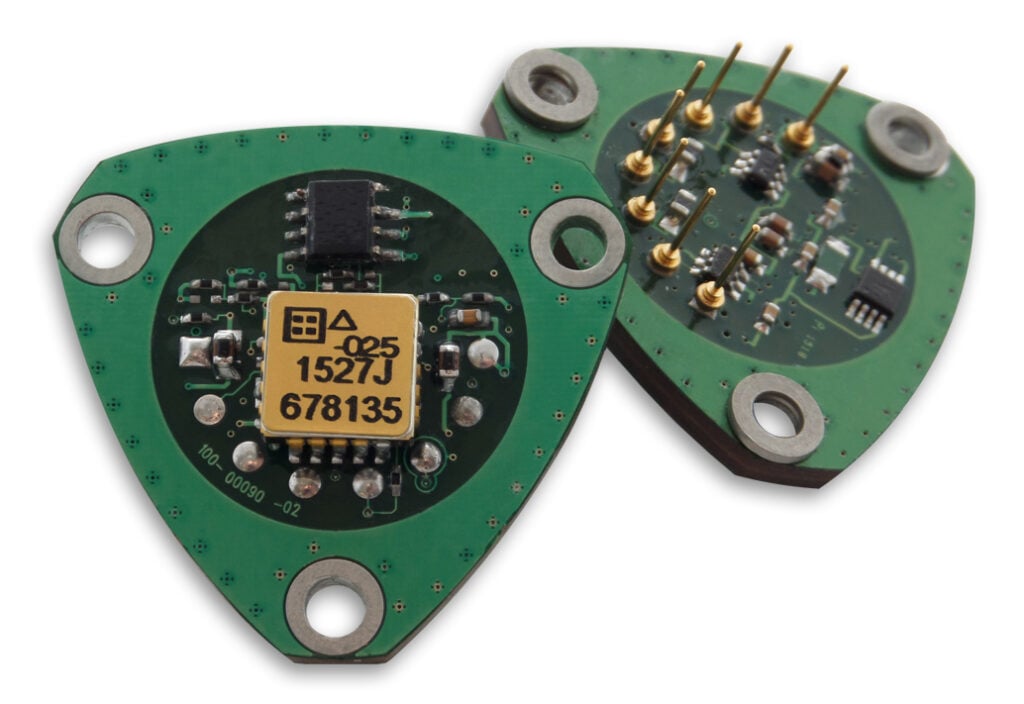
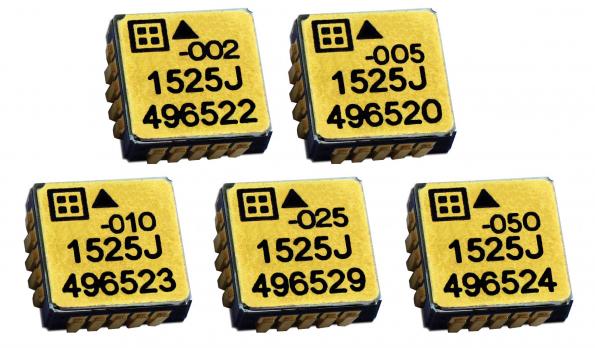
Silicon Designs manufactures capacitive MEMS DC accelerometers utilizing a differential variable-capacitance architecture built in the United States. Featuring response down to 0 Hz DC and available differential analog outputs, these sensor families support extended production lifecycles across aerospace and space applications.
Final sensor selection depends on bench and environmental testing using actual flight-representative hardware, wiring, mounting, and acquisition electronics to verify system-level performance.
Read Critical Evaluation Factors for Small Satellite Accelerometers for more information.