

D-Fend Solutions examines the role of drone identification in counter-unmanned aircraft systems (C-UAS), highlighting its importance in distinguishing authorized drones from potential threats and supporting informed operational decisions. Read more >>
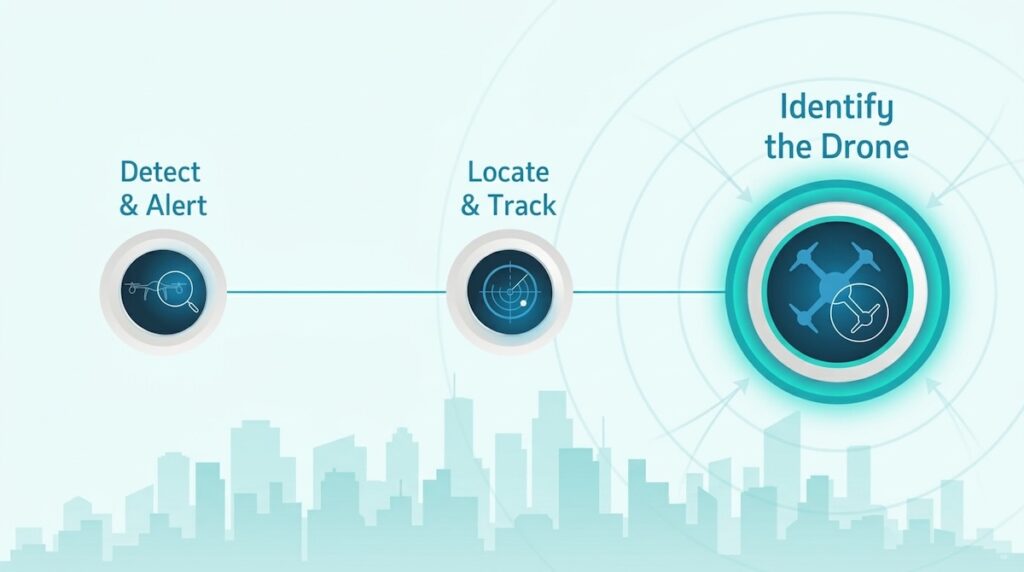
Detection, tracking, and identification (DTI) form three interconnected elements of C-UAS airspace security, providing the real-time visibility and situational awareness required to manage unauthorized drone activity.
Detection establishes the presence of an aircraft, tracking maintains awareness of its position and movement, and identification provides the information needed to distinguish between individual drones and assess their authorization status.
This distinction is particularly important in mixed-fleet environments, where legitimate drones supporting logistics, inspection, public safety, and other authorized activities may operate alongside unauthorized aircraft.
Although DTI capabilities are frequently evaluated separately, their operational value depends on their integration. Without detection, tracking is not possible. Without tracking, identification lacks context, while inaccurate identification can lead to misguided response decisions.
C-UAS platforms can combine these functions through sensor integration, sensor fusion, and radio frequency (RF) cyber-based insights. However, identification can receive less attention than detection and tracking during system evaluation, despite its importance in translating airspace information into operational decisions.
Identification Limitations of Conventional C-UAS Technologies
Different C-UAS sensor technologies provide varying levels of information about detected aircraft. While radar, radio frequency/directional finding (RF/DF), Electro-Optical/Infrared (EO/IR), and acoustic systems contribute to airspace monitoring, each has limitations when used for drone identification.
Radar provides long-range aerial detection capabilities, but legacy systems originally developed for military and aviation applications can encounter difficulties when tracking small unmanned aircraft systems (sUAS).
The relatively small size of these aircraft presents detection and classification challenges. Technologies such as Electronically Scanned Array (ESA) and Micro-Doppler have been incorporated to improve radar sensitivity, although distinguishing small drones from other airborne objects, including birds, remains a challenge. Such limitations can contribute to false positives and affect system reliability.
EO/IR sensors, which are typically triggered by another detection technology such as radar, also depend on a clear, direct line of sight. This requirement can present challenges in dense, crowded, or urban environments.
Acoustic detection systems identify the sound signatures generated by drones and their motors, comparing captured audio against libraries of known acoustic profiles.
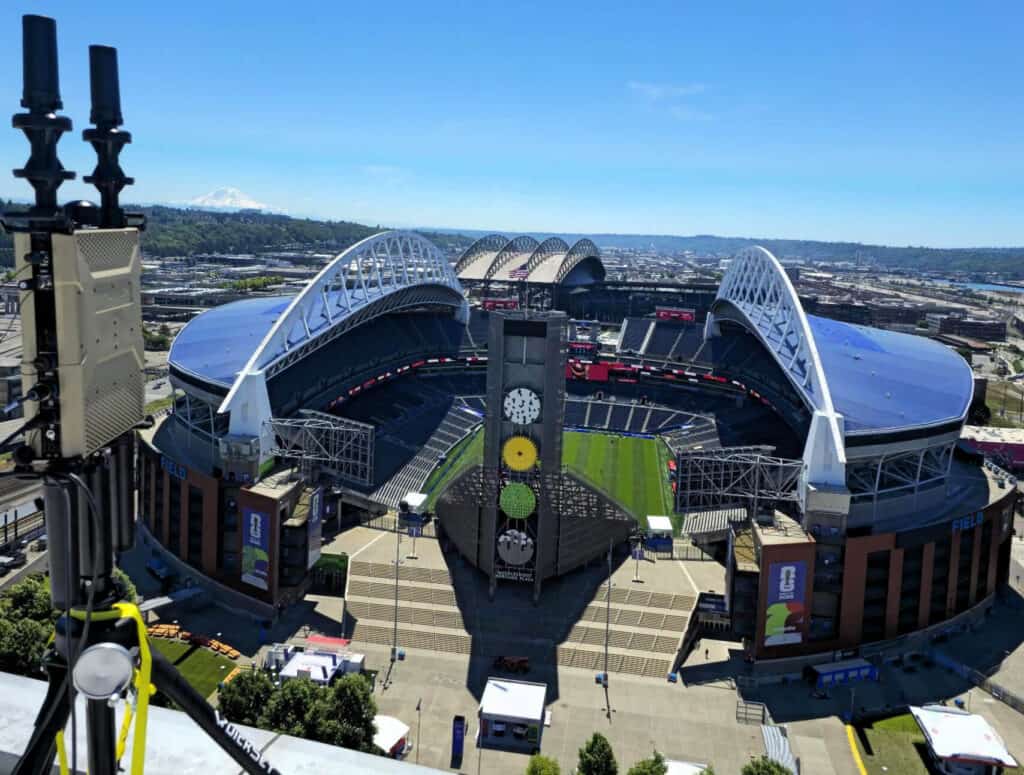
Environmental noise can significantly affect this approach. Airports, urban centers, outdoor stadiums, and arenas are examples of locations where surrounding sound may obscure drone acoustic signatures, limiting the consistency of acoustic identification.
Key Requirements for Accurate Drone Identification
Effective drone identification requires access to information that allows operators to distinguish individual aircraft, interpret their characteristics, and establish whether their presence in monitored airspace is authorized.
Key identification capabilities outlined by D-Fend Solutions include:
- Obtaining unique drone identifiers, including make, model, and serial number.
- Deriving and interpreting unique drone communication attributes.
- Identifying drones that have been modified or tampered with.
- Reading Remote ID information without relying on it as the sole identification source.
- Distinguishing between authorized and unauthorized drones.
Remote ID can contribute useful information, but the identification approach described by D-Fend Solutions incorporates additional communication characteristics rather than depending exclusively on Remote ID data.
This broader identification capability is particularly relevant when multiple drones are present or when operators need to recognize individual aircraft across separate incidents.
RF Cyber-Based Identification and EnforceAir
RF cyber-based C-UAS technologies provide an alternative approach to identifying commercial drones by analyzing their unique communications.
Through passive, continuous scanning, these systems can detect drone communication characteristics and support identification while minimizing false positives and reducing operator workload. Once detected, specific drones can be classified and tagged as either authorized or unauthorized.
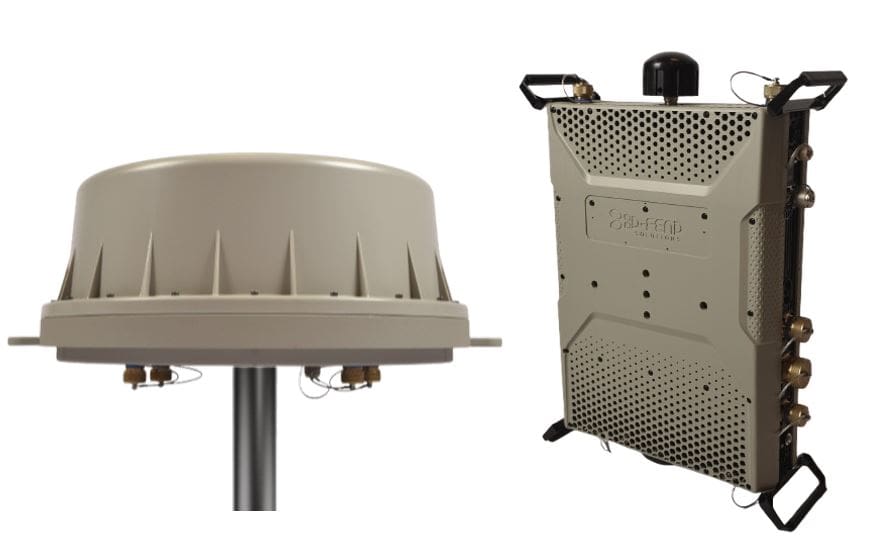
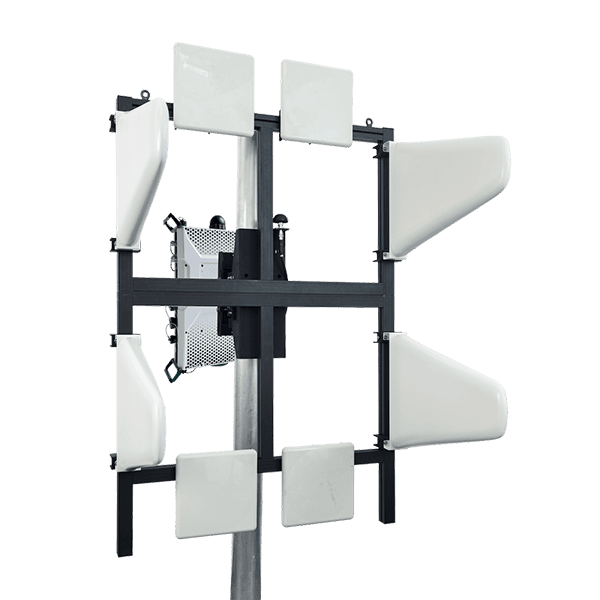
D-Fend Solutions applies this approach through its EnforceAir counter-drone system, which combines cyber-driven, non-kinetic, AI-enhanced counter-drone capabilities with RF cyber-takeover technology.
EnforceAir provides accurate location tracking that is less affected by weather conditions and has less dependence on a clear line of sight compared with other technologies.
Autonomous threat recognition can reduce the need for human intervention when identifying drone threats, helping to free up critical staffing resources.
By providing access to individual drone attributes, EnforceAir supports the assessment and prioritization of detected aircraft according to their potential threat level, allowing operators to make informed decisions about appropriate mitigation responses.
Whitelisting, Tagging, and Pilot Location
Beyond identifying an aircraft during an individual incident, drone identification technology can help operators maintain information about specific drones over time.
Whitelisting and tagging provide two means of applying this information to ongoing airspace management.
Whitelisting Authorized Drones
Whitelisting allows operators to maintain a record of individual drones authorized to operate within a given airspace.
By recognizing specific aircraft, a C-UAS system can distinguish trusted drones performing legitimate activities from those that have not been authorized.
This supports operational continuity by allowing permitted drone activity to proceed without unnecessary disruption, particularly in environments where legitimate unmanned operations must continue alongside counter-drone monitoring.
Tagging Repeated Drone Incursions
Tagging provides a means of recognizing an individual unauthorized drone if it subsequently returns to monitored airspace.
Once an aircraft has been identified and flagged during an initial incident, its reappearance can trigger an alert indicating that it is a previously identified unauthorized drone.
This information gives operators additional context when evaluating recurring incursions and can inform decisions about escalating the response, allocating further resources, or prioritizing efforts to locate the pilot.
Identifying Pilot and Drone Home Locations
Identification can also provide information beyond the aircraft’s current position.
Determining the location of the pilot and the drone’s home location gives C-UAS operators additional context for assessing an incident and monitoring how it develops.
For example, a pilot may launch a drone from an initial home location before beginning to move in a vehicle. Such behavior may indicate potential deliberate evasion, warranting heightened operational attention and prioritization of the incident.
Depending on the circumstances, an appropriate response may involve assigning additional resources to locating the pilot and preparing for a digital forensic investigation if the drone is subsequently seized and such an investigation is permitted.
RF-based cyber-takeover solutions support this process by tracking commercial drones while minimizing false positives. The ability to monitor both aircraft and pilot location contributes information that cannot be obtained from drone position tracking alone.
Identification in Risk-Based C-UAS Operations
D-Fend Solutions employs a risk-based approach to counter-drone operations, in which detected aircraft are analyzed, assessed, and prioritized before an appropriate mitigation response is determined.
Accurate identification supports this process by allowing operators to distinguish legitimate activity from unauthorized operations, recognize previously encountered drones, and assess incidents using aircraft attributes, pilot location, and observed behavior.
For technology evaluators, the ability to obtain unique identifiers, interpret communication attributes, recognize modified aircraft, incorporate Remote ID information, and distinguish authorization status provides a set of criteria against which identification capabilities can be assessed.
For front-line operators, these capabilities support decisions during individual incidents while helping teams recognize and manage repeated or evolving drone activity.
Considering identification alongside detection and tracking during C-UAS system evaluation provides a more complete understanding of how a solution can support airspace monitoring, threat prioritization, and operational response.