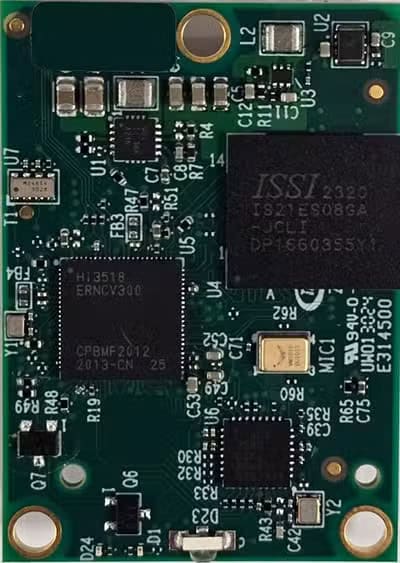

Maris-Tech examines the role of edge AI video processing in supporting autonomous defense platforms, with a focus on enabling real-time analysis and decision-making directly within deployed systems. Read more >>
By combining embedded artificial intelligence with ruggedized hardware, Maris-Tech outlines how autonomous vehicles can operate without reliance on external connectivity. This approach supports mission operations across unmanned vehicles, drones, and mobile ISR units in complex environments.
Edge Computing in Autonomous Vehicles for Real-Time Defense AI
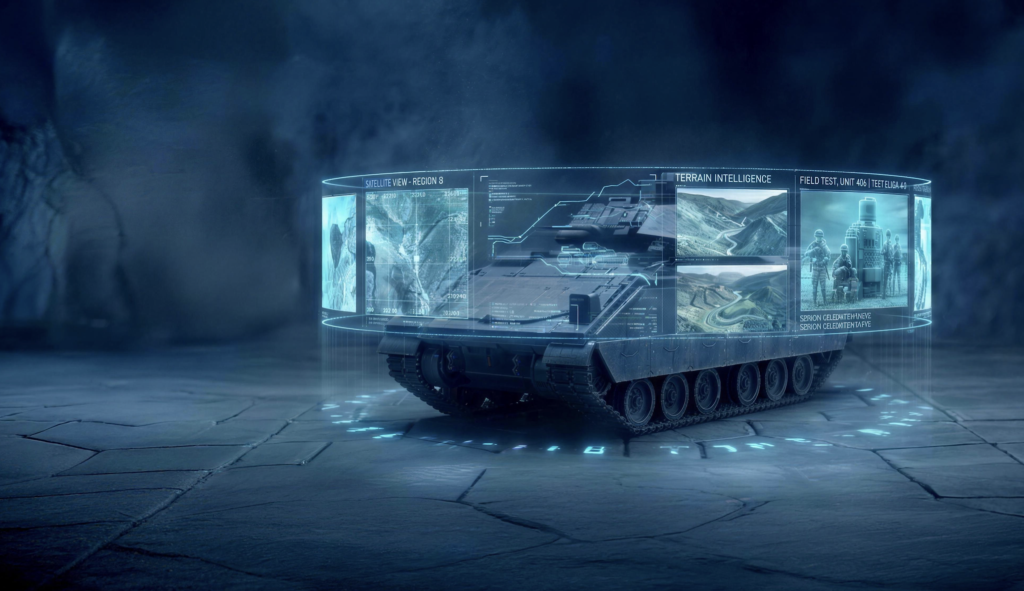
Edge computing plays a critical role in autonomous vehicle operations, particularly in defense scenarios where immediate response is essential. Consider an autonomous ground vehicle navigating a dense urban setting. Cameras stream continuous video while a thermal sensor identifies movement behind debris. A rapid determination must follow, distinguishing between a harmless obstacle and a potential threat.
Such decisions are executed onboard through embedded AI. By processing data locally, edge computing ensures that detection, navigation, and response occur instantly, even in contested environments where connectivity is unavailable. Autonomous systems rely on this localized processing to maintain operational continuity under demanding conditions.
Across unmanned ground vehicles, aerial platforms, and ISR systems, edge computing supports real-time situational awareness and autonomous decision-making. These capabilities are essential for maintaining mission effectiveness in dynamic and unpredictable environments.
Why Autonomous Defense Platforms Require Edge Intelligence
Autonomous defense systems generate significant volumes of sensor data. Inputs from cameras, electro-optical and infrared payloads, LiDAR, and radar must be processed without delay to ensure accurate interpretation.
For instance, a reconnaissance drone operating beyond line of sight cannot depend on stable communications. Despite this limitation, it must continuously monitor terrain, detect movement, avoid obstacles, and adjust its trajectory. Embedded AI enables these functions by analyzing data streams in real time, allowing the system to operate independently.
With onboard processing, autonomous platforms can:
- Conduct object detection and tracking in real time
- Navigate through complex and changing environments
- Maintain persistent surveillance without operator fatigue
- Continue functioning during communication disruptions
Limitations of Cloud-Based Processing in Defense Operations
Many commercial autonomous technologies rely on cloud infrastructure for data processing and updates. Applications such as self-driving vehicles and industrial automation benefit from consistent connectivity and centralized computing resources.
Defense environments present a different set of challenges. Communication links may be unreliable, degraded, or intentionally disrupted through electronic warfare or cyber activity. Systems must remain operational even in complete isolation from external networks.
Delays introduced by remote processing can compromise safety and mission success. Edge computing addresses this limitation by ensuring that all critical processing occurs within the platform itself, eliminating latency associated with offboard data transmission.
Enabling ISR and Autonomous Navigation
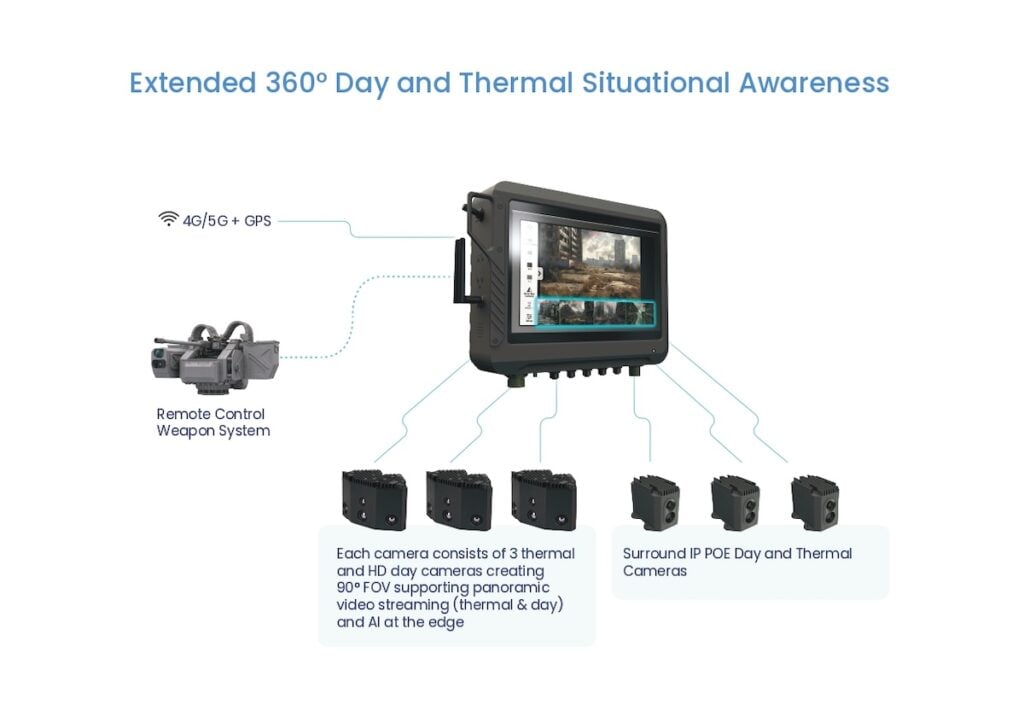
ISR and navigation systems depend on low-latency data processing to function effectively. Embedded AI engines must handle multiple video feeds simultaneously while adhering to strict size, weight, and power constraints.
Edge computing enables several critical capabilities:
- Real-time video analysis for detecting concealed or unexpected activity
- Multi-sensor data integration, combining thermal and visual inputs
- Autonomous route adjustment in response to environmental changes
- Secure onboard processing to safeguard sensitive data
- Efficient power usage to extend operational duration
These features allow autonomous systems to operate with a high degree of independence while maintaining reliability in complex scenarios.
Rugged Edge AI for Tactical Environments
Operational environments for defense platforms include exposure to vibration, temperature extremes, dust, and electromagnetic interference. Edge computing hardware must be designed to withstand these conditions without compromising performance.
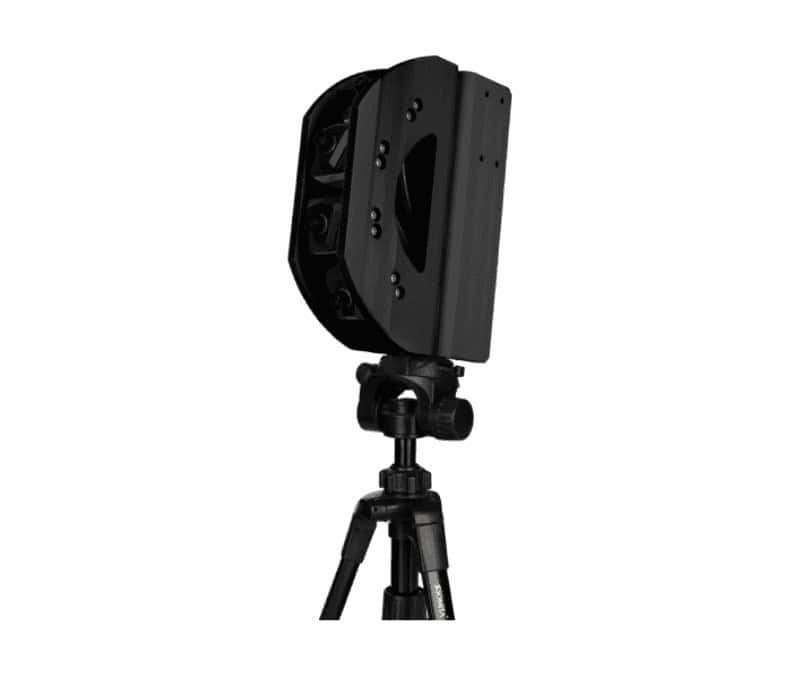
A compact ISR unit mounted on a mobile platform, for example, must stabilize video, perform object recognition, and deliver actionable insights while enduring continuous motion and environmental stress. Rugged embedded systems are engineered to meet these demands.
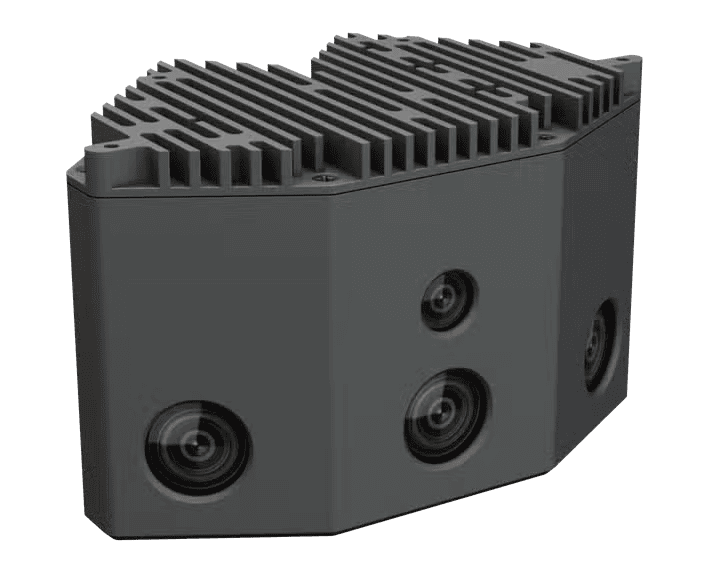
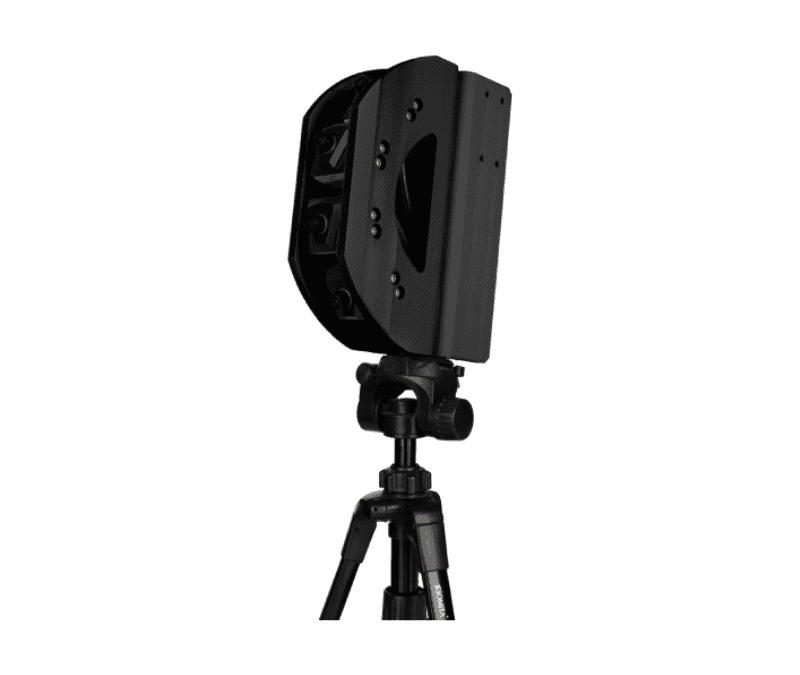
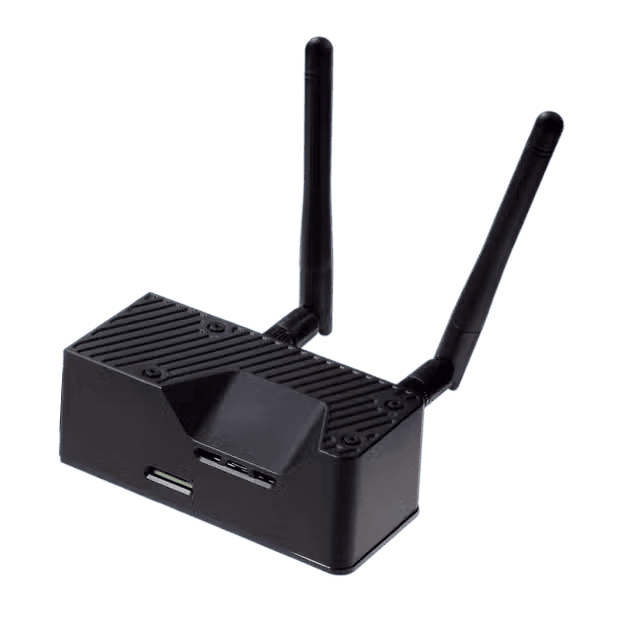
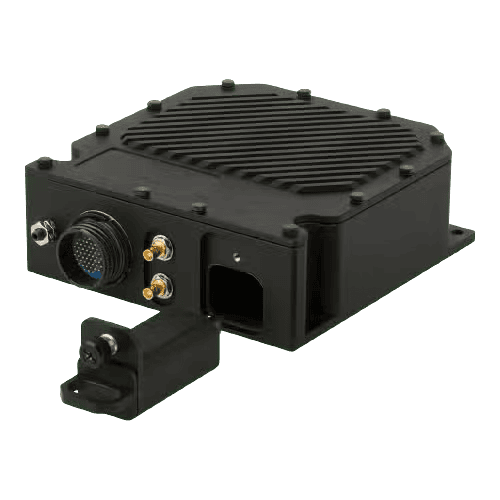
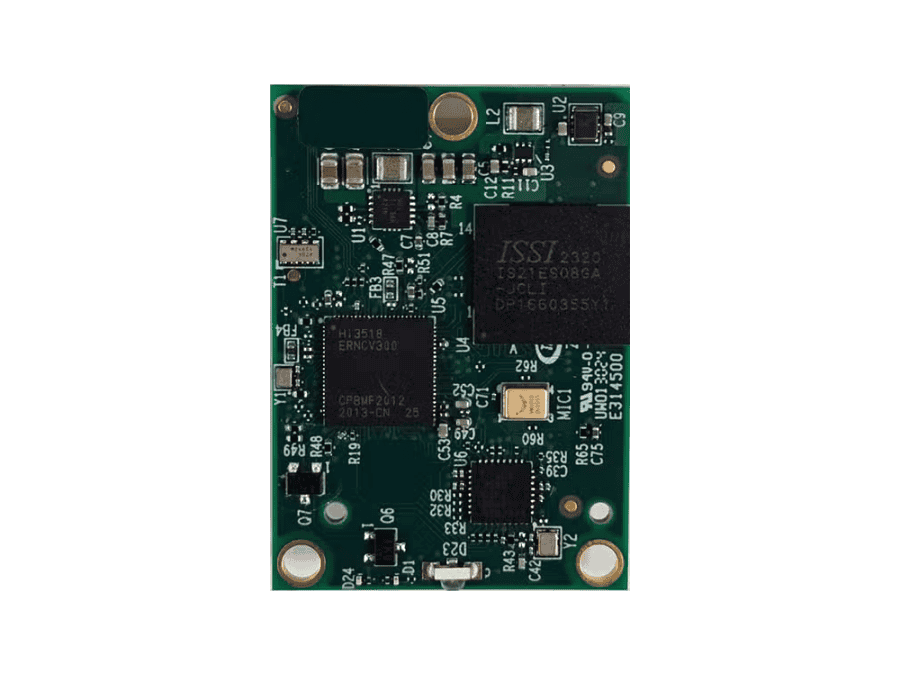
Maris-Tech develops edge AI video processing systems designed for ISR and autonomous platforms. By combining real-time video analytics with embedded AI, these systems support continuous detection and interpretation of surrounding environments. This approach enables deployment across unmanned vehicles, drones, and mobile ISR platforms.
The Future of Autonomous Defense Systems
Edge intelligence is expected to become increasingly central to defense operations. Future systems will rely less on centralized control and more on distributed networks of intelligent platforms working collaboratively.
In such environments, unmanned systems may share data, adapt collectively to evolving threats, and continue missions independently of centralized command structures. This shift highlights the importance of onboard intelligence and localized processing.
Edge computing provides the foundation for this evolution. Systems equipped with embedded AI can operate autonomously, making informed decisions in real time while maintaining functionality in contested environments.
Read more in Maris-Tech’s article, Edge Computing in Autonomous Vehicles for Real-Time Defense AI.