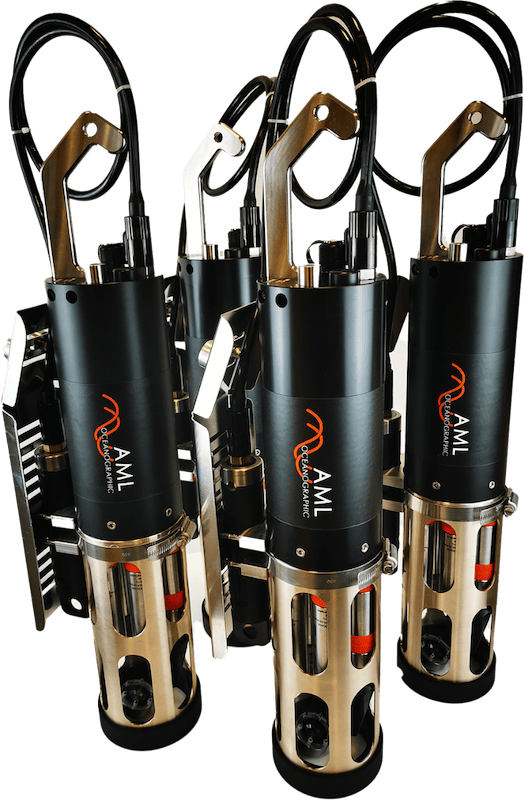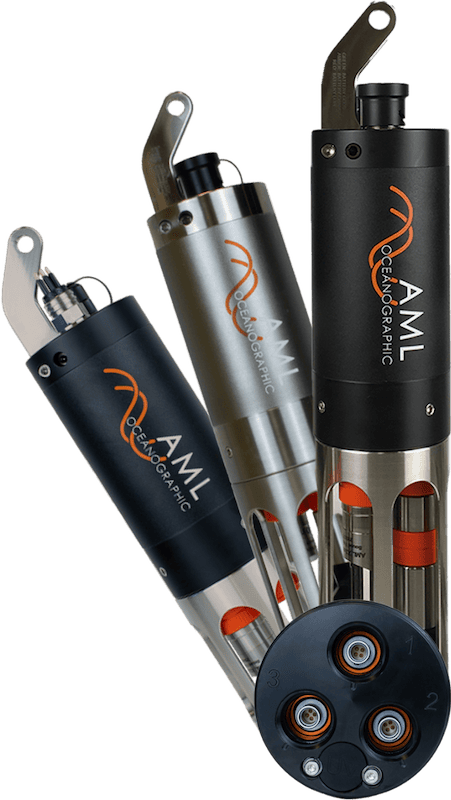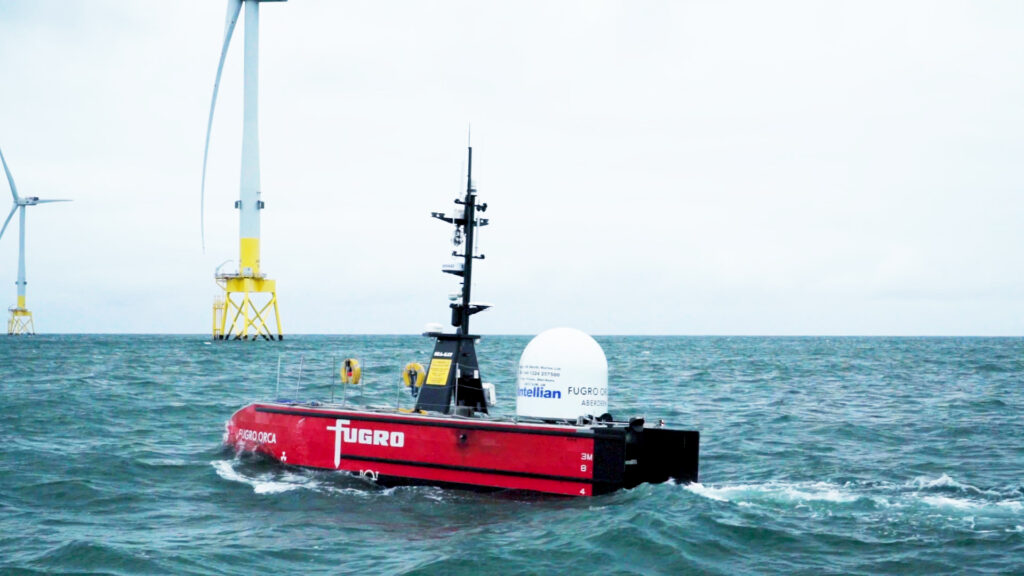
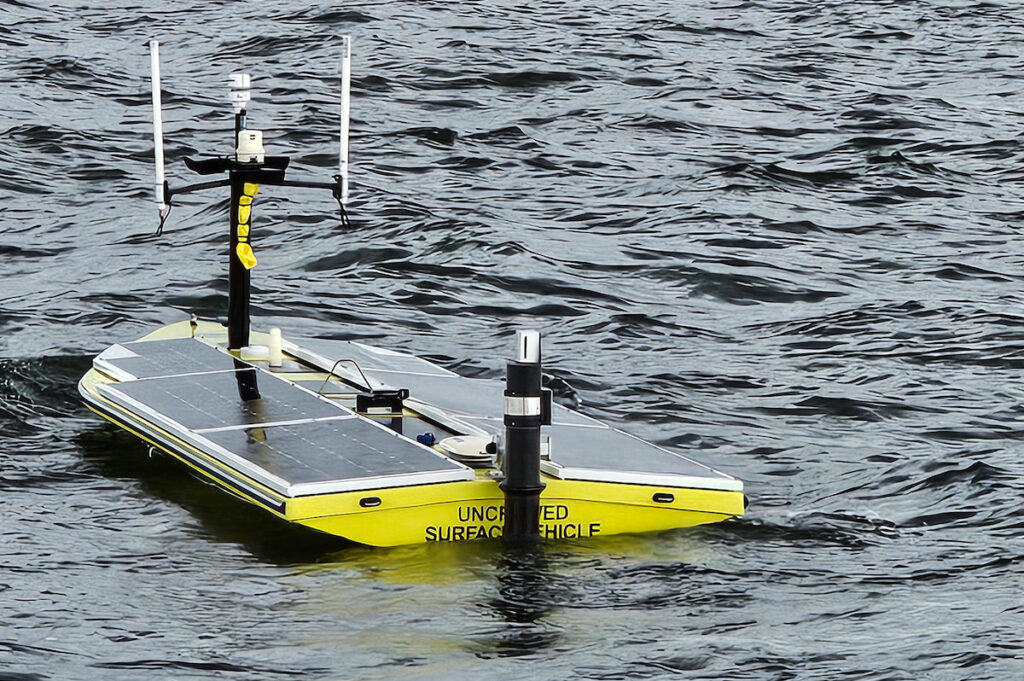
As uncrewed surface vessels (USVs) take on an increasing role in hydrographic, environmental, and scientific operations, dependable water column profiling has become a critical requirement for long-endurance missions. AML Oceanographic developed the Endura-3 and Endura-6 specifically for these applications, introducing the first connector-free, wirelessly charging profiling instruments designed for USV deployments. Read more >>
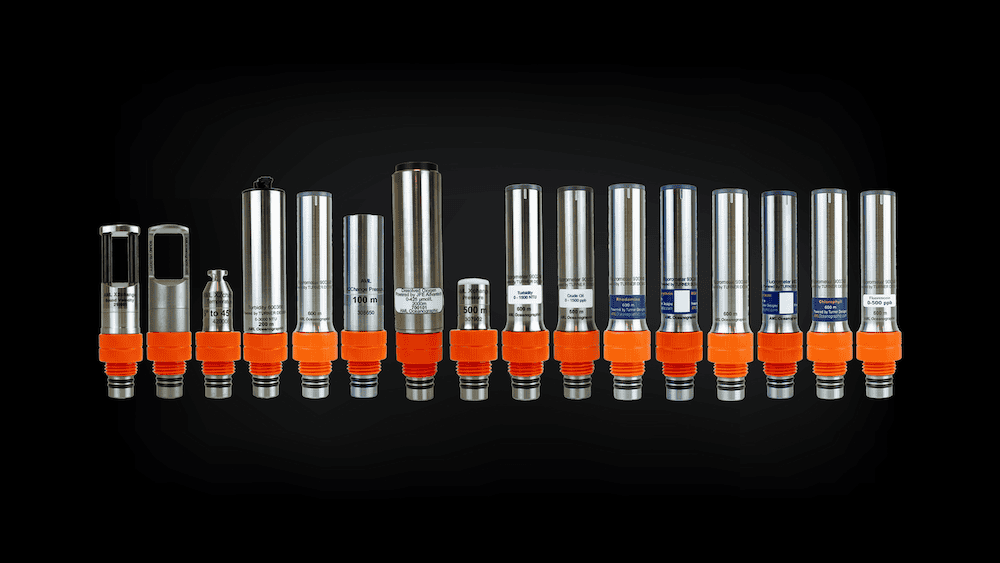
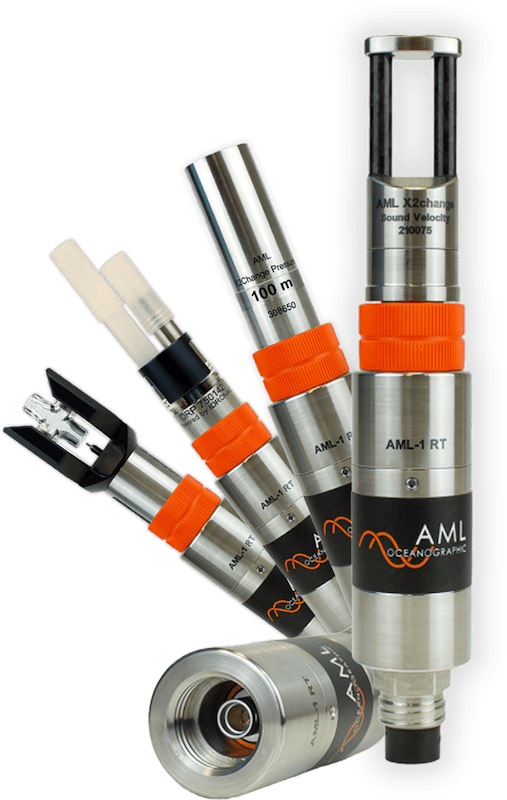
By eliminating external connectors and supporting unlimited recharge cycles during deployment, the Endura Loggers enable unrestricted profiling throughout extended missions while accommodating a broad range of interchangeable end-cap sensors.
USVs continue to reshape oceanographic surveying by providing a more efficient and cost-effective alternative to traditional crewed operations. As platform endurance increases, the potential efficiency gains grow accordingly. However, many profiling systems still depend on finite battery capacity and mechanical connectors, limiting deployment duration and the total number of profiling casts that can be completed during a mission.
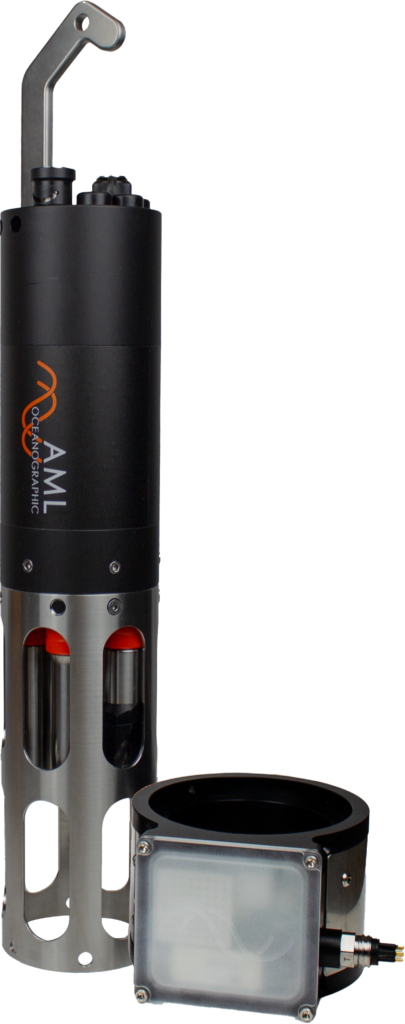
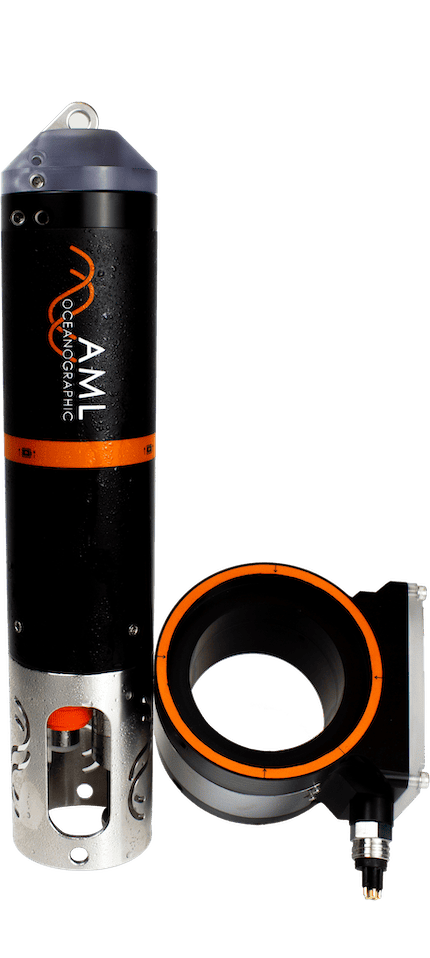
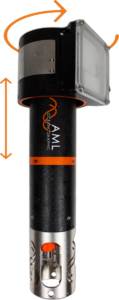
The Endura-3 and Endura-6 address these constraints through a connector-free architecture and wireless charging system developed specifically for demanding uncrewed environments. Designed for hydrographic, environmental, and scientific applications, the instruments support unlimited profiling without requiring operators to compromise between deployment duration and data collection.
The extended deployment capability of the Endura Loggers is made possible through wireless charging. While wireless charging is straightforward in controlled environments, achieving reliable performance in harsh marine conditions presents a significantly greater engineering challenge.
External connectors have long represented one of the primary reliability concerns for oceanographic instruments, particularly on autonomous platforms where maintenance opportunities are limited. AML Oceanographic eliminated external connectors from the operational system, reducing the likelihood of maintenance or human intervention during deployment. A USB connector remains available for workshop use, but it is not required during field operations. Removing external connectors also eliminates profiling cables, reducing one of the most common sources of wear, damage, and operational complexity.
Developing the Endura Loggers
Previous autonomous profiling concepts demonstrated the potential for long-endurance water column measurements, but they were unable to consistently satisfy the demands of challenging operational environments. For many years, oceanographic profiling systems relied on electromechanical cables that introduced complexity, increased costs, and required ongoing maintenance.
In 2019, Saildrone approached AML Oceanographic to provide a hydrographic profiling solution for its long-endurance uncrewed sailing surface vehicle. AML developed an AML-6 wireless charging solution based on Qi-compatible technology similar to that used in modern smartphones. Saildrone integrated this solution into its Voyager and Surveyor bathymetry platforms, enabling the first truly independent long-endurance USV-based hydrographic survey. Although the first-generation system successfully demonstrated wireless charging in operational deployments, it also revealed several areas for improvement.
The principal limitation of the original Qi charging system was its strict alignment requirements. Reliable charging depended on precise axial and radial positioning, making consistent operation difficult under dynamic marine conditions.
The second-generation Endura-3 and Endura-6 systems simplify this process in two important ways. First, axial charging tolerance has been increased by a factor of five compared with the original design, allowing the system to operate more reliably in harsh environments. Second, radial alignment is no longer required. The cylindrical form factor reduces alignment to a single dimension, allowing charging systems to work with any winch capable of providing approximate positioning or with hard-stop mechanisms that ensure repeatable alignment.
The second-generation platform also introduces improved operational status monitoring for autonomous systems. In addition to the front-panel LED indicator intended for workshop use, a GPIO pin pattern enables robotic platforms to determine system operating status while at sea. Three of the charger’s six pins are used to communicate charging status and support remote diagnosis of multiple error conditions.
The overall objective of the Endura development program was to produce a charging system capable of delivering reliable, repeatable performance in demanding uncrewed environments. The Endura Loggers were designed as a true “set and forget” solution for long-duration autonomous operations.
Development of the Endura-3 and Endura-6 included extensive engineering validation through in-house bench testing and thousands of hours of field deployment. Long-duration operational testing with Saildrone and SeaTrac remote platforms demonstrated reliable performance under demanding real-world conditions.
The Endura Loggers have enabled early adopters to simplify remote profiling operations while supporting continuous data collection throughout extended USV missions.
Drawing on more than 50 years of experience manufacturing oceanographic data loggers, sondes, and probes, AML Oceanographic continues to develop technologies that address the evolving requirements of autonomous marine operations. As USVs become an increasingly common platform across commercial ocean industries, dependable, low-maintenance profiling solutions will continue to play an important role in maximizing mission endurance and operational efficiency.
Read “The First Infinite Endurance Profiling Instrument Designed Specifically for USVs” here.