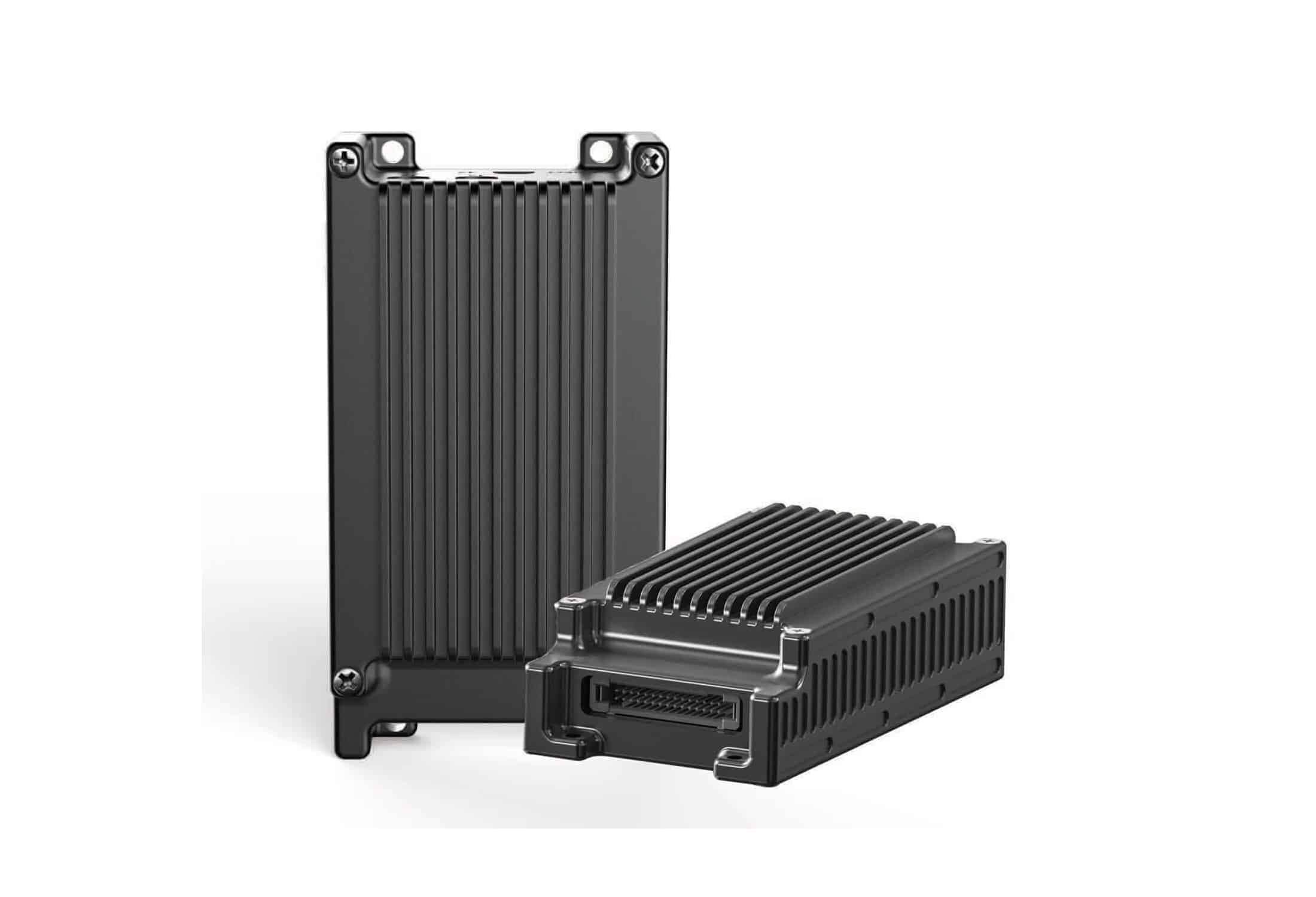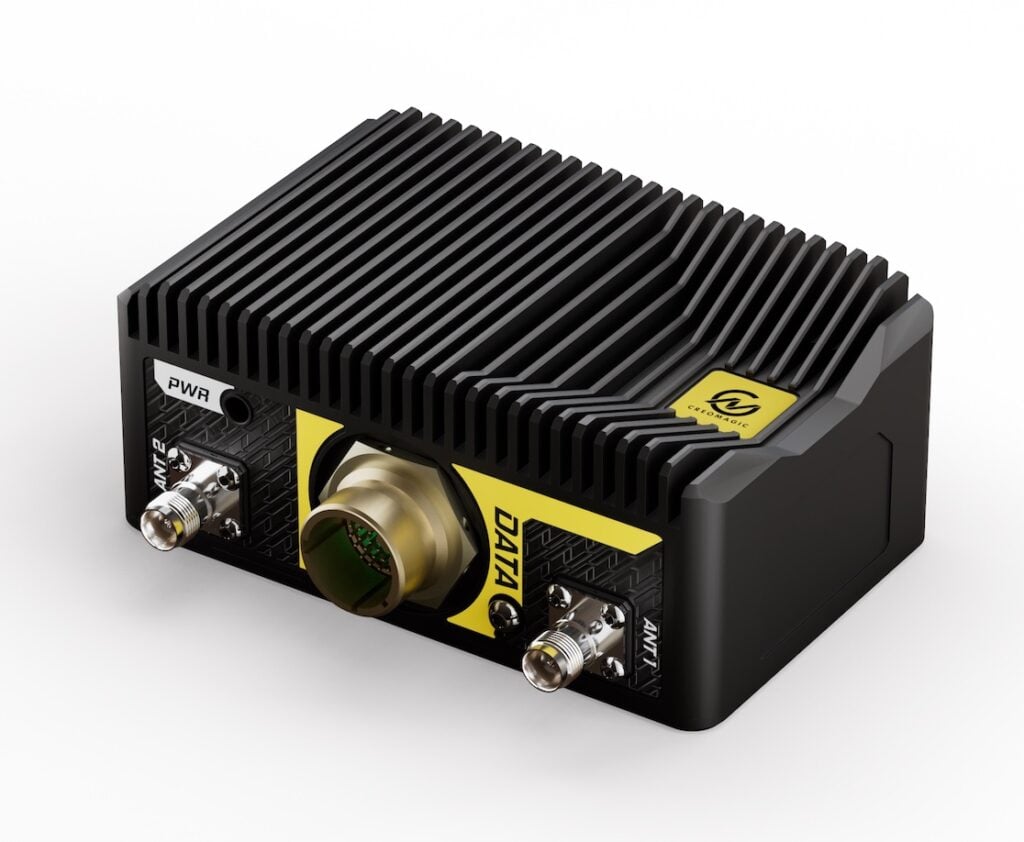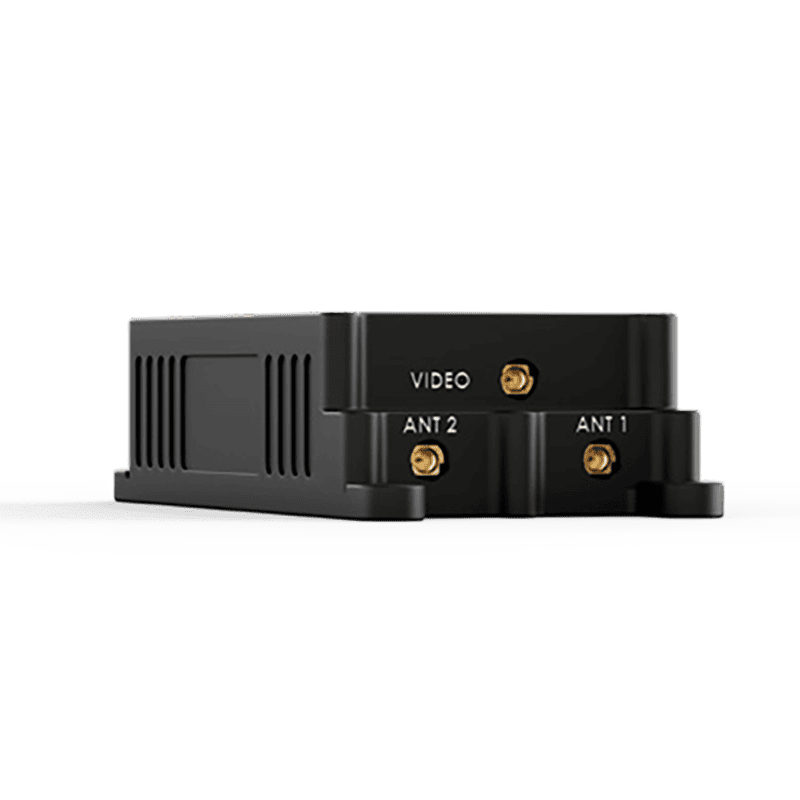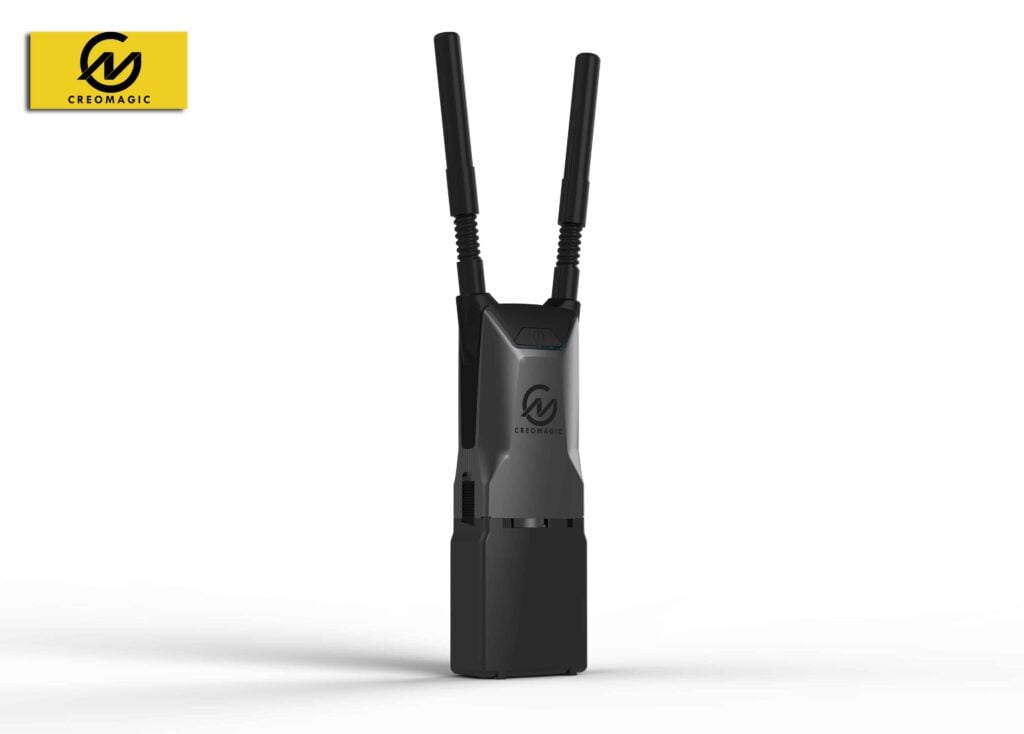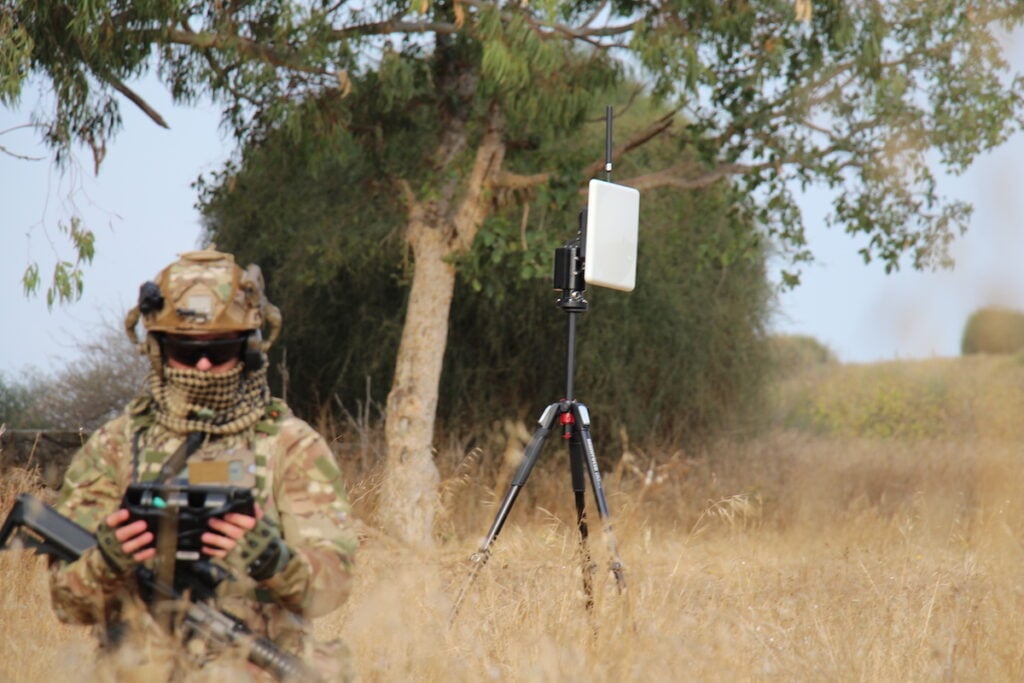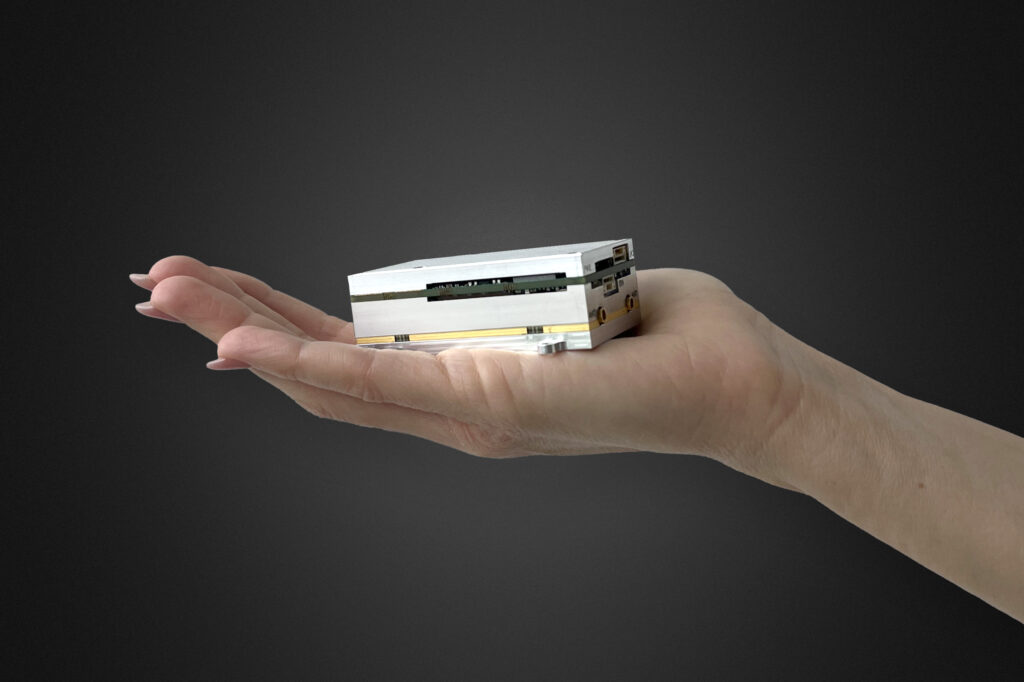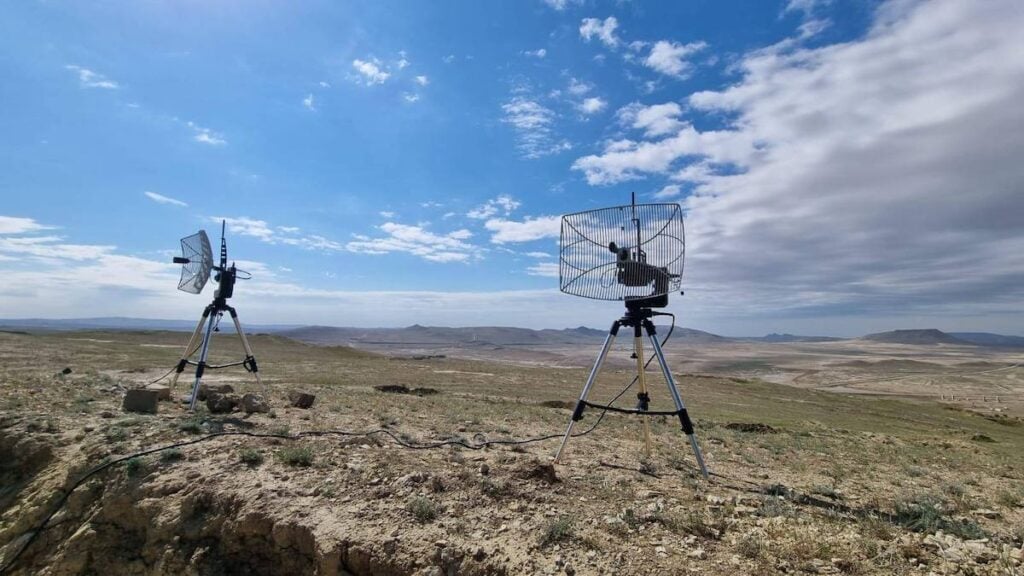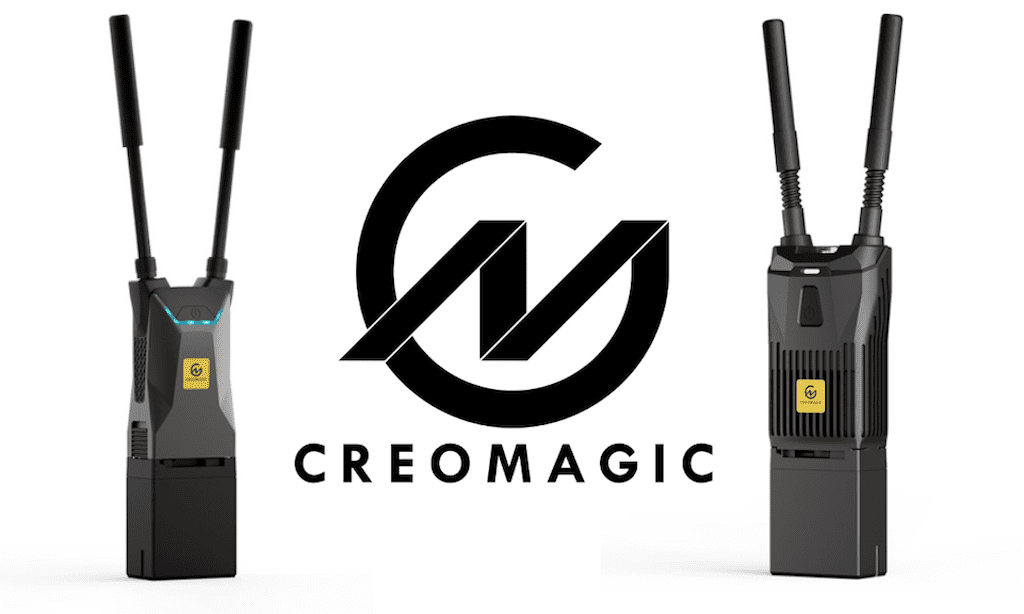
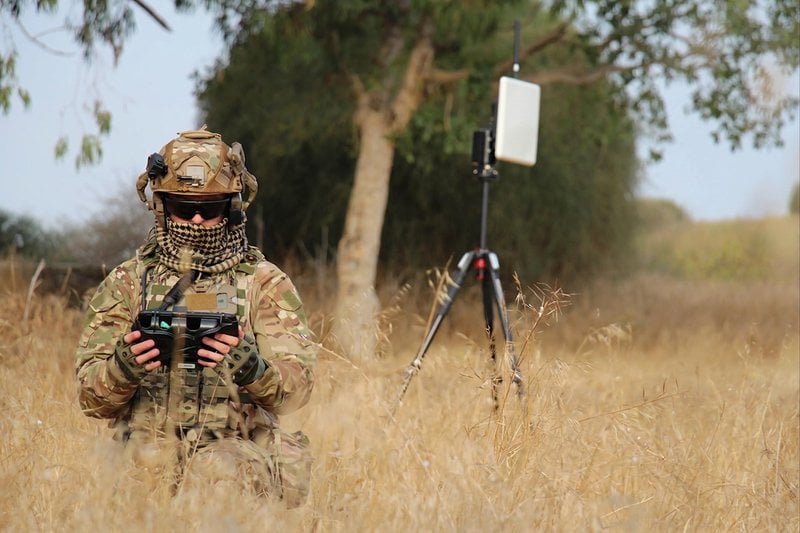
Reliable communications are increasingly critical to tactical operations involving autonomous systems and distributed military units. As congestion, interference, and electronic warfare threats place greater pressure on battlefield networks, Creomagic is addressing the need for adaptable connectivity through cognitive software-defined radio (SDR) technology and dual-waveform tactical networking.
Maintaining continuous voice, data, and video communications is essential for operational coordination, situational awareness, and mission effectiveness. Communication failures can disrupt synchronization between tactical units and autonomous systems, particularly when operating in heavily contested electromagnetic environments.
Recent conflicts have highlighted the operational importance of spectrum resilience alongside kinetic capabilities. However, maintaining reliable communications under changing radio frequency (RF) conditions remains a significant challenge, especially when networks must contend with deliberate jamming, interference, and high levels of spectrum congestion.
Software-defined radio technology provides an approach to addressing these challenges by transferring critical networking functions from fixed hardware architectures into software. This allows tactical communication capabilities to be updated more rapidly, supports operational flexibility, and reduces dependence on hardware redesign cycles.
Unlike commercial wireless technologies originally developed for civilian applications, SDR-based tactical networking can be adapted to changing mission requirements and electromagnetic conditions. Software-based architectures can also simplify system integration and accommodate evolving operational needs.
Cognitive SDR Technology for Dynamic Spectrum Conditions
Maintaining communications in contested environments requires tactical networks to respond to changes in spectrum availability and interference without disrupting information exchange.
Creomagic’s CreoNet SDR technology establishes fully encrypted tactical networks incorporating real-time RF spectrum analysis and adaptive networking capabilities.
The system continuously monitors the electromagnetic environment, using adaptive algorithms to identify spectrum congestion, interference patterns, and potential jamming activity. This information is used to adjust networking behavior as operating conditions change.
CreoNet can autonomously modify operational parameters, frequency selection, modulation techniques, and waveform behavior without requiring operator intervention. These adjustments are intended to maintain connectivity and support mission continuity when the RF environment becomes congested or electronically contested.
The combination of spectrum awareness and adaptive communication functions supports network resilience under severe electronic warfare conditions. Rather than relying on fixed communication parameters, the system can respond dynamically to changes affecting available communication paths.
CreoNet also incorporates an open-architecture design and integration-ready interfaces, supporting interoperability across different tactical platforms and operational environments.
Dual-Waveform Architecture for Communication Continuity
A central element of Creomagic’s tactical networking approach is a dual-rate waveform that supports two complementary communication layers operating simultaneously.
The architecture establishes two synchronized tactical communication domains with distinct operational characteristics, combining broadband data transmission with a more resilient channel for critical communications.
The primary waveform layer is optimized for high-throughput broadband connectivity. This supports bandwidth-intensive applications, including real-time, low-latency video streaming, where rapid data exchange is important for tactical operations.
The secondary waveform layer provides a highly resilient, low-signature command-and-control channel. It is designed to preserve critical communications when severe interference or jamming compromises normal operating conditions.
By operating both layers simultaneously, the dual-waveform architecture supports make-before-break transitions, allowing communication paths to change while maintaining tactical connectivity during significant RF disruption.
This approach helps address the conventional trade-off between communication throughput and survivability. High-bandwidth applications can be supported through the primary layer, while the secondary layer provides a resilient communication path for essential command-and-control traffic.
The architecture also supports Low Probability of Interception and Detection (LPI/LPD) operational requirements, which are particularly relevant when tactical networks operate in unpredictable electromagnetic environments.
Adapting Tactical Networks to Electronic Warfare Conditions
As tactical communications requirements evolve, network adaptability is becoming an important consideration for operations involving autonomous systems and distributed forces.
The ability to analyze RF conditions, adjust waveform parameters, and maintain complementary communication channels provides a means of responding to changing interference and jamming conditions without continuous operator involvement.
Creomagic’s combination of cognitive SDR functionality and simultaneous dual-waveform operation addresses both the need for high-throughput communications and the preservation of critical command-and-control connectivity.
Together, these capabilities support adaptable tactical networking in environments where electromagnetic conditions can change rapidly and communication continuity remains an operational priority.
Read Tactical Connectivity Built For Contested Environments – Defense Highlight on the Creomagic website.