


Showcase your capabilities
If you design, build or supply Remote ID, create a profile to showcase your capabilities and connect with visitors who have an active requirement for your solutions.



Drone Remote ID systems are digital identification solutions engineered to support real-time UAV visibility, regulatory compliance, and safer integration into shared airspace. Designed for commercial, public safety, and professional unmanned aircraft operations, FAA Remote ID solutions enable drones to broadcast or share identifying and positional data using onboard avionics, external modules, GNSS, Wi-Fi, Bluetooth, LTE, or 5G connectivity.
This page showcases UAS remote ID solutions for embedded and retrofit applications, including systems that support FAA remote identification compliance, UAV tracking, UTM integration, and CUAS awareness. Key considerations include SWaP, data integrity, privacy, ruggedization, and compatibility with existing flight control and communications architectures.
Read the Technology Overview
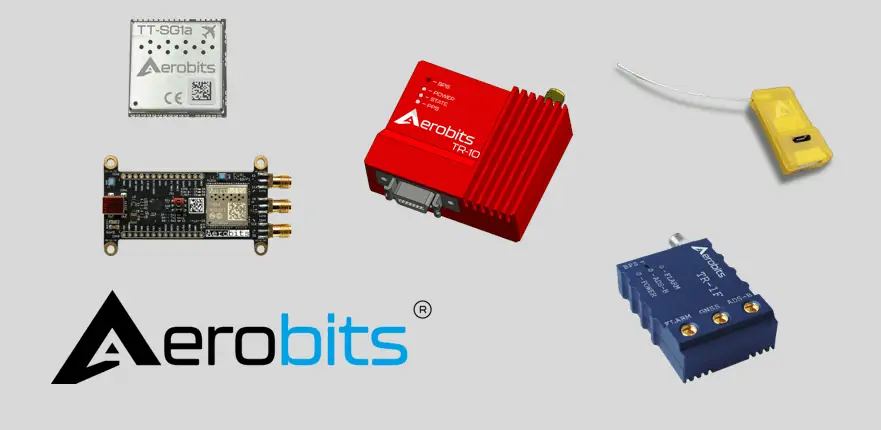




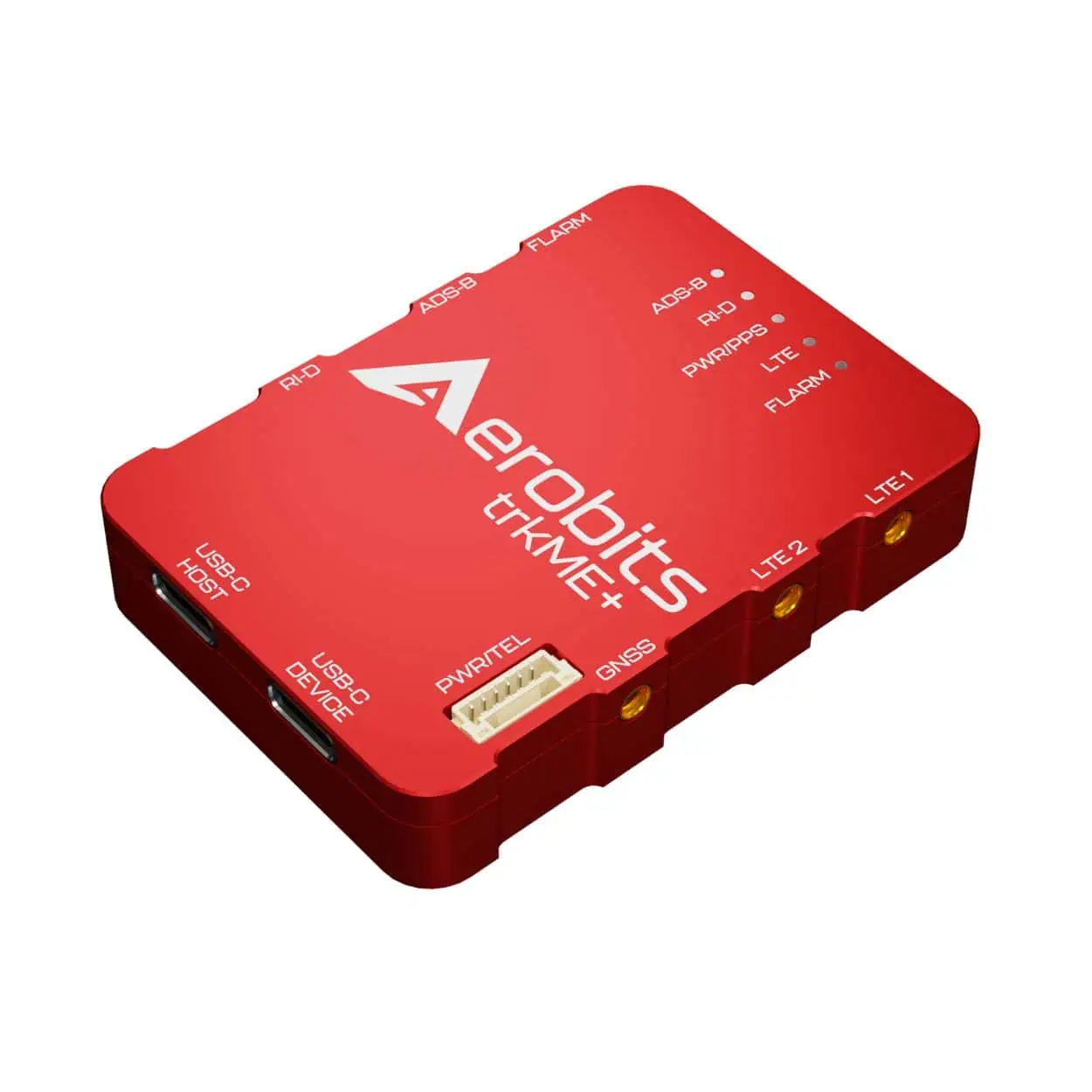
Certified UAV Communications, Navigation, Control, Surveillance, and Combat ID Solutions

Open-source flight control systems, navigation sensors and UAV electronics for autonomous platforms

Remote ID & Airspace Awareness Solutions for UAV Pilots, Drone Manufacturers & Law Enforcement Units

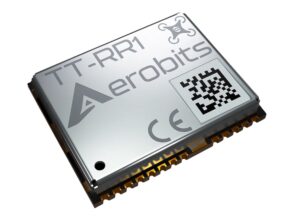
Miniature ADS-B Technology (Transceivers/Receivers) and Drone Tracking Transponders for sUAS & UTM/U-Space

If you design, build or supply Remote ID, create a profile to showcase your capabilities and connect with visitors who have an active requirement for your solutions.

Remote ID and drone identification are essential capabilities for the next generation of airspace management. As uncrewed aerial vehicles (UAV) have evolved from isolated missions through to integrated operations within shared airspace, the ability to identify and track platforms in real time has become a technical and regulatory necessity.
Remote ID acts as a digital license plate for unmanned aircraft. It allows a drone to broadcast specific identifying and positional data during flight, ensuring that authorities and other airspace users can monitor who is operating the aircraft and where it is located.

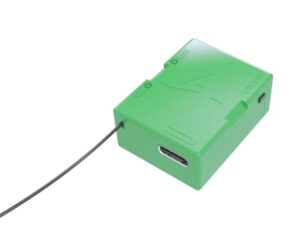
pingRID FAA-compliant Remote ID broadcast module by uAvionix Corporation
On a technical level, UAV Remote ID is an integrated capability that synchronizes onboard positioning, secure data formatting, and communication protocols. It provides persistent situational awareness in low-altitude environments where traditional secondary surveillance radar often fails to provide sufficient coverage.
The rapid growth of small unmanned aircraft systems (sUAS) has created a high volume of low-altitude traffic that remains invisible to conventional air traffic management systems. Drone identification bridges this gap through cooperative visibility.
For regulators such as the Federal Aviation Administration (FAA), Remote ID enables enhanced security and accountability, while for drone operators it is the key to unlocking controlled or complex shared airspace. Additionally, for security stakeholders, it offers a primary layer of attribution that can interface with wider counter-UAS architectures.
In the United States, the Federal Aviation Administration (FAA) mandates Remote ID under Part 89. This framework establishes three paths to compliance: Standard Remote ID UAVs, drones equipped with a Remote ID module, and operations within an FAA-recognized identification area (FRIA).
The FAA framework relies heavily on broadcast-based identification using unlicensed spectrum wireless communications such as Wi-Fi or Bluetooth. This ensures that data is locally accessible to law enforcement and public safety agencies without requiring a persistent cellular connection.
The European Union Aviation Safety Agency (EASA) integrates Remote ID within the U-space framework. Unlike the U.S. model, Europe places a stronger emphasis on network-based identification, where data is shared via service providers as part of a federated traffic management system. This approach supports scalable operations and digital airspace services across national borders.
The UK Civil Aviation Authority (CAA) follows a path similar to EASA, focusing on a balance between broadcast identification for local awareness and network services for integrated airspace management.
Standardization bodies such as ASTM International and ISO are critical in aligning protocols. ASTM F3411, for instance, is the baseline for broadcast Remote ID, defining message structures and transmission methods. Open Drone ID is a key open-source project supporting these standards, ensuring interoperability across multi-agency environments.
Broadcast Remote ID sends data directly from the drone using short-range protocols. It is decentralized and resilient. Network Remote ID relies on internet connectivity to relay data to a central server, enabling wide-area tracking but introducing dependencies on cellular infrastructure.
A robust drone tracking system relies on continuous broadcast cycles, updating several times per second. This allows for precise monitoring of UAS ID, trajectory, and operator location. Success depends on the tight synchronization between the GNSS receiver, onboard processing, and communication hardware.
A major challenge lies in balancing transparency with operator privacy. While authorized entities require full access to data, public broadcasts typically limit sensitive personal information. Anti-spoofing mechanisms are also essential to prevent the manipulation of identification data in high-risk environments.

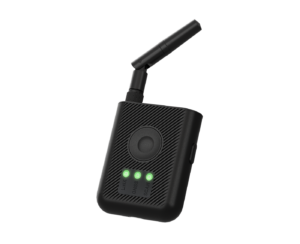
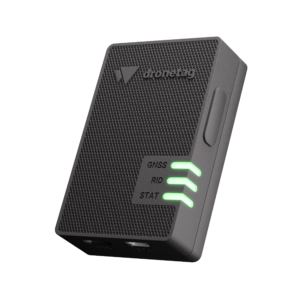
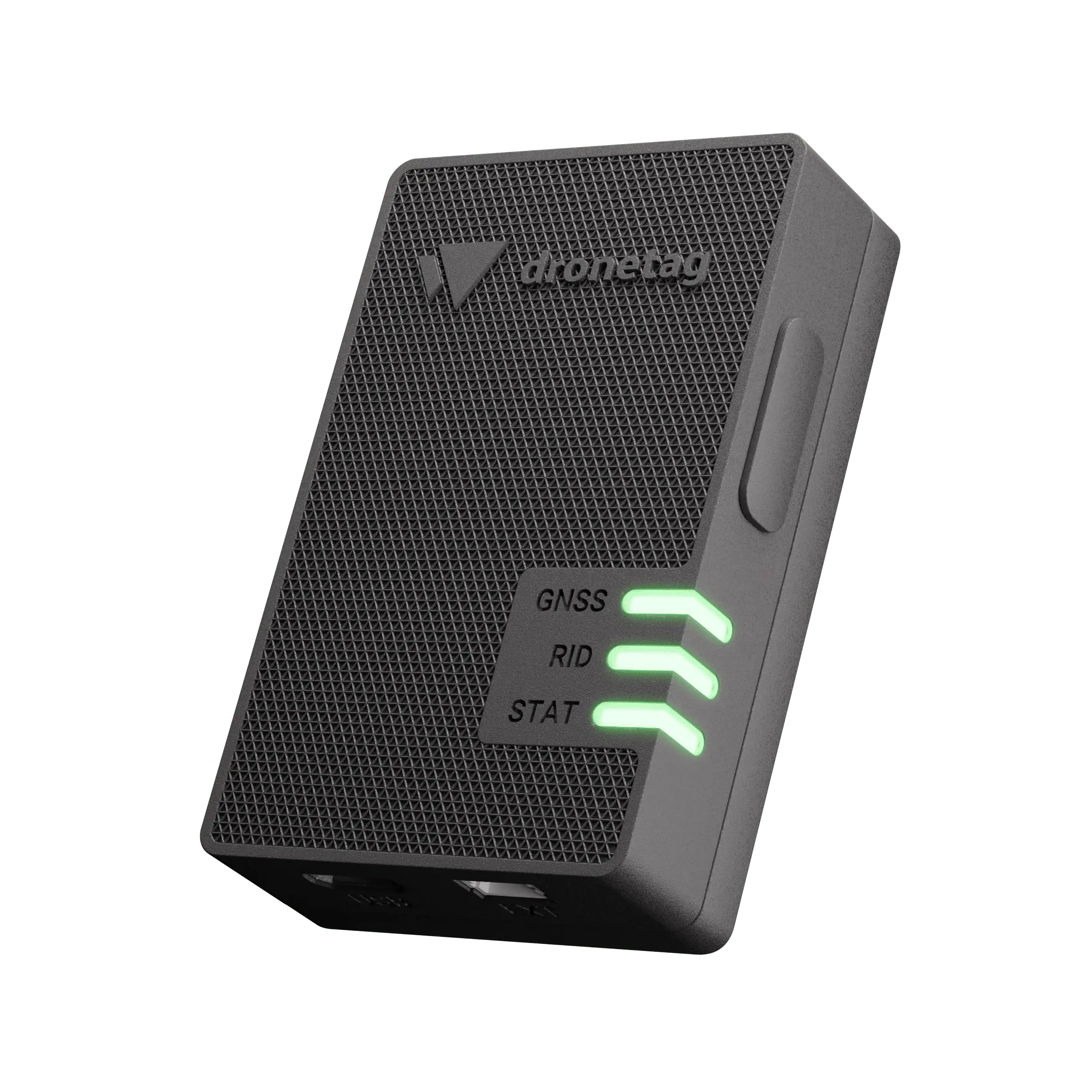
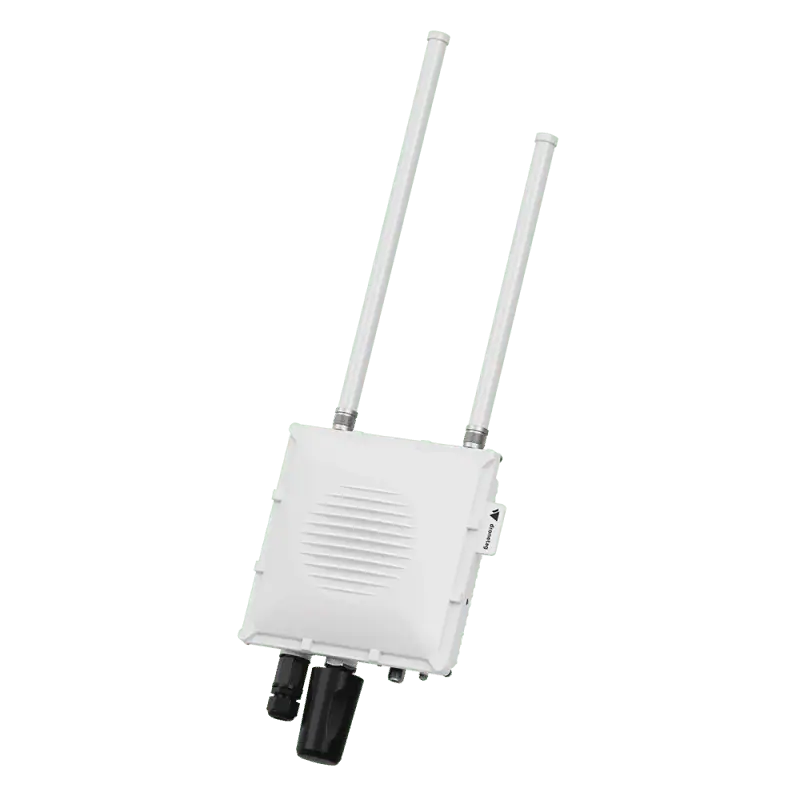
Dronetag Mini Remote ID solution by Dronetag
The Remote ID module is the central hardware component, housing the processing and transmission logic. In professional systems, this is often embedded within the mission computer to allow for deeper integration with telemetry.
Reliable position reporting is impossible without high-precision GNSS. The system must report real-time latitude, longitude, altitude, and velocity, as the integrity of this data determines the reliability of the entire identification chain.
Standard protocols include Bluetooth Low Energy and Wi-Fi. While these are sufficient for local broadcast, network-based systems utilize LTE or 5G to connect with cloud-based drone traffic monitoring platforms.
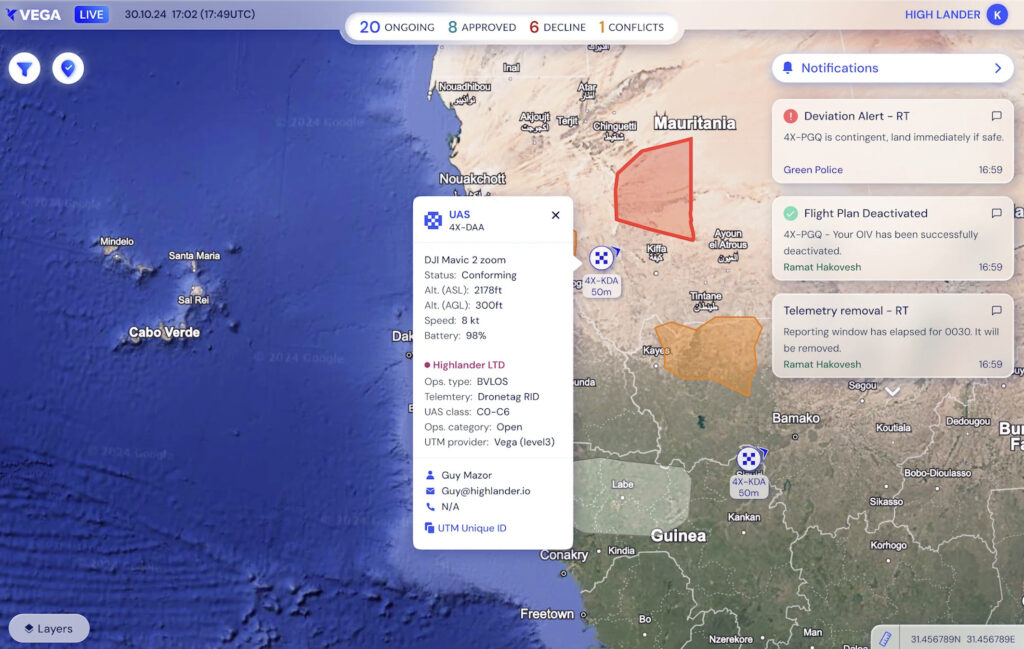
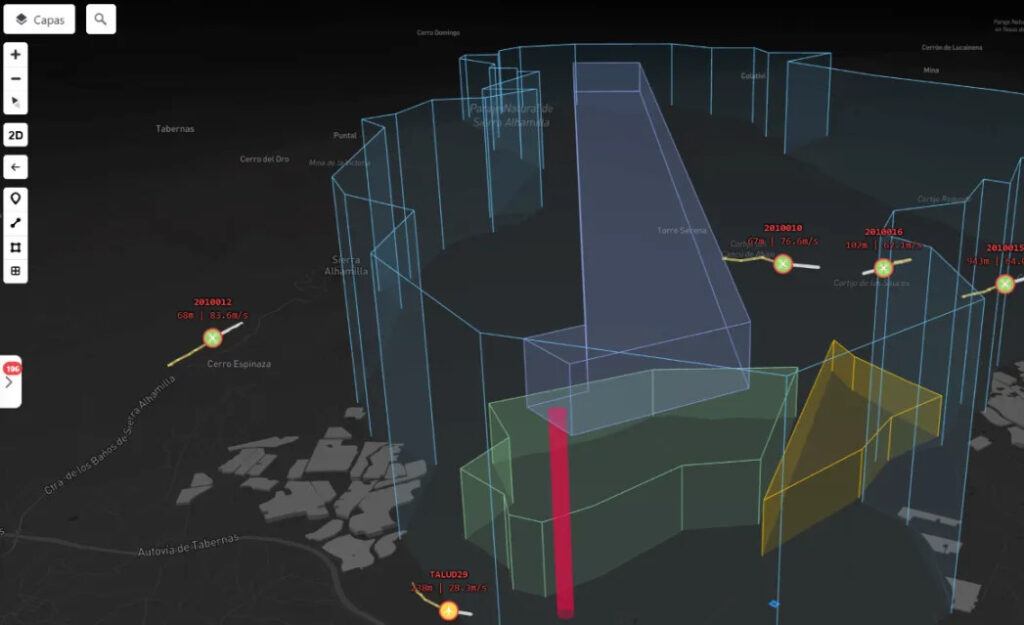
UAV Remote ID is a foundational element of UTM ecosystems. By providing real-time positional data, it supports tactical deconfliction between multiple UAVs and manned aviation. It also interfaces with geofencing and airspace authorization services, ensuring that autonomous missions remain within approved boundaries.
For non-cooperative targets, RF-based detection systems analyze signal characteristics of the control link. When combined with radar and EO/IR sensors, these technologies provide a comprehensive security picture. Modern counter-UAS strategies rely on sensor fusion to correlate Remote ID data with non-cooperative sensor inputs to verify identity and intent.
Drone Remote ID components, particularly those for small UAS, must meet strict size, weight, and power (SWaP) constraints. Efficient design is critical to ensure that compliance does not significantly degrade flight endurance or payload capacity. Modular solutions offer flexibility for retrofitting, while embedded solutions provide the most streamlined footprint.
Product Round-Up: Remote ID for Commercial Drones in the USA
Drone identification is highly likely to place increasing importance upon 5G connectivity and AI-driven analytics. As drone density increases in urban environments, 5G will provide the bandwidth needed for high-density tracking. Meanwhile, digital identity frameworks and blockchain solutions are being explored to improve the traceability and security of autonomous airspace operations.
While coverage gaps and rogue drone detection remain challenges, the continued evolution of Remote ID standards ensures that uncrewed systems can operate safely and transparently in shared airspaces.


 Searching Companies & Products



 Subscribe to the Weekly eBrief
The latest engineering and technical developments straight to your inbox - join thousands of engineers who receive it.
Subscribe to the Weekly eBrief
The latest engineering and technical developments straight to your inbox - join thousands of engineers who receive it.