




Sightline Intelligence has secured a $2.27 million production order from an established defense technology customer to support multiple Intelligence, Surveillance, and Reconnaissance (ISR) imaging systems.
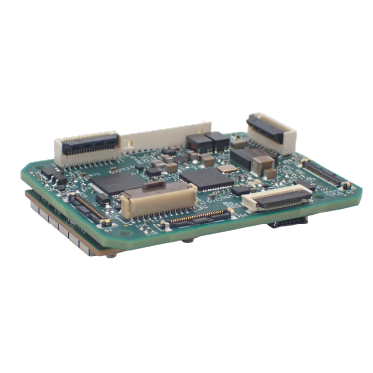
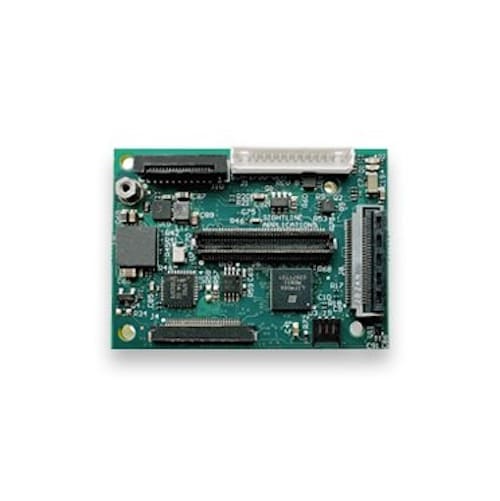
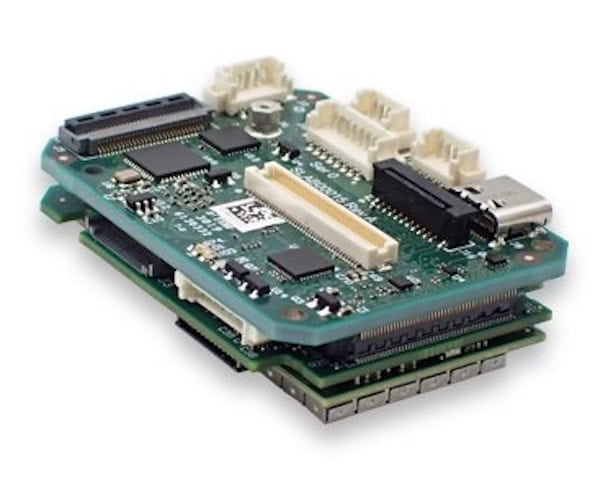
The order includes embedded processing hardware, System-on-Modules (SOMs), and VISTA software licenses for Aided Target Recognition (AiTR), with deliveries scheduled through the fourth quarter of 2027.
Building on a longstanding customer relationship, the order supports the continued integration of Sightline Intelligence technology into advanced Electro-Optical and Infrared (EO/IR) imaging systems supporting tactical unmanned aircraft and long-range ISR missions.
The order extends the company’s role in supporting production ISR systems with onboard processing and vision intelligence configured to meet individual payload and mission requirements.
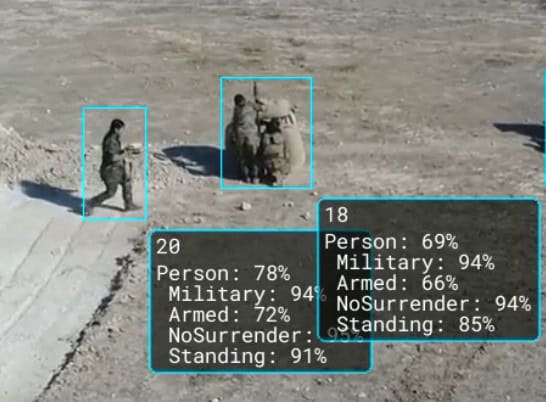
Sightline Intelligence supports capabilities across the vision pipeline, including camera integration, real-time video stabilization, Moving Target Indication (MTI), object tracking, and AiTR.
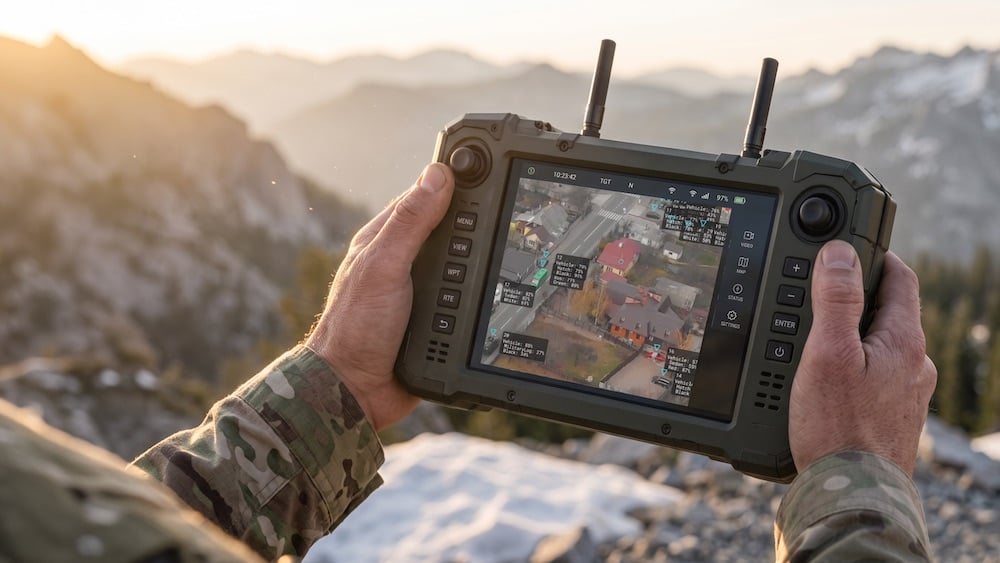
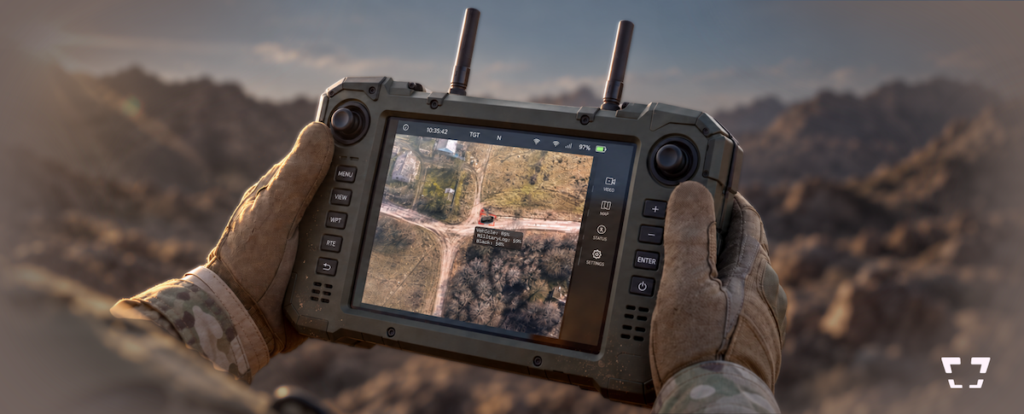
Processing video directly onboard helps operators identify and track objects of interest while reducing the need to transmit video elsewhere for analysis. These capabilities support situational awareness and help reduce operator workload at the tactical edge.
Mark Boccella, Senior Vice President of Sales and Marketing at Sightline Intelligence, said, “This order reflects the continued confidence our customers place in Sightline to deliver mission-critical capabilities at production scale. As defense platforms become increasingly reliant on onboard intelligence, our combination of proven embedded processing and modular AI software enables manufacturers to accelerate integration and scale advanced capabilities across multiple platforms and mission requirements.”
Sightline Intelligence enables Original Equipment Manufacturers (OEMs) and systems integrators to incorporate advanced vision capabilities without developing the entire processing and AI technology stack in-house. Its modular approach accommodates different sensors, payloads, and mission requirements, helping manufacturers reduce engineering effort and integration complexity as they bring systems into production.