

Arkeus and TEKEVER demonstrated an integrated intelligence, surveillance and reconnaissance capability during amphibious operations at REPMUS 2026 that spanned maritime, littoral and land environments.
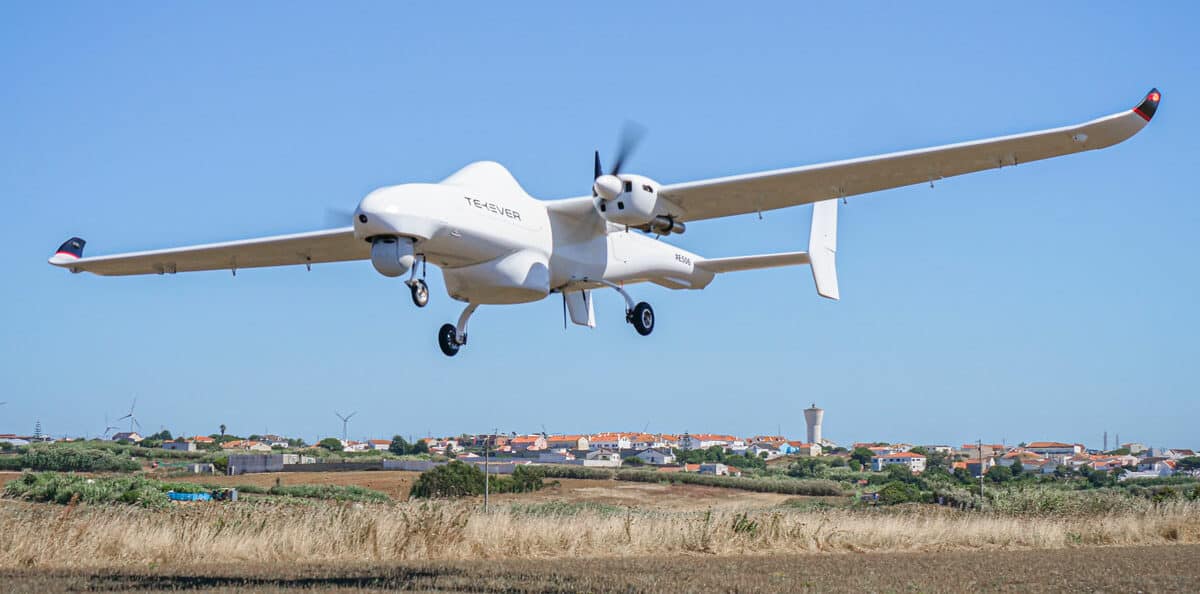
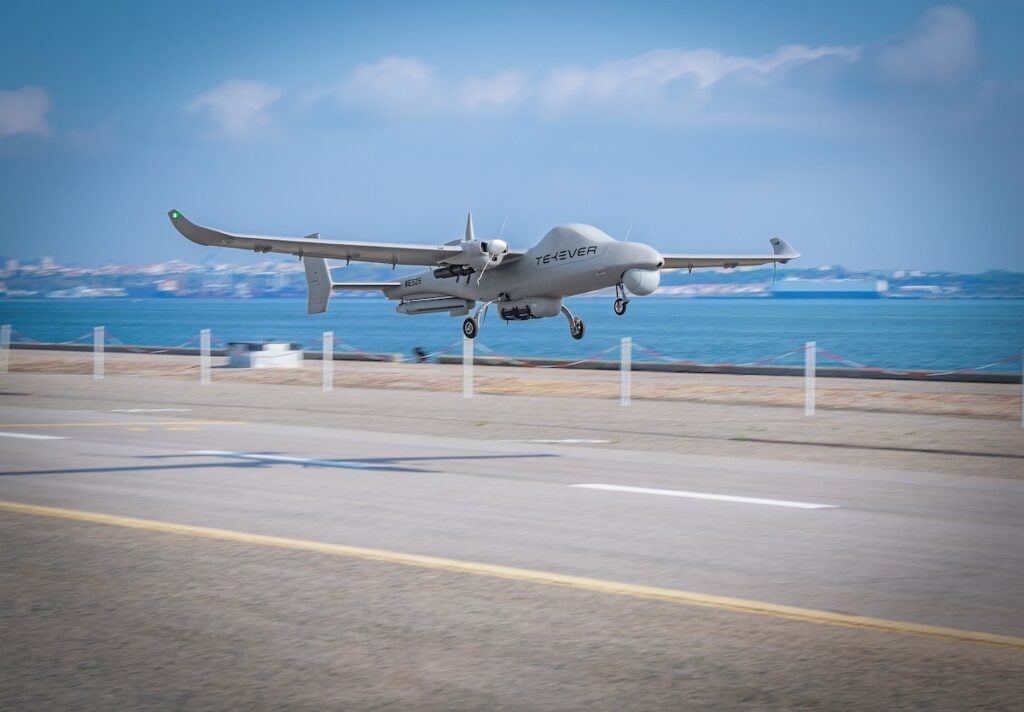
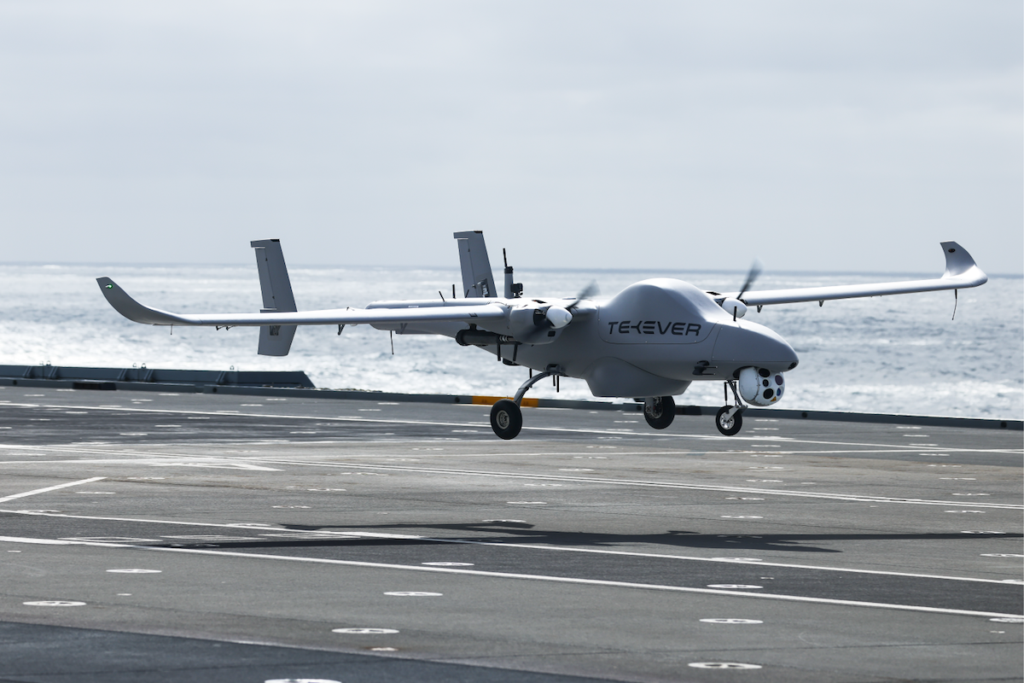
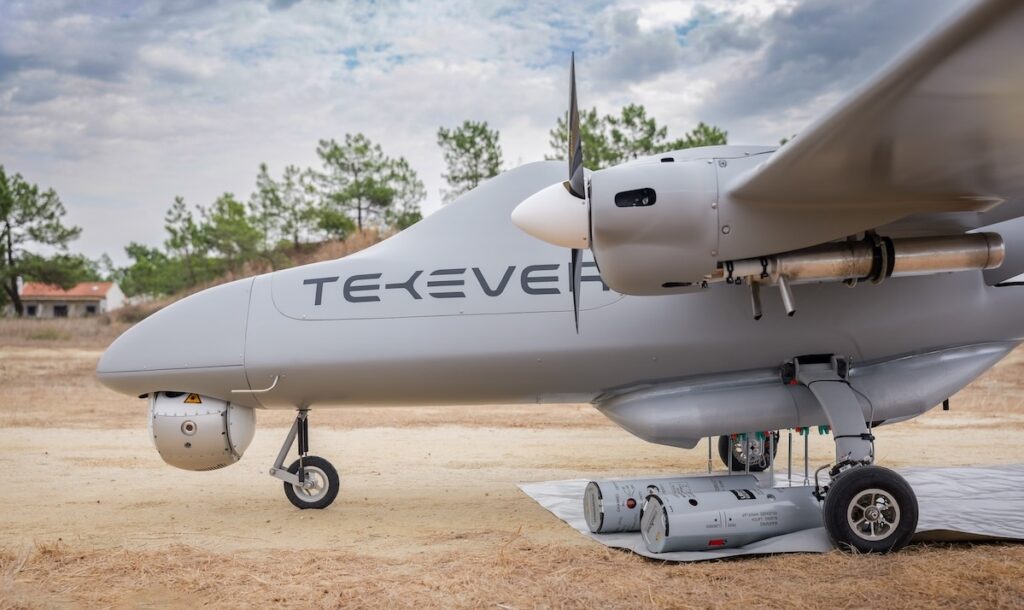
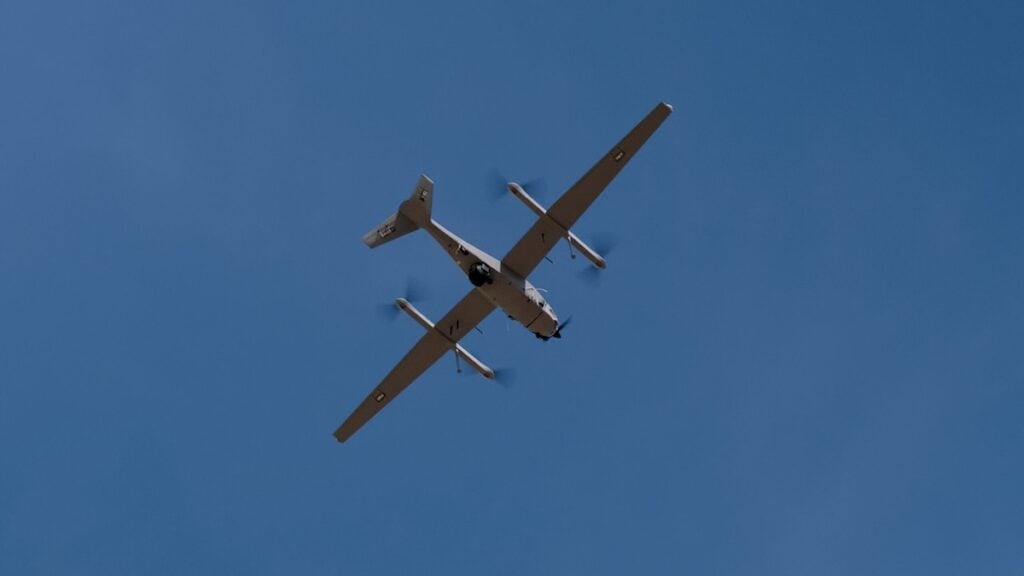
Operating aboard a Portuguese Navy vessel after completing land-based training flights, the demonstration paired Arkeus’ Warden autonomous perception system with TEKEVER’s AR3 EVO uncrewed aerial system. Together, the systems detected, identified and tracked points of interest, including Marines landing ashore.
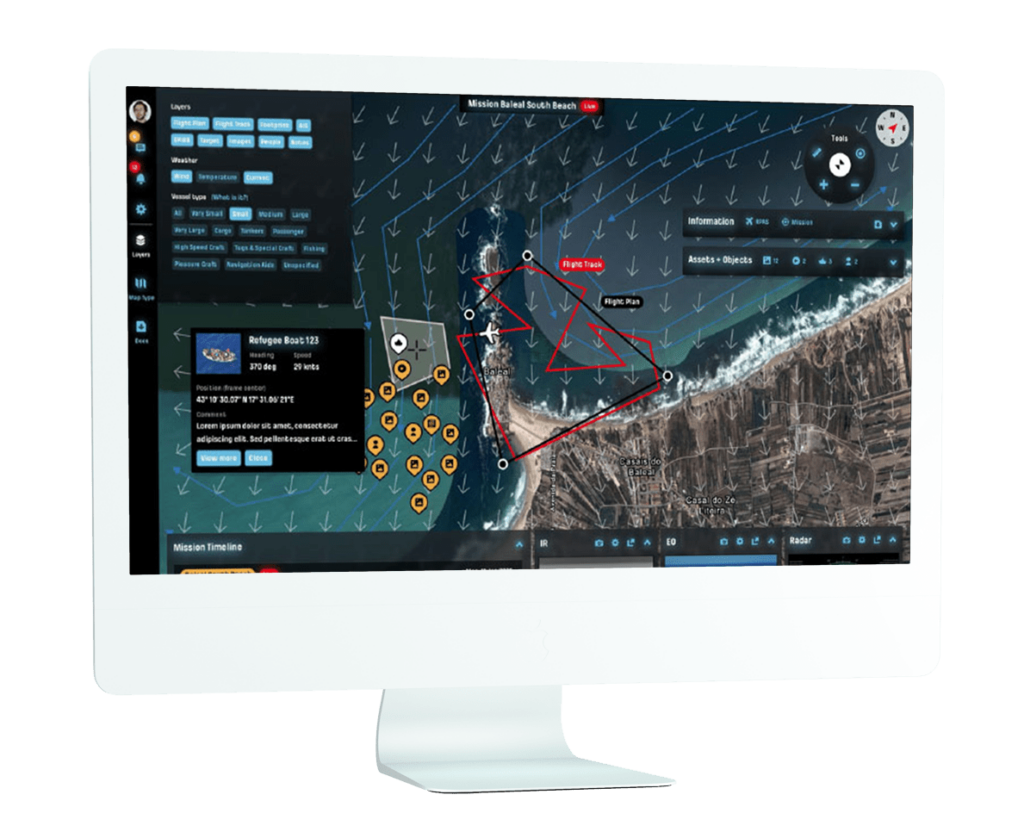
Mission data gathered during the exercise was imported into ATLAS, TEKEVER’s mission management platform. Once ingested, the information became actionable intelligence shared across the wider REPMUS operational environment to support faster, better-informed decision-making.
Warden combines hyperspectral optical sensing with onboard artificial intelligence to autonomously detect, recognise and track mission-relevant objects across wide areas. Built for tactical unmanned platforms, the system supports maritime, littoral and land missions, including operations at night and in degraded visual conditions. Processing data at the edge reduces the burden on operators who would otherwise have to sift through large volumes of raw sensor data.
“Operators need to be able to find what matters across vast areas quickly enough to act,” said Simon Olsen, CEO of Arkeus. “As autonomous platforms become more central to defense operations, they need the perception to understand their environment, not simply collect more imagery. This demonstration showed how Warden can provide that perception across maritime, littoral and land environments and deliver decision-ready intelligence at the edge.”
Arkeus is a defence technology company providing hyperspectral autonomous perception systems, while TEKEVER supplies AI-powered autonomous systems. The REPMUS 2026 scenario built on earlier integration and flight testing of Warden aboard the AR3 EVO, moving the combined capability into a multi-domain operational setting.
TEKEVER’s AR3 EVO provides long endurance and adaptability across maritime and terrestrial missions, with a modular architecture that supports varied mission profiles and ISR payloads. Its precision vertical take-off and landing capability allows operation from spaces as small as 5×5 metres, including flight decks on moving ships.
Pedro Petiz, Director of TEKEVER for Portugal, said, “Naval operations require forces to keep visibility from the seabed to the shore. Our collaboration with Arkeus on REPMUS reinforces the role of the AR3 EVO for these missions by enhancing situational awareness for naval forces and supporting better decision-making as mission requirements evolve.”
Across the demonstration, Warden and the AR3 EVO showed how a ship-launched ISR asset can follow forces from sea to shore and feed edge-processed intelligence into a broader operational network.