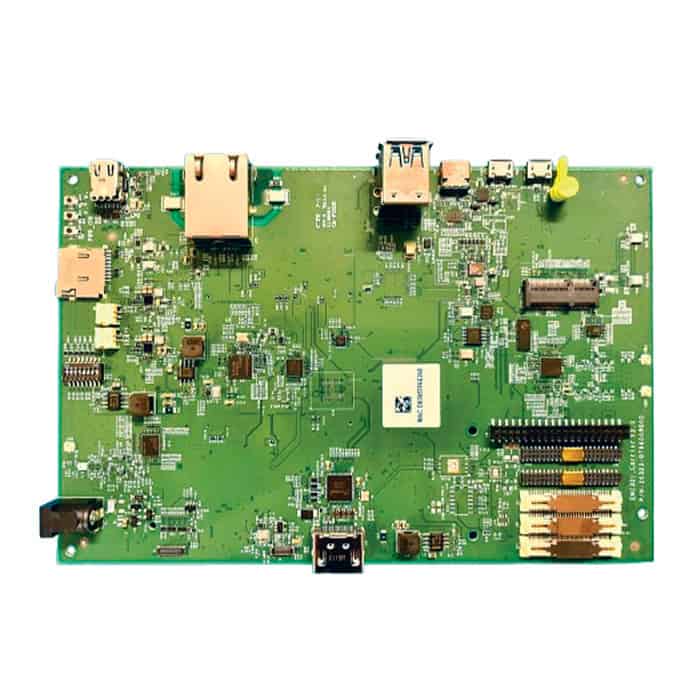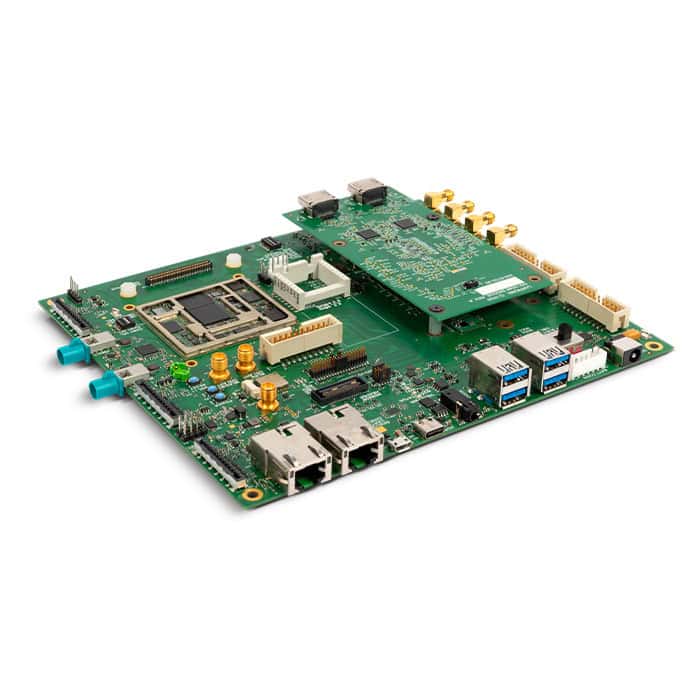


Lantronix has introduced Spotter, a purpose-built robotics platform engineered to deliver onboard artificial intelligence, flight-grade sensing, and vehicle control for unmanned systems without the prohibitive power and cost demands of traditional GPU hardware.
As unmanned vehicle operations shift toward concurrent multi-vehicle management and coordinated autonomous swarms, developers have encountered a persistent hardware barrier. Small and attritable autonomous systems have traditionally been limited to low-end embedded boards incapable of processing demanding artificial intelligence models, or high-performance GPU systems whose weight, electrical draw, and price point restrict broad deployment across entire fleets.
Saleel Awsare, President and CEO of Lantronix, said, “Drone and robotics companies shouldn’t have to choose between a board that can’t think and a platform they can’t afford to put on every vehicle. Spotter gives them the right amount of AI at the right size, power and cost, so they can stop wrestling with hardware and start deploying autonomy.
“With Spotter, Lantronix moves from supplying compute to delivering the platform autonomy is built on. Customers can fly on day one and focus their engineers on the software that sets their vehicles apart.”
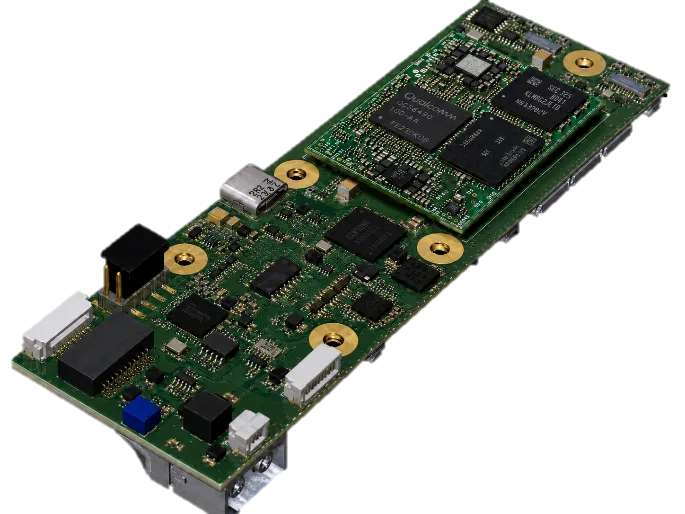
Measuring 42 by 120 millimeters, the Spotter platform is powered by the Qualcomm Dragonwing QCS6490 processor and built on the Lantronix Open-Q 6490 system on module. Operating at single-digit watts, the board supplies up to 12.5 TOPS of AI performance while integrating machine vision, flight-grade sensing, and vehicle control into a unified form factor. The hardware is configured to retrofit directly into existing aerial, ground, and maritime platforms or anchor new autonomous designs.
To support custom software development, the architecture interfaces with standard flight stacks and protocols, including PX4, ArduPilot, Betaflight, and MAVLink, allowing manufacturers to maintain complete control over proprietary autonomy and mission software. Lantronix, which supplies Edge Intelligence and Industrial IoT solutions for critical infrastructure and NDAA-compliant unmanned systems, backs the hardware with dedicated engineering services. The company’s compute technology already has an established track record in defense programs, currently operating aboard Blue UAS-approved drones.
Previewed at AUSA 2026 in Washington, D.C., the platform is scheduled for commercial availability in the fourth quarter of calendar 2026.