


AirData has surpassed 65 million recorded drone flights across 850,000 aircraft and 470,000 pilots worldwide, highlighting a rapid growth in commercial unmanned aviation as federal regulators prepare to publish new operational standards.
The milestone arrives as the Federal Aviation Administration’s final Part 108 rule for routine beyond visual line of sight operations remains under review at the Office of Information and Regulatory Affairs, where it has sat since July 10 in its final major administrative step prior to publication. Once enacted, Part 108 will fundamentally shift regulatory accountability for flight safety and currency from the individual remote pilot to the operating organization.
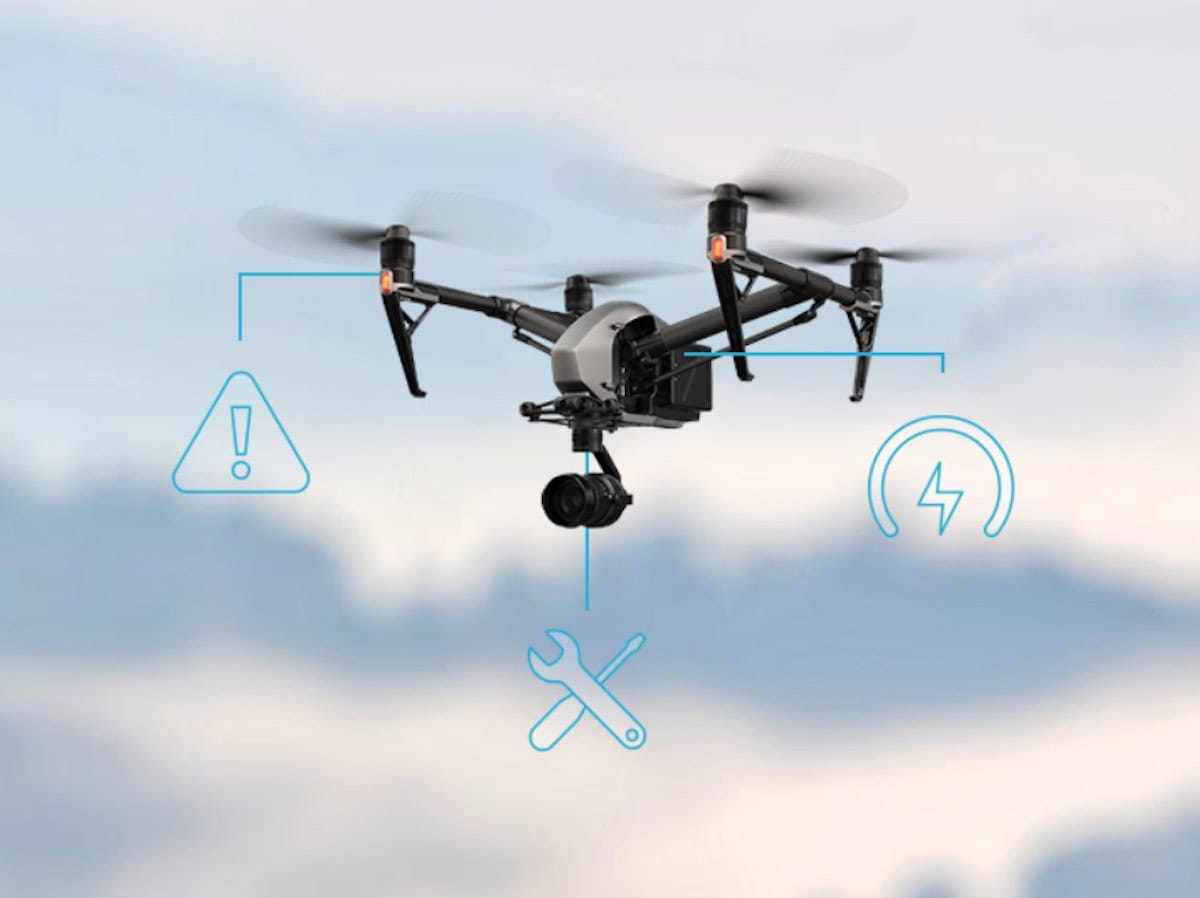
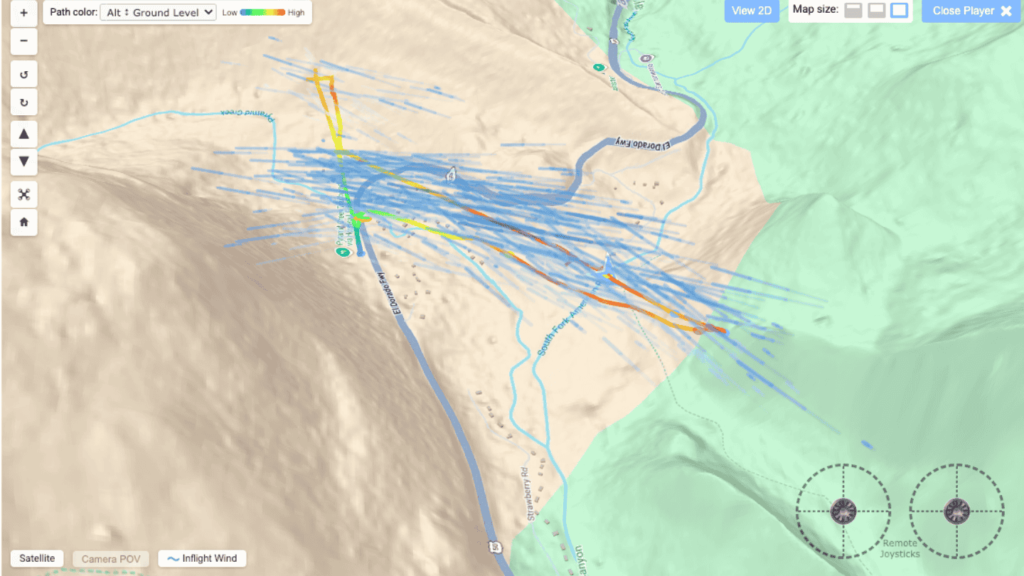
Under the upcoming rule, operating organizations must demonstrate that personnel are qualified, aircraft are airworthy, and missions adhere strictly to approved procedures. Organizations will be required to maintain detailed flight data collection systems, track qualification and training records, and verify that personnel overseeing flights maintain currency on the specific aircraft being flown. The framework specifically targets four primary operational categories: flights, personnel, maintenance, and incidents.
The volume of commercial drone activity has accelerated substantially over the past year. After reaching 50 million flights in May 2025, AirData accumulated an additional 15 million flights over the subsequent 15 months, maintaining an average pace of one million flights per month. This expansion reflects both the growth of existing fleet programs and the transition of drone operations from experimental pilot projects into routine organizational infrastructure.
Eran Steiner, Founder and CEO, AirData, “Sixty five million flights is not a vanity number for us. It is why we can tell an operator that one battery is aging differently from the other nineteen packs of the same model on the same duty cycle. No single fleet is large enough to produce that comparison on its own.”
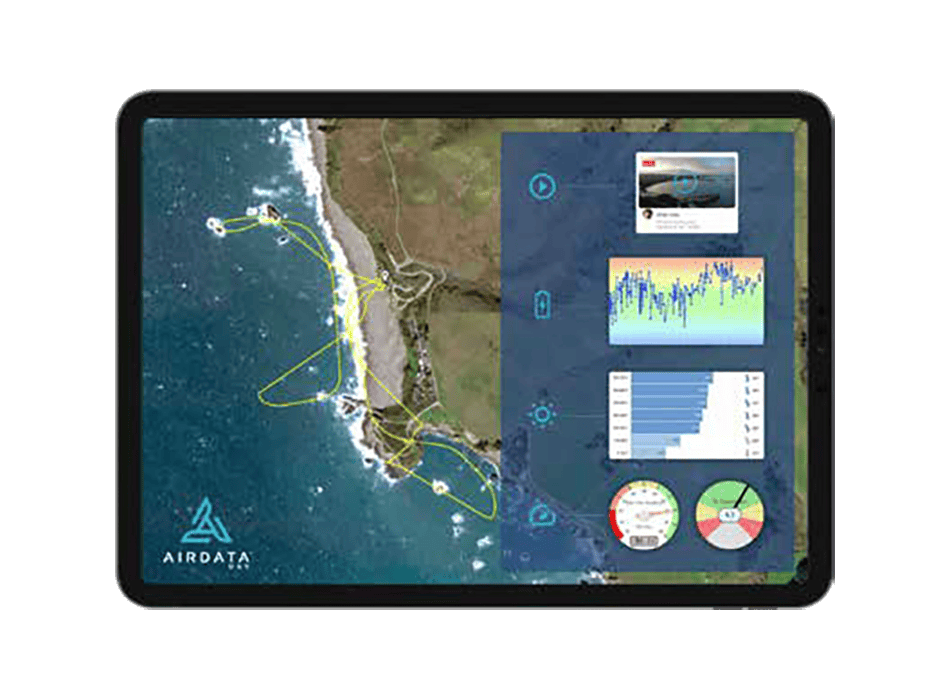
The dataset encompasses more than 180 drone types and 60 flight applications, capturing operational data across diverse, multi-vendor fleets rather than isolated single-manufacturer ecosystems. The platform analyzes individual battery cells following every flight and tracks currency across more than 880 pilot certificate types globally.
Enterprise utility operations serve as an early model for the organizational compliance required under the pending regulation. Pacific Gas and Electric currently operates across a 70,000-square-mile service area in California under a beyond visual line of sight waiver, using automated systems to maintain the flight, personnel, and maintenance evidence required by its authorization.
Eran Steiner, Founder and CEO, AirData, added, “Sixty five million flights is not a vanity number for us. It is why we can tell an operator that one battery is aging differently from the other nineteen packs of the same model on the same duty cycle. No single fleet is large enough to produce that comparison on its own.”
AirData, a member of the Commercial Drone Alliance, has published a business readiness guide titled The AirData Blueprint: Operational readiness for the Part 108 era to assist enterprise programs during the regulatory transition. The company will also showcase its operational intelligence platform at the Commercial UAV Expo, exhibiting at booth #914 from September 1 to 3 at Caesars Forum in Las Vegas.