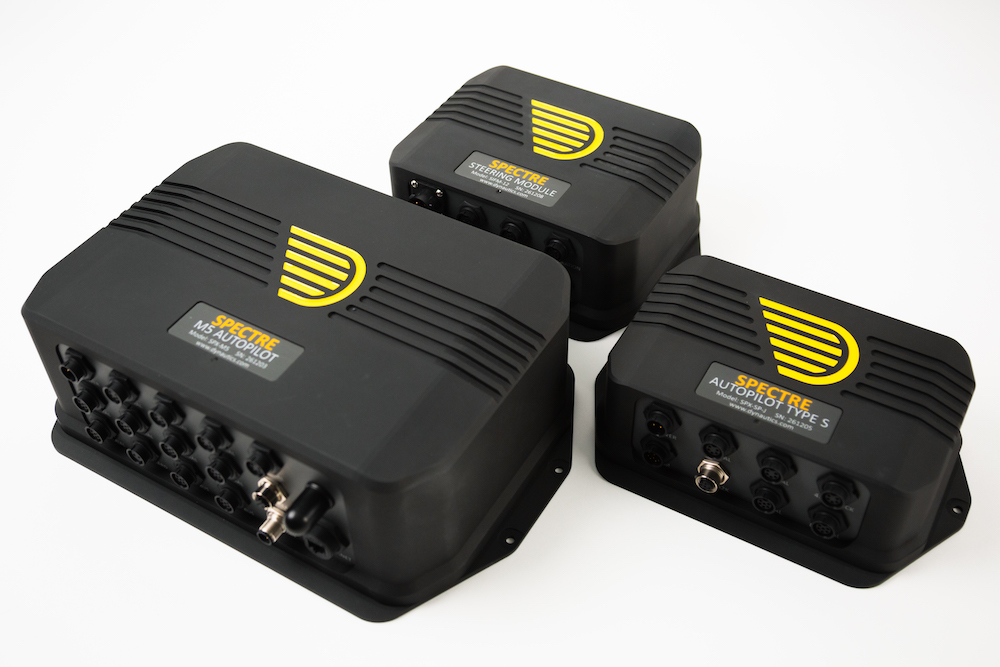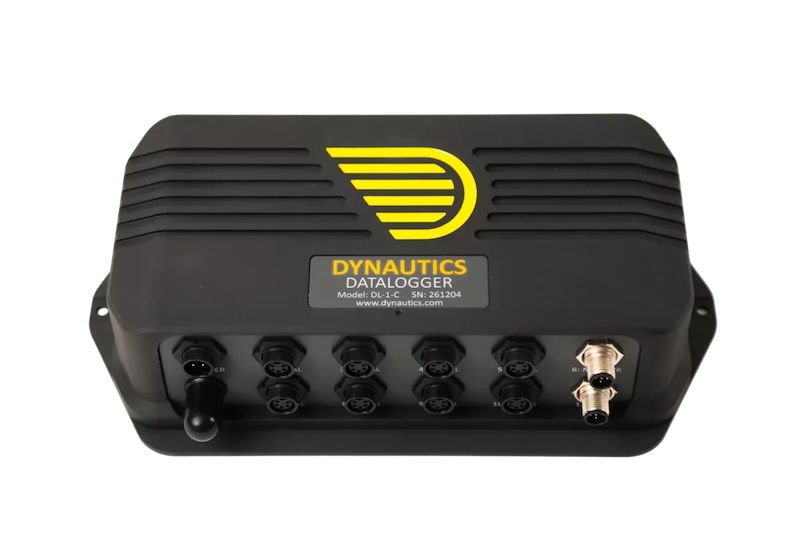
Dynautics has introduced its new Datalogger, an onboard data recorder designed to collect detailed information on uncrewed vessel behavior across multiple channels.
Developed for permanent installation, the system records multiple data streams simultaneously, allowing operators to capture high time-resolution vessel data without relying on ad-hoc or one-off recording methods. Once installed, it operates in the background, giving users a single instrument for recording mission, navigation, machinery, and command-and-control data.
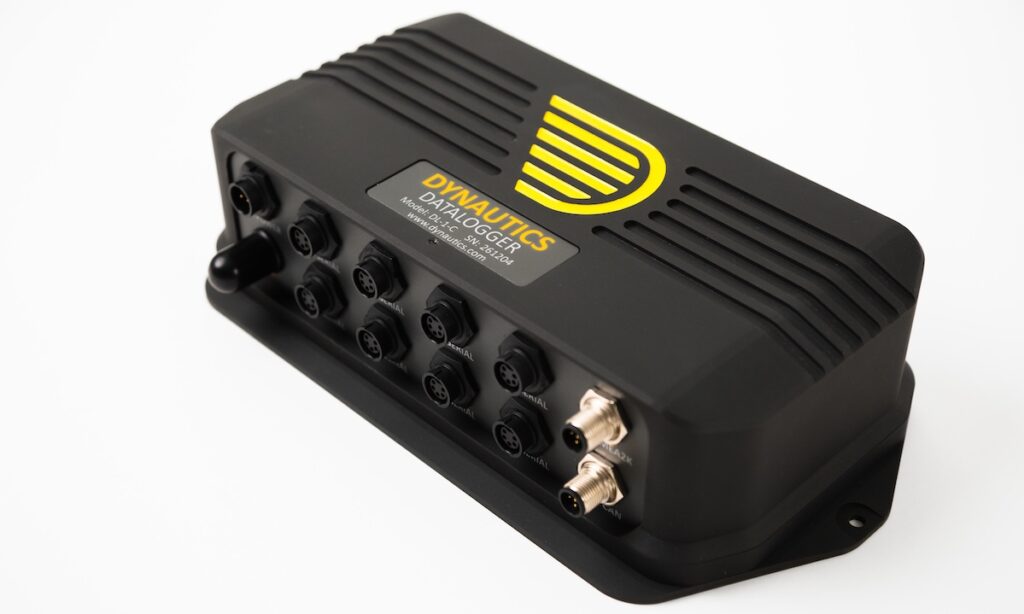
With capacity for eight serial channels and CANbus recording, the Datalogger supports ASCII and binary data formats, allowing vessels to record navigation sensor data, command-and-control information, and low-level machinery data at 10 Hz or more.
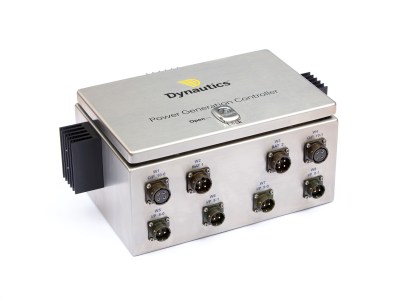
The standard system measures 300 x 150 x 75 mm, weighs 1.9 kg, and is housed in a ruggedized waterproof enclosure. It operates at up to 24 W on 12–24 V power, with dual redundant power support, RS232, RS422 and RS485 serial interfaces, Wi-Fi 6 at 2.4/5 GHz, 2.5 Gigabit Ethernet, real-time data viewing, and storage capacity for over one year of data on a single drive.
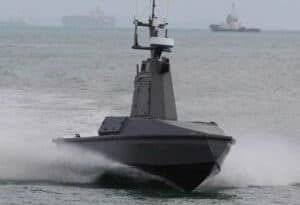
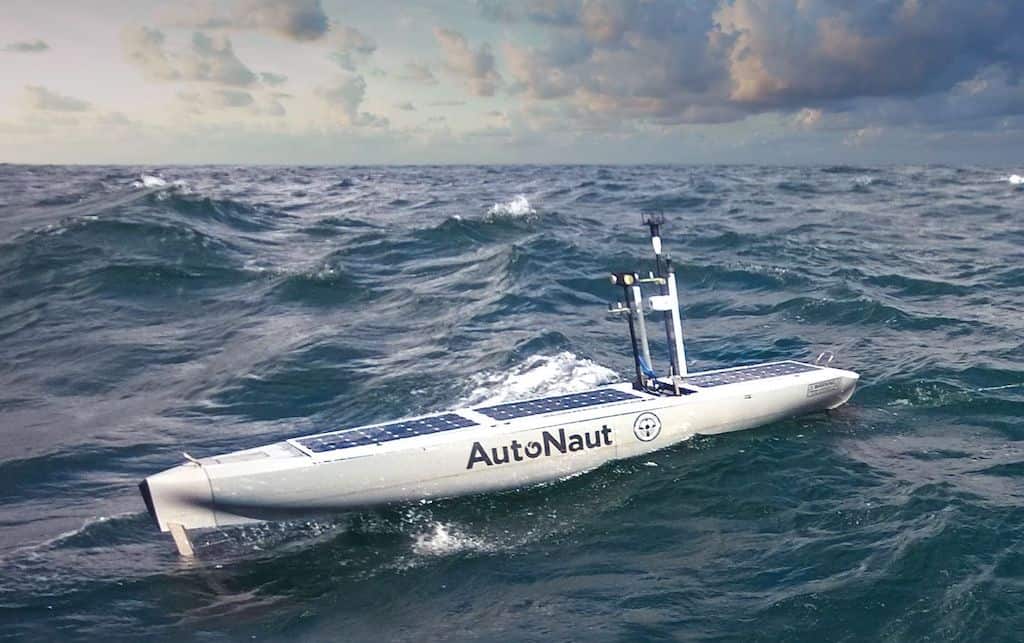
Based on a similar concept the black box data recorders used in aviation, the technology brings comparable onboard recording capability to the marine domain, particularly for unmanned vessels. Typical applications include Rigid Hulled Inflatable Boat (RHIB), survey vessels, and Unmanned Surface Vehicles (USVs) deployed for military, survey, or scientific missions.
As a single, integrated recorder with multiple recording channels, the Dynautics Datalogger receives data and saves it to timestamped files, enabling every sentence from every sensor to be logged so that a mission can be reconstructed in detail for offline analysis.
During normal operation, the operator does not need to interact with the unit. Recordings can be downloaded as needed via Ethernet or Wi-Fi, allowing users to connect with a tablet or phone to access stored data. The recorder can also be used for real-time monitoring. By logging into the web page published by the unit, users can view live feeds, sensor data entering the control system, and commands streaming out. This makes the system a useful real-time troubleshooting aid.
ASCII data is timestamped and recorded as received, while binary channels are timestamped and can be encoded so that data becomes human readable and can be reconstituted in its original form. CANbus data, including NMEA2K, is timestamped and recorded on a message-by-message basis.
Third-party system integration is supported by connecting serial cables via Data Tee junctions, which bring out transmit and receive signals to a rugged connector that plugs directly into the Datalogger. These signals are connected to the recording channels through high-impedance input transceivers. For higher-capacity requirements, the system can be extended using further blocks of four serial and one CAN inputs, up to a maximum capacity of 32 serial and four CANbus connections.
The MCA’s Workboat Code Edition 3 states the data parameters that should be recorded onboard uncrewed vessels. These include navigational instrument data such as position, heading, and speed; machinery data such as engine RPM and steering gear; and command-and-control interactions, including commands sent to the vessel and data returned to the operator. According to Dynautics, many uncrewed vessels are still not recording this data onboard or at their Remote Operations Centres. The Datalogger has been developed to support the sector as it responds to this requirement and the rapidly changing regulatory landscape.
Additional options include 19-inch rack mounting, internal battery backup, Ethernet data logging, and remote monitoring.