



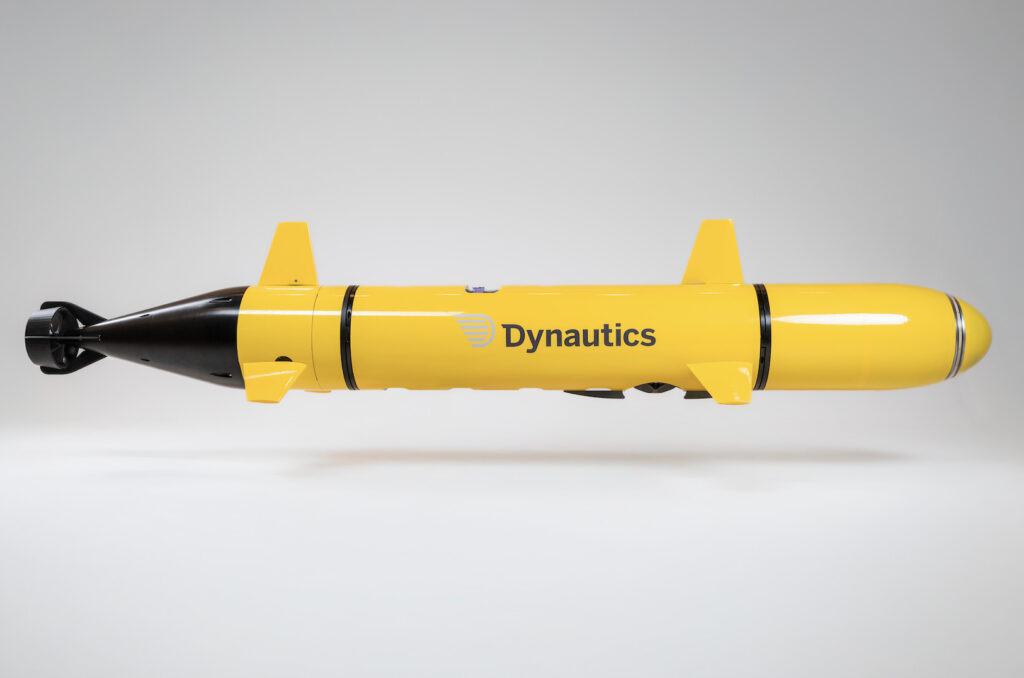
Dynautics has won the Subsea and Underwater Intervention award at the Seawork Innovations Showcase for its Phantom 2 autonomous underwater vehicle (AUV).
The accolade, presented at the commercial marine and workboat event in Southampton, recognizes the 3-meter platform’s modular design and its contribution to the next generation of subsea operations. Engineered for increased payload capacity, endurance, and operational depth on continental shelf and littoral missions, the Phantom 2 can be scaled around different payload requirements to support flexible deployment across offshore, subsea, oceanographic, defense, and security missions.
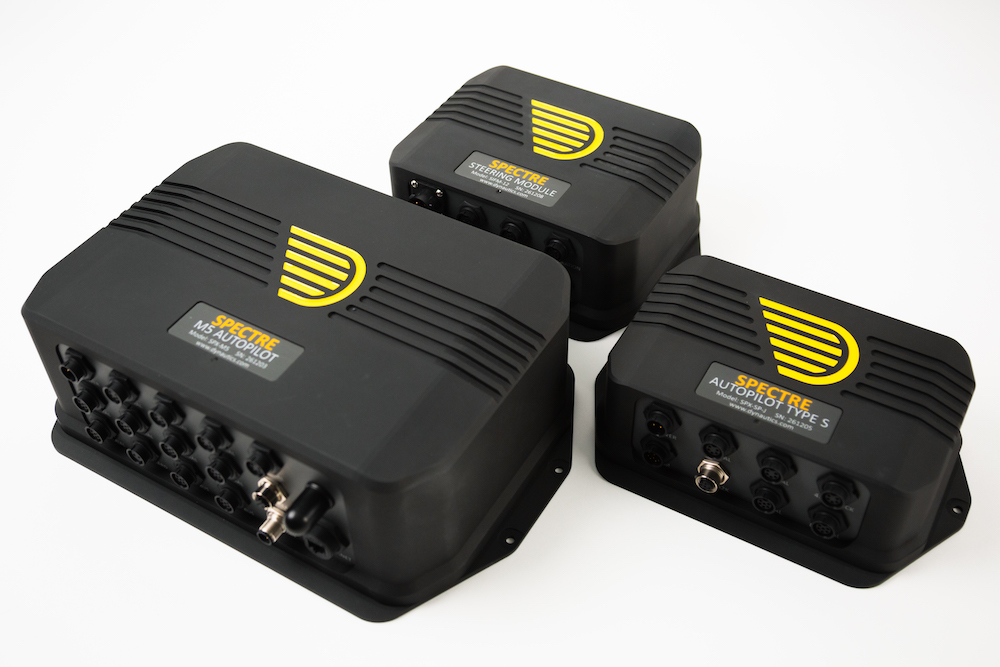
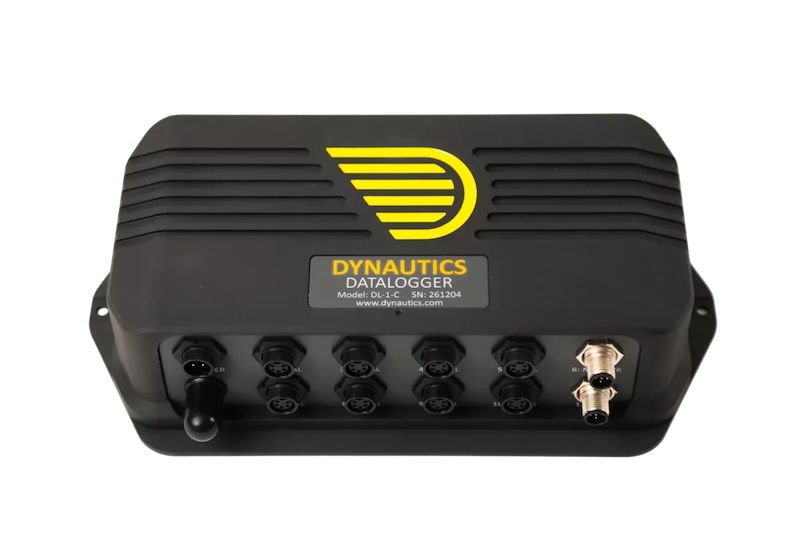
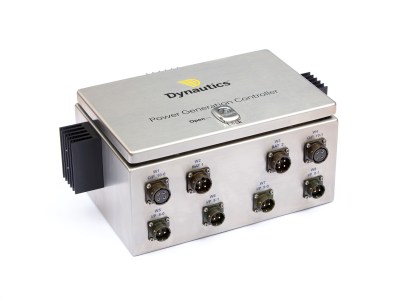
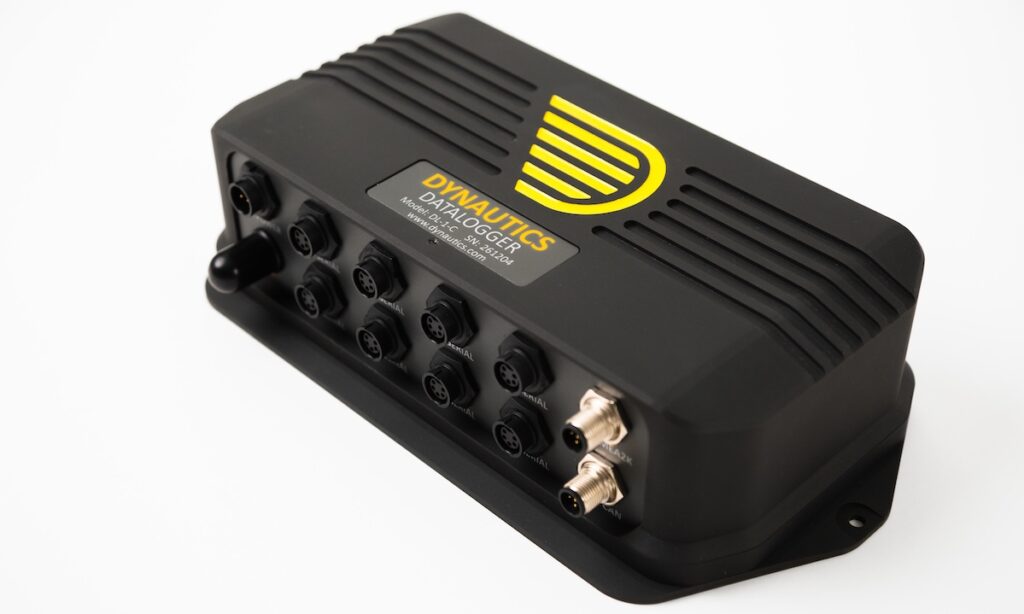
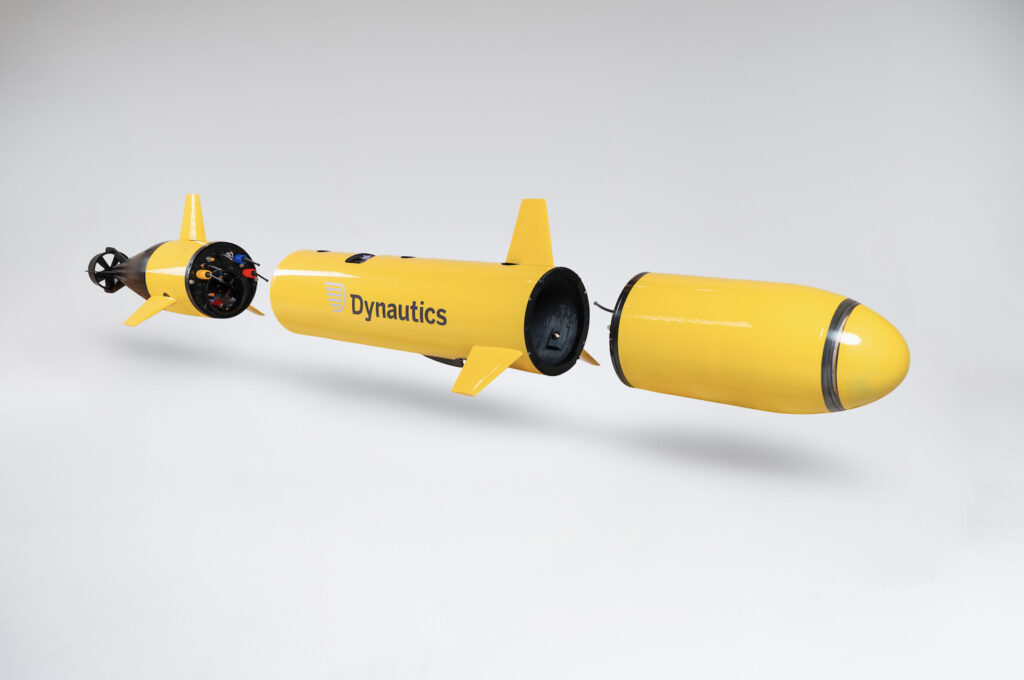
Architecturally, the AUV incorporates an aft end containing the propulsion, control surfaces, datalogger, and communications infrastructure, while the nose end houses radio modems and dry space to support payload electronics. Notably, the central section is a free-flooding tube that costs relatively little to modify, leaving most of the bay available for instruments to plug into standardized power and data connectors. Featuring front fins and control surfaces in the aft section, this specific geometry provides excellent maneuverability and allows freedom in trim and buoyancy when payloads are changed.
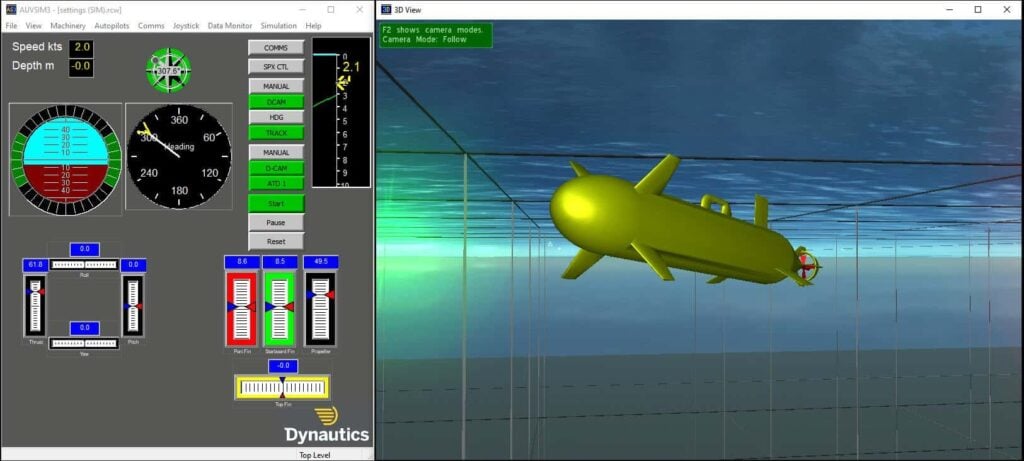
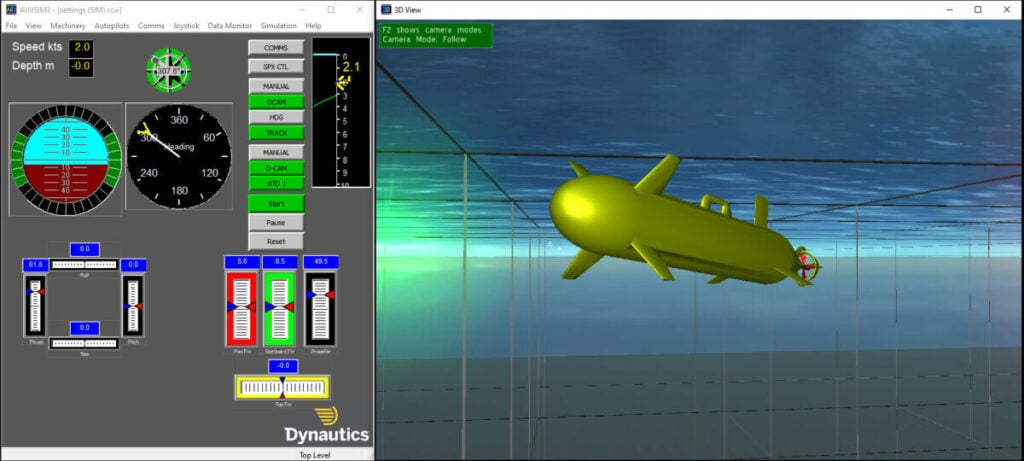
To customize the design based around client needs, Dynautics utilized 3D models, digital twin creation, and simulation, which reduces both risk and time to market. The company leverages its AUV Simulator technology to catalyze the development process and optimize vehicle efficiency, ensuring reliable performance in complex marine environments. The vehicle also incorporates a high-quality navigation instrument, the Sonardyne Sprint Nav Mini.
Henry Robinson, CEO of Dynautics, said, “This award is a proud moment for the Dynautics team and reflects the hard work behind Phantom 2. The platform has been developed in response to customer needs and growing industry demand for modular, multi-tasking AUV technology. We are now continuing with sea trials to show how we can combine imaging sonar for wide area survey, with a high-performance optical camera system to record objects at high resolution.”
The platform lends itself to missions where multiple sensors take up a large amount of space. During a series of trials, onboard processing on a GPU can identify and locate potential objects of interest in the sonar data, and onboard mission control algorithms can then vector the Phantom 2 over to take optical pictures. By combining these steps into a single mission rather than the traditional two-mission process, the system dramatically shortens data collection time. This combination of sensors can also be used to search for and follow cables and pipelines to check for problems, alongside various possibilities in the ocean science sector.
Operational efficiency extends to the vehicle’s recovery cycle. Between missions, the Phantom 2 floats nose up to expose its antennas, allowing users to download data and reprogram it for the next mission without a physical connection. Consequently, the AUV does not have to be physically recovered from the water until all missions are completed or the battery requires recharging. The versatile vehicle can be deployed for multiple survey applications or function as part of a swarm for navigation and communications.