

Unmanned Helicopters
Discover cutting-edge solutions from 5 leading global suppliers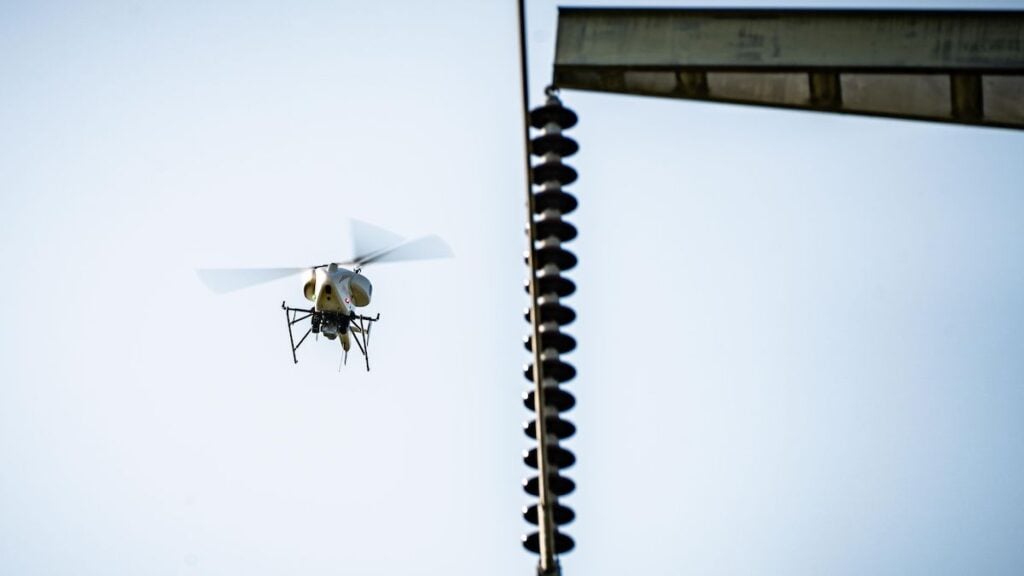
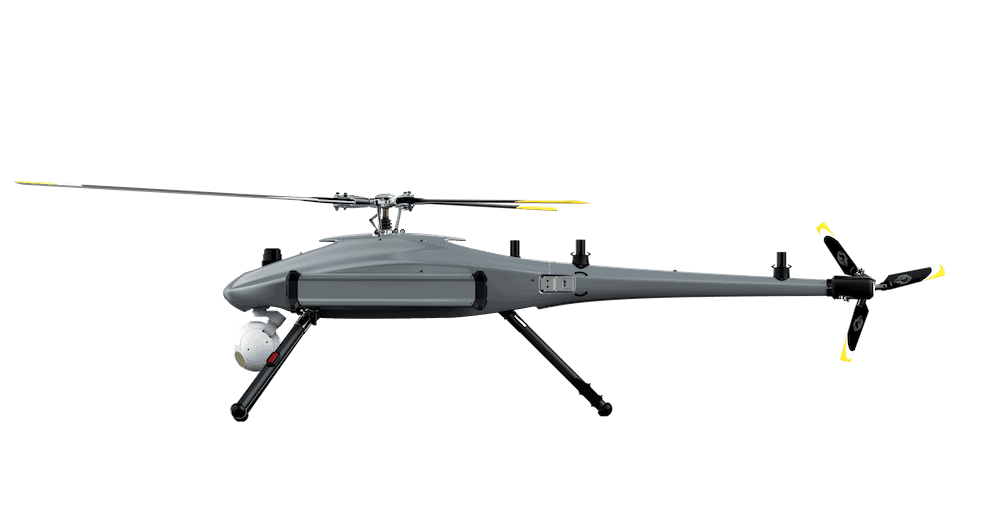
Southern Company is set to deploy a fleet of SwissDrones unmanned helicopters to assist with grid monitoring and inspection work after securing an exemption from federal drone regulations for beyond visual line-of-sight (BVLOS) flights.
Southern Company is reportedly the first utility in the U.S. to be granted an exemption from federal drone regulations for BVLOS flights.
Dean Barefield, who manages Southern’s unmanned aircraft systems program, commented, “The use of drones means the utility doesn’t have to put helicopter pilots at risk, and the process will be cheaper, lower in emissions and more effective.
“The increased volume, quality, and timeliness of data collected will allow the utility to respond to issues earlier, optimize maintenance schedules, and strengthen system reliability.
“Over time, as analytics and AI become more integrated with [unmanned aircraft system] data streams, customers will benefit from a more intelligent and responsive energy infrastructure that anticipates problems before they arise.”
SwissDrones CEO Ulrich Amberg, said, “By deploying a guided mission with an uncrewed aircraft, particularly with a helicopter type airframe, you can fly the exact same pass every time. And that allows you to generate identical datasets that you can then [assess with] AI algorithms.
“The production of identical datasets will allow Southern to automate the identification of changes, including ground movements down to an inch of a deviation vertically. That means, if erosion starts, even if it’s only a few inches in one spot, the AI algorithm would identify that spot, which you can never see with the bare eye. That, in turn, allows those companies to see the early signs of real risks and threats to their infrastructure, which so far haven’t even been possible to spot.”
Many utilities including Southern use smaller drones like quadcopters covered by the FAA’s existing Part 107 regulation to assist with inspections. However, these have allegedly not proved sufficient to replace the long-distance, heavy-payload flights completed by manned crews.
Amberg added, “There are case studies where some utilities tried, in California for instance, deploying people in ground-based teams on trucks to go and fly smaller drones patch by patch, and travel along the infrastructure. The problem is, it’s just never-ending, [and] so inefficient.”
Southern secured an exemption from the Federal Aviation Administration’s Part 91 regulations in February, allowing them to deploy SwissDrones’ aircraft beyond visual line of sight.