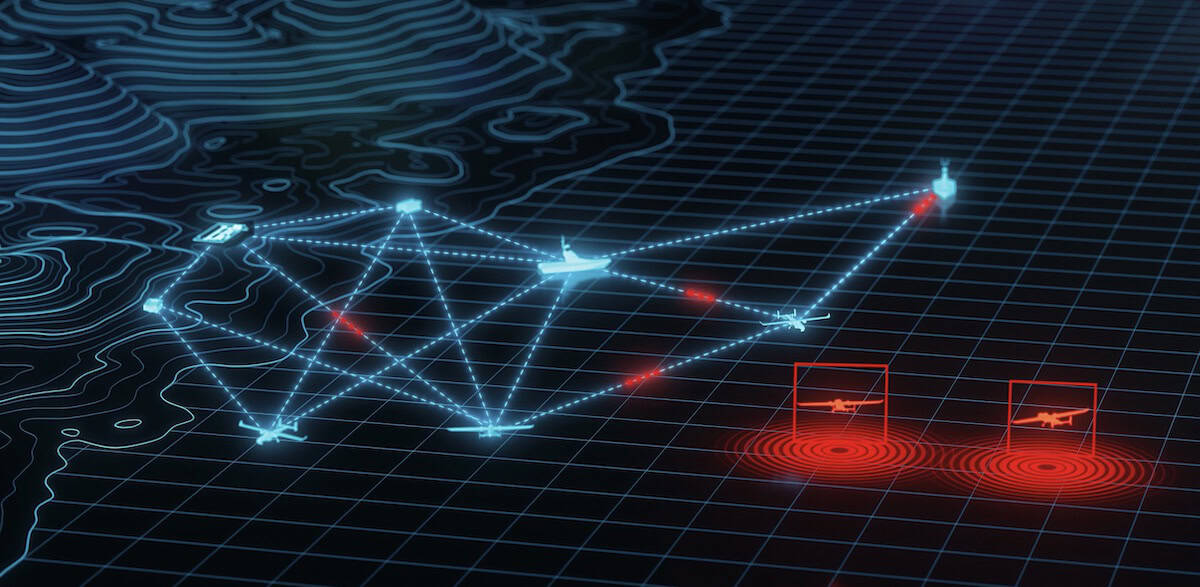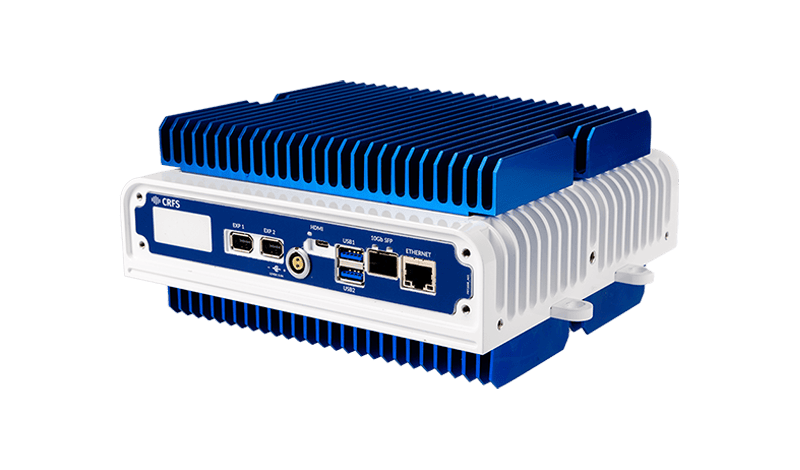




CRFS examines the role of advanced radio frequency (RF) sensing in modern counter-unmanned aerial systems (C-UAS), highlighting why automated, non-library-based detection capabilities are increasingly important for military and civilian applications.
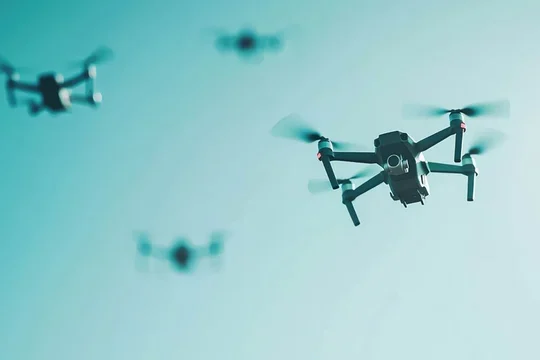
As drone technology evolves, legacy systems designed to detect individual commercial drones face growing challenges from coordinated swarms, military-grade platforms and increasingly sophisticated threats.
The article explores the limitations of traditional C-UAS architectures, including their reliance on manual operation and pre-existing drone identification libraries. It outlines the importance of a multi-layered defense approach combining radar, electro-optical and infrared sensors, and passive RF receivers.
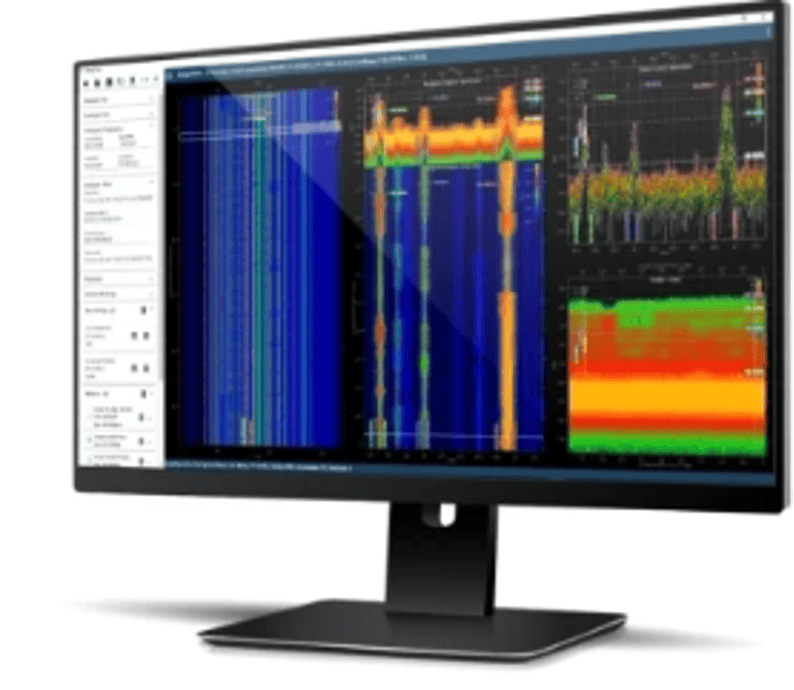
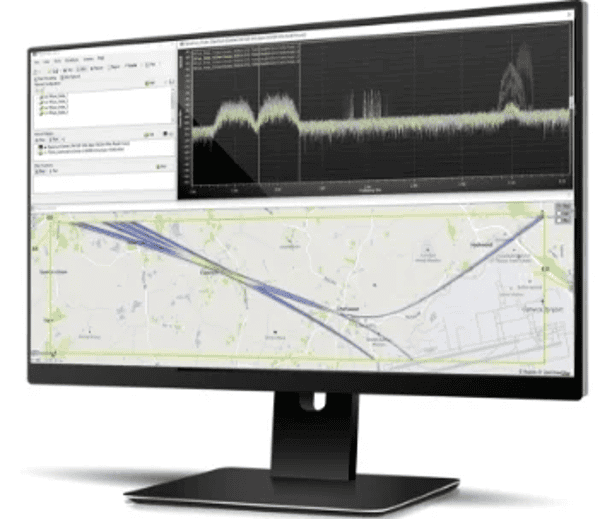
CRFS also identifies key requirements for modern RF detection, including automation, rapid refresh rates and extended detection and geolocation ranges. The company examines how software-based filtering and geofencing can help reduce false positives without relying on fixed drone libraries, supporting faster threat identification and response.