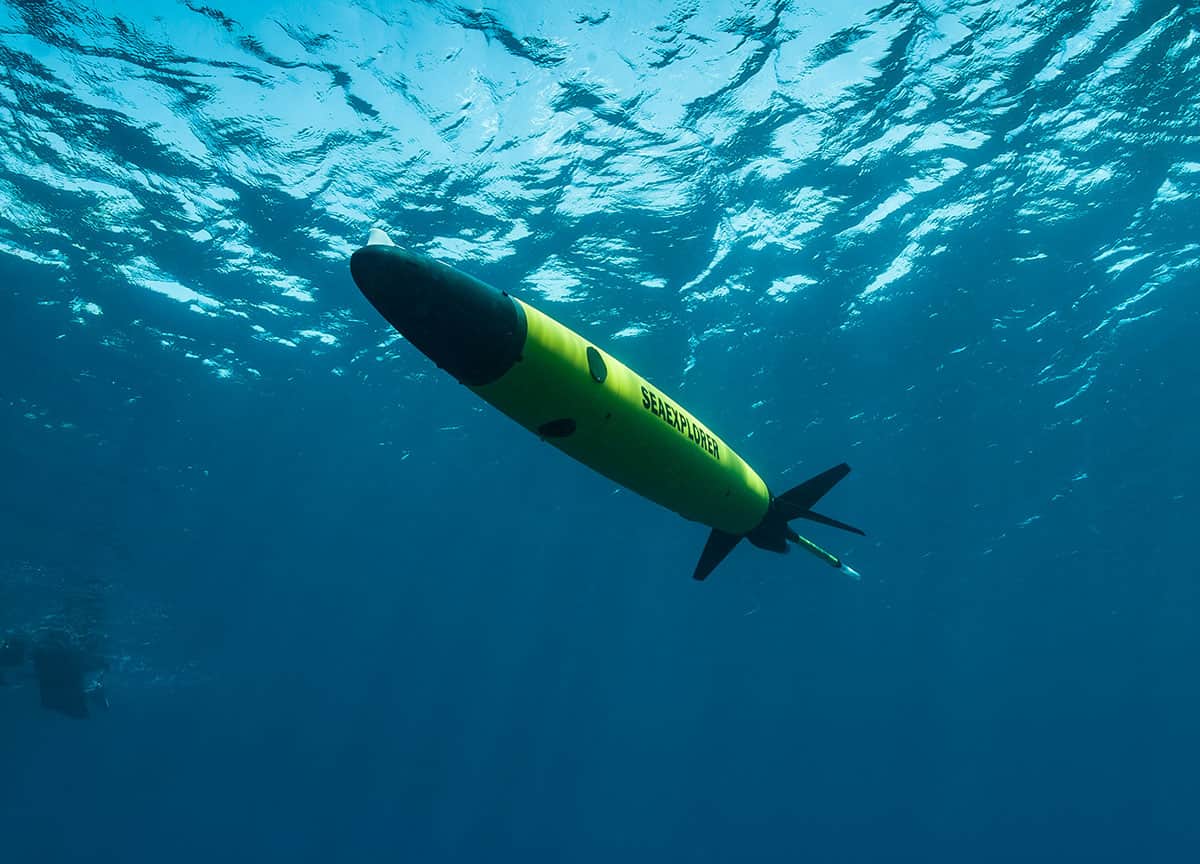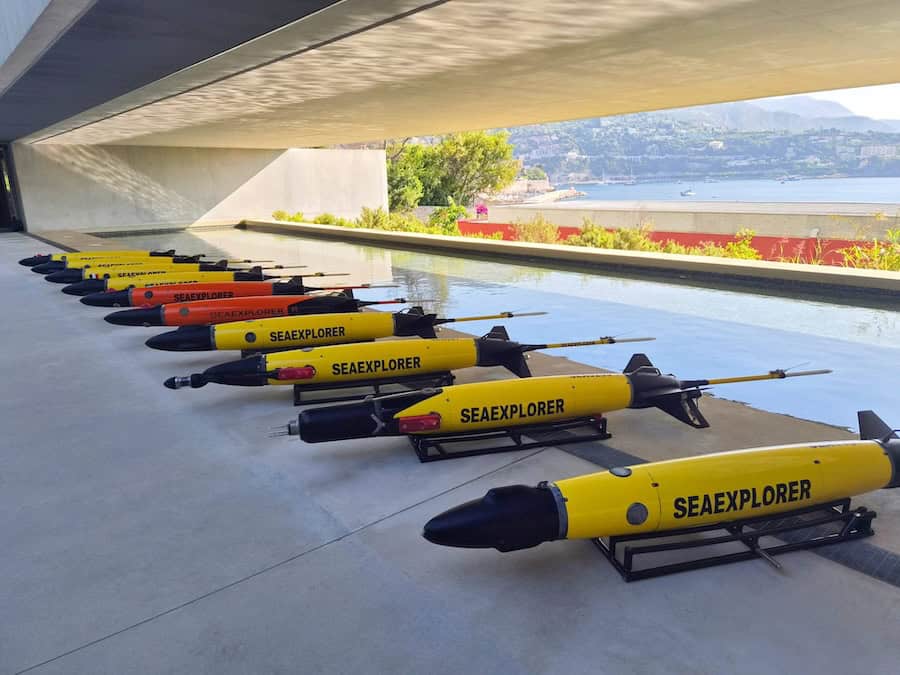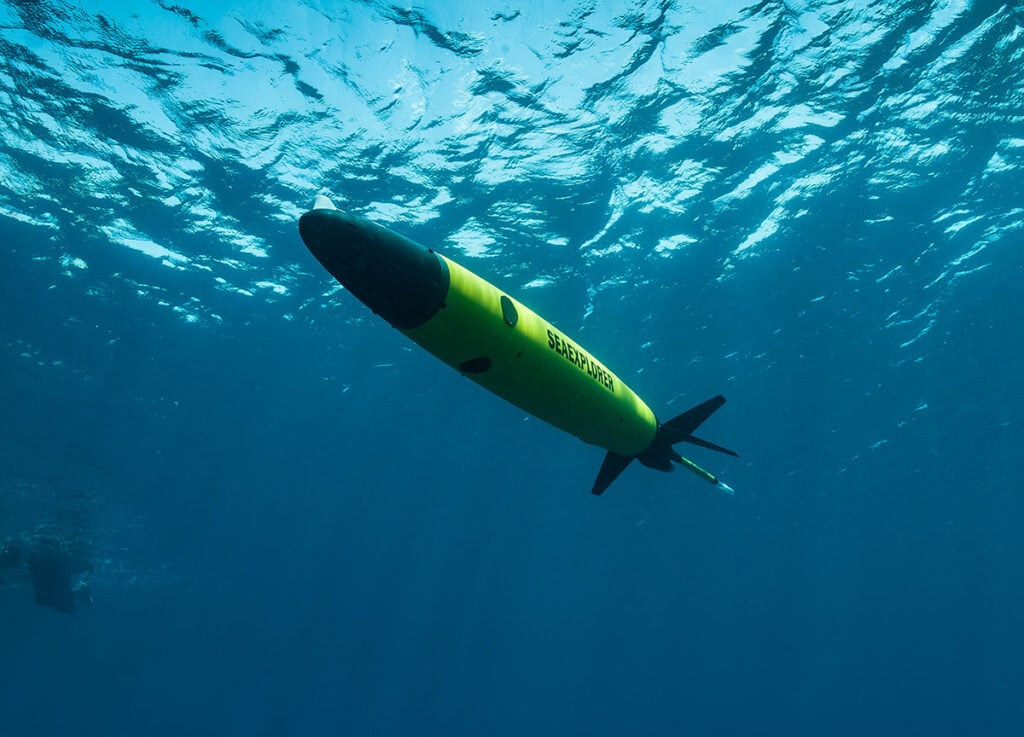
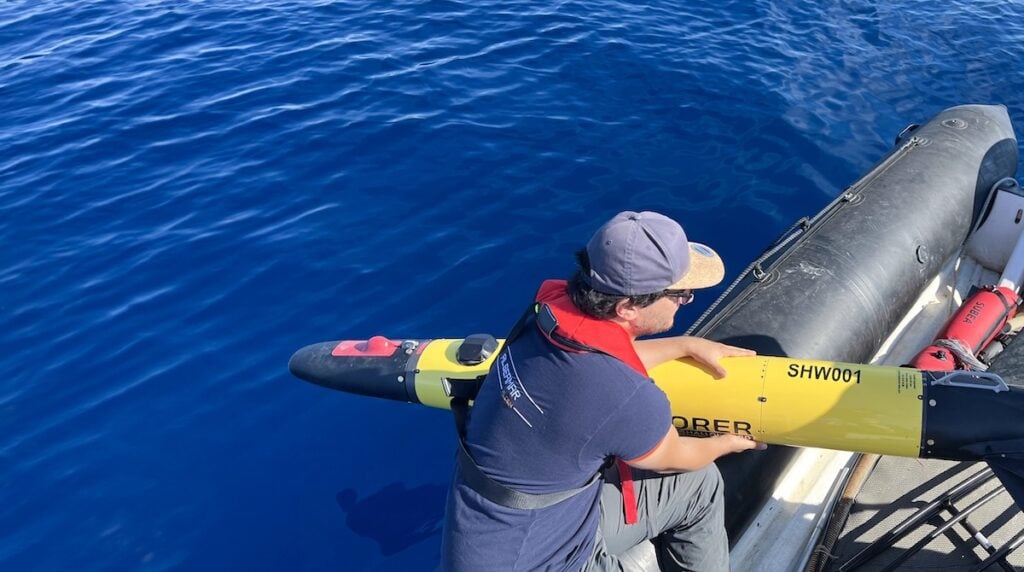
SEAEXPLORER 200 by ALSEAMAR is designed to support unmanned maritime operations in coastal and shallow-water areas, providing a long-endurance autonomous glider for missions between 20 and 200 meters.
The platform is positioned for coastal research, environmental monitoring and defense applications where persistent subsea data collection is required without large support infrastructure. Its compact deployment profile and configurable payload capability make it relevant for nearshore missions in more constrained underwater environments.
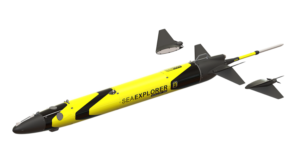 ALSEAMAR offers the SEAEXPLORER 200 with either a single- or dual-battery configuration, allowing operators to align endurance, range and deployment requirements with specific mission needs. The single-battery version provides up to 75 days of endurance and a range of up to 1,350 km, while the dual-battery version extends this to up to 135 days and 2,500 km.
The battery-powered glider can carry a variety of payloads for collecting data on chemical and physical phenomena as well as marine life. It is also compatible with SEAEXPLORER 1000 payloads, supporting integration flexibility for operators already working across the wider SEAEXPLORER family.
For autonomous mission execution, the SEAEXPLORER 200 supports survey, virtual mooring, drifting, propelled operation, waypoint following and bottoming modes. The glider cruises at 1 knot and uses GPS, Iridium satellite and radio communications for reliable long-duration operations in coastal settings.
The onboard architecture uses two independent Linux-based CPUs for payload and navigation functions. This combination of navigation, communications and onboard computing capabilities supports adaptable autonomous subsea missions while maintaining dependable vehicle control and sensor performance.