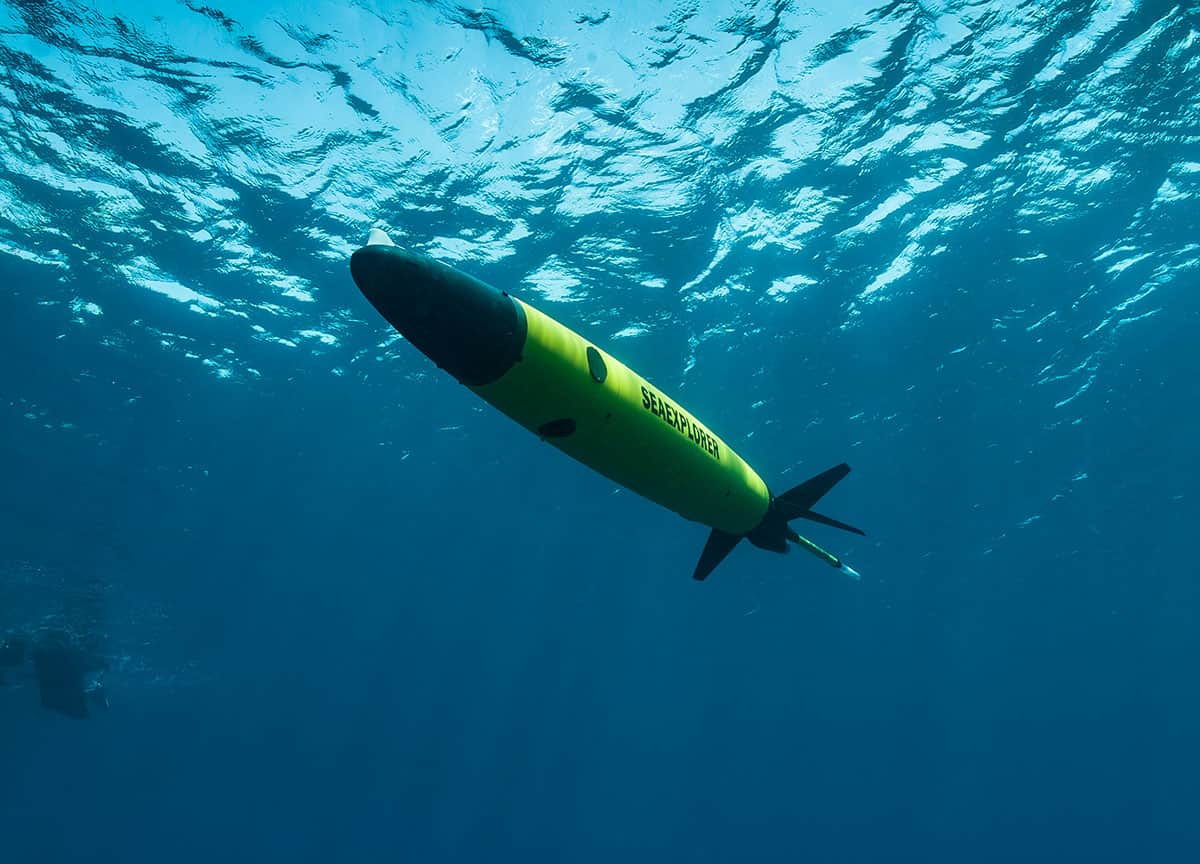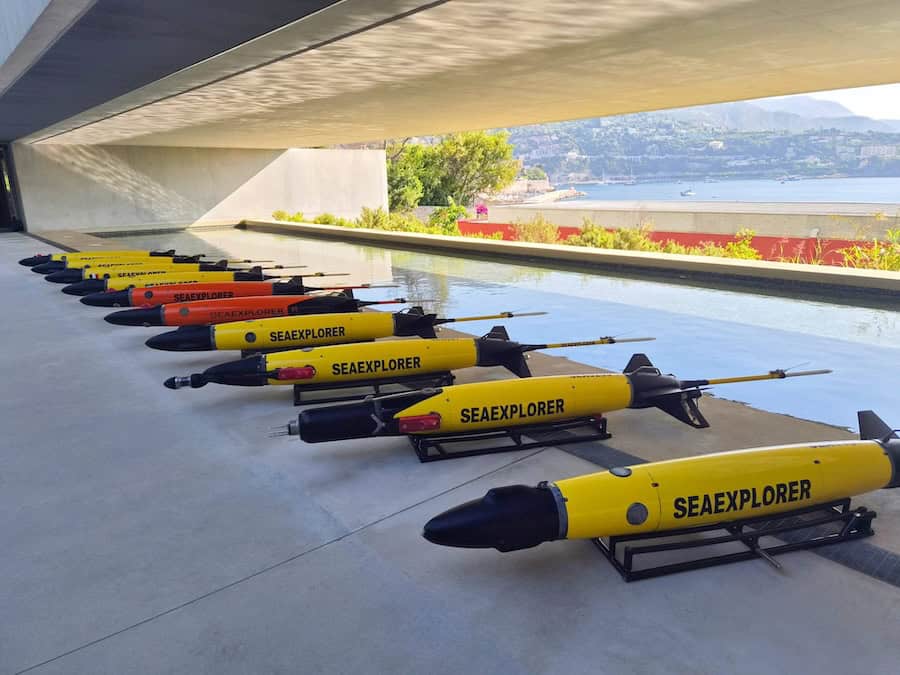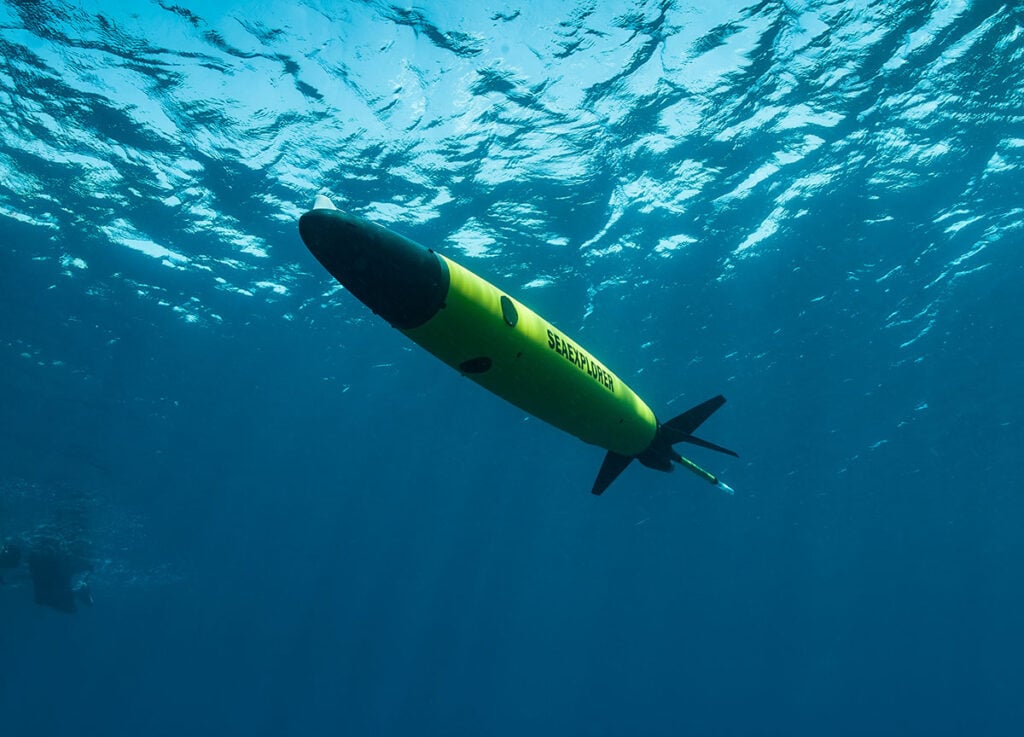


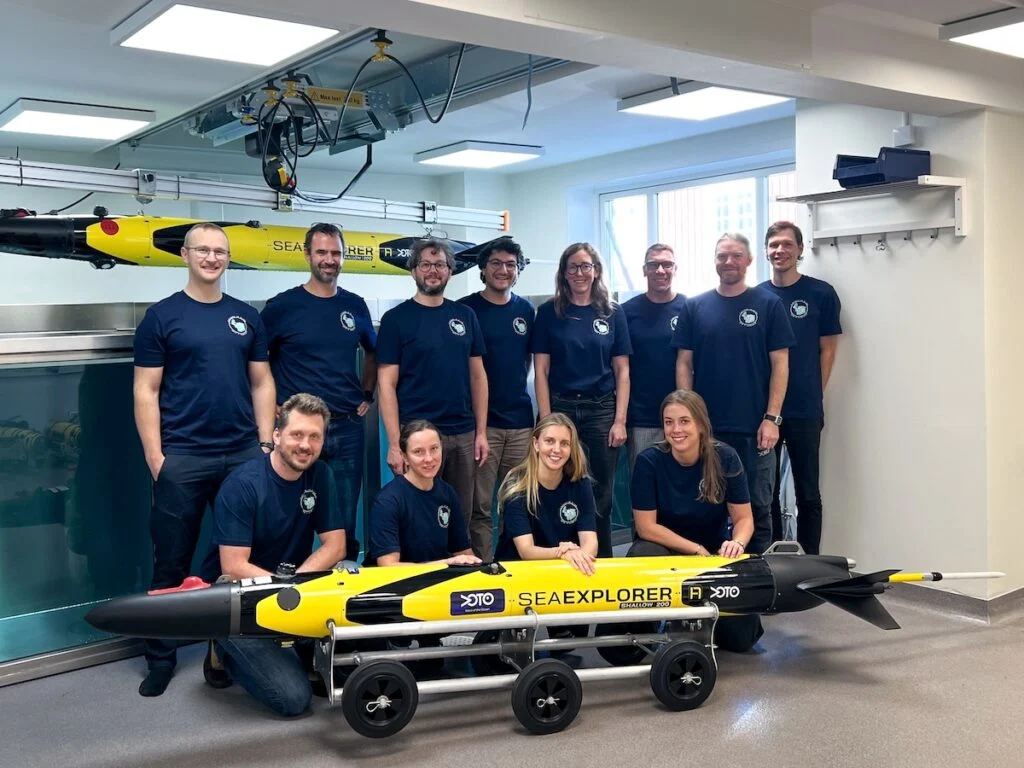
Voice of the Ocean has taken delivery of its final SEAEXPLORER 200 glider from ALSEAMAR, completing a five-unit order designed to advance autonomous oceanographic research in coastal and shallow seas.
The handover concludes an initiative that began with the delivery of the first unit in November 2025. Developed over four years through close dialogue between Voice of the Ocean (VOTO) operational teams and ALSEAMAR engineers, the SEAEXPLORER 200 was created to navigate coastal waters between 5 and 200 metres deep. Its engineering reflects VOTO’s practical experience flying deep-water gliders through the shallow, strongly stratified waters of the Baltic Sea.
Operating in shallow conditions requires specialised performance characteristics. Compared to 1,000-metre rated units, the shallow-water model offers improved energy efficiency, a single-battery endurance of up to 75 days, and an optional double-battery configuration that extends endurance to 135 days. The platform can be launched directly from shore and maintains compatibility with SEAEXPLORER 1000 payloads as well as ALSEAMAR’s GLIMPSE piloting and data collection interface. Moving through the water column as it sinks and rises, the vehicle gathers high-resolution data on subsurface conditions and dynamic ocean processes.
These endurance gains significantly reduce operational overhead for field teams. VOTO’s fleet gathers roughly 100,000 vertical water column profiles each year, but standard deep-rated gliders in shallow waters require recovery and redeployment every three weeks. The new platform extends this operational cycle to two months, saving substantial time and resources for both offshore crews and the pilots managing missions remotely.
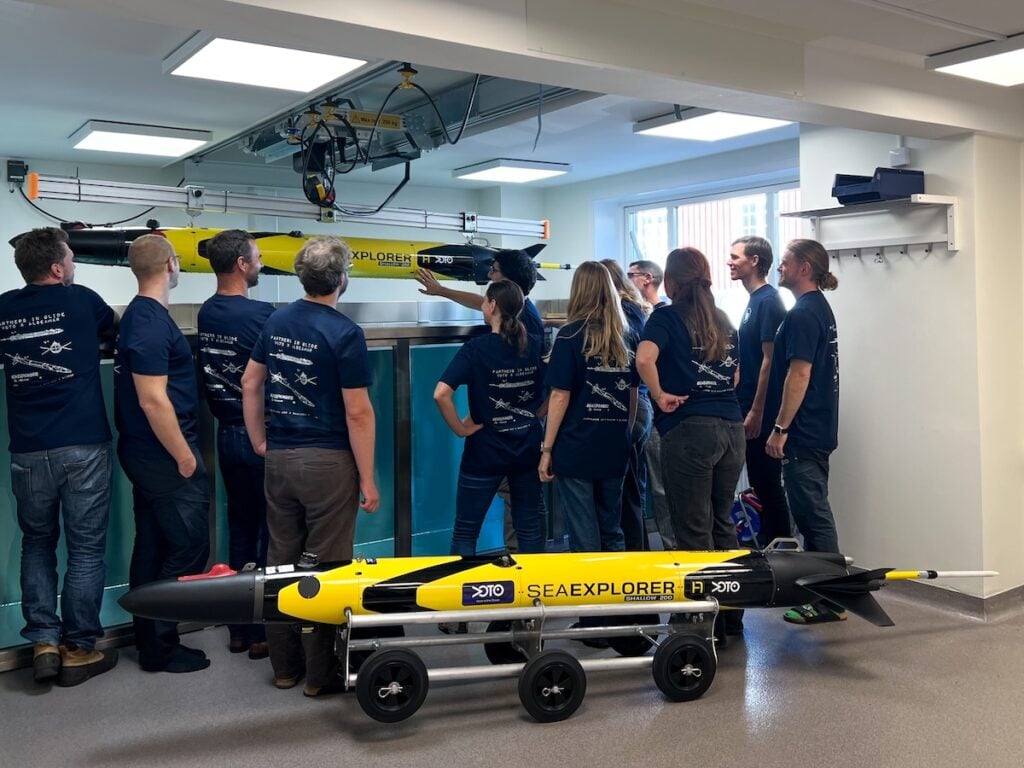
“Having a glider that is more efficient in the shallow stratified waters of the Baltic Sea, and also provides longer endurance, makes a huge difference in operational logistics and the science we are able to perform with them” says Olle Glader, Head of Ocean Tech at Voice of the Ocean.
The technology has already proven its field readiness across the Baltic Sea. The initial glider delivered to VOTO has completed survey missions in the Bornholm Basin, the Eastern Gotland Basin, the Northern Baltic Proper, and the Arkona Basin. During early indications of a rare Baltic inflow event, VOTO partnered with specialists from the Swedish Meteorological and Hydrological Institute (SMHI), the Leibniz Institute for Baltic Sea Research (IOW), and the Finnish Meteorological Institute (FMI) to deploy the glider to track the phenomenon in the Arkona Basin.
Beyond VOTO’s direct fleet operations, the SEAEXPLORER 200 is available to the international scientific community, and data gathered by VOTO’s gliders is openly accessible through its Observations Portal. The delivery also builds upon a memorandum of understanding signed by the two organisations in November 2025 to advance autonomous technology and support technical training globally.
“Partnerships are essential to advancing ocean observation – by combining complementary expertise, we accelerate the development of innovative techniques that no single actor could achieve alone. Our trustful collaboration with VOTO exemplifies this spirit, bringing together science, technology and shared ambition to better understand and protect the ocean for the benefit of all. The future of innovation lies in the power of collective human intelligence, probably one of the keys to solving our global challenges,” says Thibaud Bezacier, CEO, ALSEAMAR.