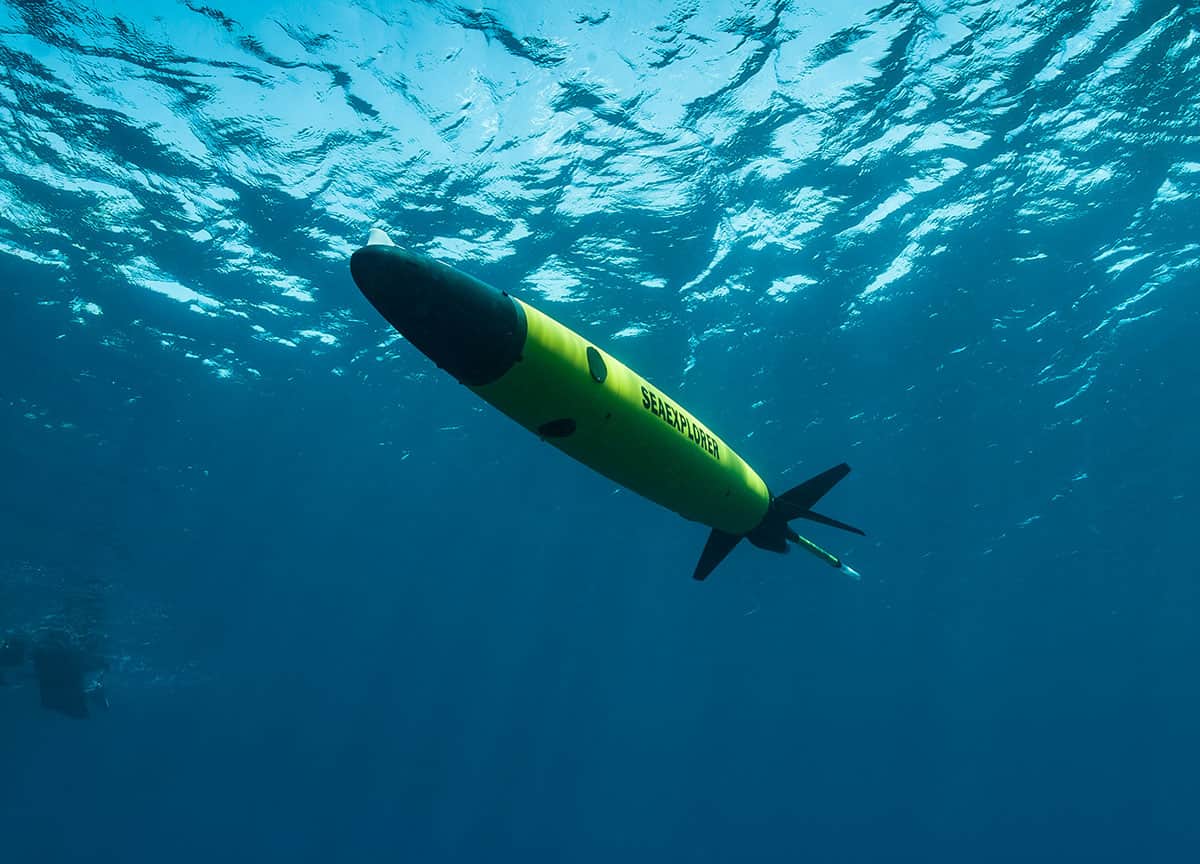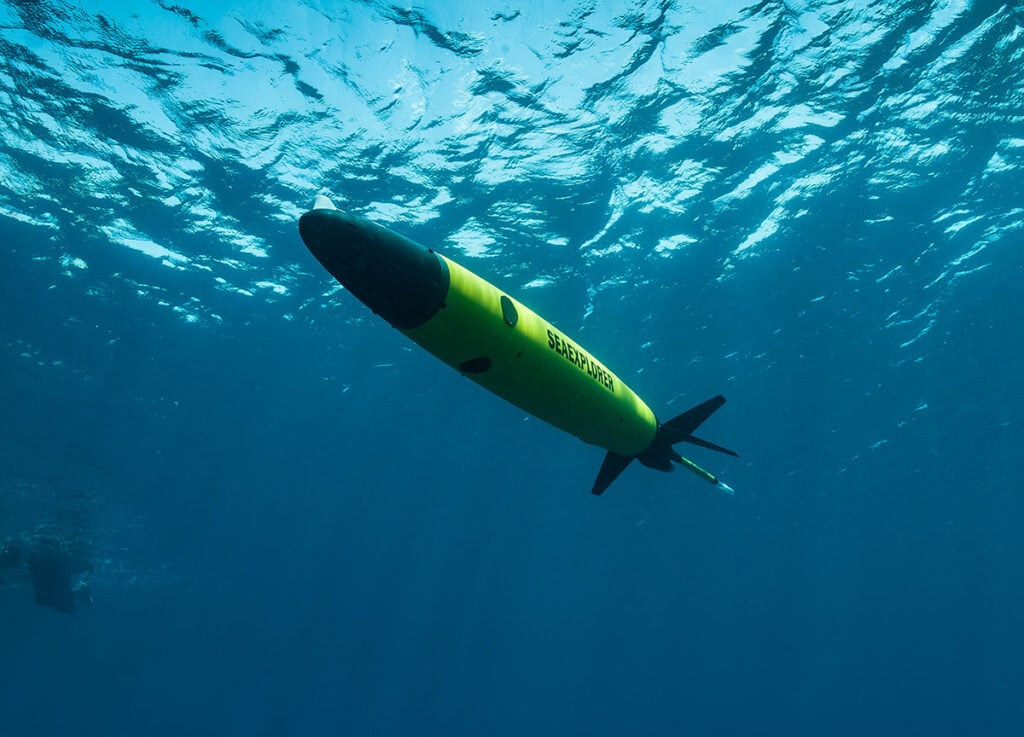
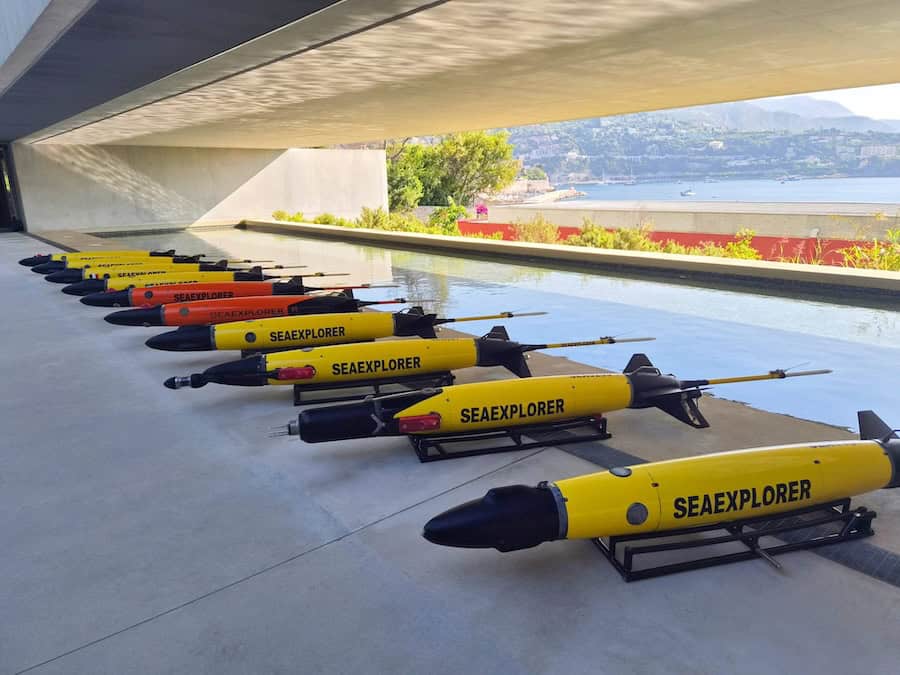
The French National Centre for Scientific Research (CNRS) and industrial partner ALSEAMAR have deployed a fleet of ten SEAEXPLORER autonomous underwater gliders in the Ligurian Sea to collect environmental data on marine ecosystems in the northwestern Mediterranean.
Operating for one month within an area characterized by intense hydrodynamic activity and located inside a marine mammal sanctuary, the gliders will gather data to support Mission 6 of the “Deep Seabed” priority objective under the France 2030 funding plan.
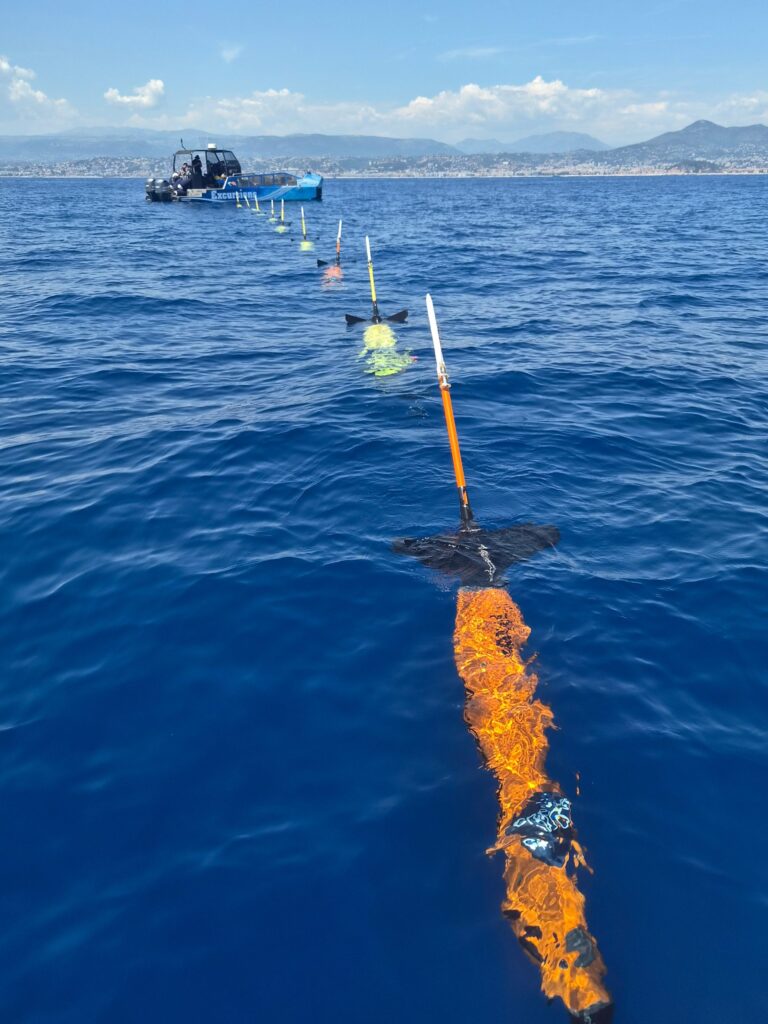
The CNRS-led initiative aims to build a comprehensive, multi-variable environmental data atlas. The collected information will help researchers better understand the physical, biogeochemical, and biological dynamics of marine ecosystems, including how they are evolving under anthropogenic pressures such as climate change, ocean acidification, and maritime traffic.
The autonomous vehicles are capable of diving to depths of up to 1,000 meters and transmitting collected data to scientific teams via satellite. Equipped with acoustic and physical sensors, the gliders will provide observations of ambient underwater noise, ocean currents, and eddies, as well as how these conditions influence marine ecosystems. The data will support studies into how ocean fronts and eddies affect plankton communities, vertical nutrient and energy fluxes, and the impact of underwater noise on marine life. The wider mission will also place emphasis on biodiversity monitoring through innovative technologies, including environmental DNA (eDNA) and in situ imaging.
This initial deployment marks the first milestone in a broader technology and exploration roadmap linked to France 2030’s “Deep Seabed” priority objective, which supports the development of next-generation technologies for deep-sea exploration, including highly autonomous exploration systems.
Future phases of the project include deployments in the Gulf of Lion in 2028 to test innovative sensors, followed by a coordinated campaign using autonomous gliders and Autonomous Underwater Vehicles (AUVs) to explore seamounts in French Polynesia between 2028 and 2029. The resulting data and scientific findings are expected to be integrated into the environmental atlas between 2029 and 2030, supporting wider ocean observation and preservation efforts.