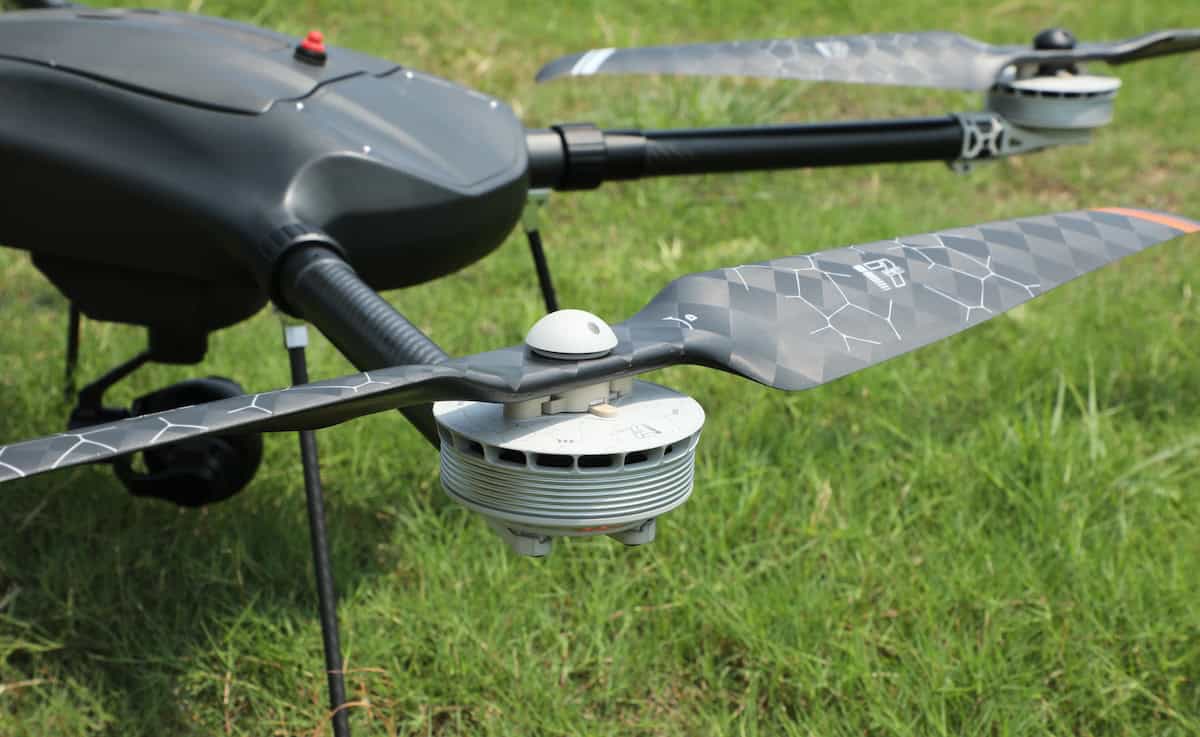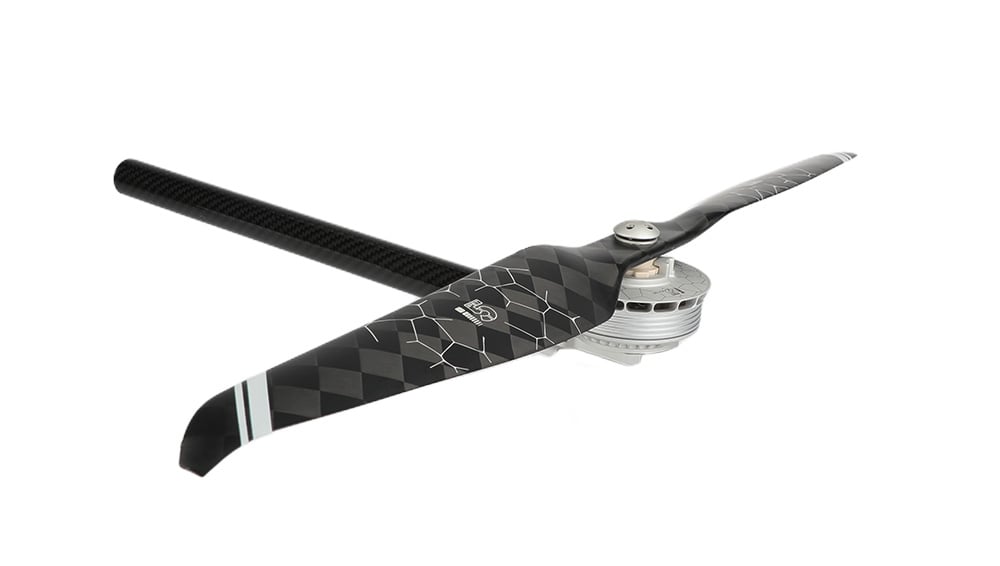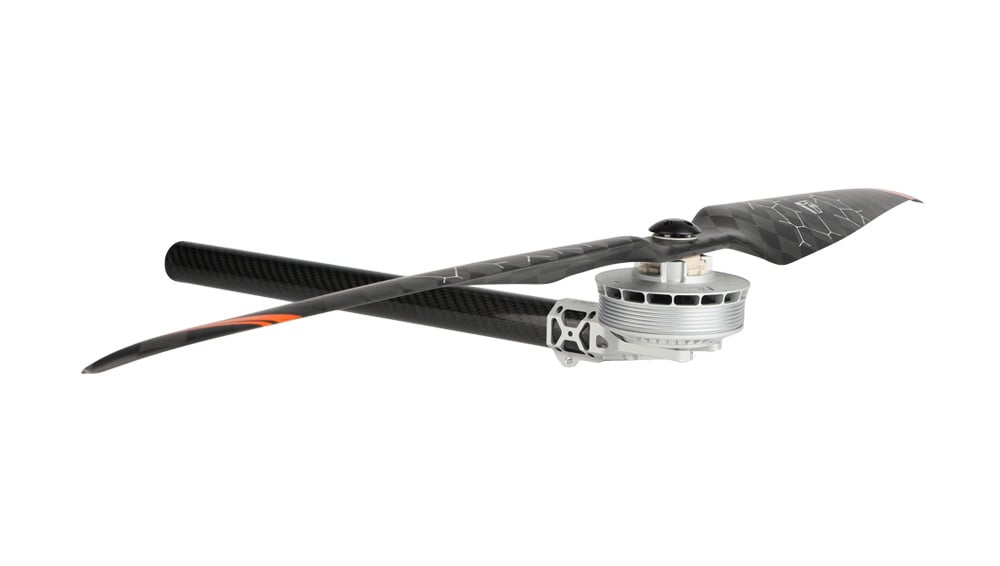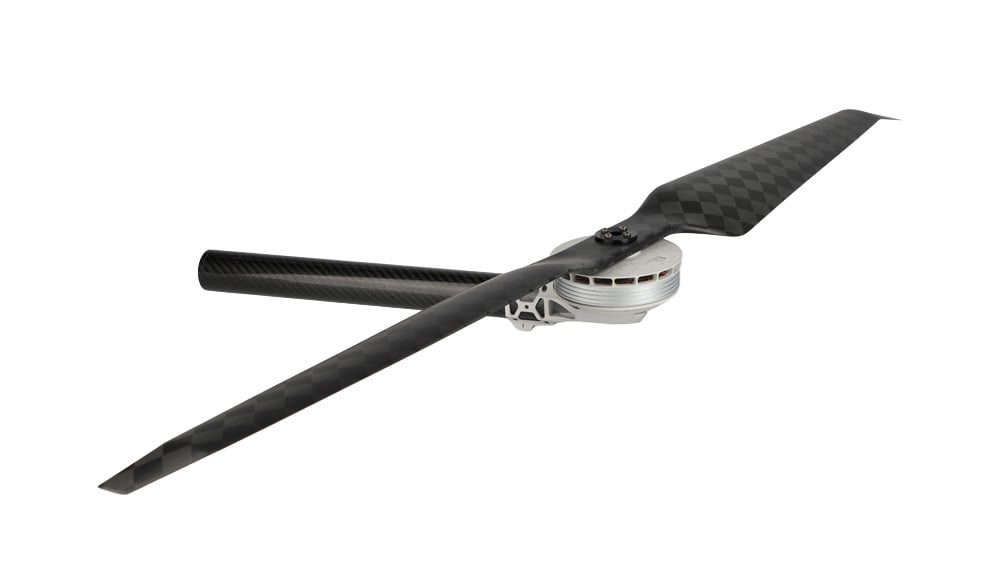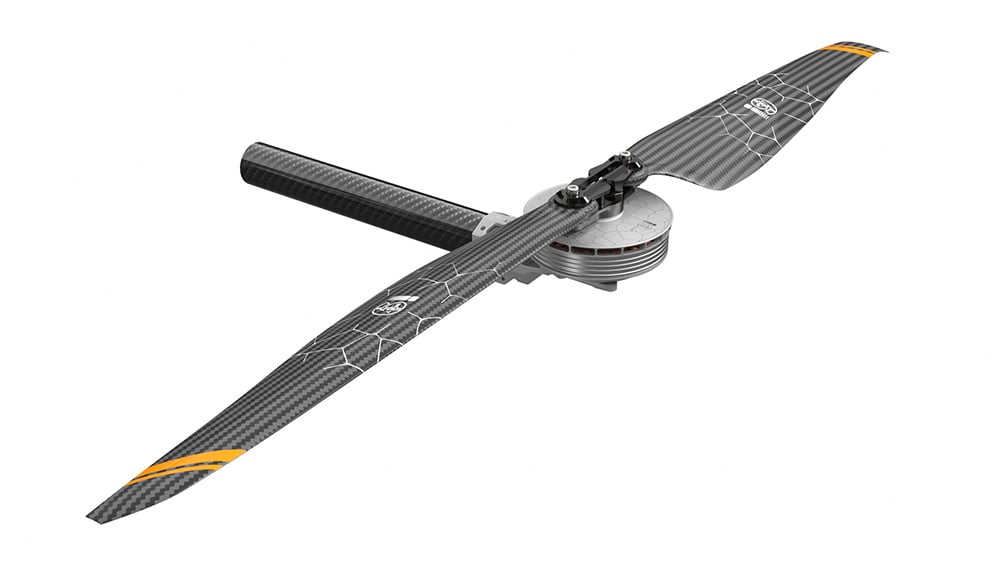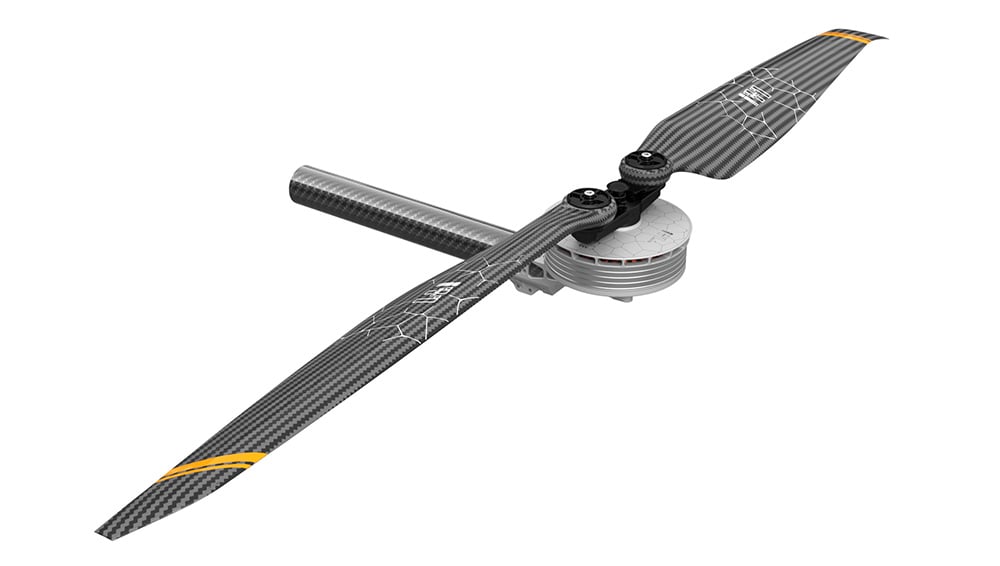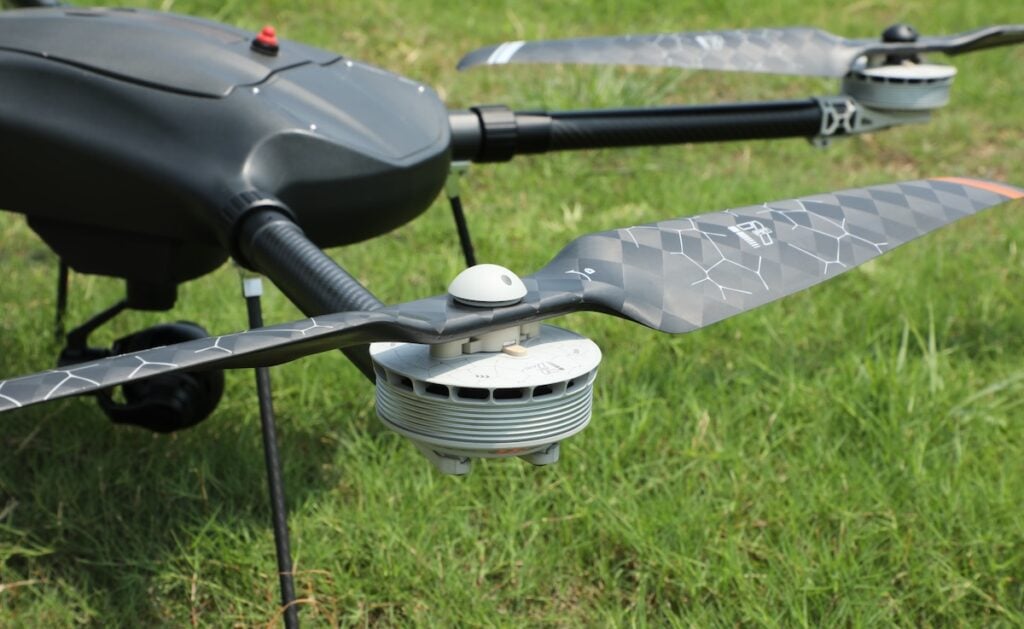
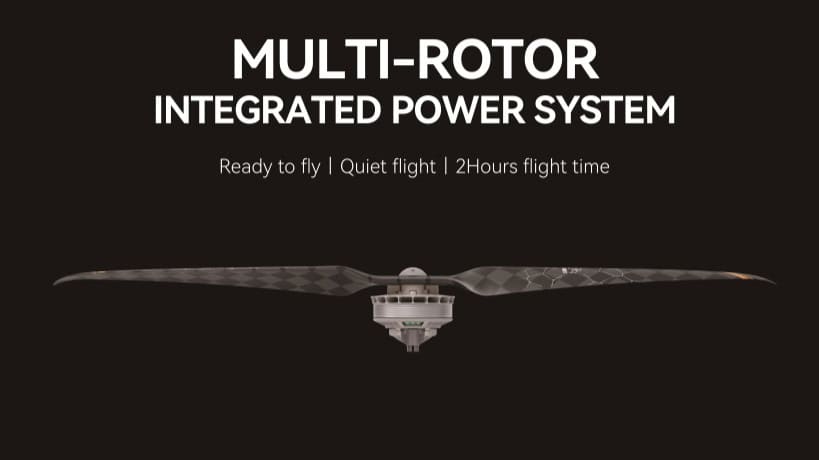
IPET System highlights the I Series integrated propulsion system, overcoming the limitations of traditional battery technology by focusing on maximizing overall propulsion efficiency.
Integrated Shared-Housing Architecture
Traditional Unmanned Aerial Vehicle (UAV) propulsion systems utilize separate motor and ESC modules, which introduce structural weight, external wiring, larger arm profiles, and transmission losses. To address these inefficiencies, an innovative integrated shared-housing architecture has been developed, combining the motor and ESC into a single structural and electrical platform. By utilizing the motor housing as the ESC enclosure, the system volume has been significantly reduced, resulting in a slimmer UAV arm profile. This design delivers lower aerodynamic drag, reduced power consumption during hover and cruise, improved flight efficiency, and enhanced stability in turbulent airflow conditions. Furthermore, integration shortens the electrical connection path, which reduces cable losses, minimizes connector-related failure points, improves power transmission efficiency, and increases long-term reliability.
Advanced Thermal Management
To maintain stable propulsion performance and prevent efficiency loss, winding aging, or shortened operational life from excessive heat, a system-level thermal dissipation design combines dedicated motor ventilation with propeller-induced airflow to ensure stable thermal performance during extended operations.
The cooling architecture features radial cooling fins combined with propeller downwash airflow to help maintain controlled surface temperatures. An optimized thermal conduction path allows heat from the stator windings to transfer rapidly into the cooling system. Combined with a centrifugal fan design, heat extraction performance has been significantly improved.
Simulation-Driven Optimization and Performance Verified
Coupled thermal, fluid, and structural simulations have been used to establish a comprehensive thermal-performance database for continuous optimization. In continuous load testing exceeding 500 hours, N-series units maintained a surface temperature of ≤ 55°C, ensuring stable power output and reduced component degradation.
The system delivers a 10,000+ hours service life, providing 124 minutes of verified forward-flight endurance on a quadcopter with a 10.35 kg MTOW and a 2 kg payload. Engineers and operators are encouraged to explore these technical advancements further.
Read I Series Motors: The Core Power Behind 2+ Hours of Flight Endurance for more information.