
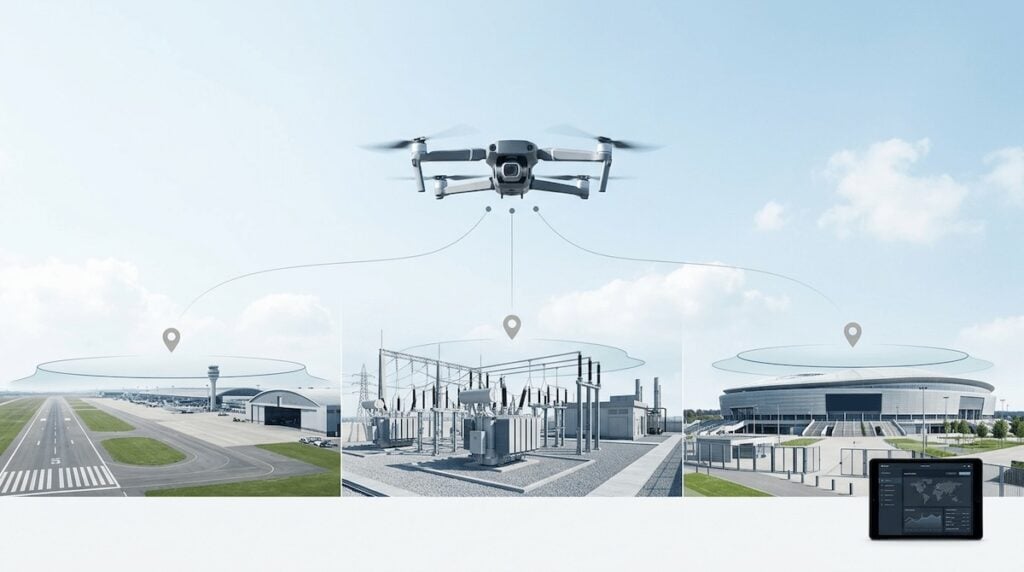
D-Fend Solutions highlights the factors organizations should consider when selecting an anti-drone system, emphasizing the importance of matching Counter-Unmanned Aircraft System (Counter-UAS) capabilities to specific threats, operational environments, and authorized response requirements. Read more >>
The company explains that system selection involves more than comparing detection range, response time, or feature lists, with consideration also required for operational continuity, nearby communications, risks to people, and the intended mitigation outcome.
D-Fend Solutions distinguishes between four core Counter-UAS functions: detection, tracking, identification, and mitigation. Detection may involve radar, RF Cyber, optical sensors, and acoustic sensors, while tracking provides real-time visibility of a detected drone’s location and flight path.
When supported, tracking can also locate the pilot or remote controller and the drone’s home or take-off position, while identification helps distinguish authorized activity from a possible threat. Mitigation outcomes may include disruption, physical disablement, destruction, redirection, takeover, or controlled landing, depending on the technology employed.
Five principal selection criteria are identified: threat profile, required operational outcome, operational continuity, deployment model, and the choice of cyber-only, integrated, or layered architectures.
Counter-UAS Requirements Across Operational Environments
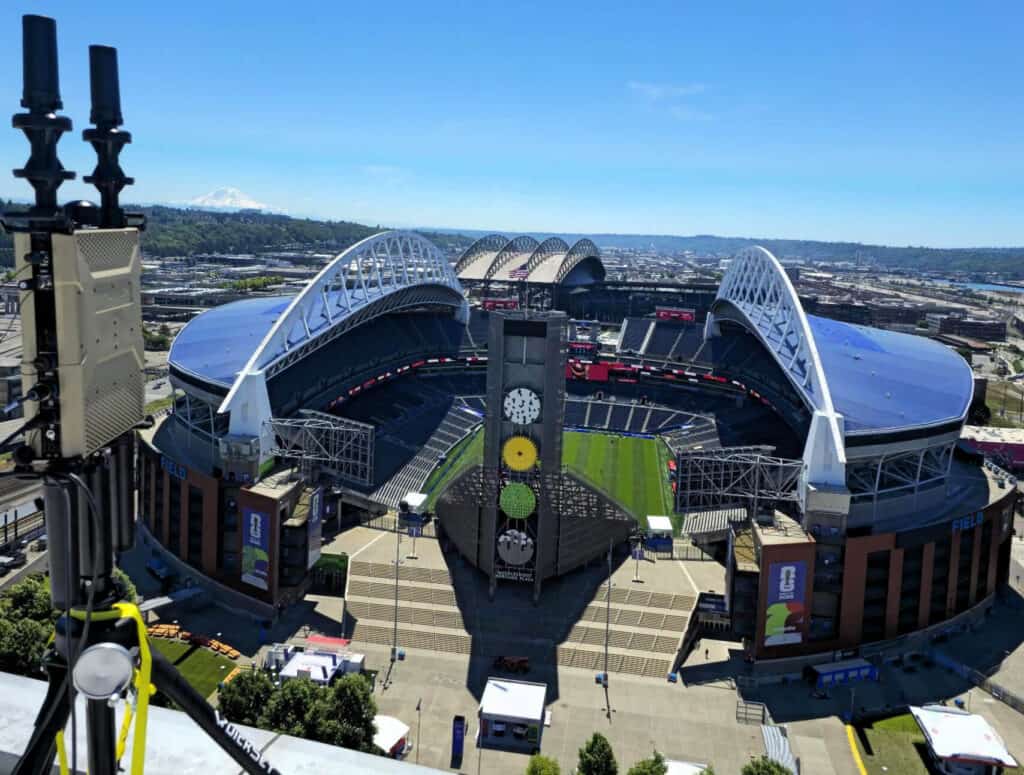
Requirements differ across airports, prisons, military sites, critical infrastructure, and public venues. Considerations range from maintaining communications and aircraft operations to addressing contraband deliveries, supporting mobile deployments, protecting sensitive assets while maintaining essential operations, and managing risks to crowds.
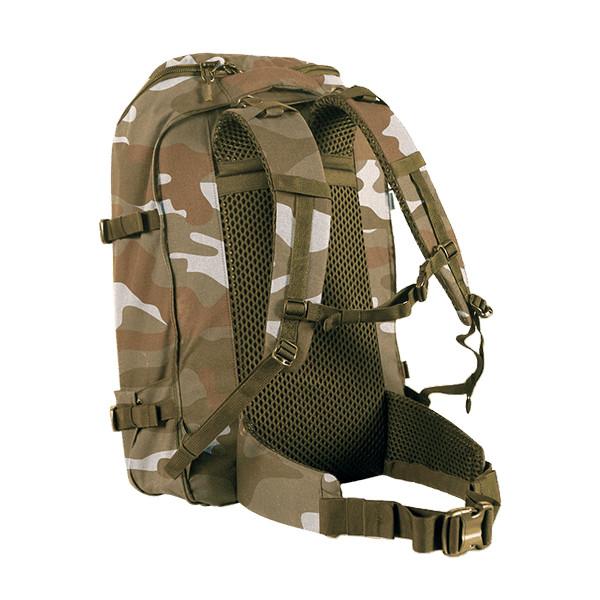
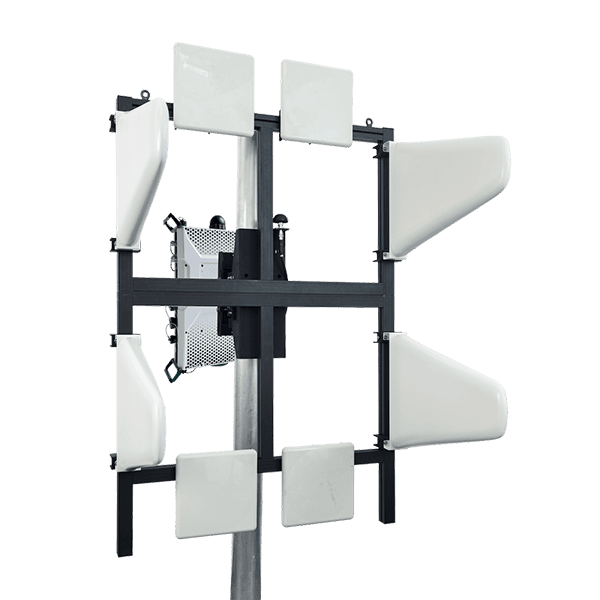
Deployment configurations may include stationary, vehicle-mounted, tactical, man-portable backpack, and maritime systems. Evaluators should also consider supported drone types and flight profiles, site conditions, integration requirements, evidence from comparable tests or deployments, staffing, training, testing, and software-update requirements.
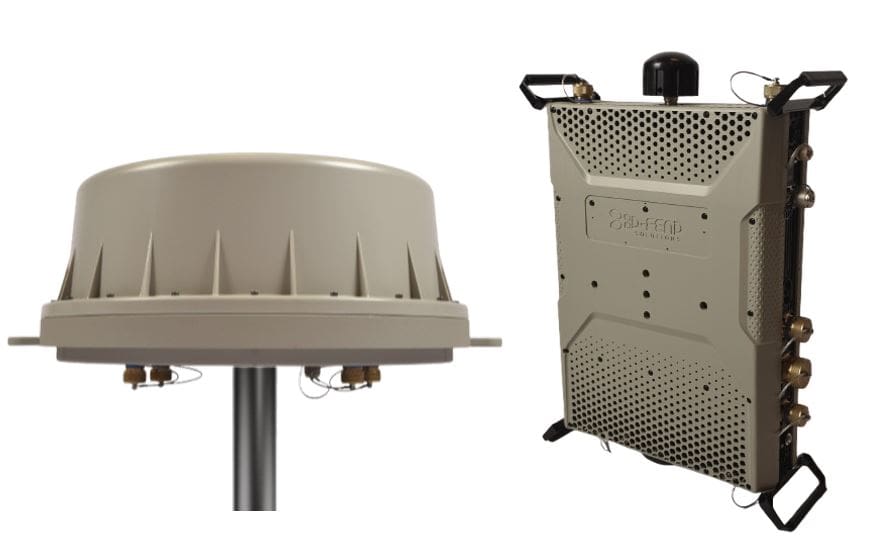
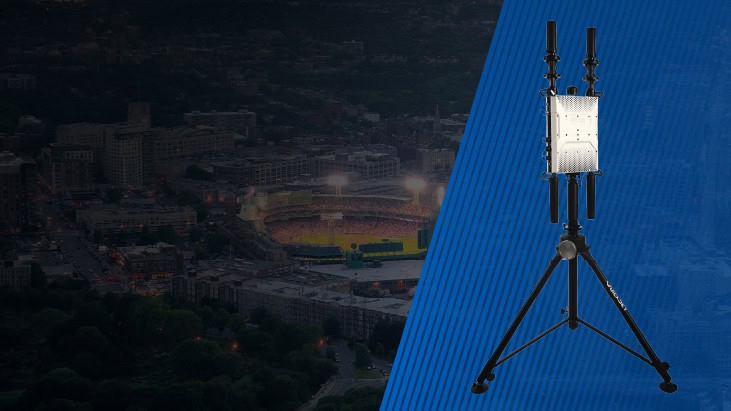
D-Fend Solutions’ EnforceAir is designed for organizations seeking a controlled, non-jamming, and non-kinetic Counter-UAS option. Its RF Cyber capability detects, locates, and identifies supported drones. Once mitigation is authorized, RF Cyber-Takeover supports taking control of a supported unauthorized drone and landing it safely in a predefined area, without disruption or kinetic force.
EnforceAir can be deployed in stationary, vehicular, tactical, or man-portable backpack configurations, with a dedicated maritime version available for naval and maritime environments. It can operate as a cyber-only capability or serve as the foundational cyber layer in a broader architecture when complementary technologies are required. EnforceAir PLUS combines RF Cyber with complementary detection and mitigation technologies in an integrated platform.
Read ‘What Defines the Best Anti-Drone System for a Specific Environment?’ for more information.