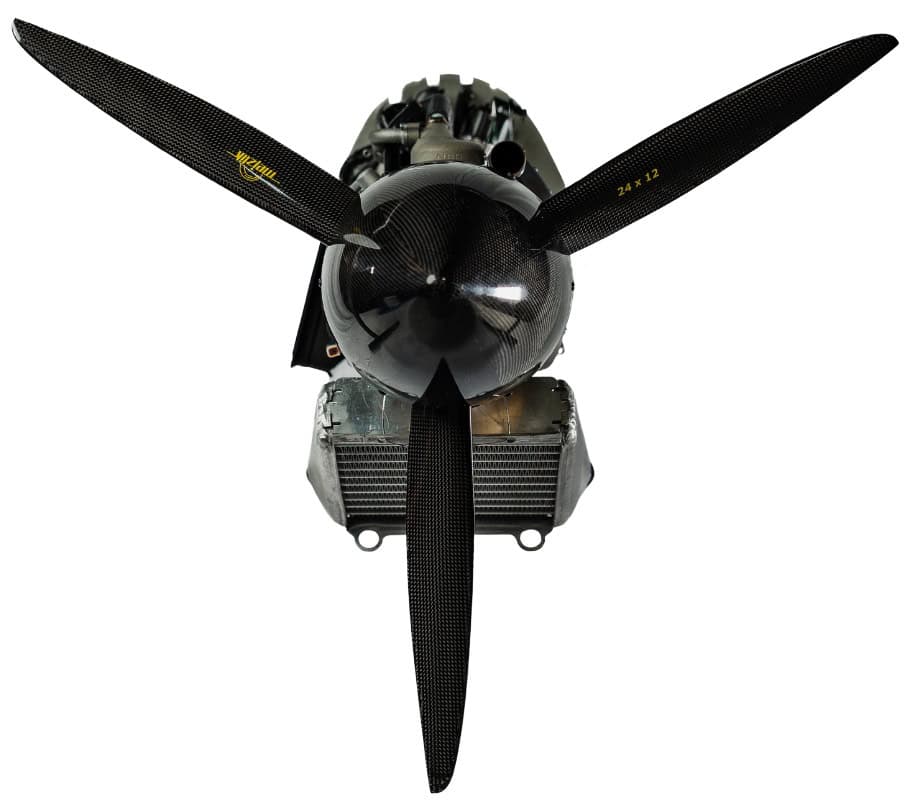



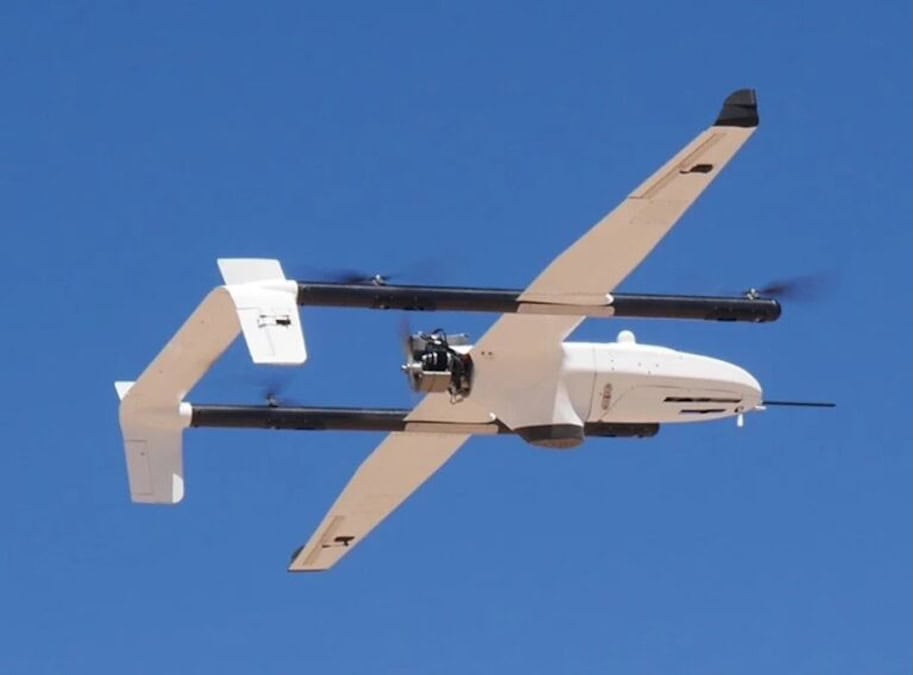
Cobra AERO discusses how its automotive manufacturing expertise and high-performance powertrain engineering background have shaped the development of advanced propulsion systems for Unmanned Aerial Systems (UAS).
The company was established to address reliability challenges in small unmanned aircraft, following early industry concerns surrounding the use of commercially available small engines in Intelligence, Surveillance and Reconnaissance (ISR) platforms and other demanding UAS applications.
Drawing on experience gained through sister company Cobra MOTO, Cobra AERO identified an opportunity to apply automotive manufacturing and quality practices alongside high-performance engine development expertise to autonomous aircraft propulsion systems.
Sean Hilbert, CEO of Cobra AERO, stated, “We had an automotive background that enabled a manufacturing and quality mindset and a power sports background that was all about performance. “Could we somehow glue those two things together and make the best small propulsion systems in the world?”
According to Cobra AERO, this combination of automotive manufacturing expertise, precision engineering, and high-performance powertrain development helped shape the company’s approach to UAS propulsion system design.
Hybrid Propulsion for Extended-Endurance Missions
A major area of focus for Cobra AERO has been the development of hybrid propulsion architectures designed to support long-endurance unmanned aircraft operations.
The company explains that electrically driven propellers combined with onboard hybrid power generation systems can extend operational endurance by recharging batteries during flight. According to Cobra AERO, certain hybrid configurations can support flight durations of up to 15 to 20 hours depending on aircraft design and mission requirements.
During its early development phase, Cobra AERO worked with customers to develop, design, and integrate propulsion solutions for a variety of unmanned aircraft requirements. Over time, the company expanded from development and integration work into a broader portfolio of propulsion systems for civilian and military UAS platforms worldwide.
Today, Cobra AERO supports customers across international markets including Europe, the Middle East, Africa, Australia, and North America.
A33N Propulsion System.
Advanced Manufacturing & UAS Engine Development
Cobra AERO combines precision machining with advanced additive manufacturing technologies to optimize propulsion system performance, reliability, and production consistency. The company utilizes manufacturing processes including Power Bed Fusion (PBF) and Direct Metal Laser Sintering to produce advanced engine components with complex internal geometries and enhanced material properties.
Its propulsion portfolio includes the A33N propulsion system for Group 2 UAS platforms and the A99HF propulsion system for Group 3 UAS applications. The A33N incorporates technologies including Electronic Fuel Injection (EFI) and a low-acoustic-signature exhaust system, while the A99HF supports both heavy fuel and gasoline operation and can be configured for hybrid propulsion architectures.
Quality assurance and durability testing remain central to Cobra AERO’s engineering approach, with propulsion systems undergoing extensive validation across a range of operating conditions. As unmanned aircraft platforms continue to evolve, Cobra AERO remains focused on advancing propulsion technologies designed to improve endurance, efficiency, and operational reliability for modern UAS applications.