Showcase your capabilities
If you design, build or supply ROV Cameras, create a profile to showcase your capabilities and connect with visitors who have an active requirement for your solutions.




Remote-operated vehicles rely on rugged, high‑performance cameras to deliver clear visual data during underwater missions. From shallow wreck exploration to deep-sea pipeline inspection and emergency search and rescue, the right ROV camera transforms complex tasks into controlled, visible operations.
Read the Technology Overview



Cutting-Edge Underwater Imaging Systems & Remote Operations Solutions For Subsea Inspection

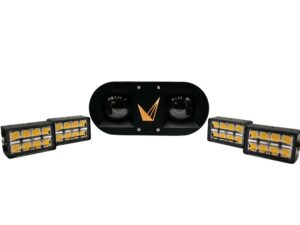
AUV Payloads & ROV Skids: Underwater Laser Scanners & 4K Stills Cameras for Subsea Inspections & Surveys

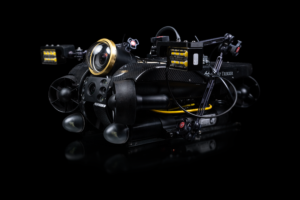
Integrated Systems & Payloads for Unmanned Surface & Underwater Platforms Operating in Complex Maritime Environments

If you design, build or supply ROV Cameras, create a profile to showcase your capabilities and connect with visitors who have an active requirement for your solutions.

Innovations in infrared and thermal imaging, subsea waterproof housings, and specialized optics now make ROV cameras indispensable across marine research, underwater archaeology, industrial inspection, and even aquaculture monitoring.
An ROV camera is a waterproof, sealed imaging unit, frequently with pan, tilt, and zoom capabilities, built for installation on underwater drones or manned subsea platforms. Typically connected to tethered ROV, these cameras transmit real-time footage to a surface vessel or shore station. Many models offer interchangeable lens options, LED lighting, infrared (IR) vision, or thermal imaging to enhance visibility in turbid water or at depth.

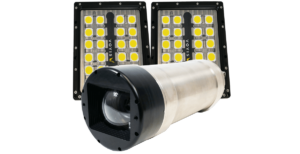
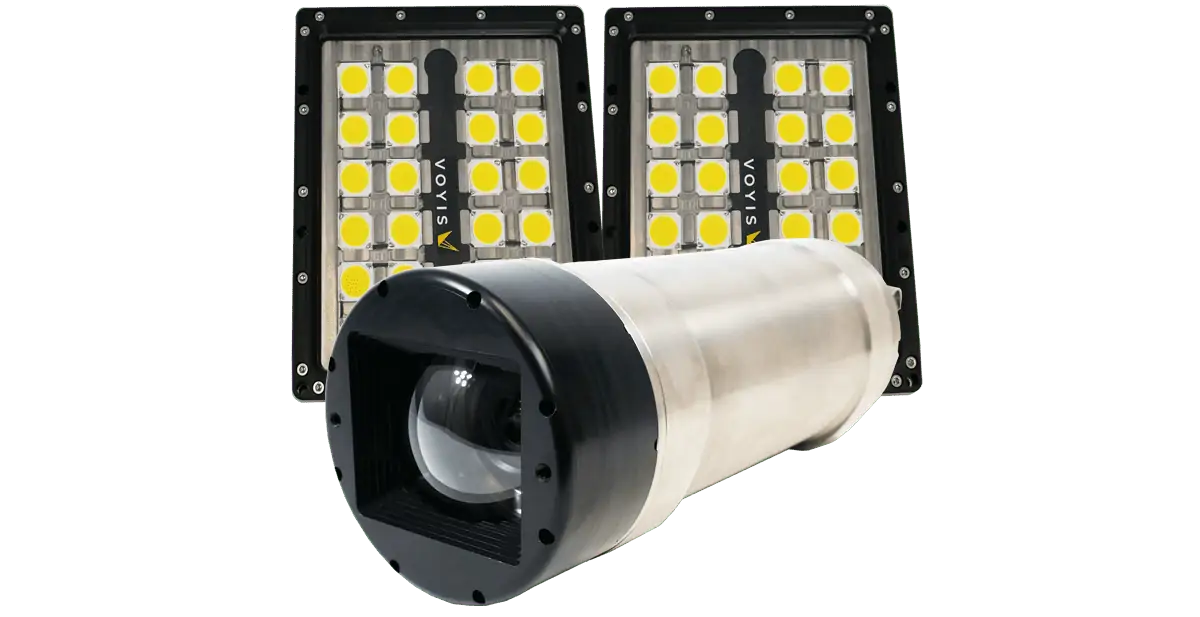
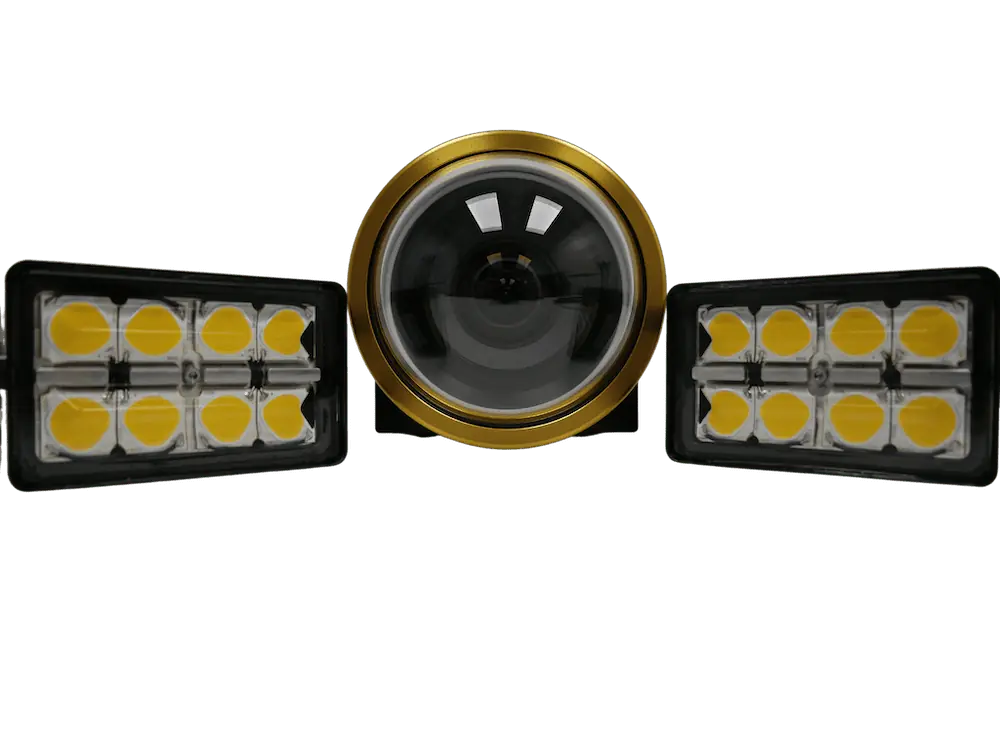
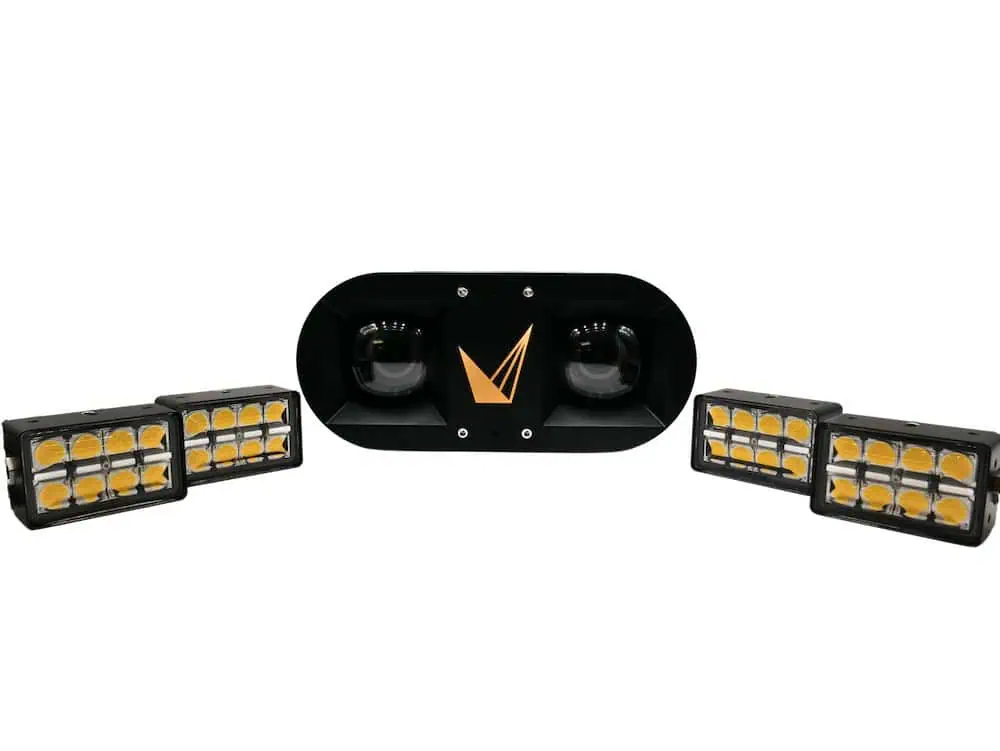
Discovery Camera by Voyis.
ROV cameras are especially designed for harsh subsea environments. These optical systems are engineered to function reliably under high pressure, low light, and unpredictable underwater conditions. Applications span search and rescue, environmental monitoring, ocean exploration, underwater archaeology, pipeline inspection, hull inspection and marine research.
High‑performance ROV cameras are often grouped by capability:
ROV-based rescue operations use infrared or thermal imaging cameras to locate victims in turbid waters or under debris. Compact ROV cameras with quick deployment capability can support critical timeline responses.
Automated environmental surveys and marine monitoring tasks rely on ROV cameras to document changes in aquatic ecosystems. Long deployments using subsea cameras gather time-lapse imagery essential for climate research and marine biology study.
Underwater archaeologists utilize ROV cameras to explore shipwrecks or submerged ruins. Panoramic cameras and high‑resolution ROV video cameras capture detailed site footage, often for post‑mission analysis in the lab.
Pipeline inspection and offshore inspection require ROV cameras that zoom and scan weld seams and corrosion areas. Subsea inspection packages often include high‑contrast lighting and PTZ capability, enabling detailed hull inspections and subsea surveying.
Fish farms and marine farms utilize underwater surveillance cameras to inspect net integrity, stock health, and feeding behaviors. Durable underwater monitoring systems reduce divers’ exposure and operational cost.
ROV cameras are often sold as modular vehicle accessories from manufacturers servicing the military, energy, and research sectors. Cameras may connect to onboard payload bays and be controlled via the ROV’s operator interface. Features like gimbals, housings, and wet-mate connectors enable plug-and-play readiness.

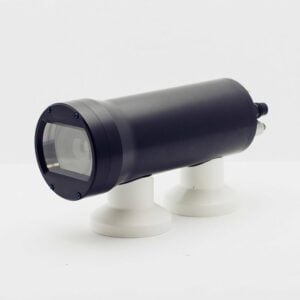
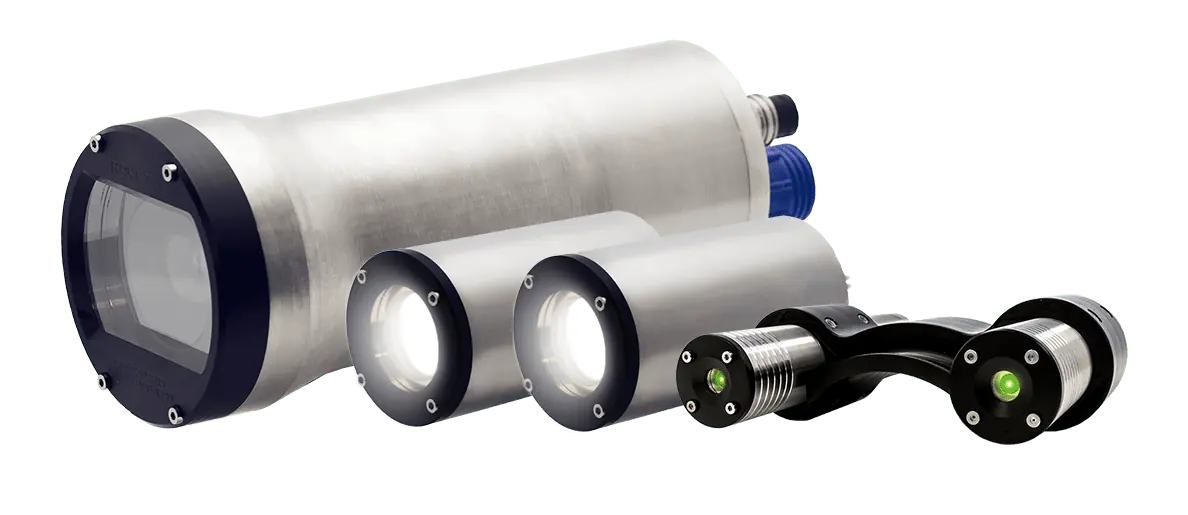
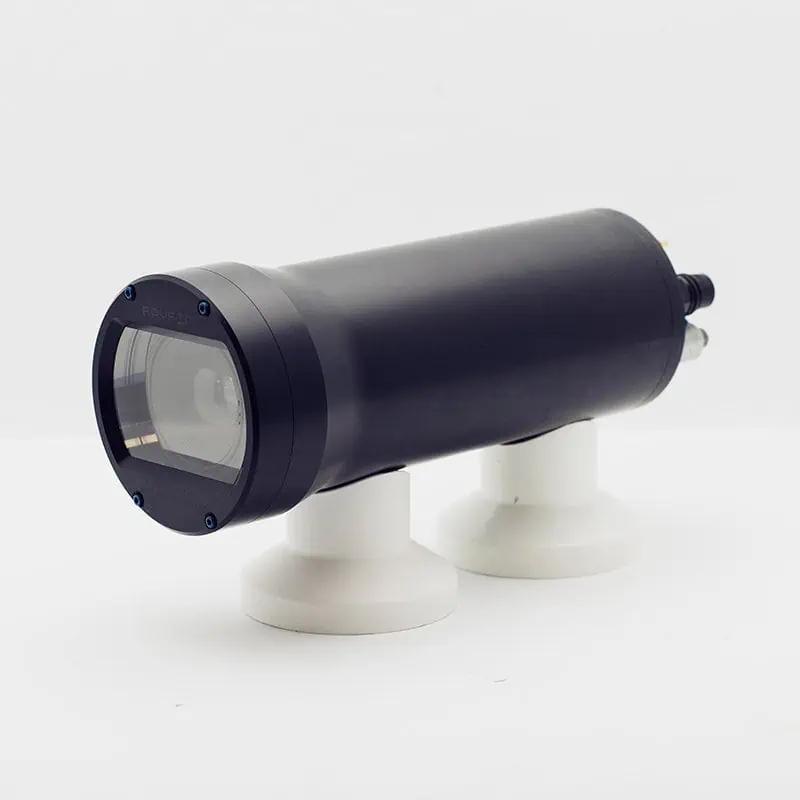
Rayfin Mk2 Coastal 500m camera by SubC Imaging.
Rov cameras often integrate with sensors such as sonar, manipulators, laser scanners, LiDAR, or umbilical navigation systems. Combined payload options enable comprehensive methodology for hull inspections, using cameras for visuals and lasers for precision dimensioning.
Robust ROV camera systems often comply with military and industrial standards (e.g., MIL‑STD‑810 for environmental ruggedness, IP68/IP69K for waterproofing, and DNV/ISO certification for offshore systems). Thermal and IR cameras additionally meet stringent electromagnetic and thermal specifications.
Choose a system aligned with operational goals:
Advanced ROV camera packages include operator interface software with calibration tools, low-latency streaming, video recording features, and post-mission analysis capabilities. Some systems support cloud archiving and AI-enhanced metadata tagging, especially useful for environmental monitoring surveys or subsea inspection logs.
Rov camera systems underpin the effectiveness of unmanned underwater vehicles in varied sectors. From real-time rescue operations to foundational marine biology research and rigorous subsea infrastructure maintenance, these cameras translate nebulous depths into actionable intelligence.
Manufacturers are advancing lightweight materials, mini ROV cameras, and tethered underwater camera systems to meet demands for portability and rapid deployment. Modern platforms now incorporate AI-enabled analytics, enabling automated object detection during pipeline inspections or wildlife monitoring. Subsea exploration progressively uses panoramic cameras to produce 360‑degree VR mapping of wreck sites.


 Searching Companies & Products


 Subscribe to the Weekly eBrief
The latest engineering and technical developments straight to your inbox - join thousands of engineers who receive it.
Subscribe to the Weekly eBrief
The latest engineering and technical developments straight to your inbox - join thousands of engineers who receive it.