SubC Imaging, a developer of underwater imaging systems and remote operating solutions, discusses how its DVR+ Overlay system supported deep-sea research operations on the Norwegian Marine Robotics Facility’s (NORMAR’s) Ægir 6000 Remotely Operated Vehicle (ROV). Read more >>
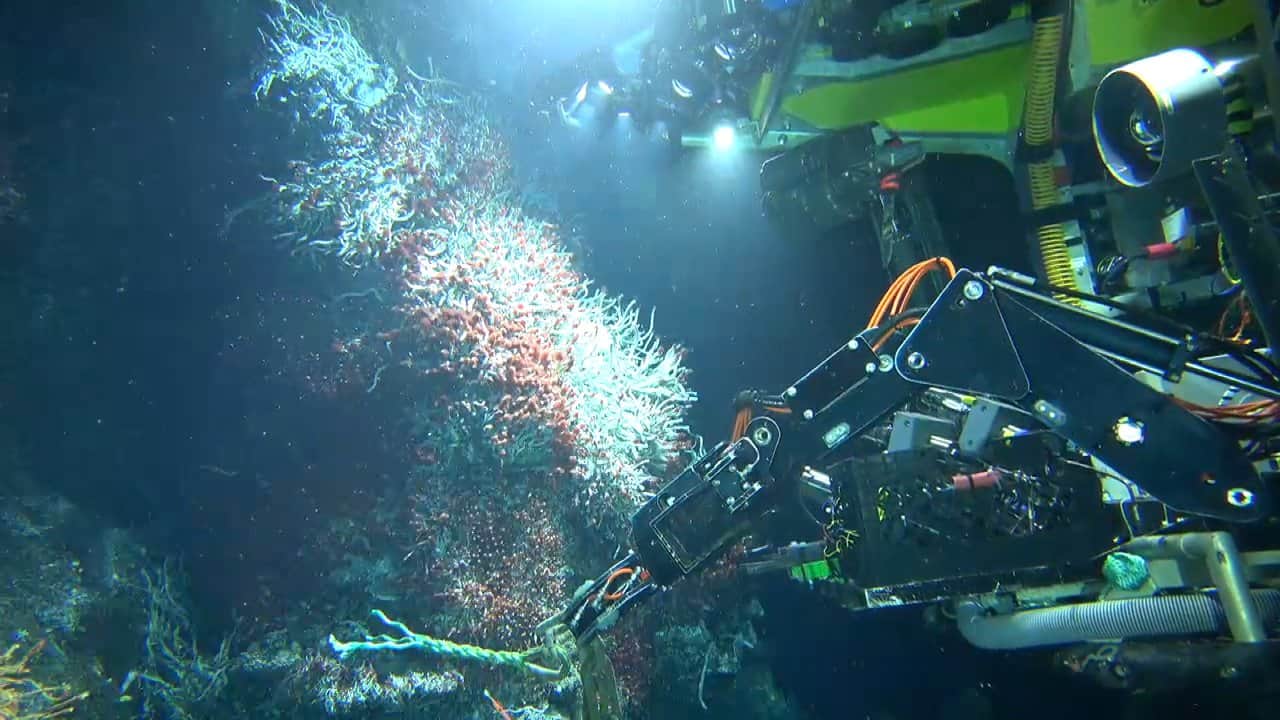
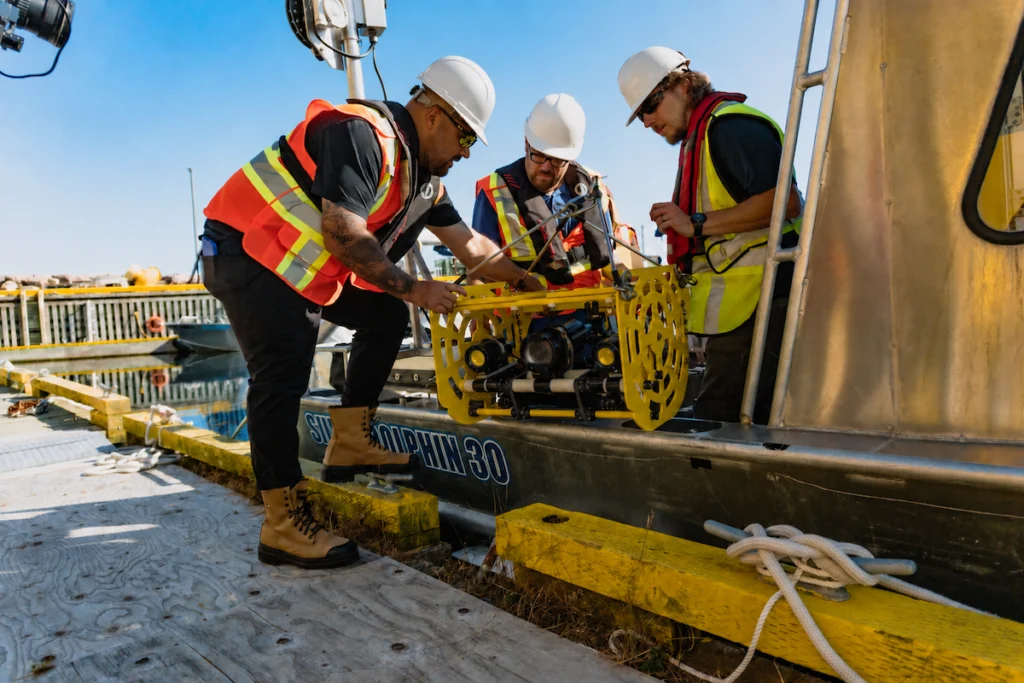
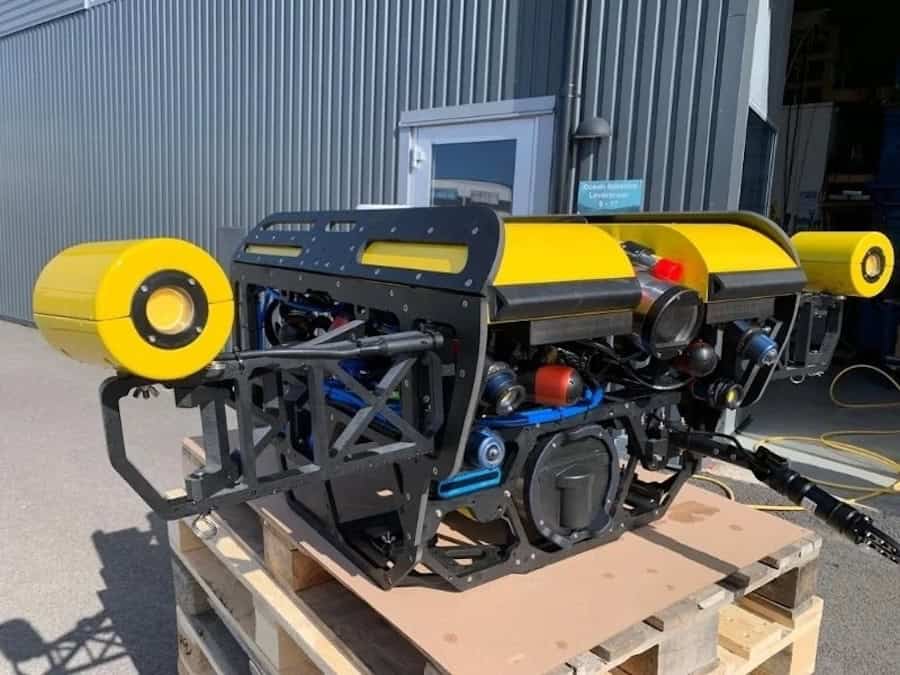
NORMAR, based at the University of Bergen, operates the ROV Ægir 6000, a national deep-sea research platform with more than 1,000 completed dives. The vehicle is deployed via a dedicated Tether Management System (TMS), enabling operation independent of ship movement and beneath Arctic sea ice.
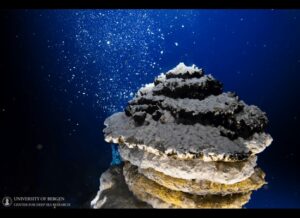
Photo Credit: NORMAR/UiB
SubC Imaging technology has played a central role in supporting research during recent cruises conducted by the University of Bergen in collaboration with the Norwegian Offshore Directorate. These missions investigated geological formations, biological communities, and environmental conditions in the Norwegian-Greenland Sea, requiring high-quality imaging and reliable subsea inspection equipment.
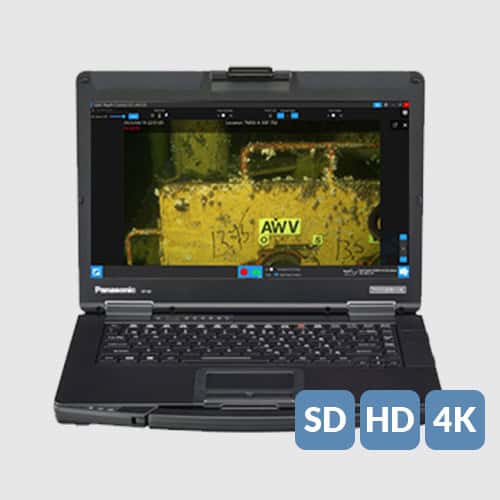
To meet these demands, NORMAR used SubC Imaging’s DVR+ Overlay, a Digital Video Recorder (DVR) solution for ROV operations and underwater cameras.
Operating at depths of up to 6,000 meters, researchers needed an imaging system capable of capturing clear, detailed visuals of benthic habitats, geological structures, and resource deposits; recording extended transects; providing real-time video for decision-making; and minimizing operator training time and errors.
Mission Capabilities & Performance
SubC Imaging’s DVR+ Overlay served as the central recording and broadcasting system on Ægir 6000. This platform gave researchers the flexibility to adapt video capture, overlays, and live streaming to each scientific task while remaining straightforward for operators to use.
Key capabilities included automated still-image capture every second for mosaics and subsea 3D imaging, customizable DVR settings such as clip length and overlays aligned with scientific objectives, multi-camera feed switching to support real-time collaboration among onboard scientists, and an intuitive interface that simplified operator training and reduced errors.
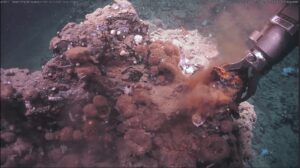
Photo Credit: NORMAR/UiB
The system provided scientific and operational benefits for the expedition. It enabled high-resolution mosaics and 3D models of the seafloor, identification of benthic habitats, mapping of geological structures including sulphide deposits, and greater efficiency during dives through live access to ROV camera feeds. It also produced publication-ready visual data for long-term deep-sea research.
Maja Lian Jœger, Data Manager of NORMAR at the University of Bergen, commented, “The SubC DVR software proved highly user-friendly and adaptable. We could easily customize video settings and overlays to suit each research dive, and the ability to switch between multiple camera feeds allowed scientists to follow the ROV’s progress in real time. These capabilities greatly improved both the efficiency of our data collection and the scientific value of the visual records we brought back.”
Jœger added, “One of the most valued features of SubC DVR+ Overlay was its ability to automatically capture still images at one-second intervals during video transects, enabling the creation of seamless stitched mosaics afterward.”
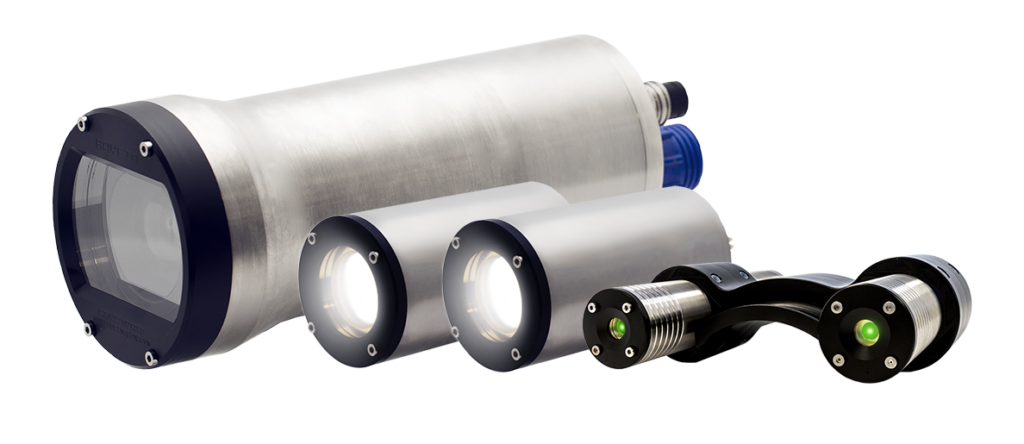
Ægir 6000 continues to play a central role in Norway’s national research infrastructure. With the integration of SubC Imaging’s DVR+ Overlay into its ROV camera system, NORMAR has enhanced its ability to deliver high-quality subsea data. SubC’s ROV cameras, DVR software, and imaging tools remain integral to supporting scientific exploration of the ocean.