SubC Imaging has developed a streamlined method for bringing legacy Remotely Operated Vehicles (ROVs) up to current imaging standards. Read more >>
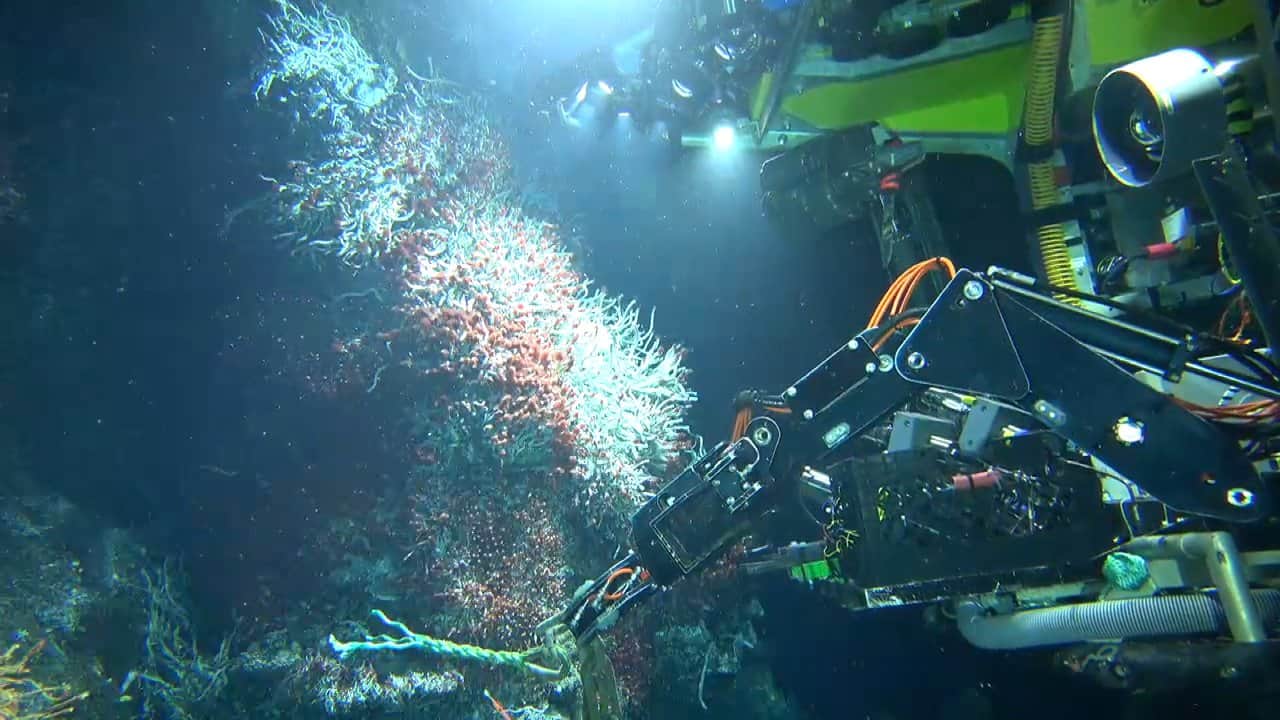
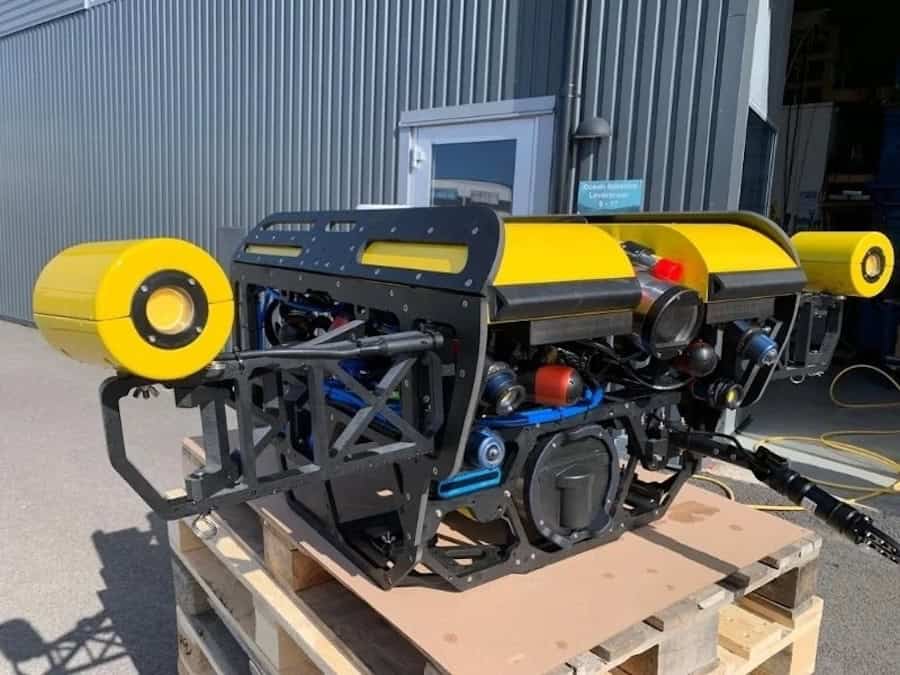
These vehicles continue to support offshore energy, marine research, and subsea inspection, yet many still rely on analog systems that limit image resolution and detail. While their mechanical structures remain dependable, the underlying video and data transmission technology often prevents them from meeting today’s operational and documentation requirements.
The full article explores why older imaging chains restrict performance and outlines three principal upgrade paths: complete vehicle replacement, fiber-optic retrofit, and digital imaging over existing tether conductors. Each option carries different implications for cost, downtime, and integration, helping operators select the approach that best suits their fleet and project needs.
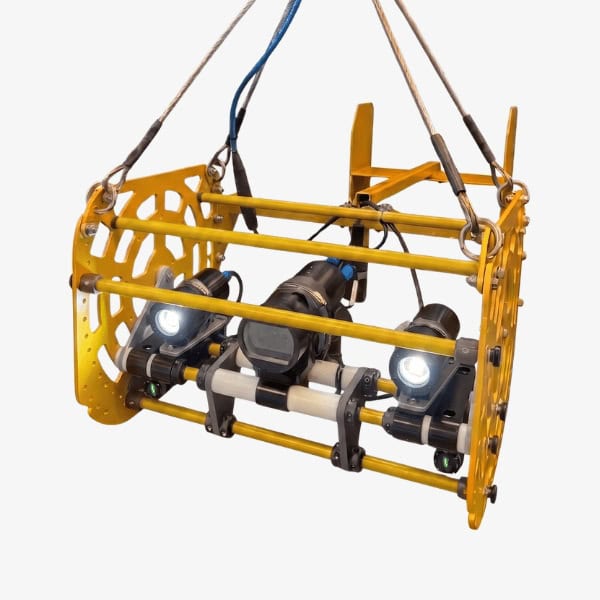
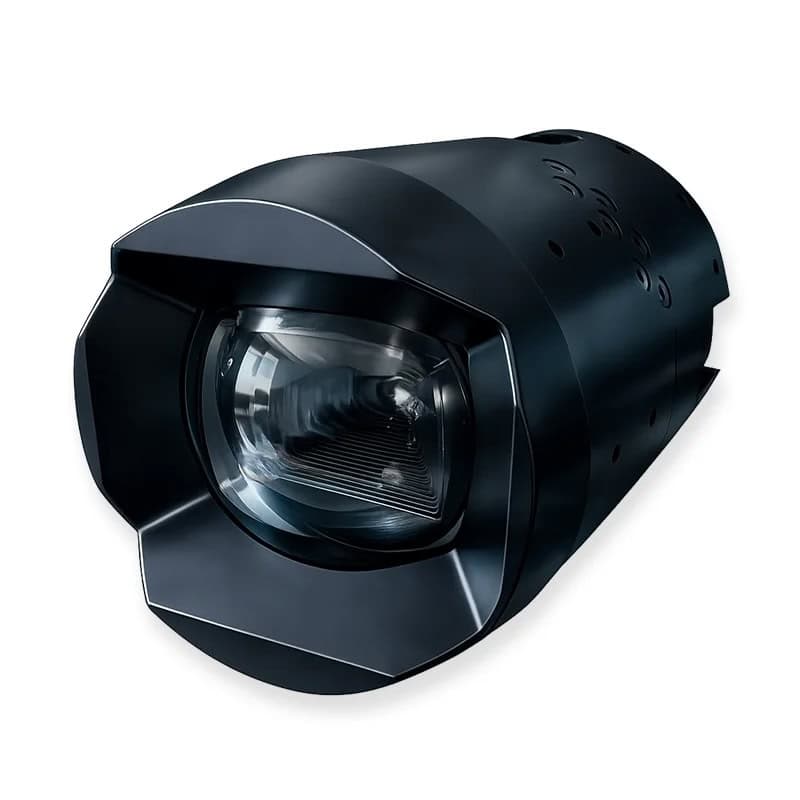
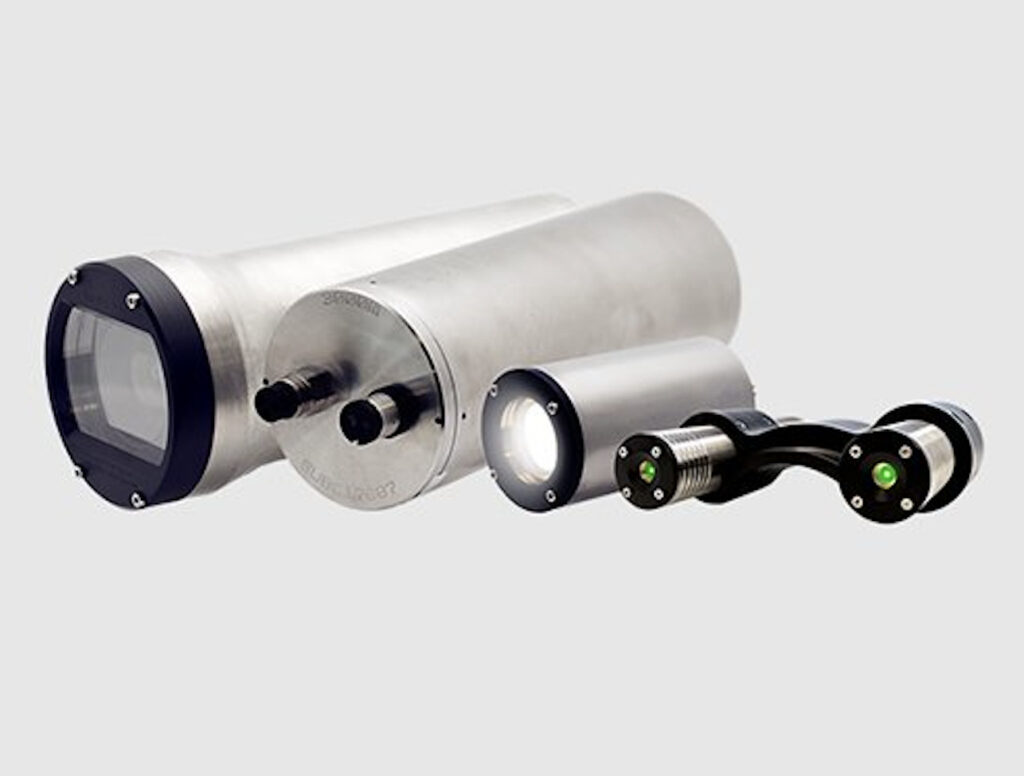
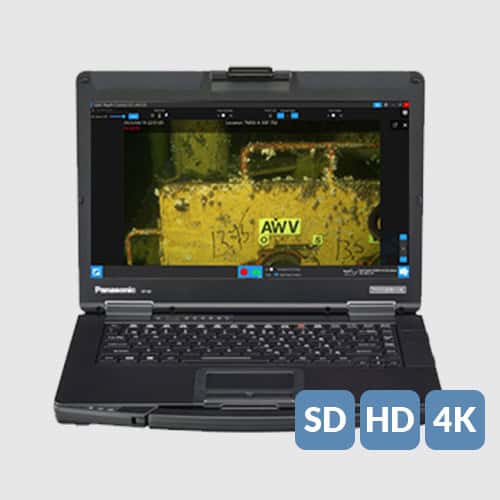
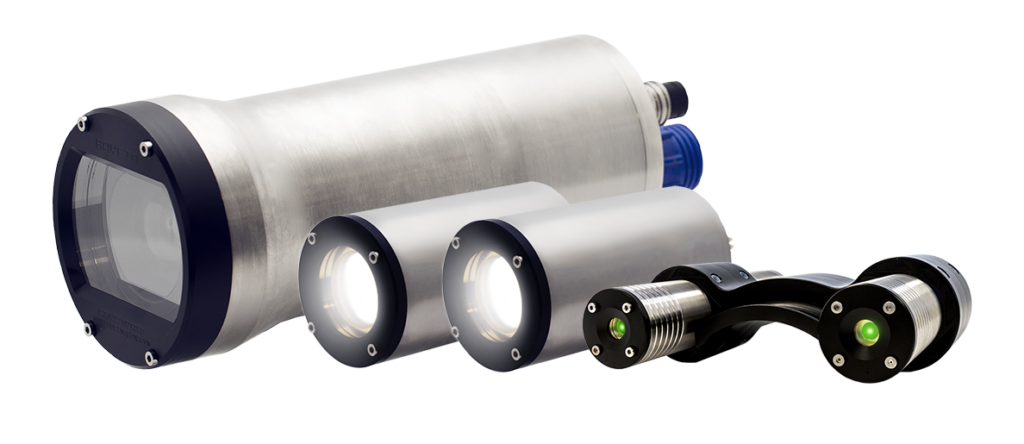
Among these, SubC Imaging’s Rayfin Uplink offers a low-impact alternative that transmits compressed digital video and still imagery through existing tether infrastructure. The system avoids tether replacement and extensive integration work while maintaining compatibility with the vehicle’s current setup. It enables HD, 4K, and digital still capability on platforms originally built for analog video, extending their operational value with minimal disruption.
The article also presents a concise framework for evaluating upgrade priorities, including imaging requirements, allowable downtime, equipment condition, and expected service life. For operators aiming to enhance visual data quality and extend fleet utility, the Rayfin Uplink provides a direct, technically robust route to modern digital imaging.
Read the full article on SubC Imaging’s website to learn how digital imaging over existing conductors can help legacy ROVs meet contemporary subsea standards.