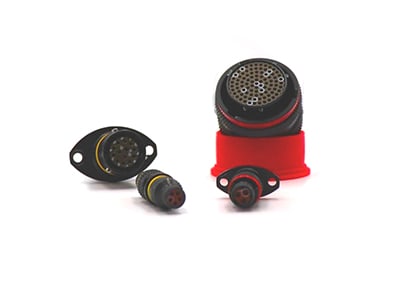
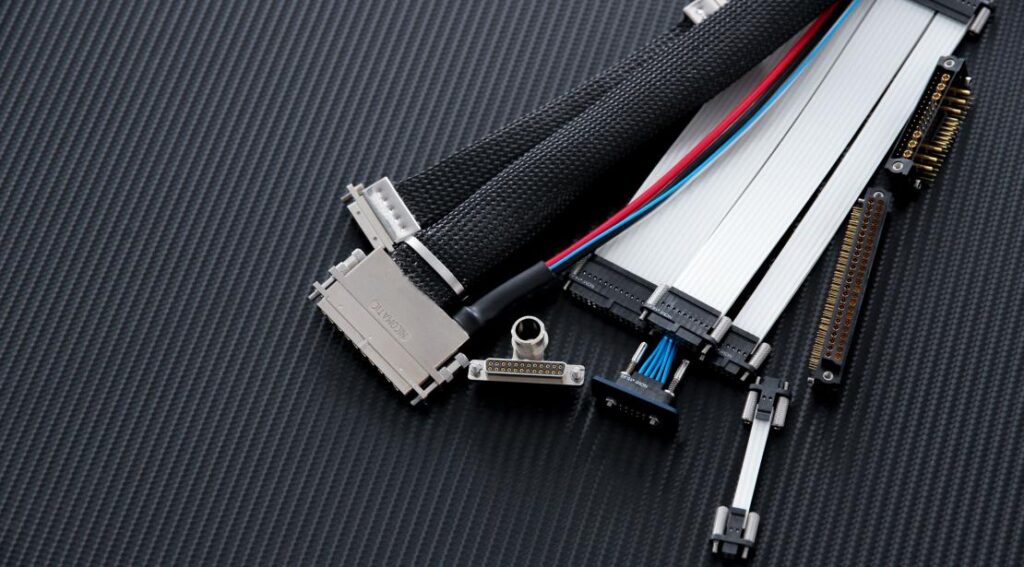
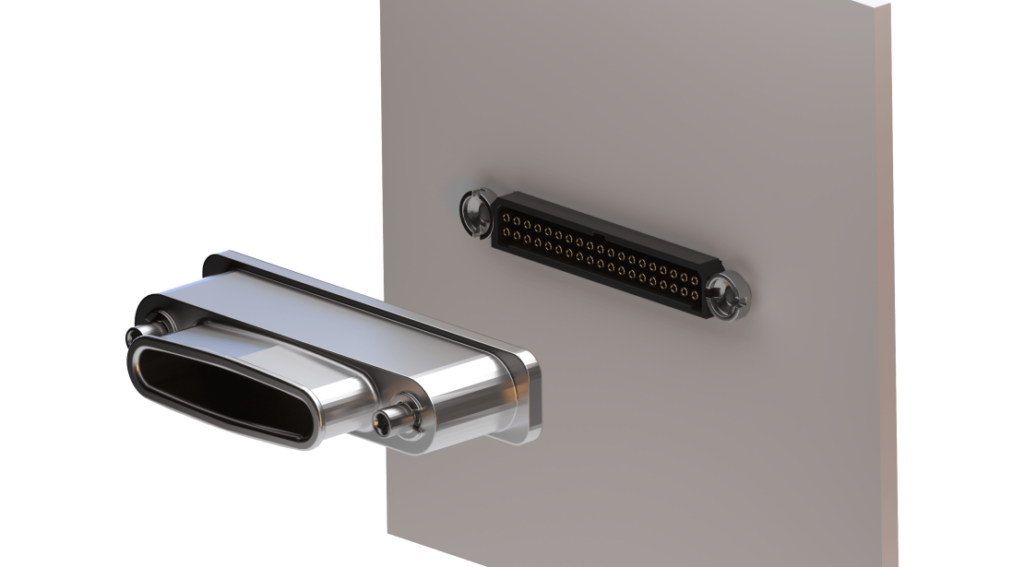
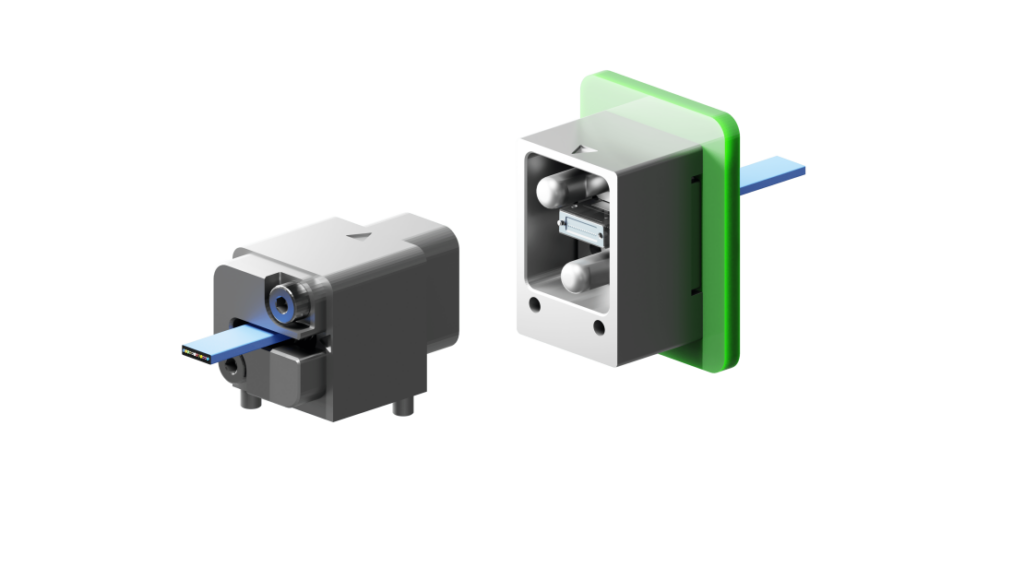
MIL-SPEC connectors are rugged electrical and optical interconnects designed to maintain power, signal, and data continuity in demanding unmanned systems. Used across UAVs, UGVs, USVs, ROVs, and tactical robotic platforms, these connectors support avionics, mission computers, payloads, antennas, and ground control equipment.
This category features leading military connector manufacturers offering connectors built to MIL-DTL-38999, MIL-DTL-26482, MIL-DTL-5015, MIL-DTL-83513, MIL-DTL-24308, and MIL-DTL-32139 specifications.
If you design, build or supply Military Grade Connectors, create a profile to showcase your capabilities and connect with visitors who have an active requirement for your solutions.
Overview of MIL-SPEC Connectors for Tactical Unmanned Systems
Overview by
William Mackenzie
Updated:
Introduction to Military Connectors for Unmanned Systems
MIL-SPEC connectors are rugged electrical and optical interconnects engineered to maintain reliable power, signal, and data continuity in demanding military, aerospace, and industrial environments. In unmanned platforms, these components form the critical backbone of the vehicle architecture. They connect flight controllers, mission computers, payloads and propulsion systems into a secure, cohesive network across air, land, and sea domains.
For tactical drones and military unmanned systems, connector performance directly determines mission availability. These systems operate in environments defined by high vibration, dust, moisture, electromagnetic interference (EMI), and extreme temperatures. Sourcing from qualified military connector manufacturers ensures repeatable mating geometry, verified environmental sealing, qualification evidence, and improved traceability, reducing the risk of connection failures during long-duration field deployments.
Core Types of MIL-SPEC Connectors
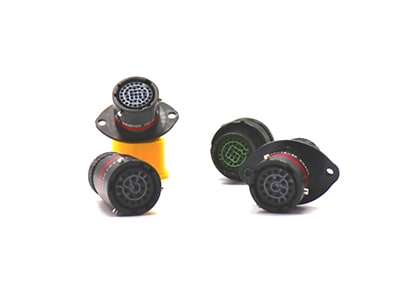
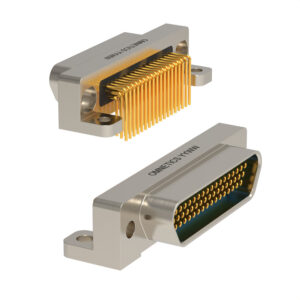
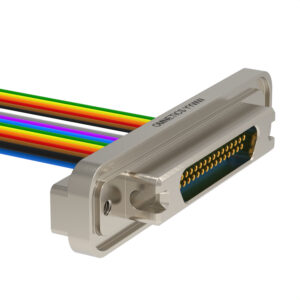
MIL-DTL-38999 Circular Connectors
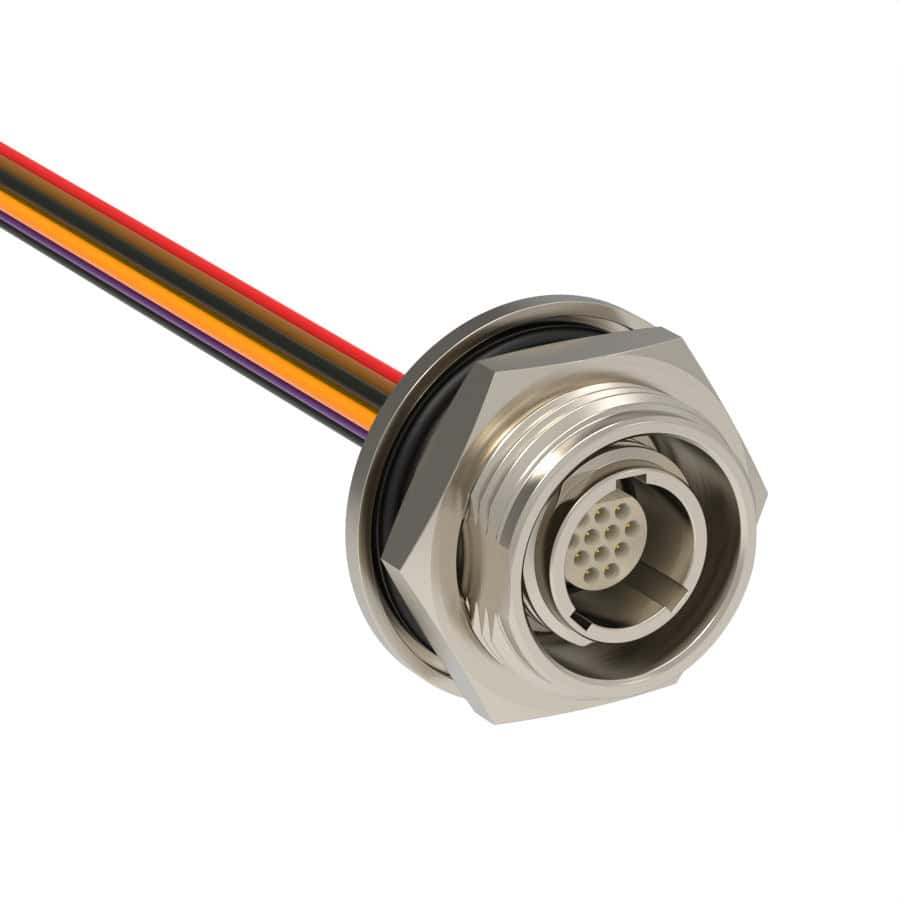
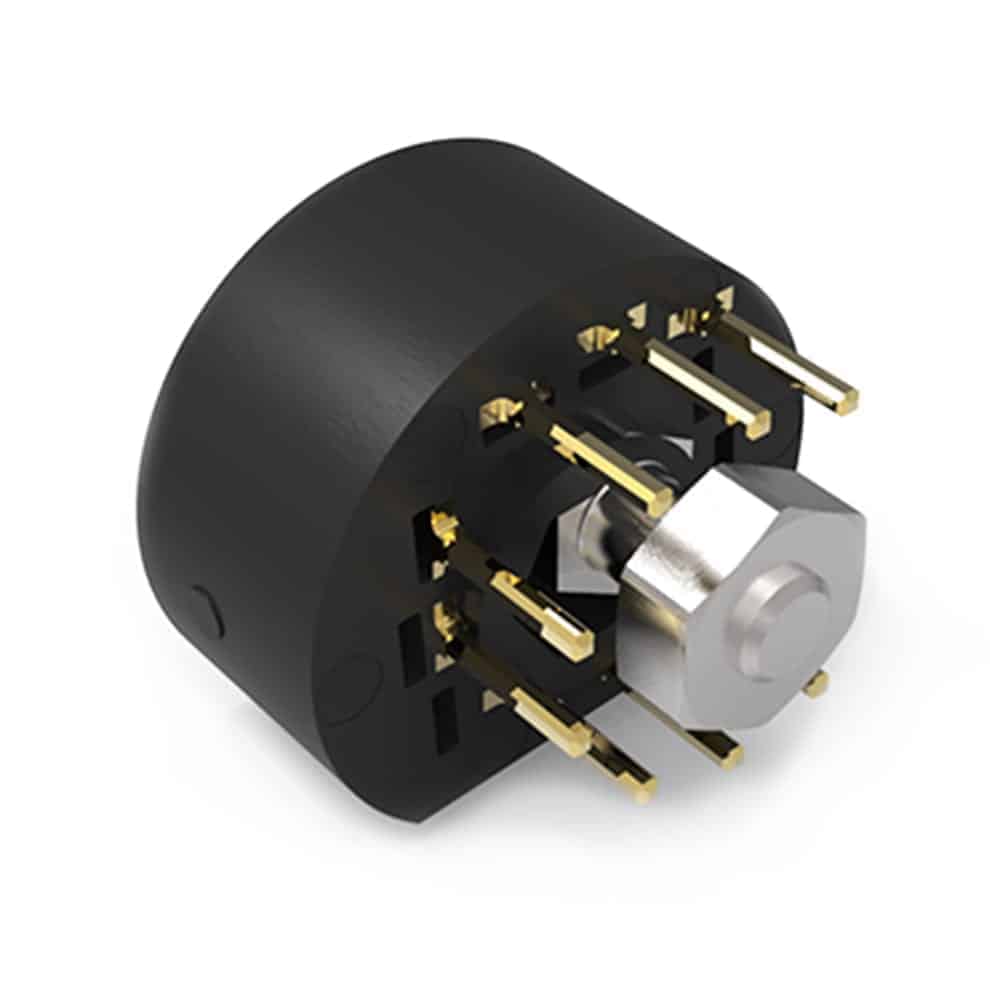
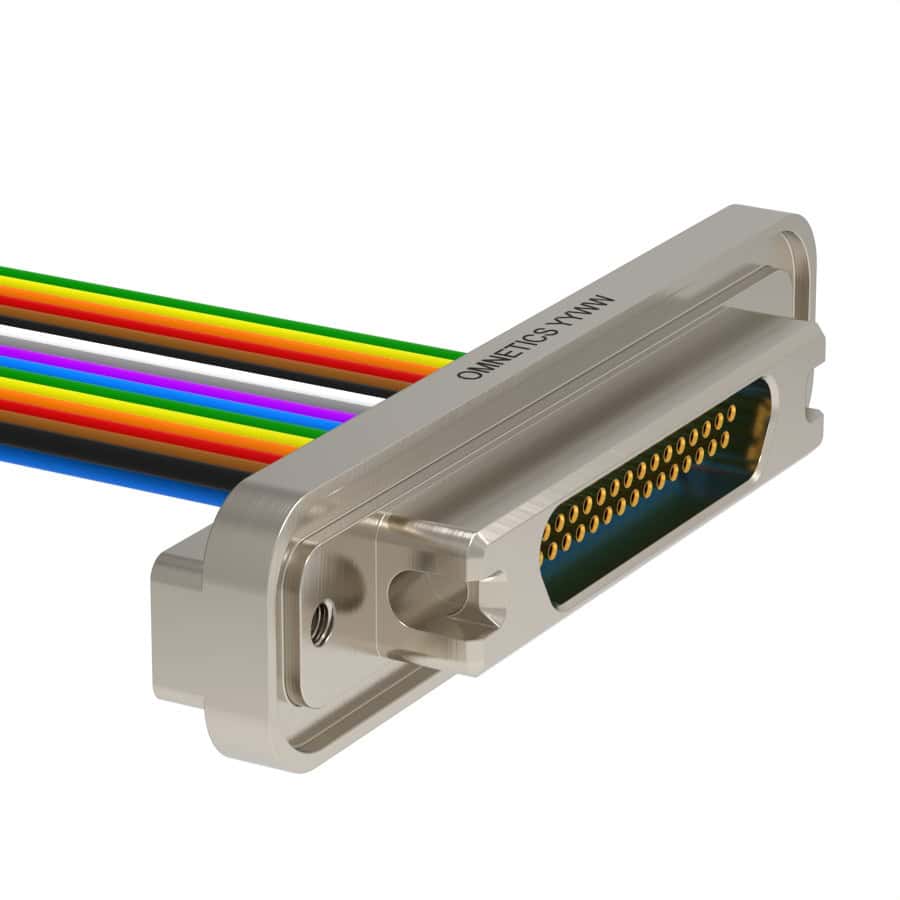
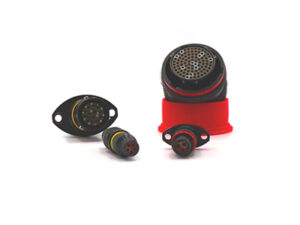
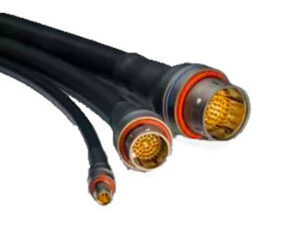
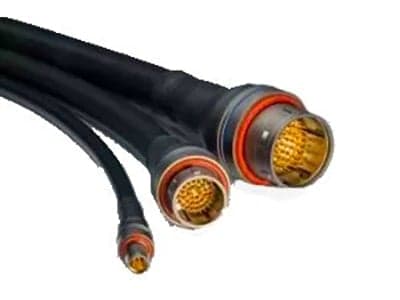
Micro Circular Connectors from Omnetics Connector Corporation
Widely specified for aerospace and defense applications, MIL-DTL-38999 connector assemblies excel where high contact density and robust environmental sealing are required. This specification covers four distinct series of miniature military circular connectors featuring bayonet, threaded, or breech-coupling mechanisms. In unmanned aircraft, these military aerospace connectors are commonly used for core avionics, signal/data links, mixed power interfaces, radar, weapons systems, medical equipment, and swappable payload gimbals. Series III threaded coupling is highly favored for high-vibration environments due to its robust, self-locking design.
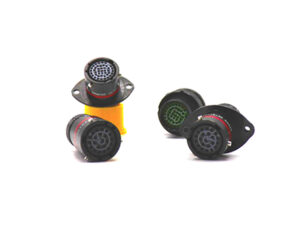
MIL-DTL-26482 Bayonet-Coupling Connectors
MIL-DTL-26482 connectors are circular, bayonet-coupling components designed for rugged performance within a cost-conscious program budget. The quick-disconnect mechanism ensures positive tactile engagement, making these military-grade circular connectors ideal for field-removable modules, ground units, and test harnesses. They suit medium-density signal and power paths where extreme miniaturization is not the primary driver, offering more physical space for easy wire termination and field servicing.
MIL-DTL-5015 Power and Heavy-Duty Connectors
When an application demands high current capacity and raw mechanical strength, MIL-DTL-5015 circular threaded electrical connectors are a long-established option. These military power connectors employ robust shells and large-gauge contacts built for physically demanding environments. In unmanned platforms, these heavy-duty military electrical connectors route primary power for large vehicle traction motors, high-output charging stations, and heavy naval robotic assets.
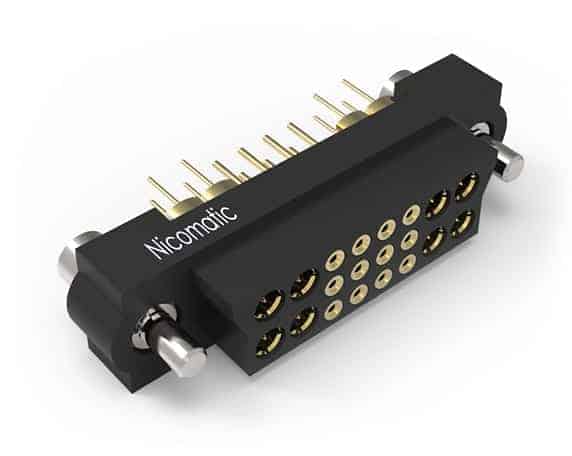
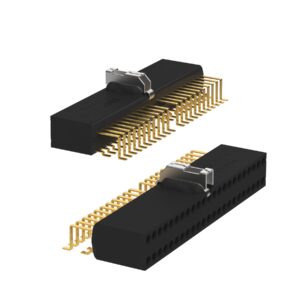
MIL-DTL-83513 Micro-D Connectors
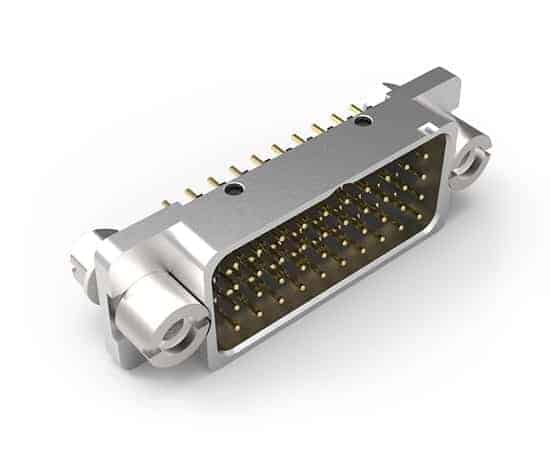
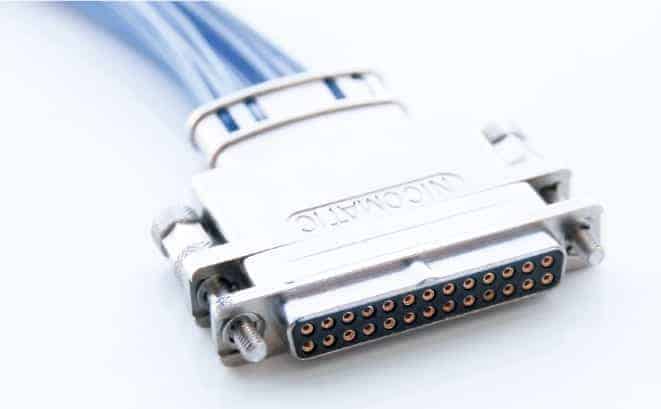
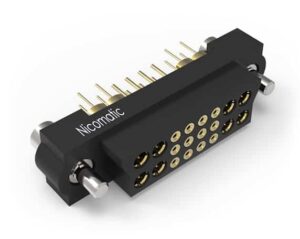
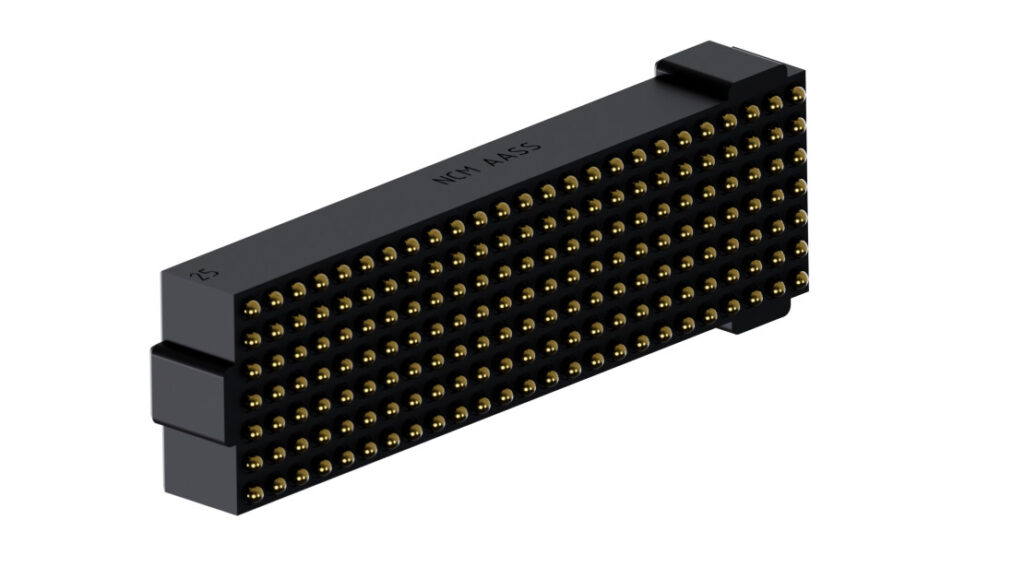
DMM Micro-D Rugged Connectors by Nicomatic
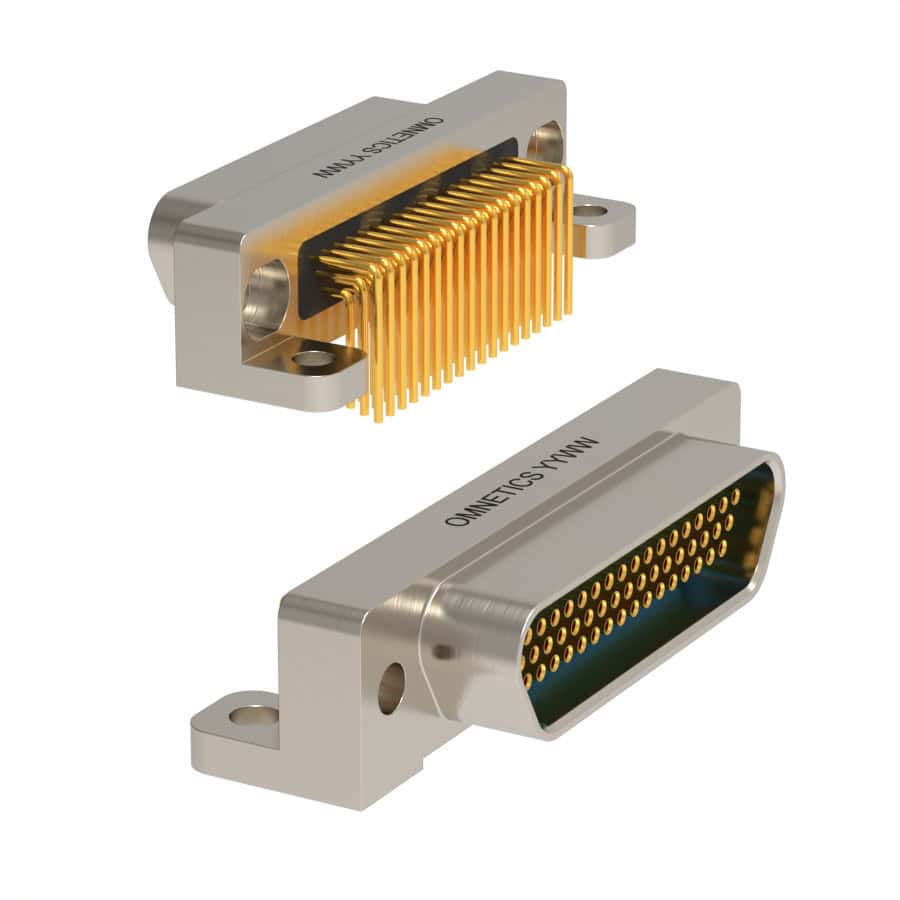
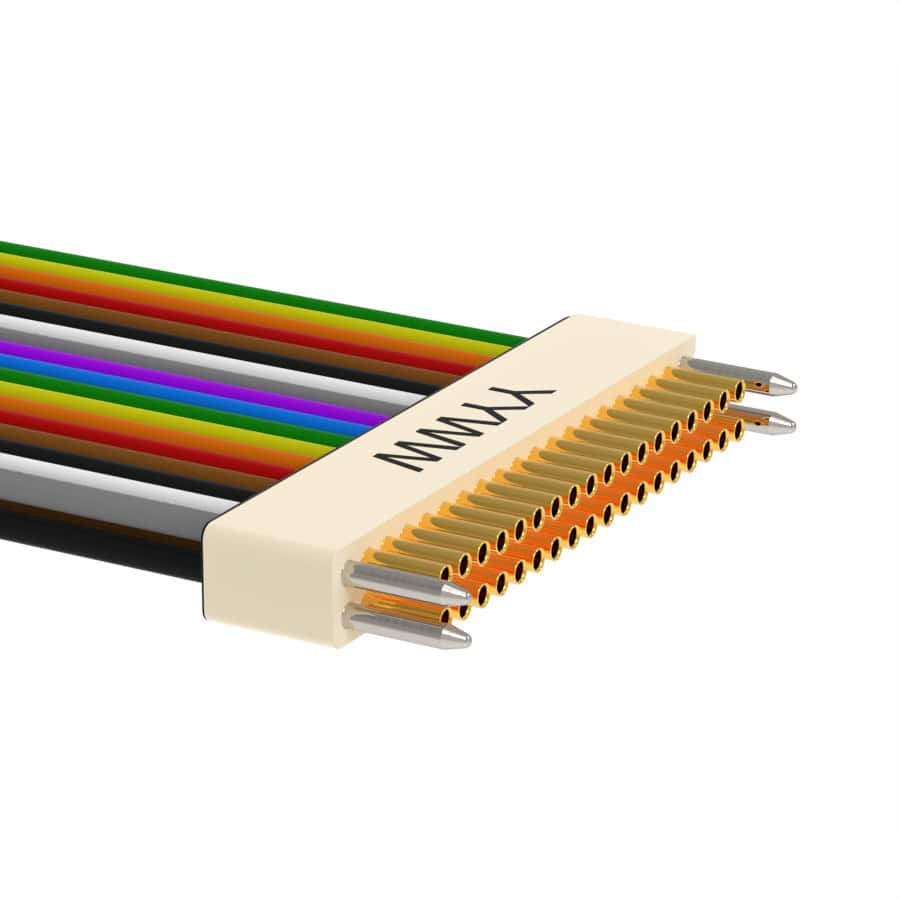
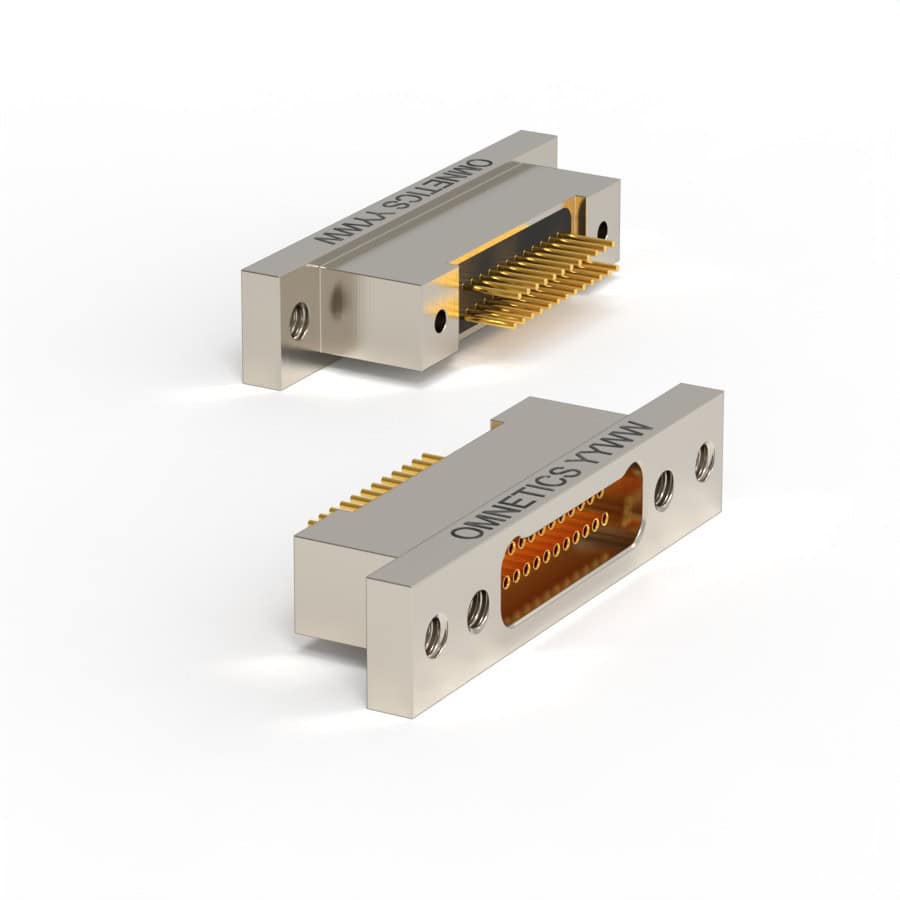
Addressing strict size, weight, and power constraints, MIL-DTL-83513 establishes the standard for micro-miniature rectangular connectors. Commonly known as Micro-D connectors, these components utilize closely controlled dimensional arrangements to pack high-density contacts into minimal space. These military standard connectors are staples in small tactical UAVs, guided loitering munitions, and compact flight-control enclosures where standard circular options are too bulky.
MIL-DTL-24308 D-Subminiature Connectors
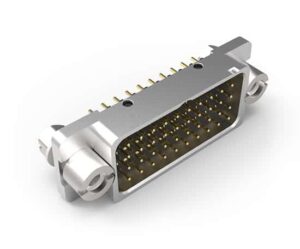
MIL-DTL-24308 covers military-qualified D-subminiature connectors used across electronic processing and communications systems. The military spec connector variant ensures controlled materials, robust plating, and strict performance minimums for defense platforms. They are regularly chosen for sheltered interior enclosures, rack-mounted ground station computers, and specialized development test ports that utilize mature, globally available tooling.
MIL-DTL-32139 Nano-D Connectors
For ultra-high-density and low-mass payloads, MIL-DTL-32139 defines nano-miniature rectangular configurations working with exceptionally fine wire gauges. Detailed slash sheets such as MIL-DTL-32139/4 provide critical weight savings for miniature sensor payloads, micro-UAV autopilots, and robotic gimbals. Their primary constraints are low current thresholds and vulnerability to handling damage, requiring rigorous strain relief to protect against conductor fatigue.
Military Connector Form Factors Used in Unmanned Systems
Selecting the right interconnect architecture requires matching the physical layout of the vehicle to specific electrical demands.
Circular MIL-SPEC Connectors: Environmentally sealed circular MIL-SPEC connectors deliver exceptional shell strength and fluid resistance, making them a premier choice for exposed external interfaces.
Rectangular and Rack-and-Panel Connectors: These components optimize internal space efficiency and sit flush against electronics bulkheads to support modular, slide-in equipment trays.
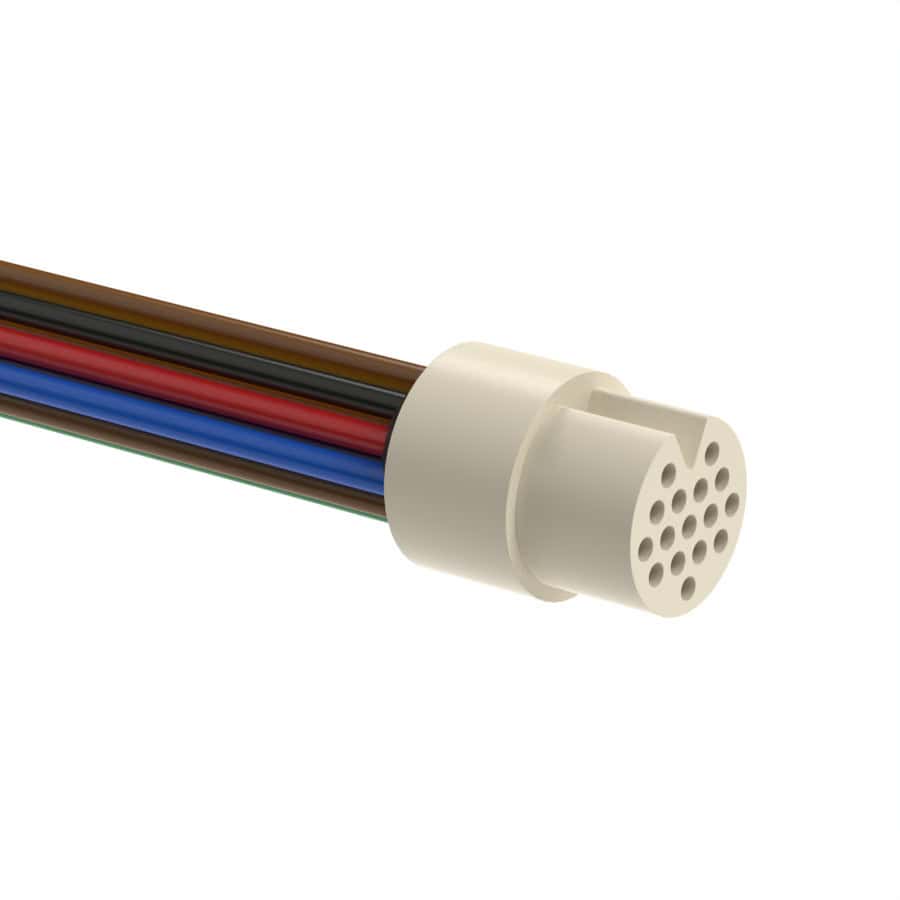
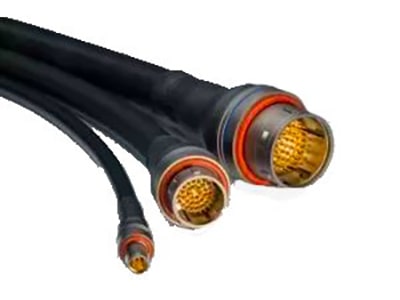
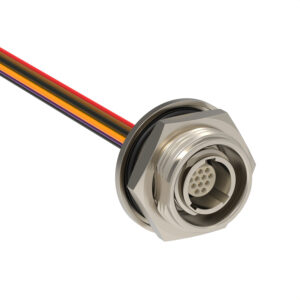
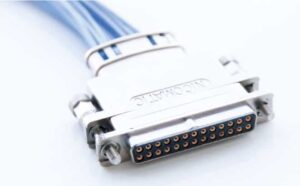
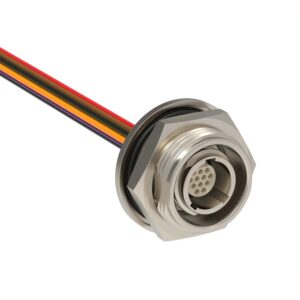
MIL-SPEC Lemo Connectors by AvioRace
Micro and Nano Connectors: These high-density options satisfy tight size, weight, and power restrictions within miniature payloads and compact autopilot enclosures.
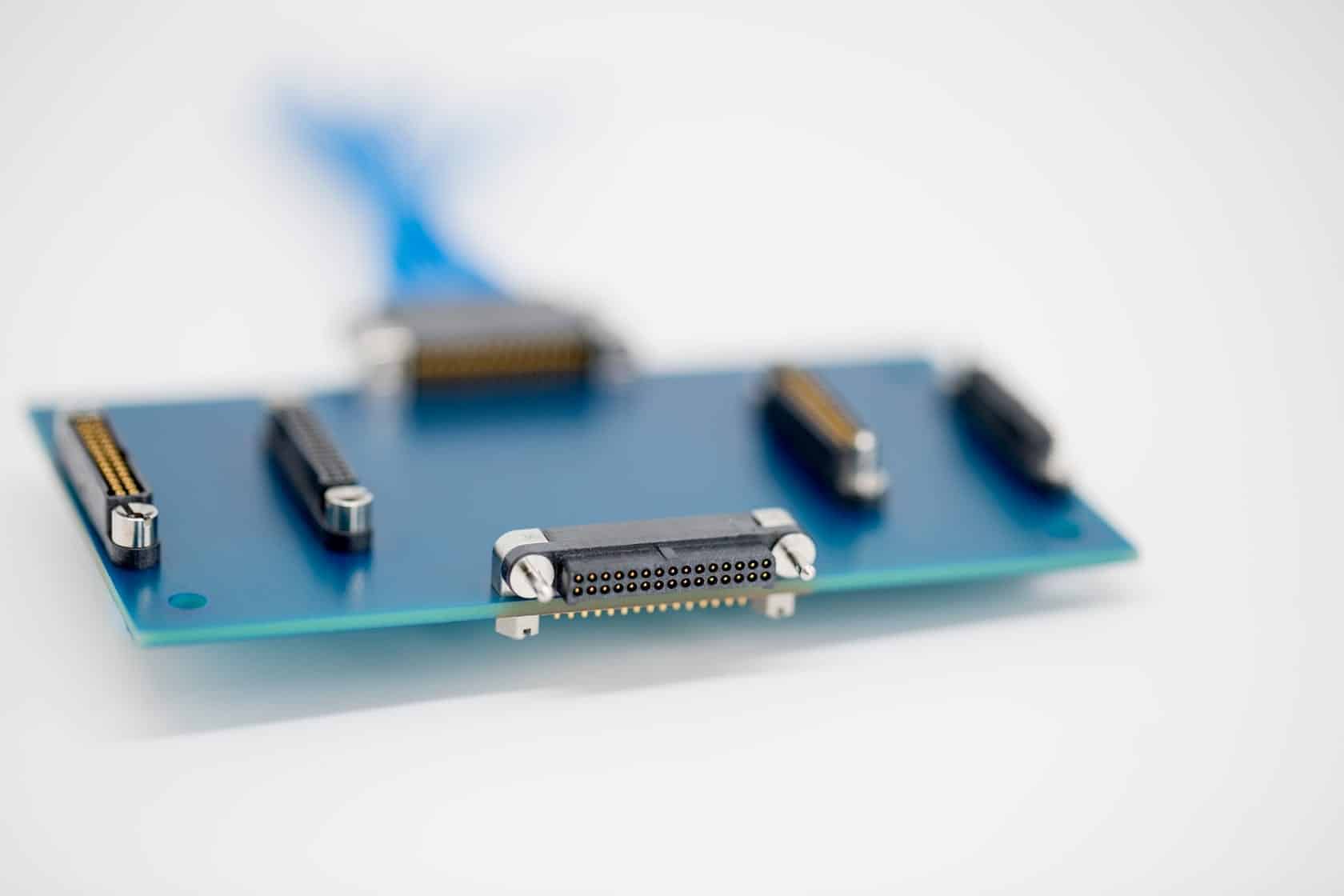
Board-Level and PCB Connectors: These deliver ruggedized internal connectivity with reinforced mounting, secure retention, and vibration-resistant contact designs built to survive structural vehicle vibration.
Blind-Mate Connectors: These utilize mechanical alignment guides to allow rapid, tool-less module swaps and battery replacements without risking pin damage in the field.
Hermetic and Sealed Connectors: These may use glass-to-metal seals, ceramic inserts, or advanced sealing systems to support pressure-rated, moisture-resistant, or subsea applications when specified appropriately.
Rugged USB, Ethernet and RF Connectors: These protect standard high-speed data protocols and antenna lines inside hardened military shells to maintain signal fidelity.
Hybrid Power, Signal, Data and Fiber Connectors: These combine different transmission paths within a single managed housing to reduce weight and save valuable panel space.
Integrating these diverse form factors allows engineers to balance structural protection against system weight savings.
Operational Requirements for MIL-SPEC Connectors
Deploying autonomous platforms into tactical environments requires components that can withstand extreme physical degradation. Environmental qualification may reference MIL-STD-810 test methods for conditions such as shock, vibration, temperature, humidity, altitude, rain, sand, and dust.
Harsh Environment Performance: Connectors must preserve absolute electrical integrity without immediate maintenance access when platforms operate far beyond line of sight.
Resistance to Shock and Mechanical Stress: Heavy-duty coupling mechanisms and robust strain-relief clamps are required to survive continuous motor buzz and violent tactical landings.
Temperature Extremes and Thermal Cycling: Components must endure rapid, high-altitude temperature shifts, low pressure, and thermal cycling without causing structural degradation to internal rubber seals.
Moisture, Salt Fog, Dust and Chemical Exposure: Corrosion-resistant platings and resilient elastomers shield internal pins from rain, saltwater exposure, blowing sand, dust, mold, and aggressive decontamination washes. Ingress protection may also be defined using IEC 60529 or EN 60529 IP ratings, including IP68 where applicable.
Long Service Life and Repeatable Mating Cycles: Contact interfaces must withstand hundreds of rapid field handling sequences and payload swaps without exhibiting physical pin wear.
Maintaining Signal Integrity in Mission-Critical Systems: Shielded backshells, conductive platings, and grounding fingers form a protective barrier that helps prevent power lines and electromagnetic interference (EMI) from disrupting sensitive telemetry data.
Addressing these strict operational metrics early in the program lifecycle ensures predictable mission availability.
Emerging Trends in MIL-SPEC Connector Technology
The rapid evolution of autonomous systems continues to push the boundaries of standard interconnect design.
Miniaturization for Small Unmanned Platforms: Tactical assets drive the demand for lighter, ultra-compact micro and nano connector choices that preserve space without sacrificing ruggedness.
Higher Data Rates for Autonomy and Sensor Payloads: Next-generation autonomy stacks require controlled impedance lines to support Gigabit Ethernet, USB 3.0, and high-definition digital sensor video streams.
Fiber-Optic and Hybrid Connector Growth: Optical links provide high electromagnetic interference immunity and significant bandwidth inside crowded payload bays and tethered aquatic systems.
Advanced Materials and Platings: Specialized composite shells can significantly reduce overall vehicle mass while offering strong galvanic corrosion resistance in marine settings.
These technological shifts ensure that next-generation platforms remain highly modular, lightweight, and mission-ready.
Watch this video on the C5 Warrior, an ultra-miniature, high-speed, rugged connector delivering 10 Gbps performance and extreme durability for space-constrained defense applications
Nicomatic delivers integrated cable and connector solutions engineered for reliability in harsh environments, ensuring electrical continuity, mechanical strength, and streamlined maintenance for mission-critical systems
Omnetics explores how application-specific, small, rugged, and secure connectors enable reliable performance of LiDAR systems in defense and space applications, supporting high-speed data, portability, and operation in harsh environments
Nicomatic’s new Matr’YX connector range offers high-speed data rates and durability in a compact design, engineered for the harshest military and aerospace environments
Nicomatic highlights its advanced interconnect solutions, providing a reliable, lightweight solution for UAV electronic systems and defense applications
Nicomatic discusses the benefits of its D53C ‘mate-before-lock’ mechanism, making connections faster and more secure for the company's MIL-SPEC DMM rugged 2mm pitch metal connectors
Nicomatic details how its EMM connectors provide robust electromagnetic interference (EMI) protection and space efficiency for mission-critical applications in challenging environments
Nicomatic has unveiled its rugged VITA 66 optical backplane interconnects, designed for harsh environments, supporting up to 24 optical channels per connector, and offering versions integrated with the PRIZM® MT ferrule for expanded beam technology
The latest unmanned systems news, straight to your inbox.
Get our weekly roundup of technology developments, new products and industry news.
THANK YOU FOR SIGNING UP
Thanks for joining us. Check your inbox.
We've sent you an email. Click the confirmation link to complete your subscription to the weekly eBrief. In the meantime, explore the latest news, suppliers and technologies on UST.
Advancing Unmanned Systems Through Strategic Collaboration
UST works with major OEMs to foster collaboration and increase engagement with SMEs, to accelerate innovation and drive unmanned systems capabilities forward.