The increasing demand for mission-critical reliability in unmanned systems is driving a shift toward high-endurance electronic solutions originally developed for the world’s most demanding motorsport environments.
As a direct distributor of TE Connectivity, Aviorace is facilitating the transition of ruggedized technology from the racetrack to the drone industry.
The Wildcat Series: Specifically Engineered for Autonomous Systems

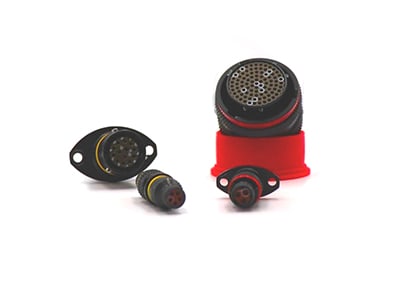
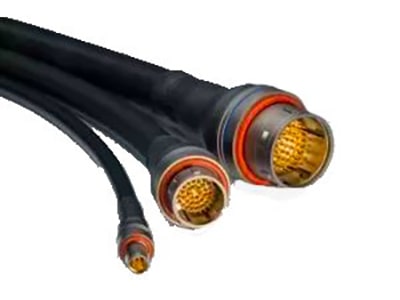
Wildcat UAV Mini Series Connectors
This movement is highlighted by the Wildcat Series, including the Wildcat 38999 and Wildcat Micro, which are specialized evolutions of standard aerospace connectors. These components are specifically engineered for autonomous systems where minimising space and weight is paramount, yet ruggedness cannot be compromised.
Key technical advantages include:
- Extreme Density: The Wildcat 38999 offers almost double the contact density of standard MIL-DTL-38999 connectors, allowing for more sensors and data lines in a smaller footprint.
- Micro-Miniaturization: The Wildcat UAV Micro XtraLITE HE series provides an incredibly small form factor, ideal for the compact gimbals and flight controllers of modern tactical UAVs.
- Environmental Integrity: With an IP67 rating and resistance to aggressive fluids and high-frequency vibrations (up to 60g RMS), these connectors ensure signal integrity in the harshest conditio
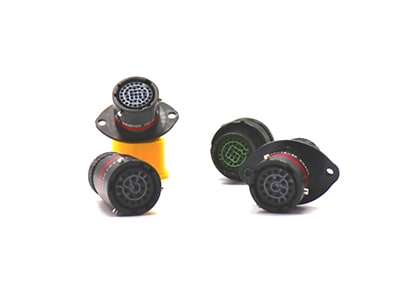
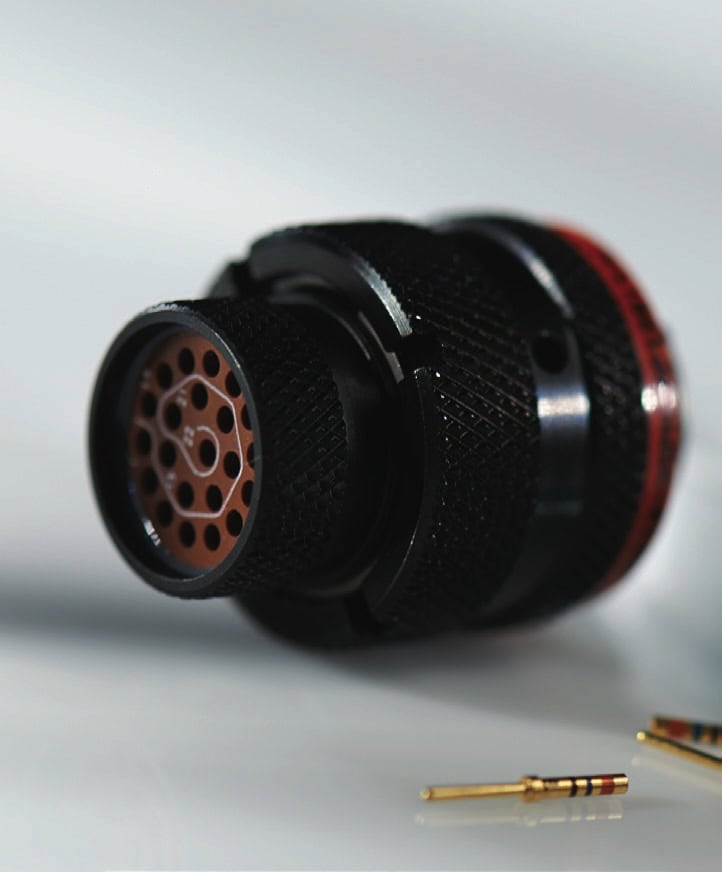
The reliability of the Wildcat range is derived from its technical predecessor, the DEUTSCH Autosport (AS) series. While the two series share identical internal layouts and contact technologies, the Wildcat series introduces specialized Black Zinc Nickel plating. This coating is designed to meet rigorous defense requirements, including 500 hours of salt spray anti-corrosion and EMI shielding.
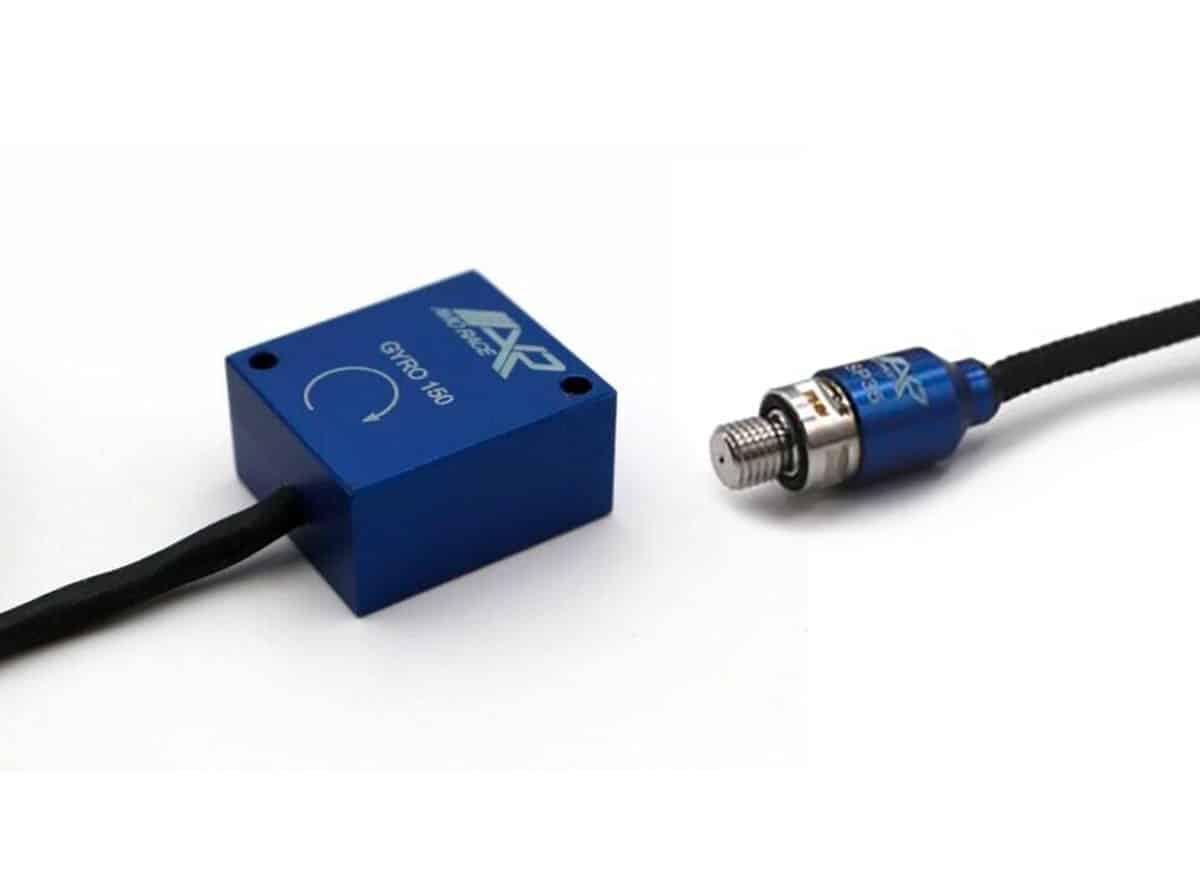
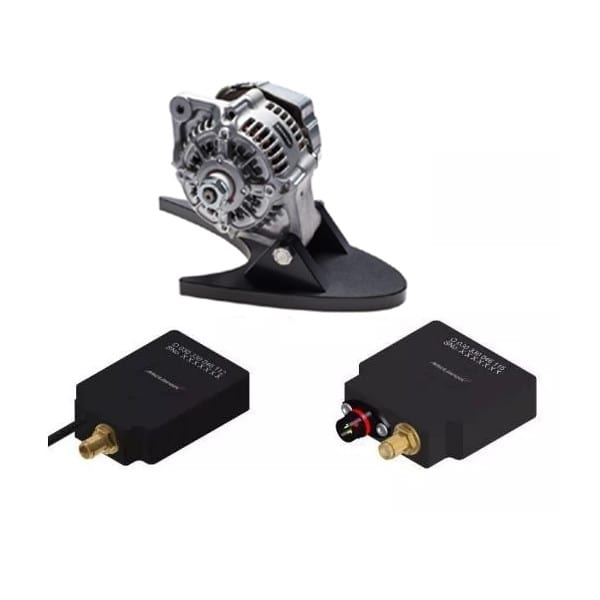
This cross-industry innovation mirrors previous technological migrations, such as ultra-miniature pressure and temperature sensors. Originally developed to monitor Formula 1 power units under extreme heat and G-forces, these sensors have since been adapted for UAV engine management systems.
Further details available in the Wildcat Connectors for Unmanned Autonomous Vehicles catalogue.
Technical Comparison
To better understand why the Wildcat series is a reliable choice for UAV manufacturers, the following table highlights the leap in performance from standard aerospace components, and the synergy with motorsport heritage.
| CATEGORY | DEUTSCH Autosport Interconnection | DEUTSCH Wildcat Micro |
| Product Scope | Broad Autosport connector family (AS, ASX, ASU, ASL, ASR, ASC, AS Mini, AS Series) | Compact Wildcat Micro family with 3, 5, or 9 contacts |
| Dielectric Withstand Voltage | Typically 1000–1500 VAC depending on series/layout | 1000 VAC |
| Current Rating | Approx. 3–20 A depending on contact size | Approx. 3–5 A per contact |
| Wire Size / Sealing | Varies by series; micro ranges ~0.56–1.37 mm, larger series up to ~2.77 mm | Wire size 28–22 AWG; sealing ~0.60–1.37 mm |
| Operating Temperature | -55 °C to +170 °C typical; some series to +175 °C | -55 °C to +175 °C |
| Mating Cycles | Typically 300–500 cycles depending on series | 500 cycles |
| Vibration Resistance | Up to ~60 g RMS random vibration (autosport environments) | Sinusoidal 10–2000 Hz up to 30 g; random vibration rated |
| Environmental sealing | Sealed connectors, typically IP67 when mated | IP67 environmental sealing |
| Shell / Housing Material | High‑strength aluminum alloy | Aerospace‑grade aluminum alloy |
| Surface Treatments | Conductive Black-zync | Black-zync nickel or olive drab cadmium |
In an industry expanding as rapidly as the UAV sector, relying on technology that has been refined in the world’s most competitive racing series, is not just a technical choice; it is a strategic commercial advantage.
See this technology in person at XPONENTIAL Europe where AvioRace will be at Booth E19 in Hall 1.