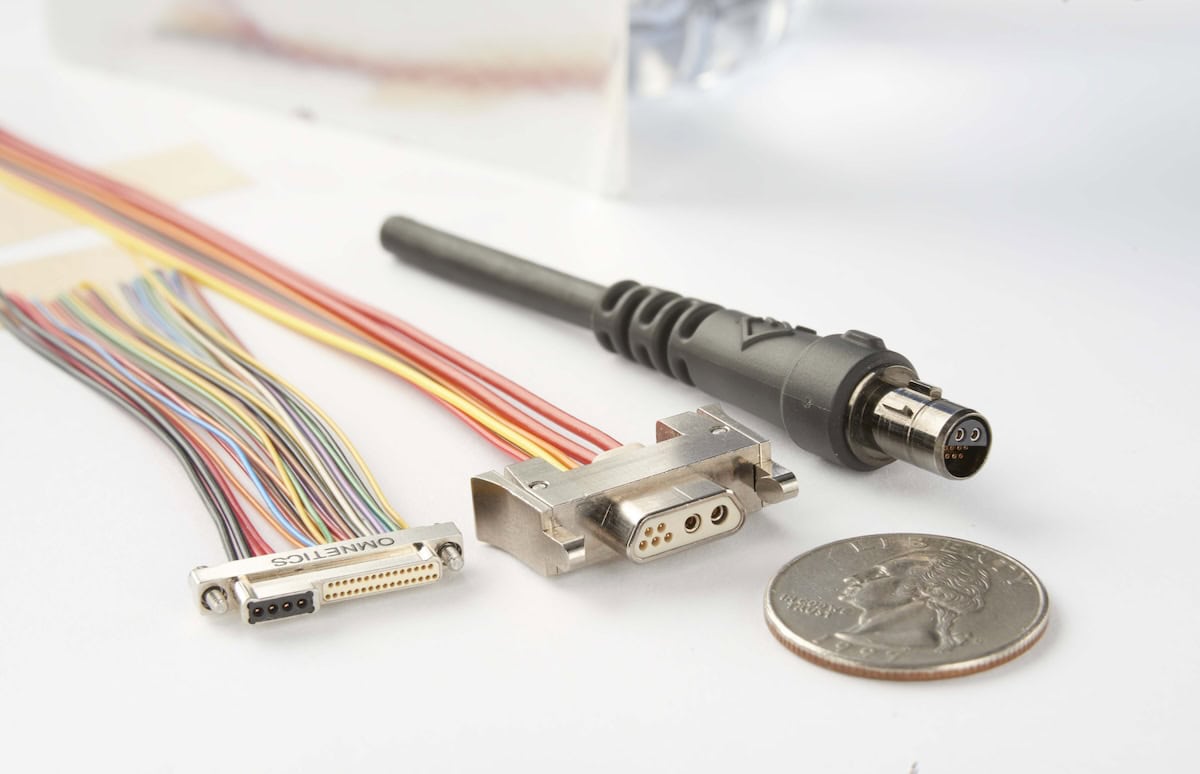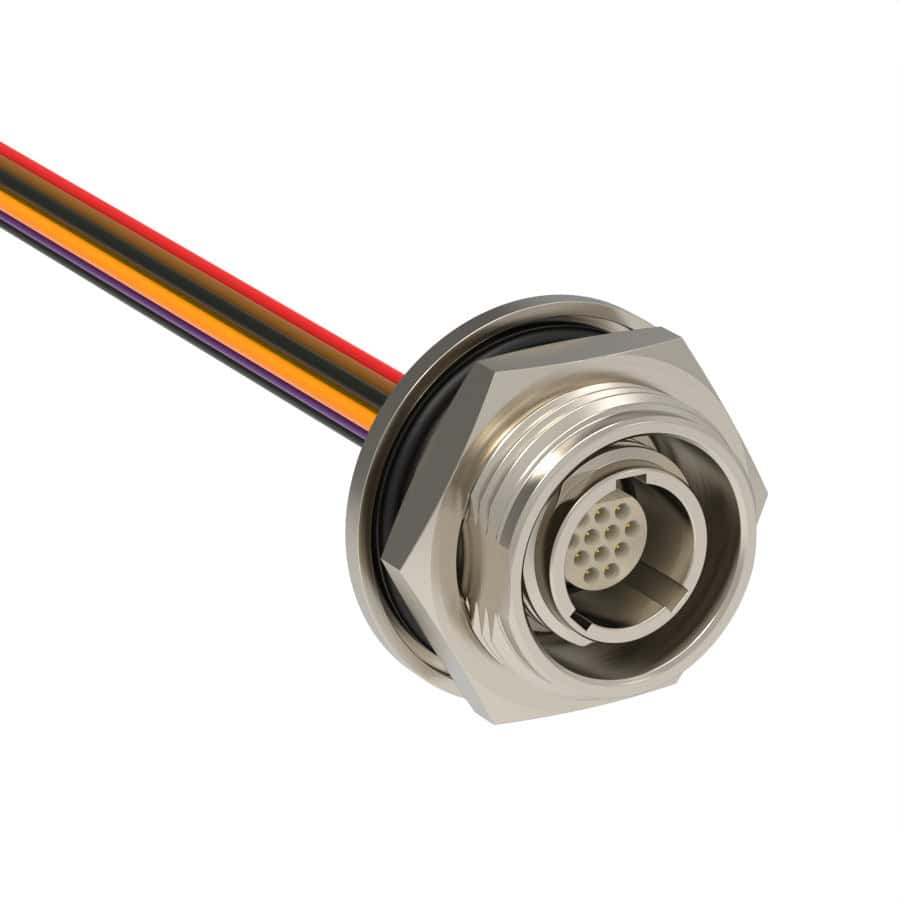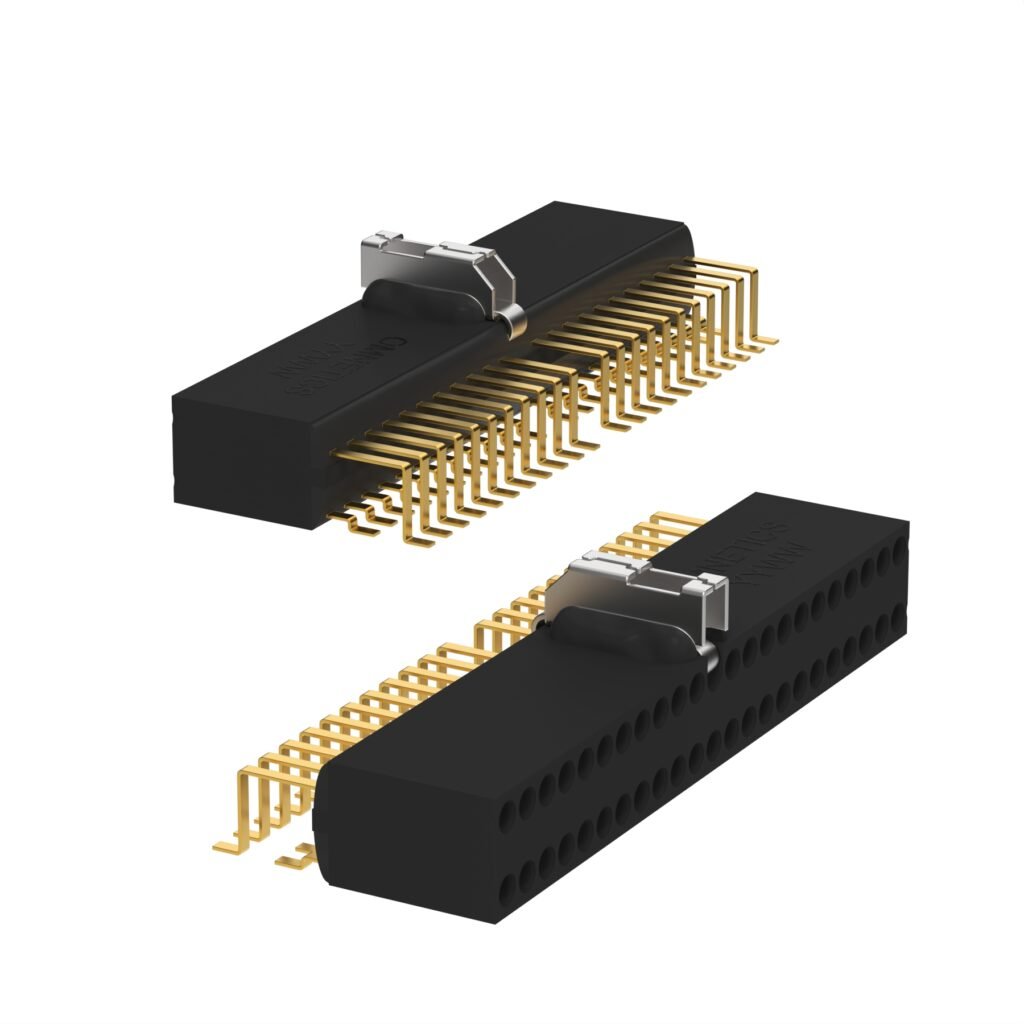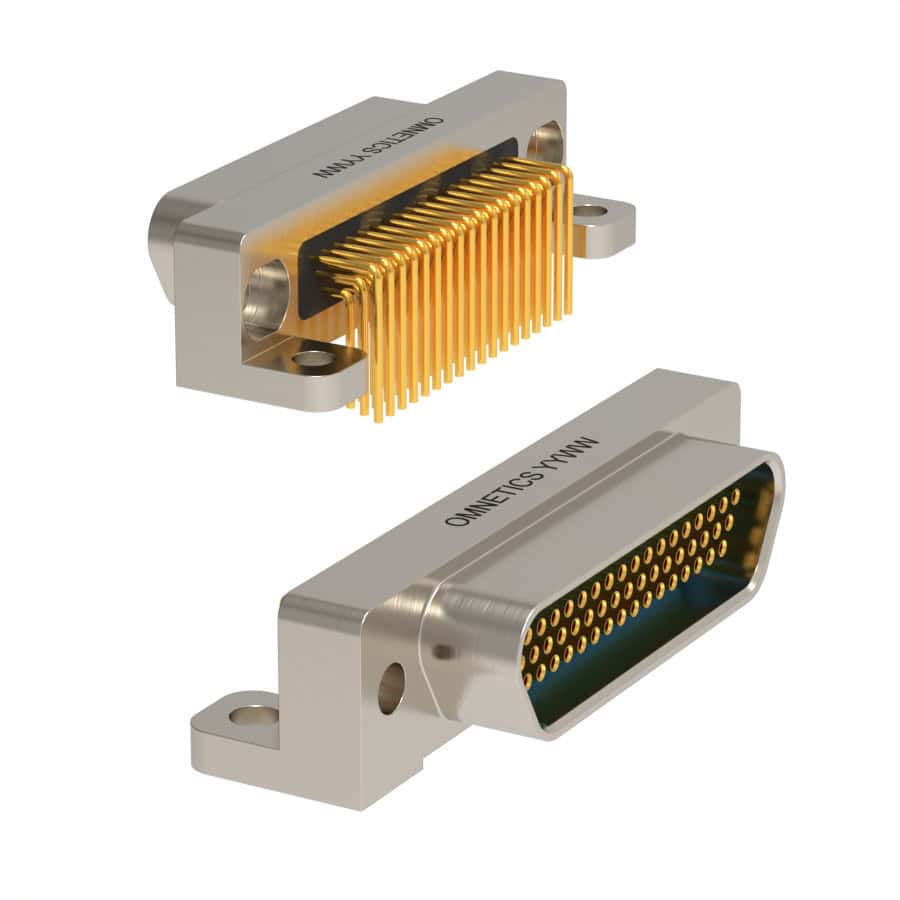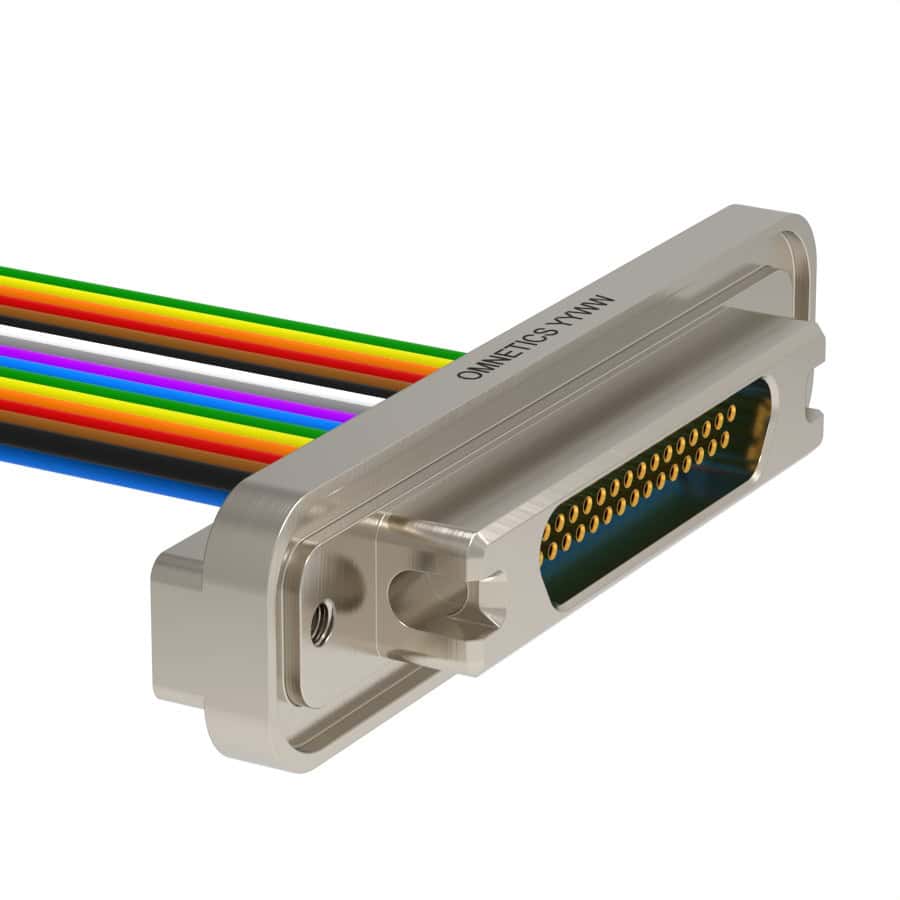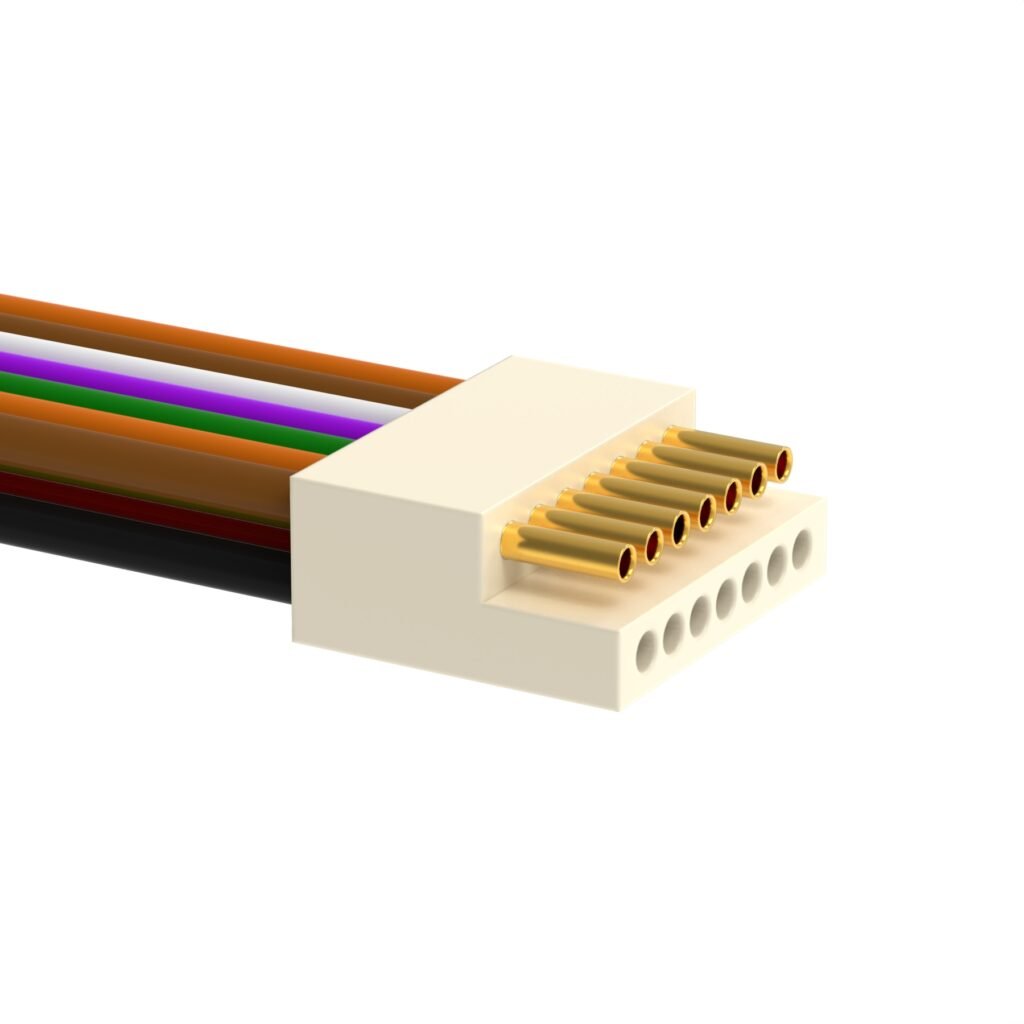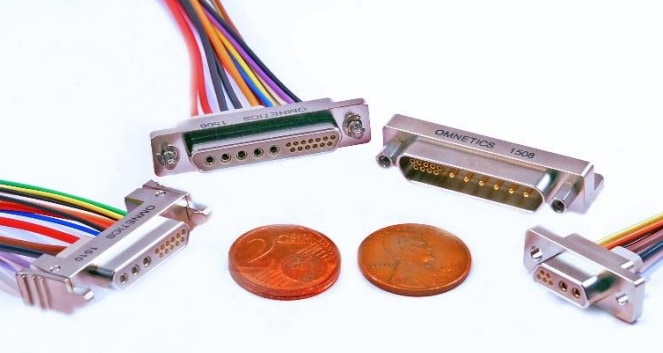

In this article, Scott Unzen, the director of marketing at Omnetics, a developer of precision and high-reliability electronic connectors and interconnect systems, discusses the advantages of LiDAR (Light Detection and Ranging), and the need for application-specific connector systems in military, satellite and space applications.
Military environments demand technologies that adapt rapidly to unpredictable conditions. This is especially true for connector and cable systems, where application-specific solutions, such as those provided by Omnetics, are critical.
Omnetics designs micro-miniature and non-miniature options to support military applications such as for portable and high-density LiDAR systems. LiDAR, a remote sensing technology which uses pulsed laser light to measure distances, offers many key advantages, including speed, accuracy, high spatial resolution, and the ability to penetrate foliage and camouflage.
Unzen explains military drones and UAVs utilize LiDAR to collect and transmit data, but portability and ruggedness are essential. This means LiDAR instrument packs require compact, flexible, and high-density connectors which are easily connected while in the field, even when wearing gloves and while withstanding shock, vibration, and environmental extremes. The black plating on connectors avoids light reflection and detection during covert surveillance.
Cable and Connector Design Considerations
Designing application-specific systems for LiDAR begins with defining the light frequency and application, to determine suitable cables and connectors. Common wavelengths include infrared frequencies to the visible light range. High-frequency, short-wavelength systems require coaxial cable, but Nano-coax systems are preferred when size and portability are critical.
Data capacity must also be considered. Field-based command stations and satellites must process the large volumes of information generated by LiDAR and maintain signal integrity. Ruggedness, low weight, and small size are also important.
For multispectral LiDAR systems, which identify and track targets through obstacles, the combination of LiDAR and GPS data enables mapping of direction, speed, and destination. The cable and connector designs must maintain continuous signal integrity despite shock, vibration, and EMI.
While commercial off-the-shelf (COTS) solutions can be adapted, the trend is toward smaller, rugged, portable, and application-specific connector and cable systems, setting the standard across defense and high-tech industries.